Readings
Modern History and U.S. Foreign Policy: Sub-Saharan Africa
From European colonialism to independence movements and beyond, learn how foreign influence and history have shaped the region.
Do your students have questions about AI? We asked an expert.
Explore free resources that align with your AP U.S. History Curriculum.
CFR Education offers a range of free resources that can supplement your AP U.S. History curriculum. Browse readings, timelines, videos, and simulations covering developments that have shaped the United States from c. 1491 to the present.
Skills students learn with CFR Education U.S. History Resources:
From European colonialism to independence movements and beyond, learn how foreign influence and history have shaped the region.
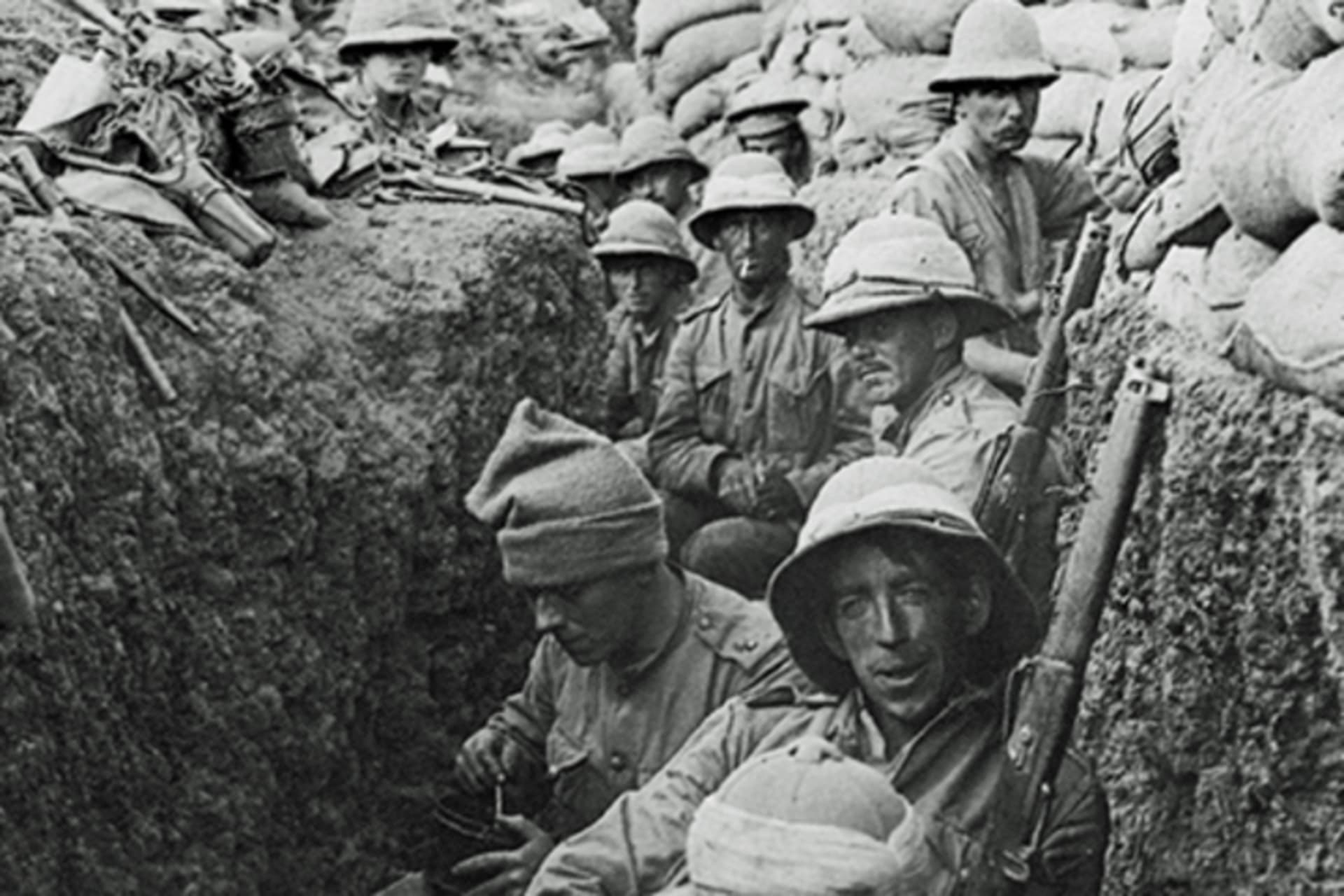
From World War I to the War in Ukraine, learn how history and U.S. intervention has shaped the region.
From colonization to the Cold War, learn about the major historical moments that have shaped the Americas.
The United States developed from a fragile union focused on survival to a superpower with global interests. Throughout that journey, the country has grappled with recurring questions about how to protect its interests, articulate its values, and define its role in the world. Trace the path of U.S. foreign policy with the timeline below.
From European colonialism to independence movements and beyond, learn how foreign influence and history have shaped the region.
From World War I to the War in Ukraine, learn how history and U.S. intervention has shaped the region.
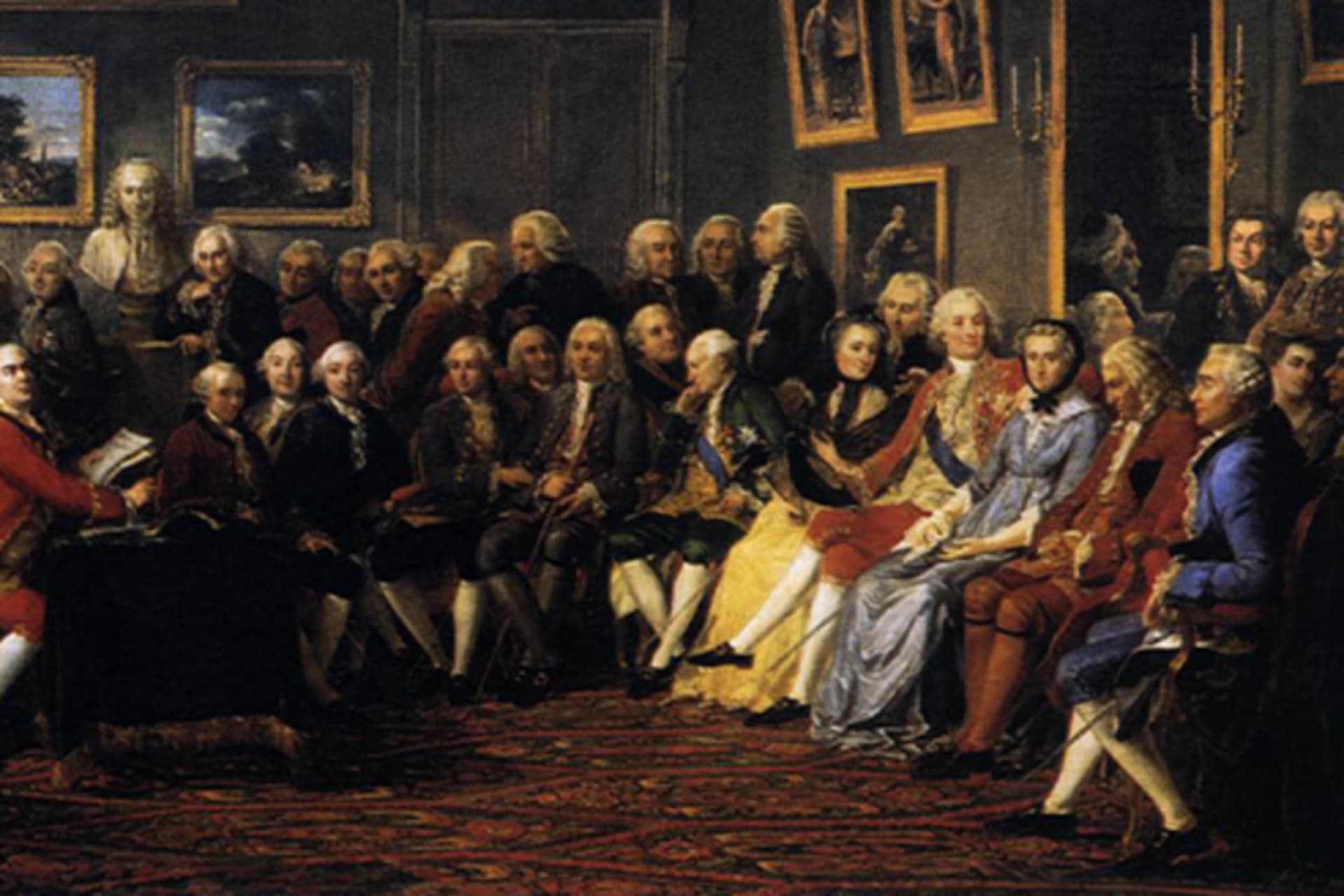
Explore how calls for liberty, equality, and individual rights caused revolutions around the world, from the American Revolution to the French and Haitian Revolutions.
From colonization to the Cold War, learn about the major historical moments that have shaped the Americas.
The United States developed from a fragile union focused on survival to a superpower with global interests. Throughout that journey, the country has grappled with recurring questions about how to protect its interests, articulate its values, and define its role in the world. Trace the path of U.S. foreign policy with the timeline below.
Analyze the factors shaping early U.S. foreign policy
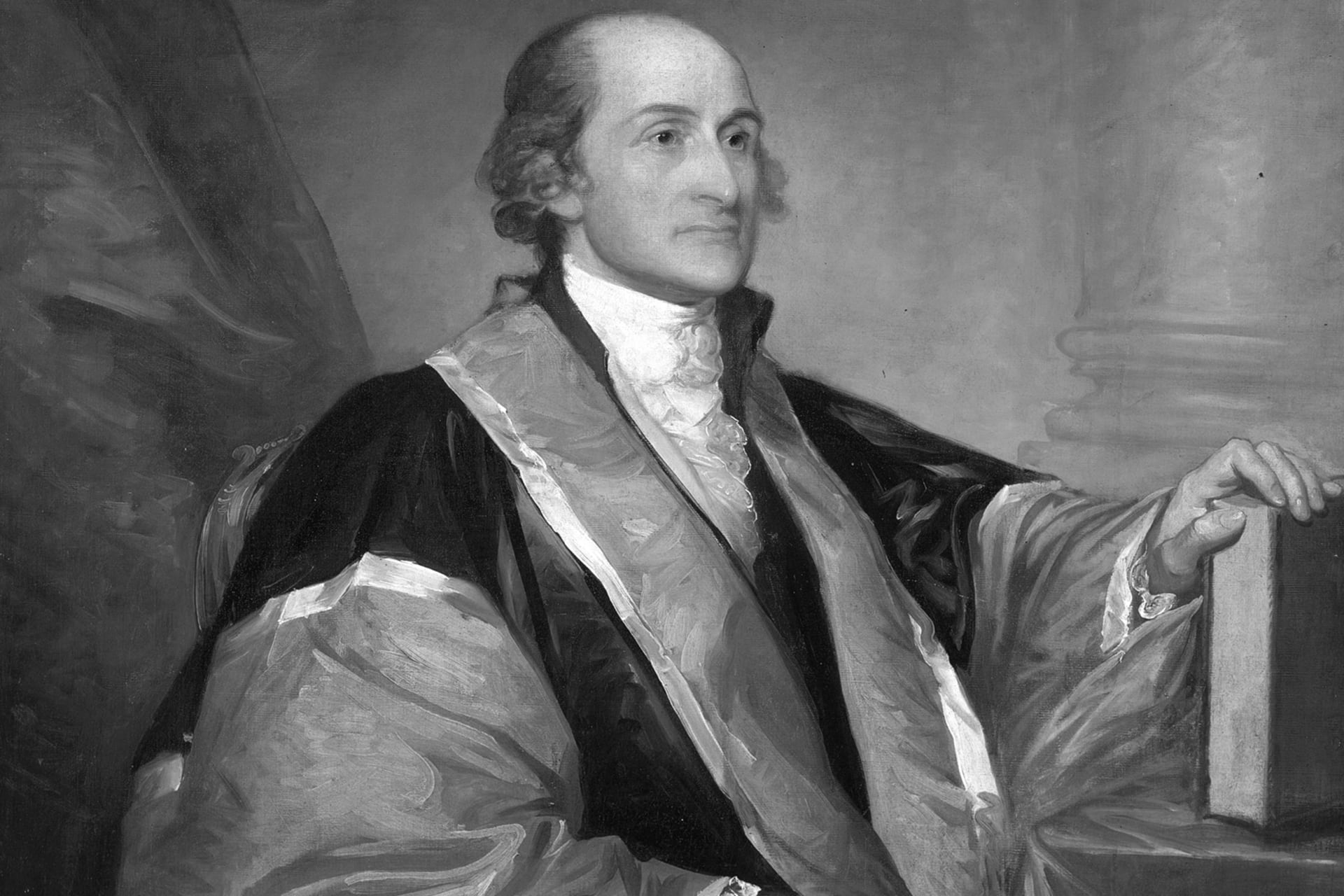
What does the Constitution say about foreign policy? In this free resource, explore how the powers of Congress and the president protect and advance the country’s interests abroad.
From colonization to the Cold War, learn about the major historical moments that have shaped the Americas.
The United States developed from a fragile union focused on survival to a superpower with global interests. Throughout that journey, the country has grappled with recurring questions about how to protect its interests, articulate its values, and define its role in the world. Trace the path of U.S. foreign policy with the timeline below.
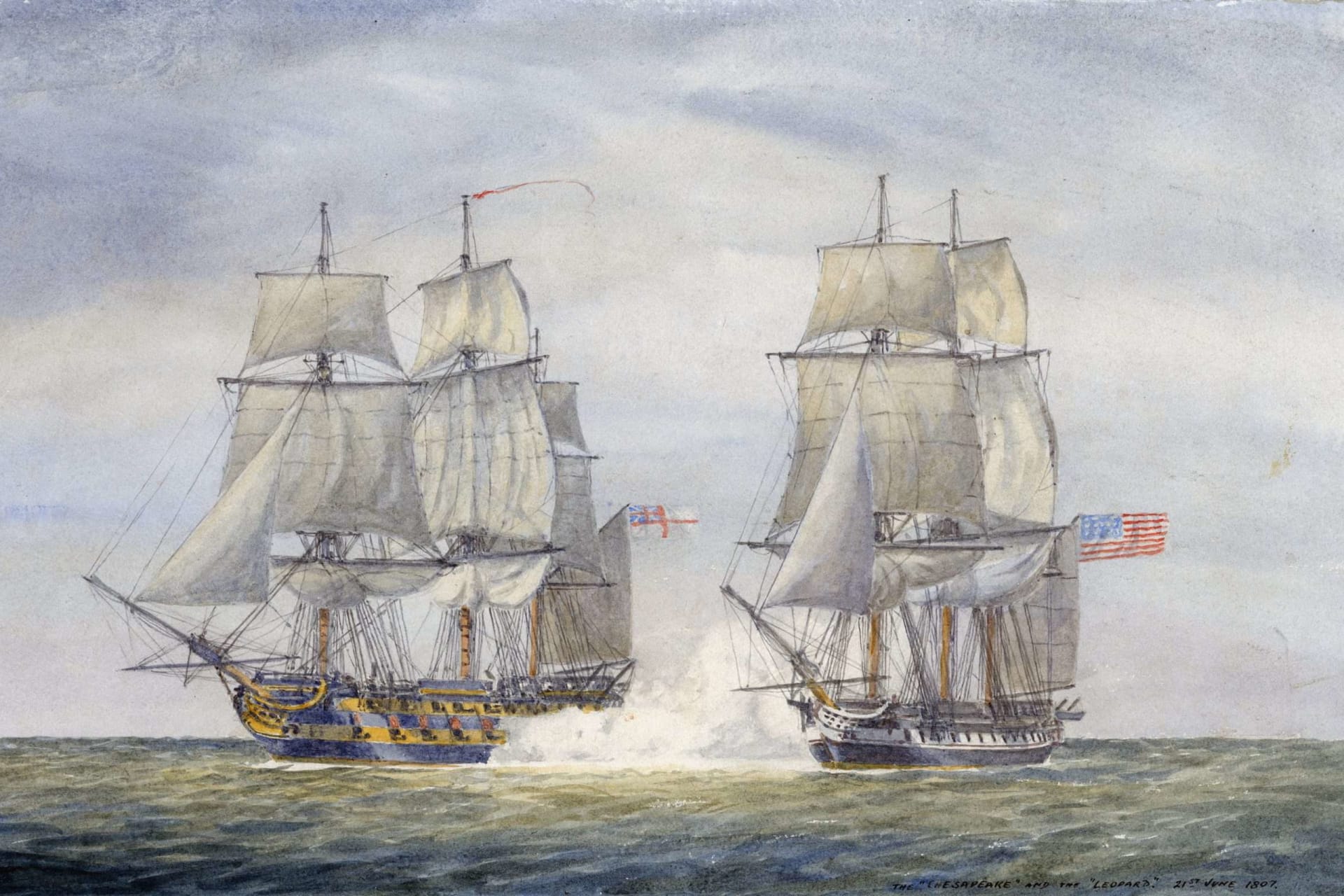
Should the United States remain neutral during the war between France and England? Explore this simulation set in 1807.
Learn about the Industrial Revolution and how technological innovations from the eighteenth and nineteenth centuries continue to shape society today.
From colonization to the Cold War, learn about the major historical moments that have shaped the Americas.
The United States developed from a fragile union focused on survival to a superpower with global interests. Throughout that journey, the country has grappled with recurring questions about how to protect its interests, articulate its values, and define its role in the world. Trace the path of U.S. foreign policy with the timeline below.
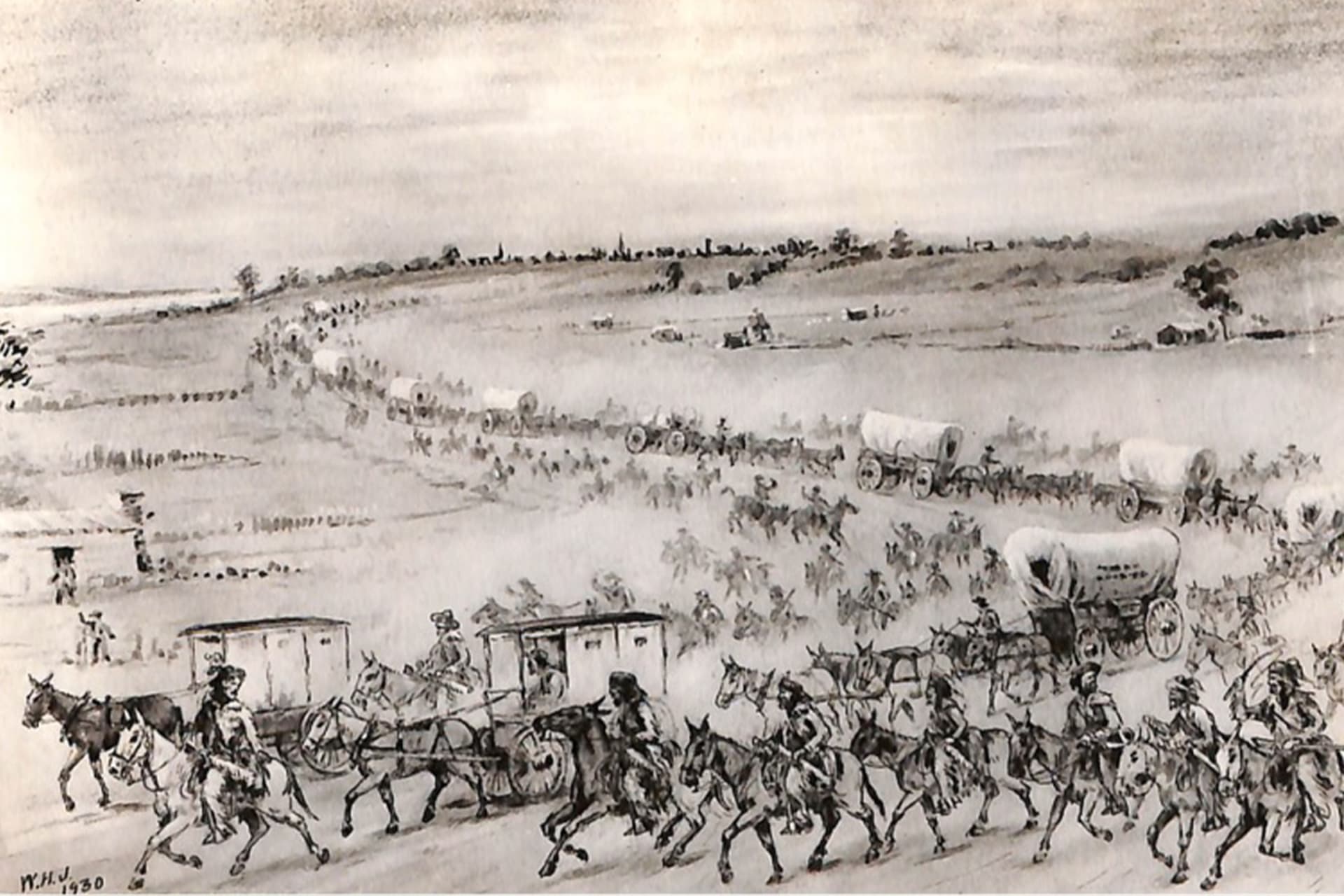
How should the United States respond to British naval buildup near the Oregon Country? Explore this historical simulation.
Learn about the Industrial Revolution and how technological innovations from the eighteenth and nineteenth centuries continue to shape society today.
From colonization to the Cold War, learn about the major historical moments that have shaped the Americas.
Analyze the factors that led the United States to annex the Philippines
The United States developed from a fragile union focused on survival to a superpower with global interests. Throughout that journey, the country has grappled with recurring questions about how to protect its interests, articulate its values, and define its role in the world. Trace the path of U.S. foreign policy with the timeline below.
Learn about the Industrial Revolution and how technological innovations from the eighteenth and nineteenth centuries continue to shape society today.
From colonization to the Cold War, learn about the major historical moments that have shaped the Americas.
Analyze the factors that led the United States to annex the Philippines
Analyze debates about neutrality in the leadup to World War II
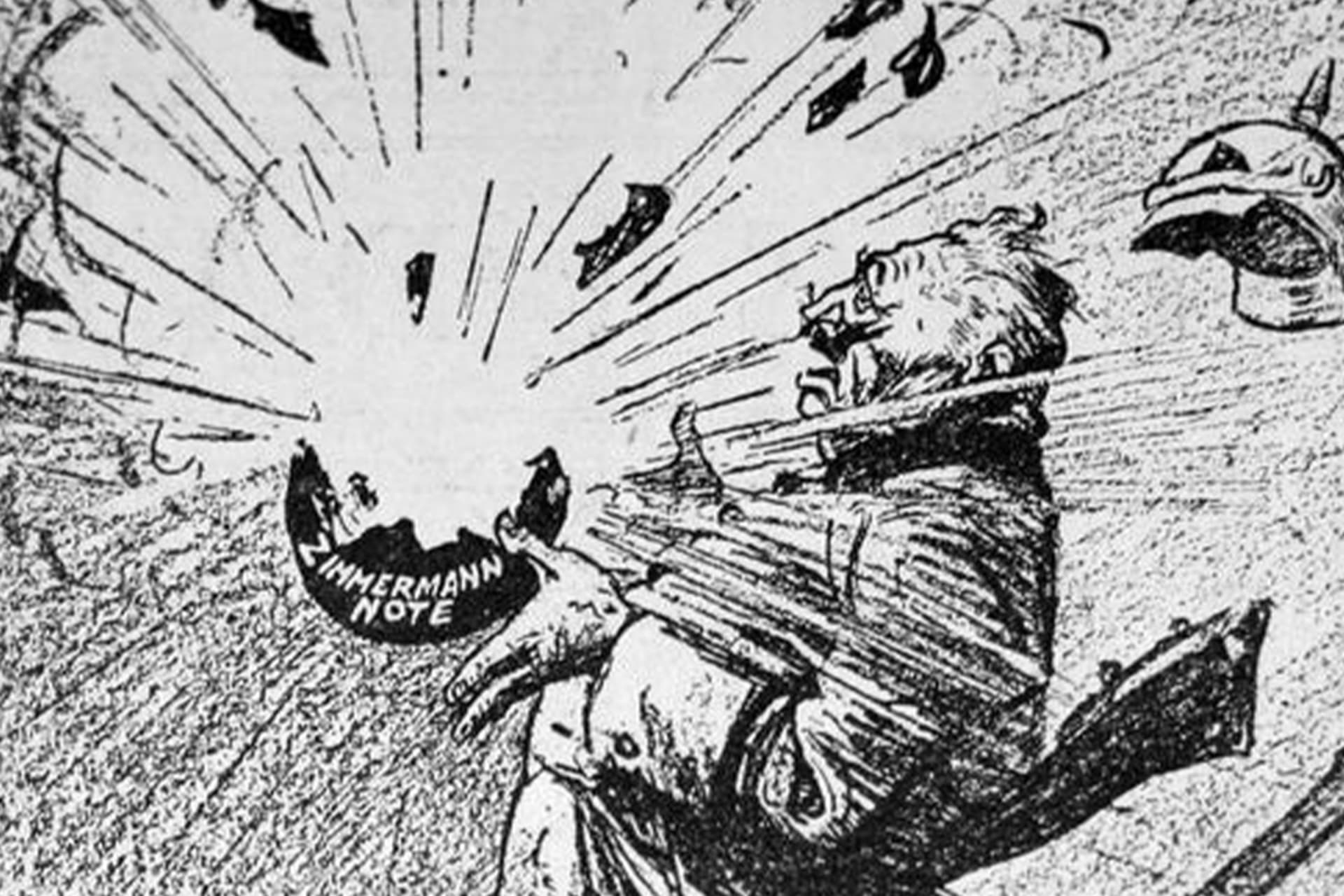
Should the United States take action against Germany? Explore this historical simulation set in 1917.
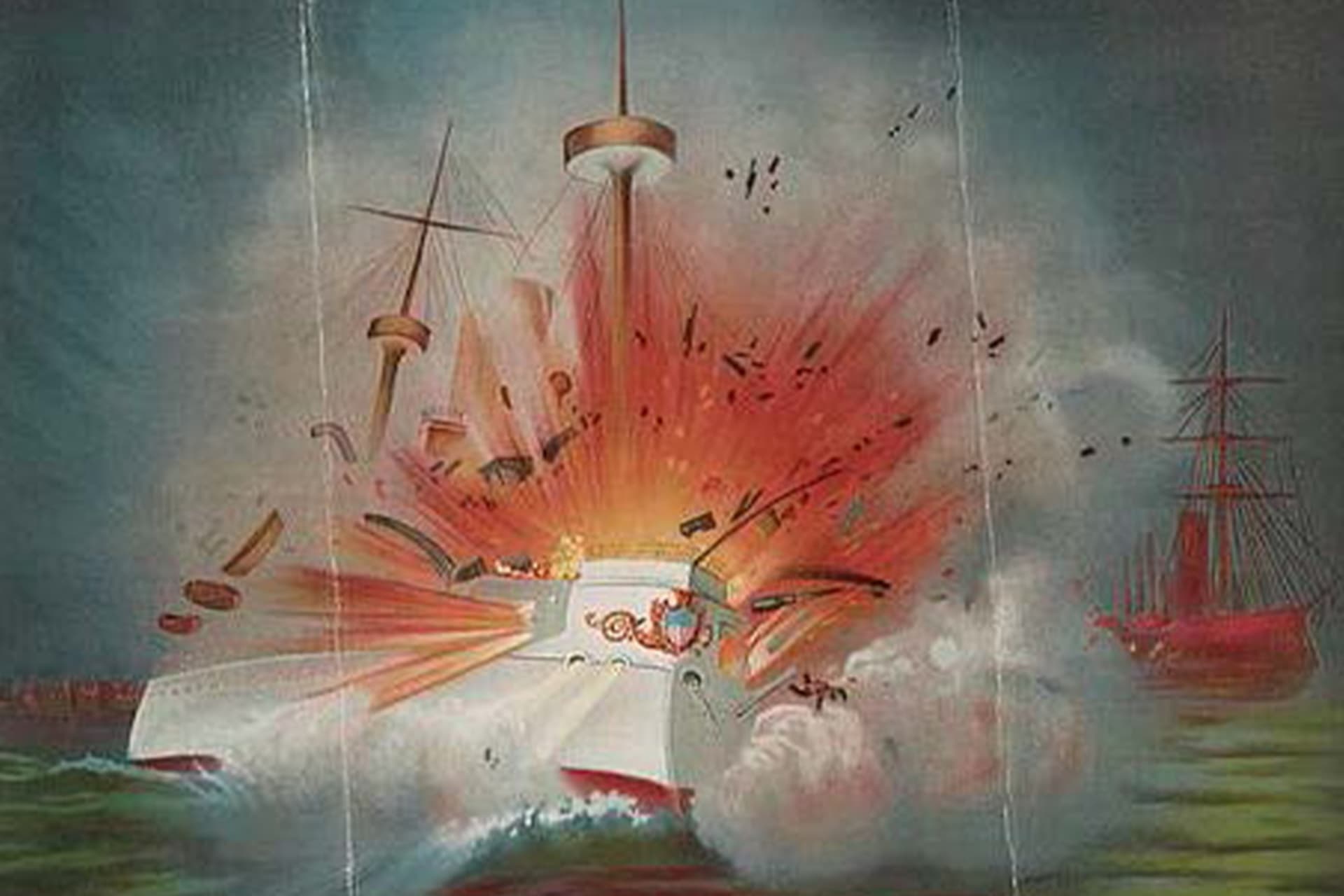
How should the United States intervene against Spanish colonial rule in Cuba? Explore this historical simulation set in 1898.
How should the United States address a deadly pandemic during World War I? Explore this historical simulation set in 1918.
From World War I to the War in Ukraine, learn how history and U.S. intervention has shaped the region.
Learn how balances and imbalances of power contributed to World Wars I and II in this historical video.
In this free resource on World War II, understand the causes of World War II and why these issues drove countries back to battle just two decades after World War I.
In this free resource on World War I, explore the causes and effects of the Great War to understand how the conflict shaped world history.
From colonization to the Cold War, learn about the major historical moments that have shaped the Americas.
Explore how the United States has responded to migrants throughout history—from the Chinese Exclusion Act to DACA—and how immigration policy influences the society, economy, and politics of a country.
Analyze the factors that shaped U.S. strategy during the Cold War
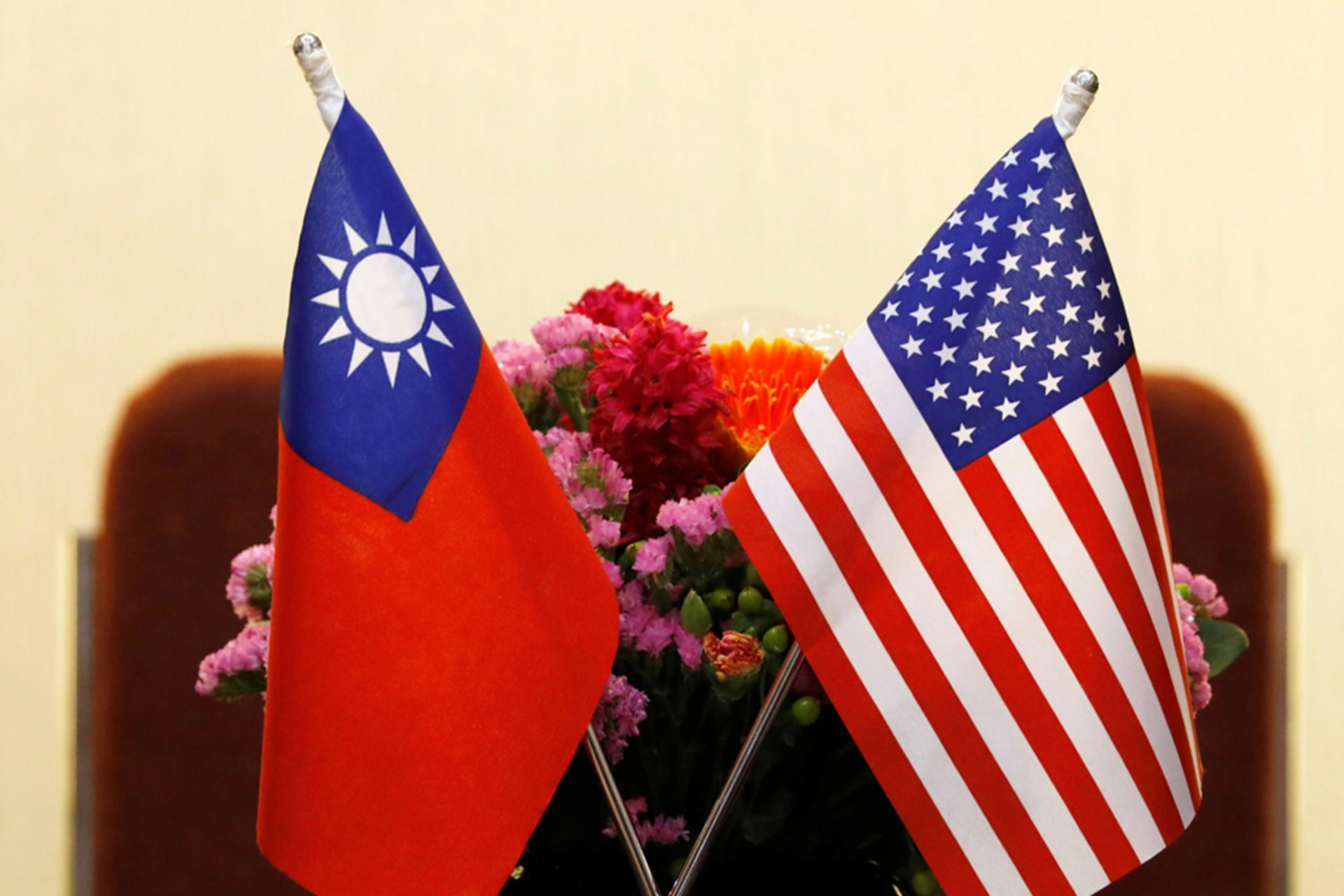
Should the United States maintain its longstanding policy of strategic ambiguity toward Taiwan? Explore this simulation.
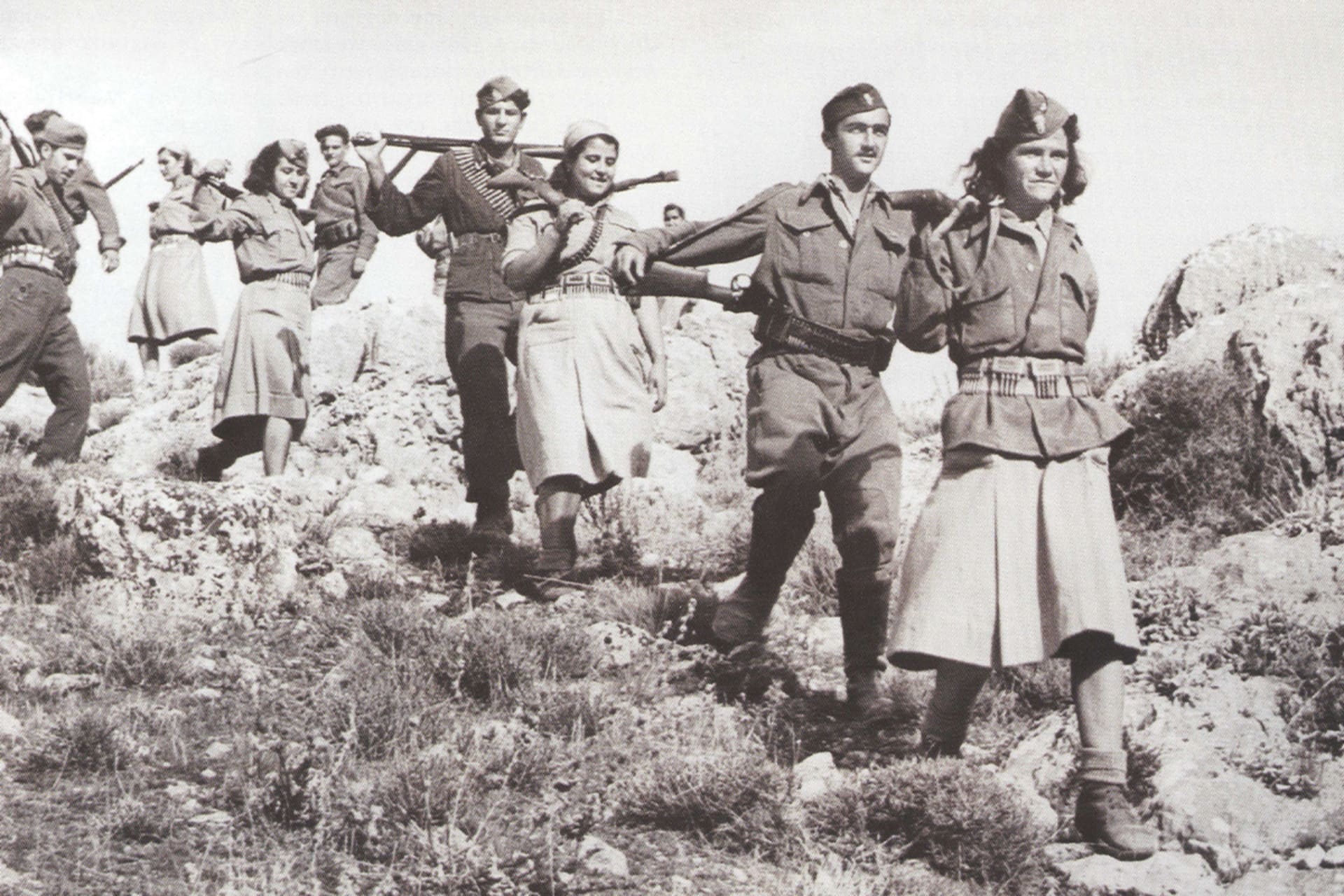
How should the United States support Greece in its fight against communist rebels? Explore this simulation set in 1947.
How should the United States employ foreign aid to help a country in crisis? Explore this hypothetical simulation.
How should the United States respond to the massive influx of Cuban migrants? Explore this historical simulation set in 1980.
From World War I to the War in Ukraine, learn how history and U.S. intervention has shaped the region.
Discover how consumer goods have become cheap and ubiquitous in the global era.
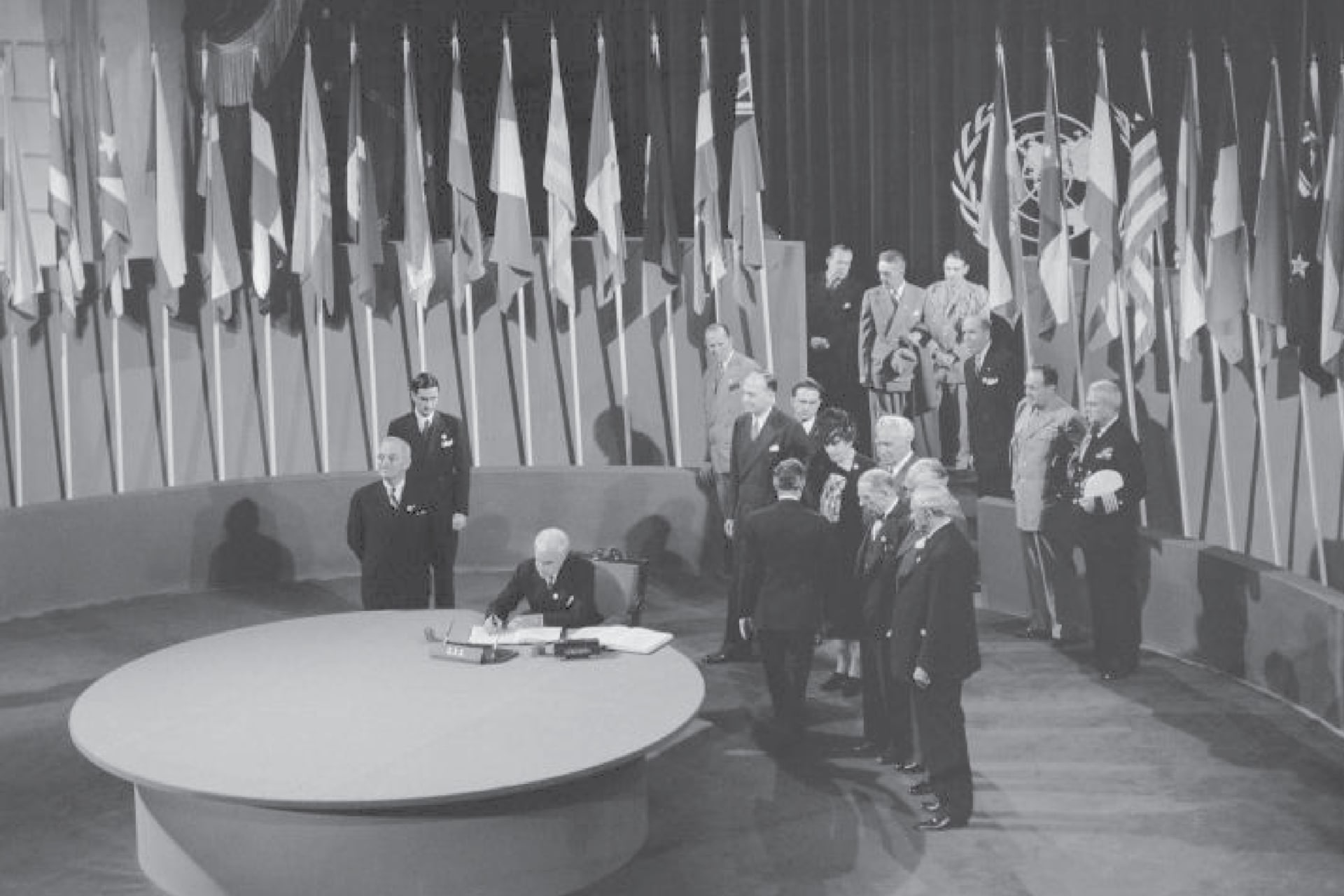
In this free resource, learn more about the United Nations’ most powerful body working to maintain international peace and security. Explore the security council’s failures and successes, and why the UN Security Council’s veto power is so controversial.
From colonization to the Cold War, learn about the major historical moments that have shaped the Americas.
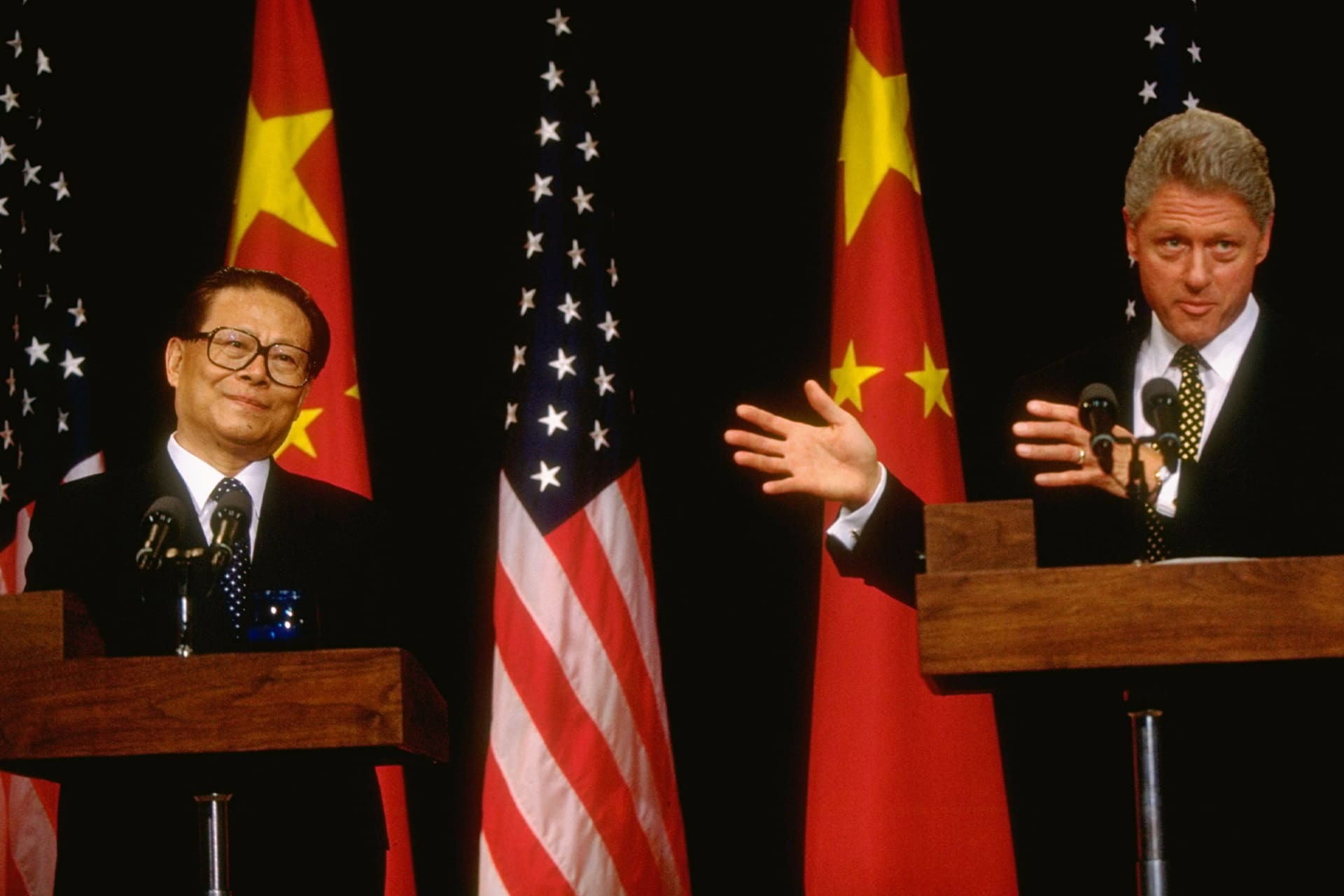
Analyze the factors that shaped U.S. engagement with China after the Cold War.
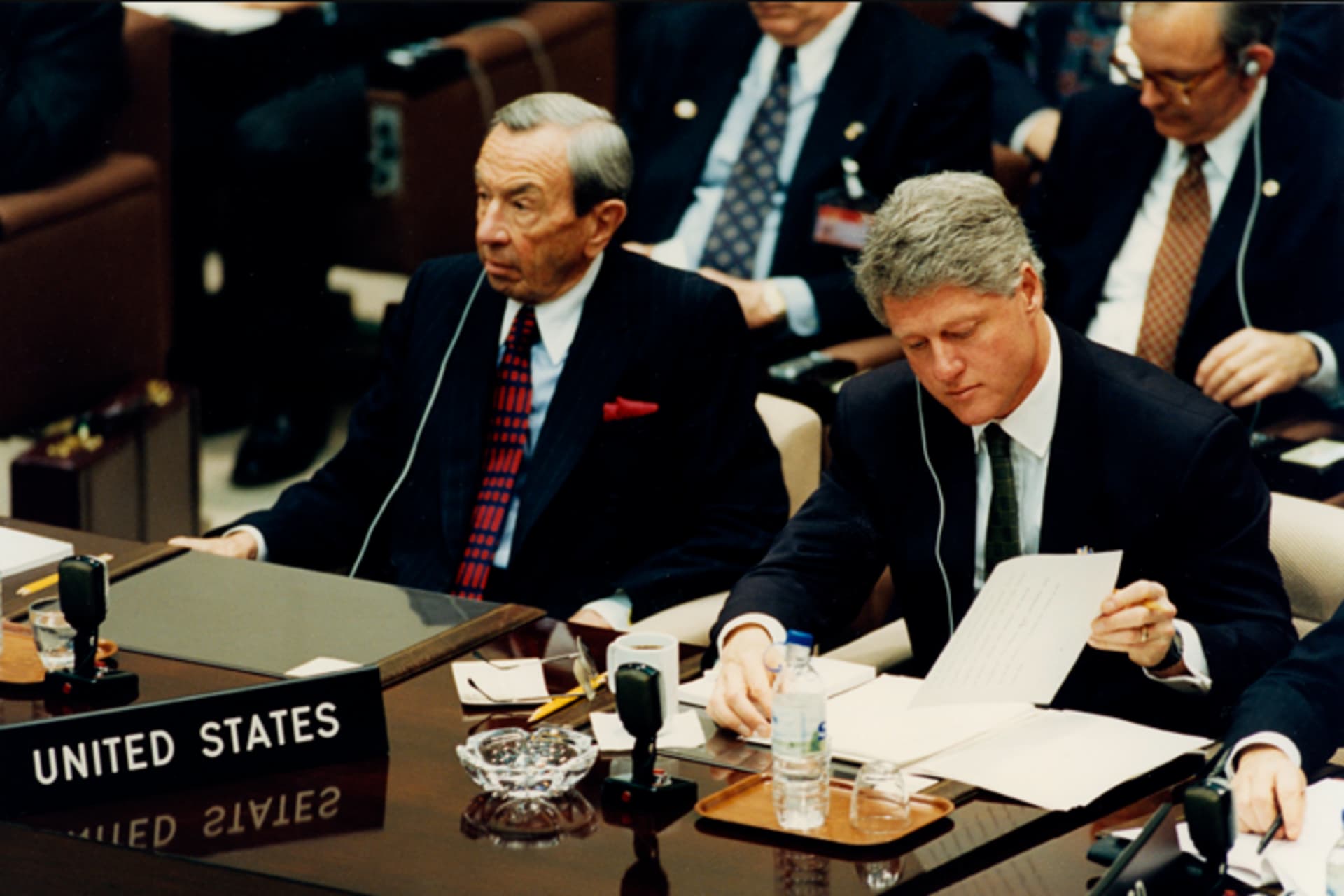
Set in January 1994. Following the collapse of the Soviet Union, many former Soviet states express interest in joining NATO.
Set in July 2016. Following Russia’s annexation of Crimea, a NATO summit approaches as the Baltics face threats from Russia.
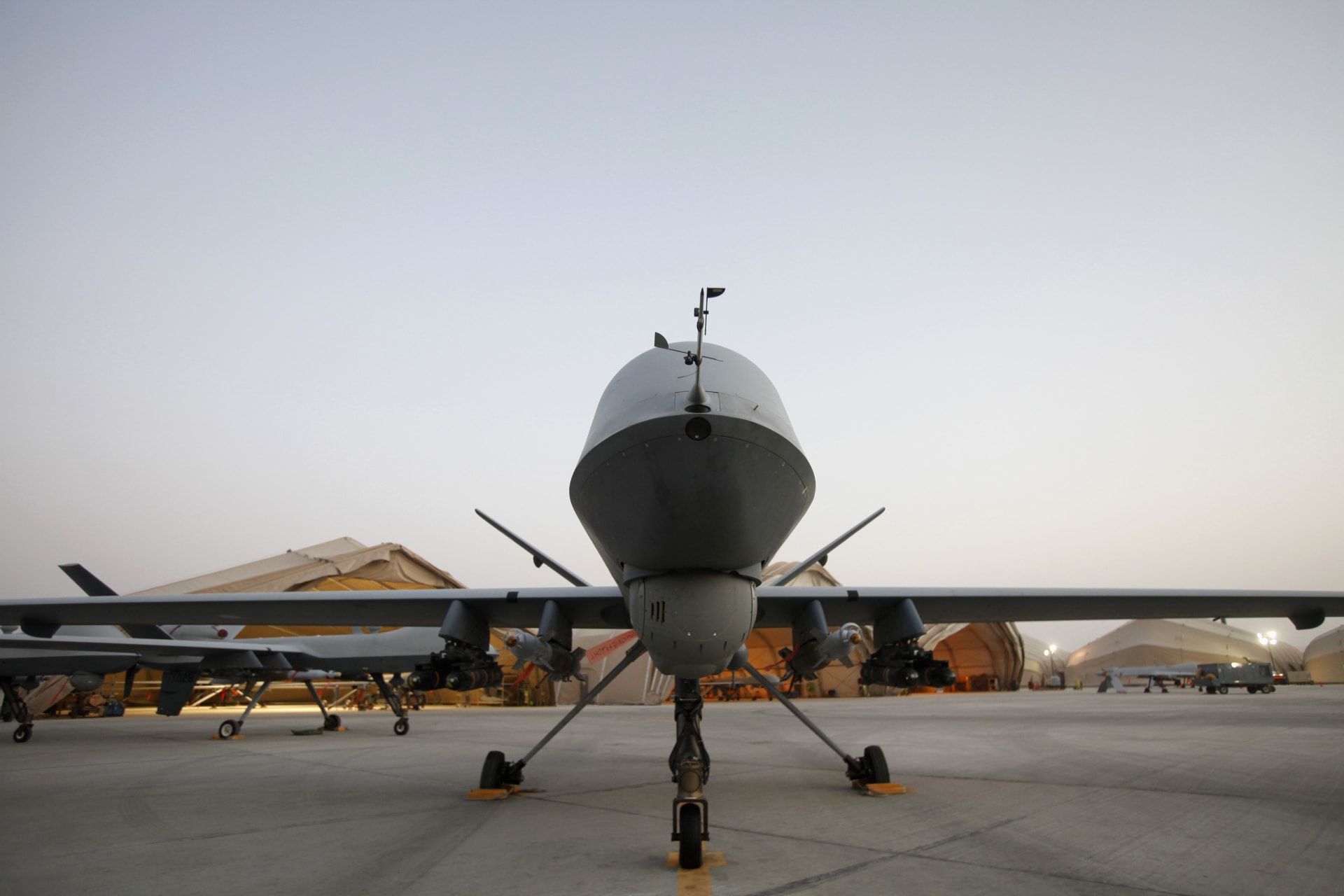
Set in Spring 2011. The United States has the opportunity to eliminate or capture a senior al-Qaeda leader in Pakistan.
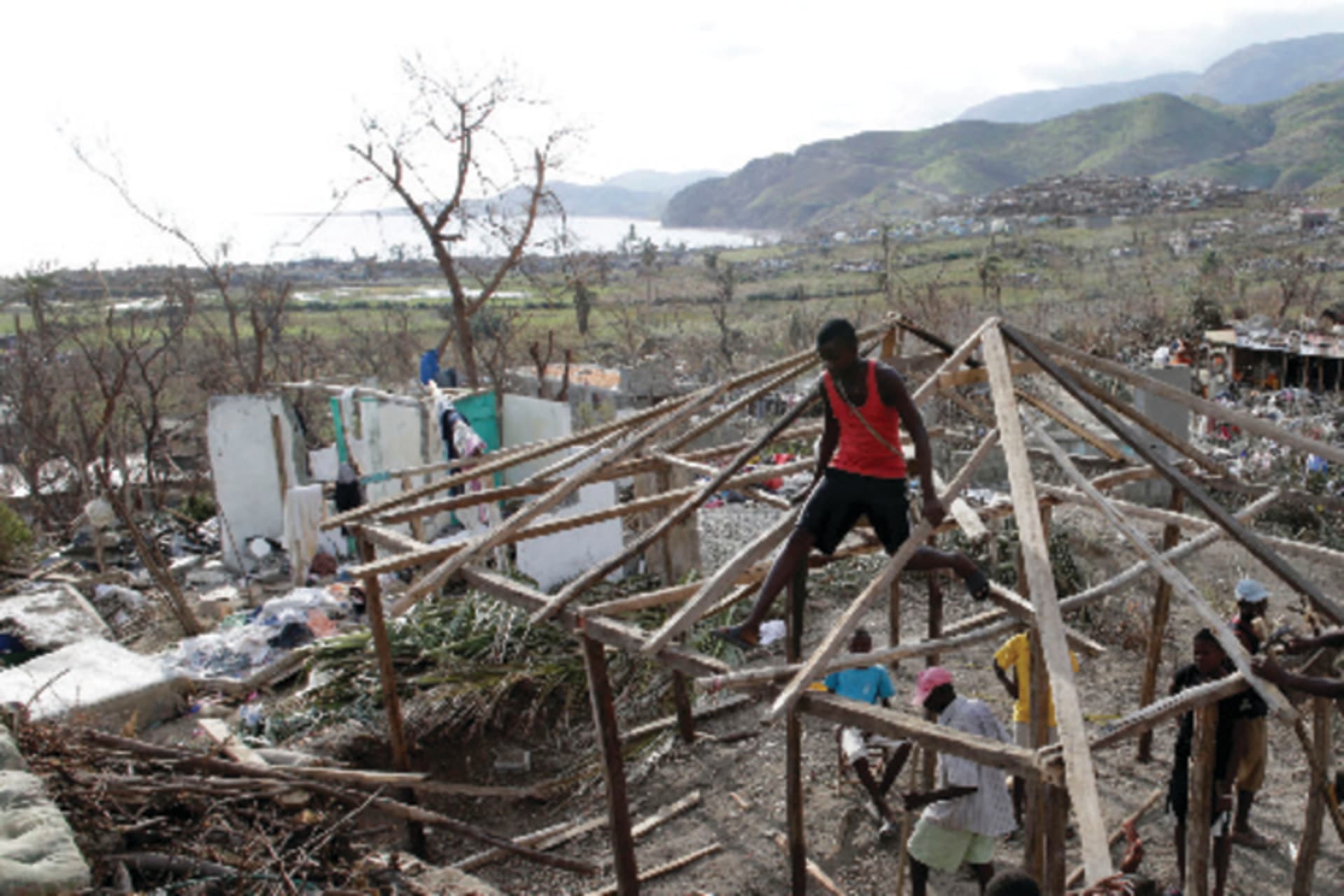
Climate Change is bad for everyone, but it’s worse for some.
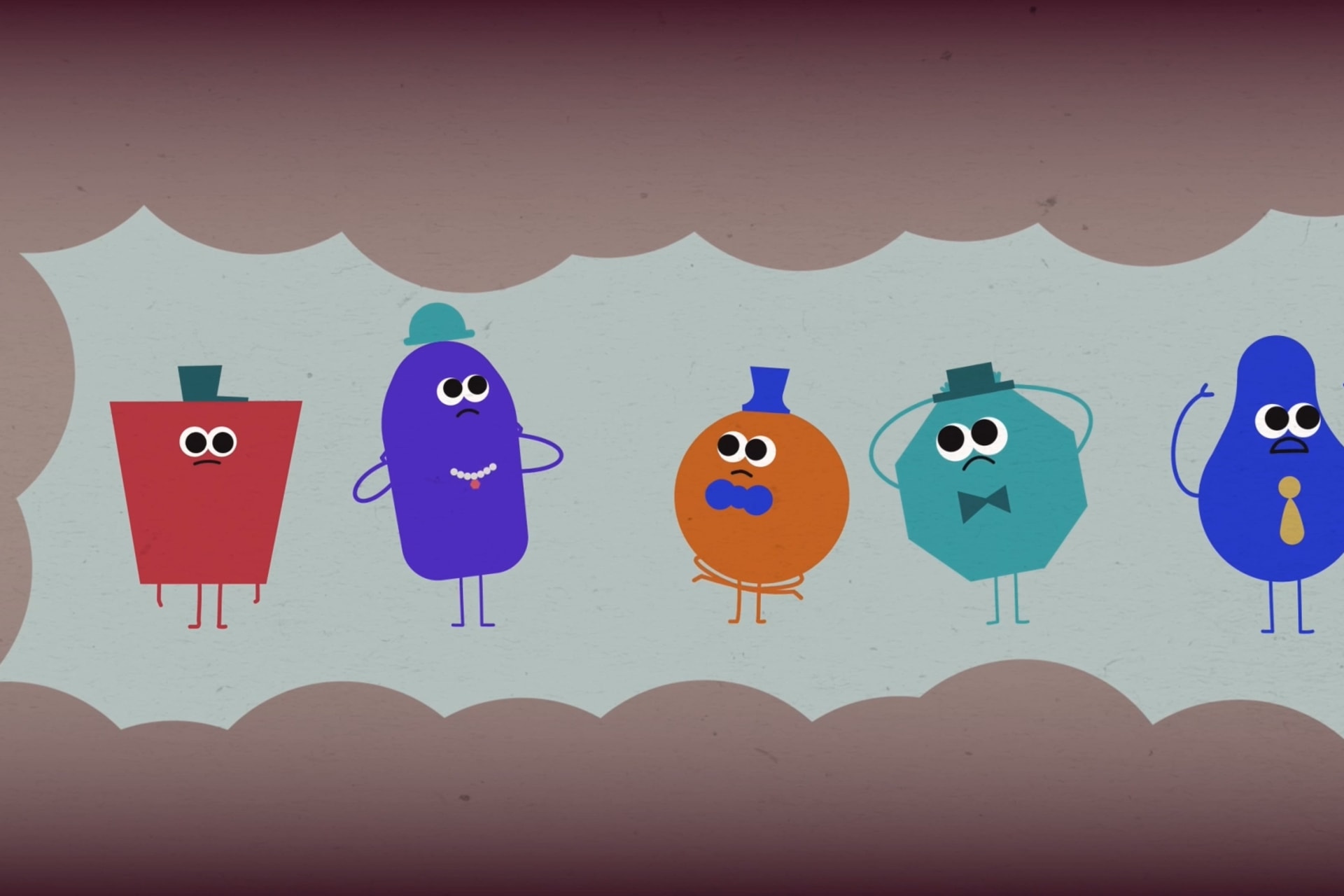
The world can work together in the fight against climate change, but there are challenges to international cooperation.
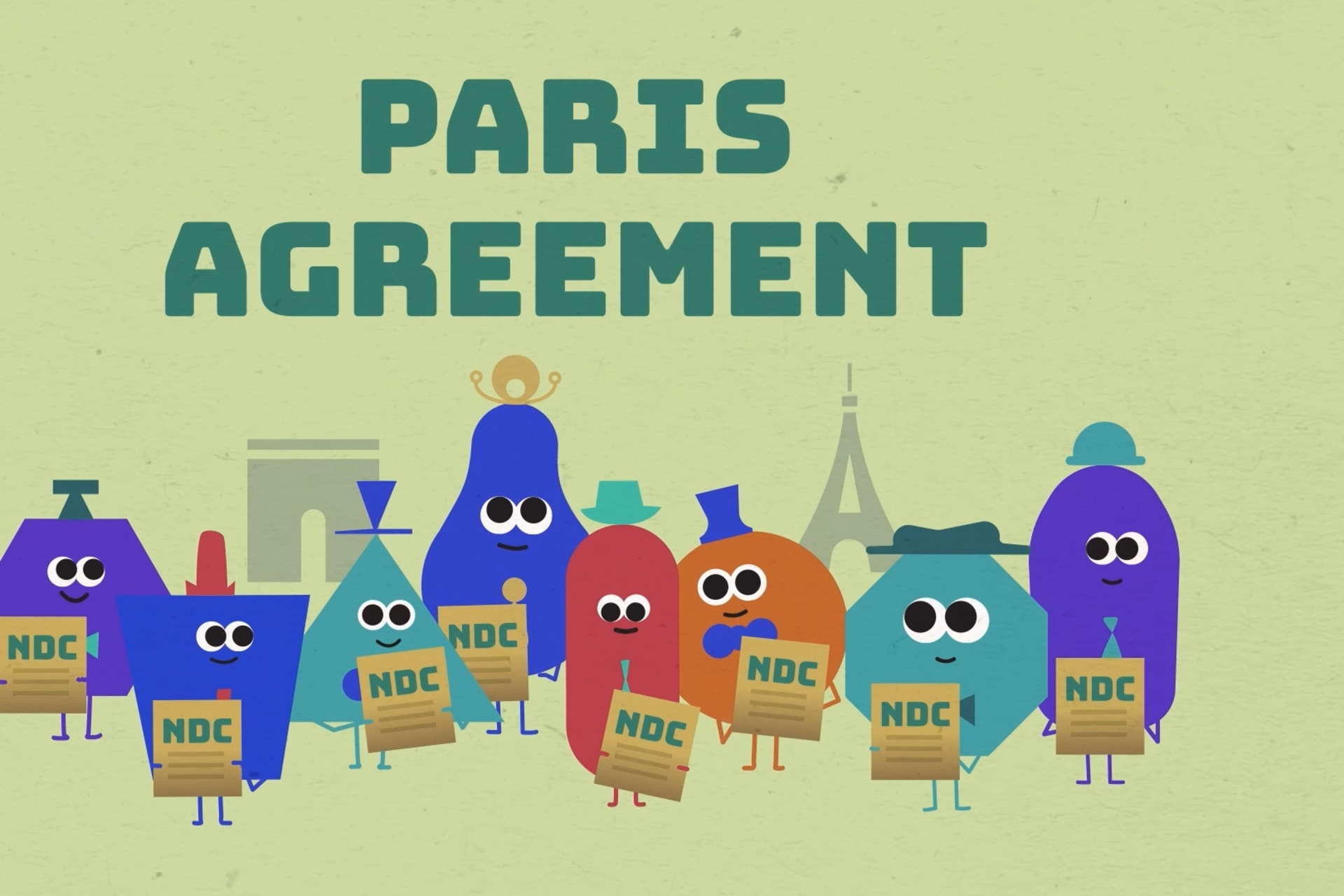
The Paris Agreement offers the world a pathway for addressing climate change, but challenges persist.
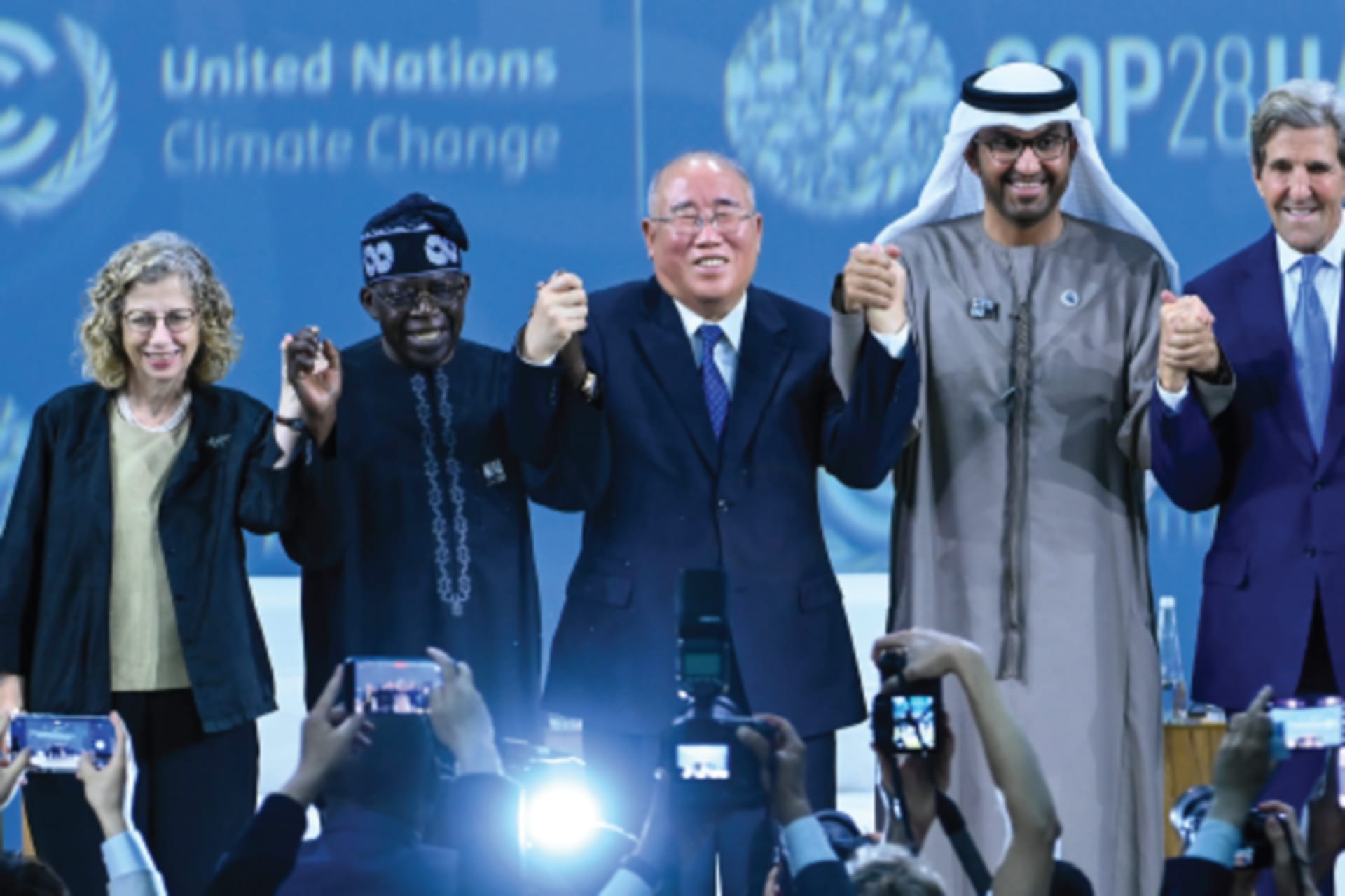
Explore the challenges facing international cooperation and the major treaties where the world has agreed to work together.
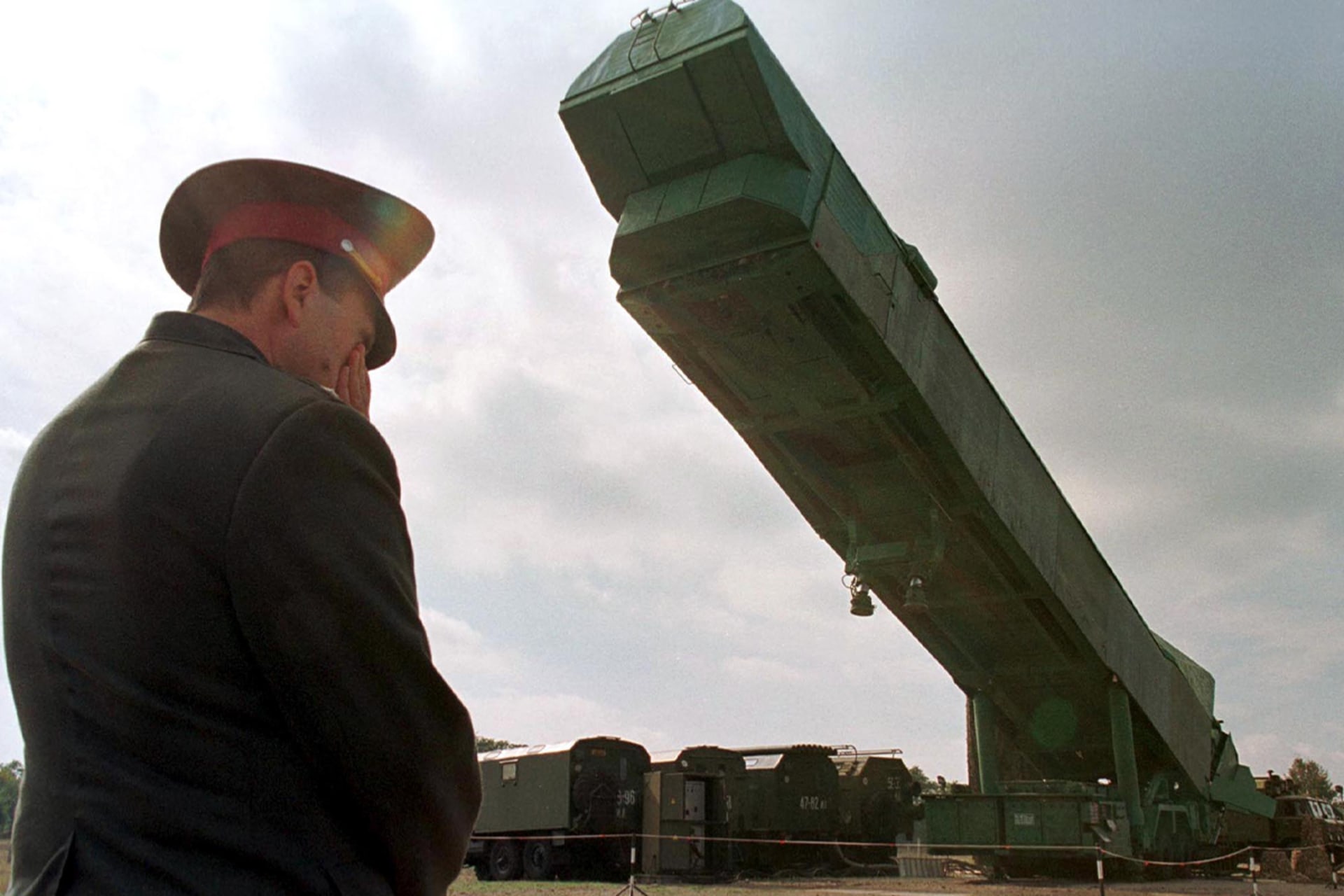
How should the United States manage dismantling Ukraine’s nuclear arsenal while safeguarding against renewed conflict in Europe? Explore this historical simulation set in 1993.
Should the United States maintain its longstanding policy of strategic ambiguity toward Taiwan? Explore this simulation.
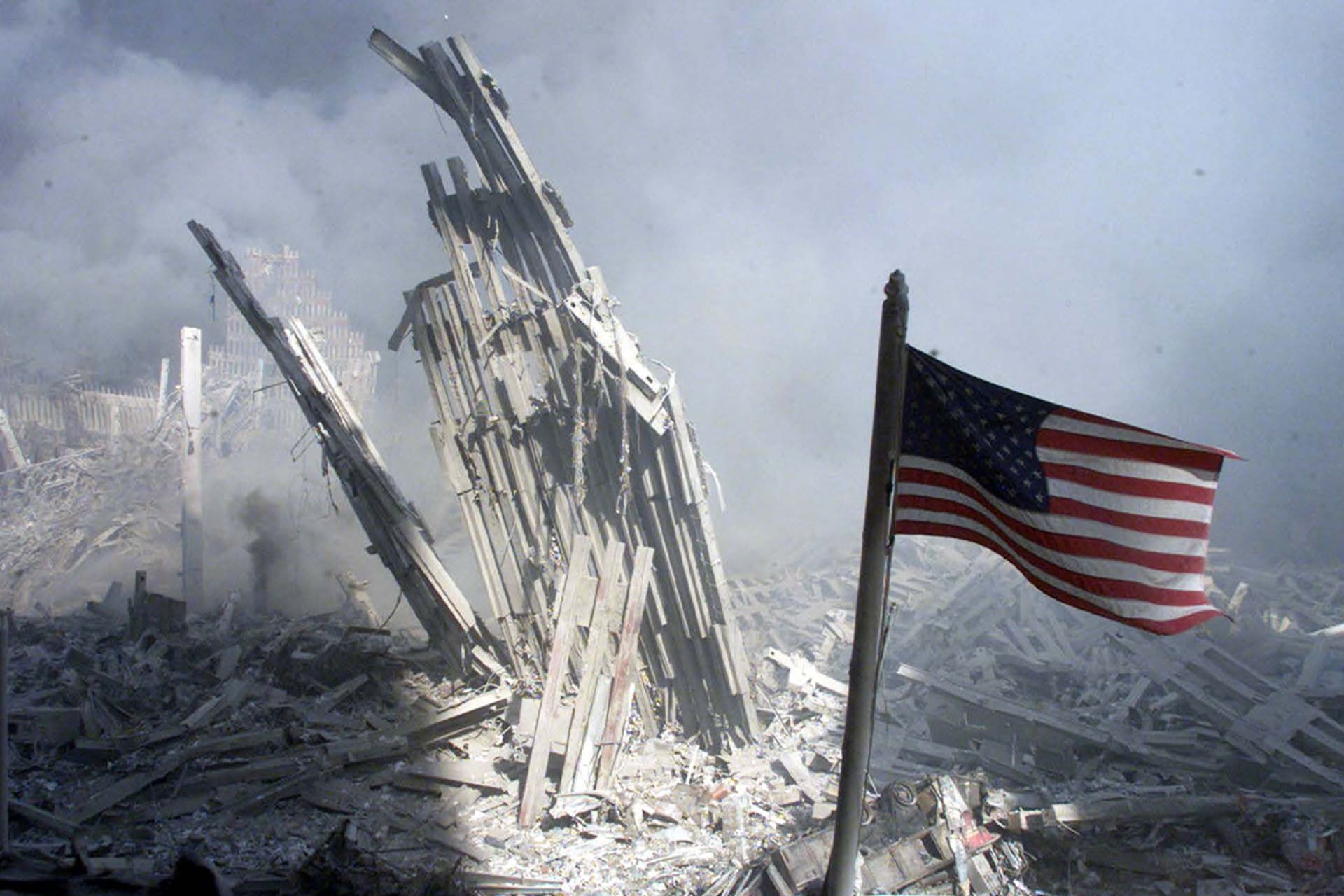
Should the United States strike al-Qaeda in Afghanistan in response to 9/11? Explore this historical simulation set in 2001.
What should the United States do to secure global health preparedness before the next pandemic? Explore this simulation.
How should the United States employ foreign aid to help a country in crisis? Explore this hypothetical simulation.
How should the United States respond to the massive influx of Cuban migrants? Explore this historical simulation set in 1980.
Expensive cars? Phone order delays? Learn how today’s globalized supply chain can affect our daily lives by exploring the global semiconductor shortage.
In this free climate change resource, learn how AI is helping countries reduce carbon emissions, but some innovations could ultimately contribute to a warming planet.
Explore maps and charts that illustrate how climate change, terrorism, COVID-19, and internet freedom require both international and domestic solutions in an increasingly interconnected world.
Learn how journalism, social media, public opinion, and lobbies are all a part of American democracy and influence U.S. foreign policy.
Learn how the president’s advisors protect U.S. national security and help with foreign policy decision-making and coordination across the executive branch.
In this U.S. foreign policy video, understand the challenges of negotiating treaties and dive into two international climate agreements.
In this educational video on U.S. foreign policy, learn how the United States has shaped the world with its military and economic might.
From World War I to the War in Ukraine, learn how history and U.S. intervention has shaped the region.
In this educational video on foreign policy, explore how U.S. relations with Japan have changed over the past century, from Pearl Harbor to a peaceful alliance.
In this foreign policy video, learn how leaders further their countries’ interests with political, economic, and military tools such as diplomacy, trade, and intelligence.
In this educational video, learn how idealism and realism shaped U.S. foreign policy following the Chinese government’s massacre at Tiananmen Square in 1989.
In this free resource on diplomacy, understand how countries advocate for their national interests through foreign policy.
In this free resource on trade policy, explore how countries leverage their economic power to advance their foreign policy interests.
In this free resource on military action, learn how countries use violence, or armed force, to influence foreign policy.
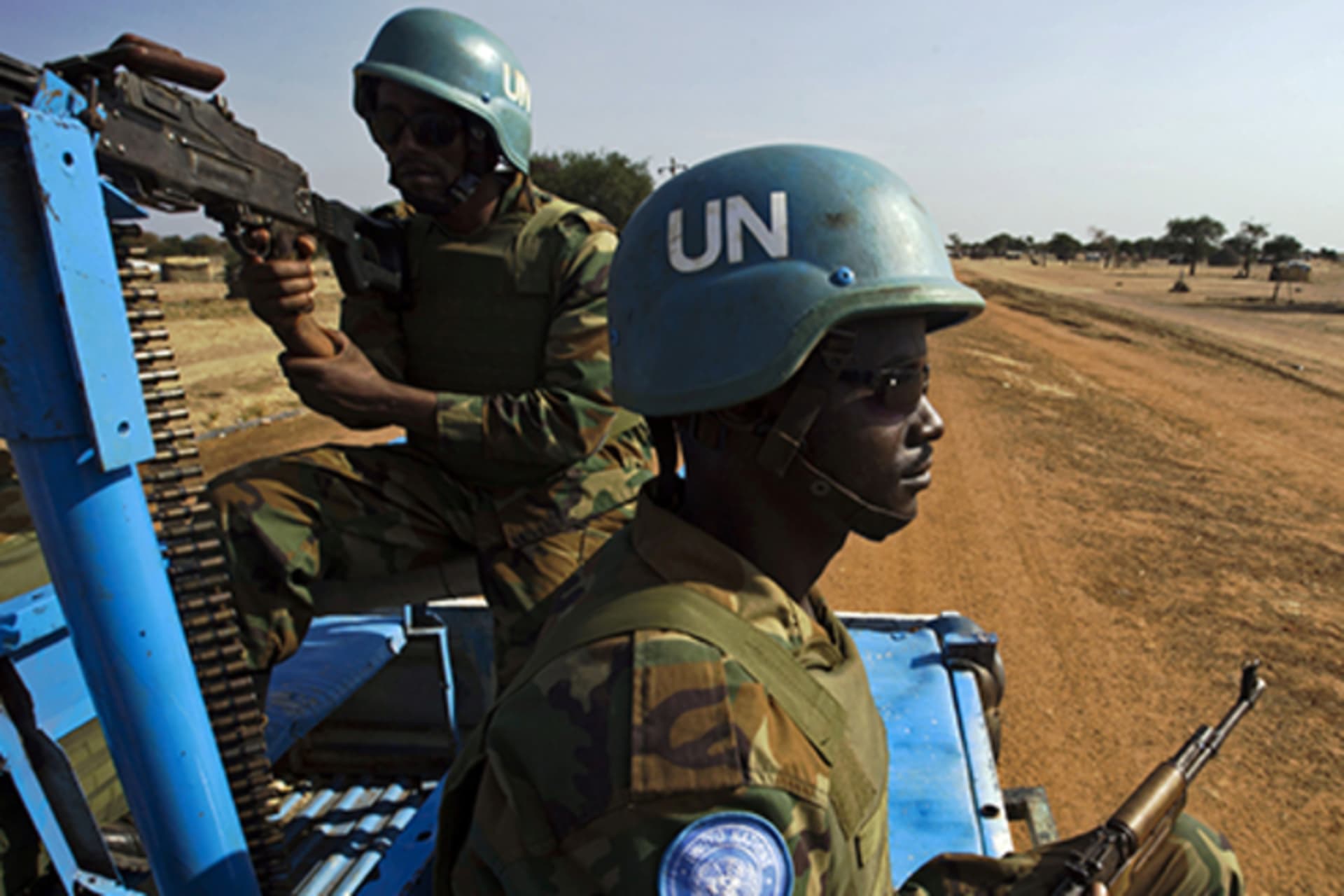
In this free resource on the successes and failures of peacekeeping, learn about the UN missions tasked with transitioning countries out of war.
In this free resource on arms control agreements, learn how countries try to regulate the world’s most powerful weapons through foreign policy.
In this free resource, explore examples of deterrence from the Cold War to present day to learn how countries dissuade bad behavior with the threat of significant punishment.
From Cold War double agents to Chinese spy balloons, explore how lying and spying inform policymaking in this resource on intelligence.
Learn why China lends billions of dollars abroad each year through its Belt and Road Initiative and the implications of that free resource for recipient countries.
In this free resource on nation-building, learn why developing political, economic, security, and social institutions across borders is a complex business.
In this free resource on sanctions, learn how countries use punitive economic measures to advance their foreign policy priorities.
What is unilateralism? What is multilateralism? In this free resource on foreign policy, explore why leaders address some challenges independently and others as part of a team.
What is idealism? What is realism? In this free resource, explore two schools of thought on a country’s foreign policy priorities.
Learn how QAnon, white supremacists, and Silicon Valley have contributed to an evolving domestic terror threat.
Is there a global water crisis? In this free resource, learn how climate change is causing water scarcity to worsen worldwide.
Social media has connected people at lightning speeds and upended long-held monopolies on information. But like past innovations, it has also created major societal challenges.
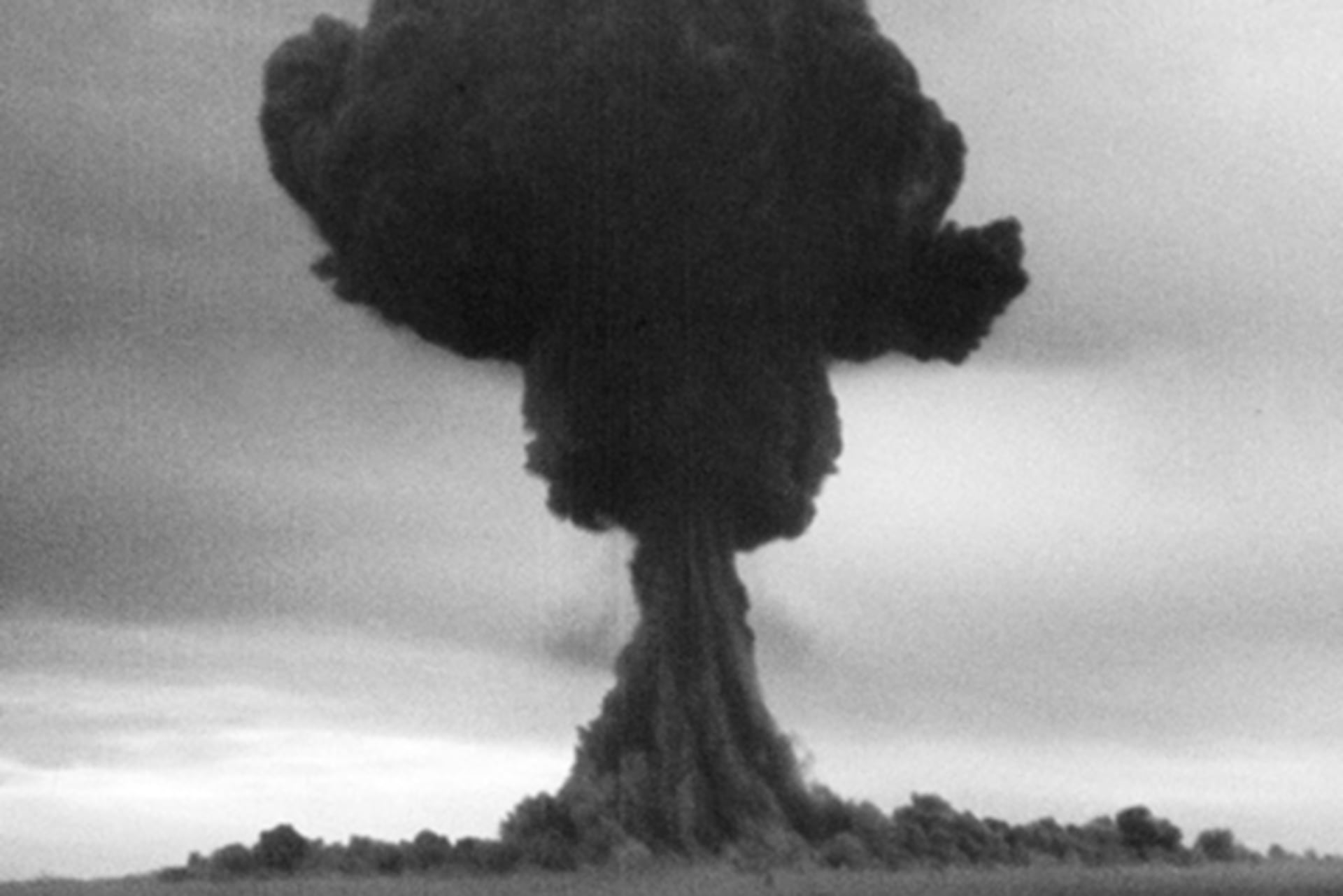
Learn how the world’s superpowers, the United States and the Soviet Union (USSR), avoided nuclear war.
From India and the Palestinian Territories to Vietnam and Sudan, learn how former colonies sought independence—and how the shadow of colonialism still affects many regions today.
Discover how consumer goods have become cheap and ubiquitous in the global era.
Learn how domestic expansion and three wars—the Spanish-American War, World War I, and World War II—transformed the United States’ standing in the world.
Explore the organizations and agreements that have promoted global peace and prosperity since the end of World War II, as well as the challenges that the liberal world order now faces in this video.
From colonization to the Cold War, learn about the major historical moments that have shaped the Americas.
How do terrorists get funding? Learn about the challenges of targeting the finances of terrorist groups in this free resource on terrorism.
Understand how the Marshall Plan, one of the first large foreign aid programs, helped Europe rebuild after World War II, but also served the foreign policy interests of the United States.
What is the Federal Reserve? Learn how central banks conduct monetary policy by influencing the rate of inflation, money supply, and interest rates.
Explore a historical case study on the Suez Canal to understand how monetary policy can also be used as a tool of foreign policy.
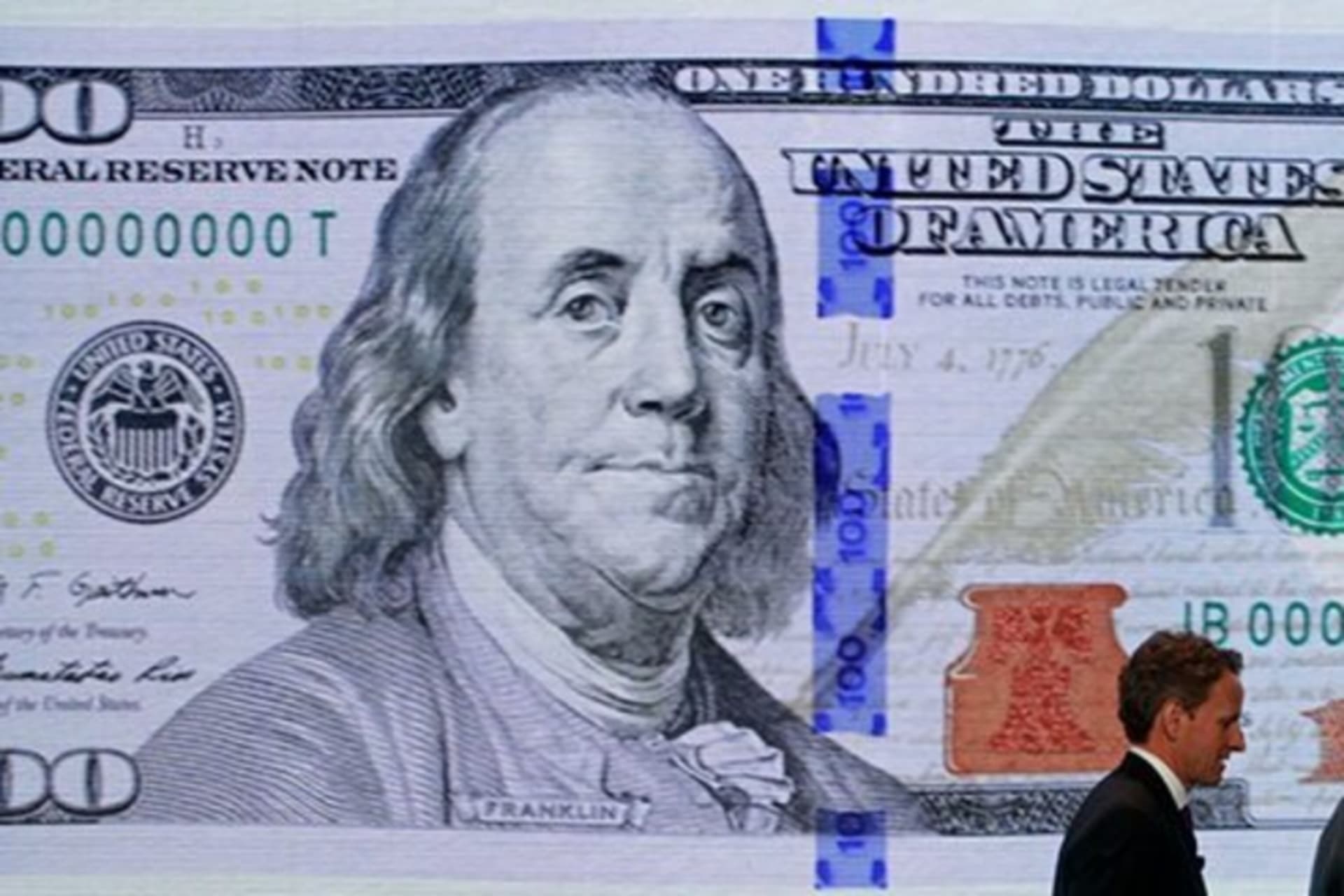
Why is the U.S. dollar the world’s most popular currency and how does it help the U.S. economy? Watch this video on the history of U.S. currency.
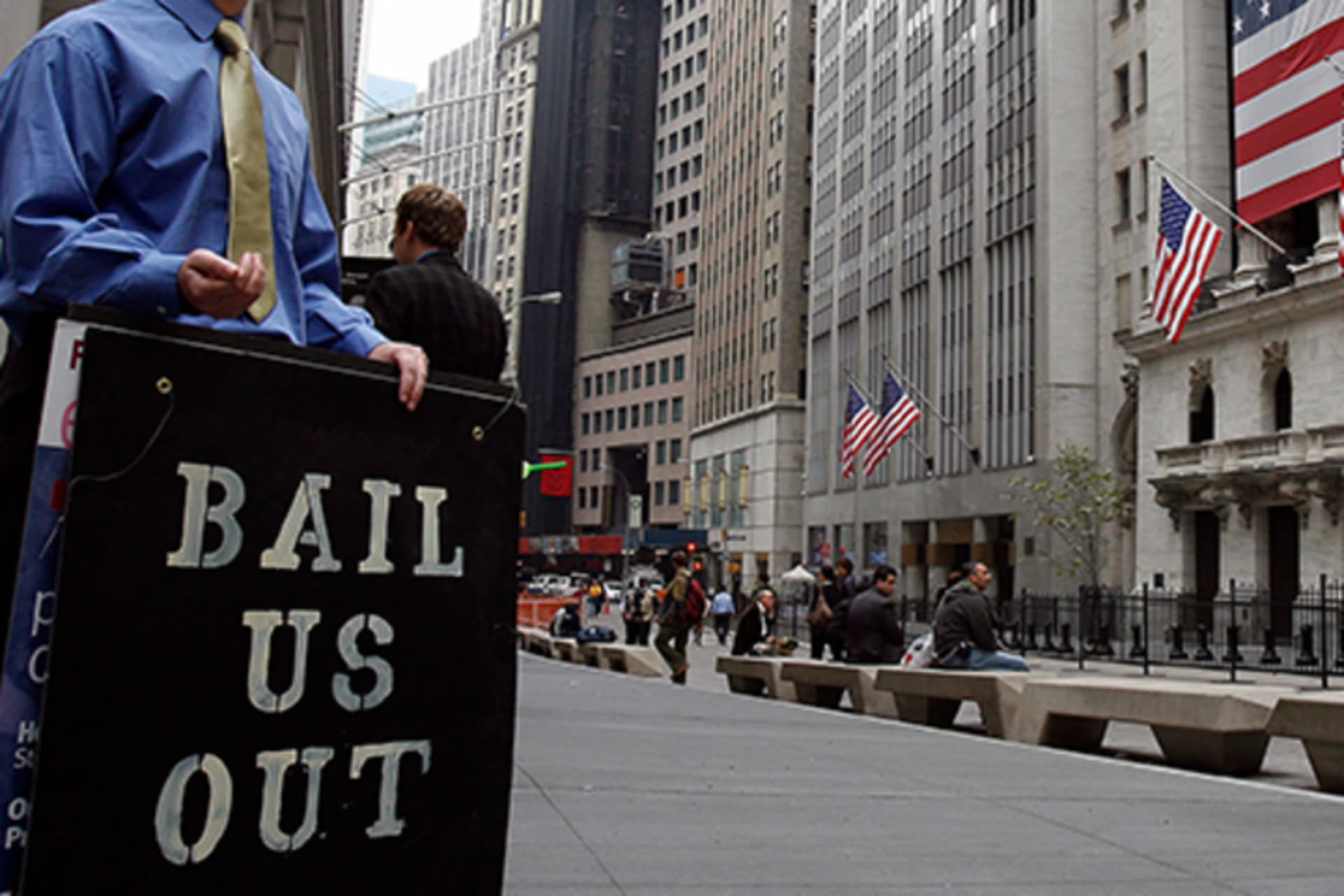
What caused the Great Recession of 2008? Learn why a financial crisis can spread around the world with our modern globalized economy.
Supply and demand influence how much a currency is worth. Learn how exchange rates affect producers and consumers.
From inflation to interest rates, understand the basics of monetary policy, currencies, and the flow of money in the global economy with this introductory video.
Explore the origins of the internet and the challenges that will define its future.
Learn about the many places information is transferred across the internet—including under the ocean, up in space, and in your pocket.
The spread of the internet has far outpaced domestic and international privacy laws, making global coordination difficult and leaving personal data vulnerable.
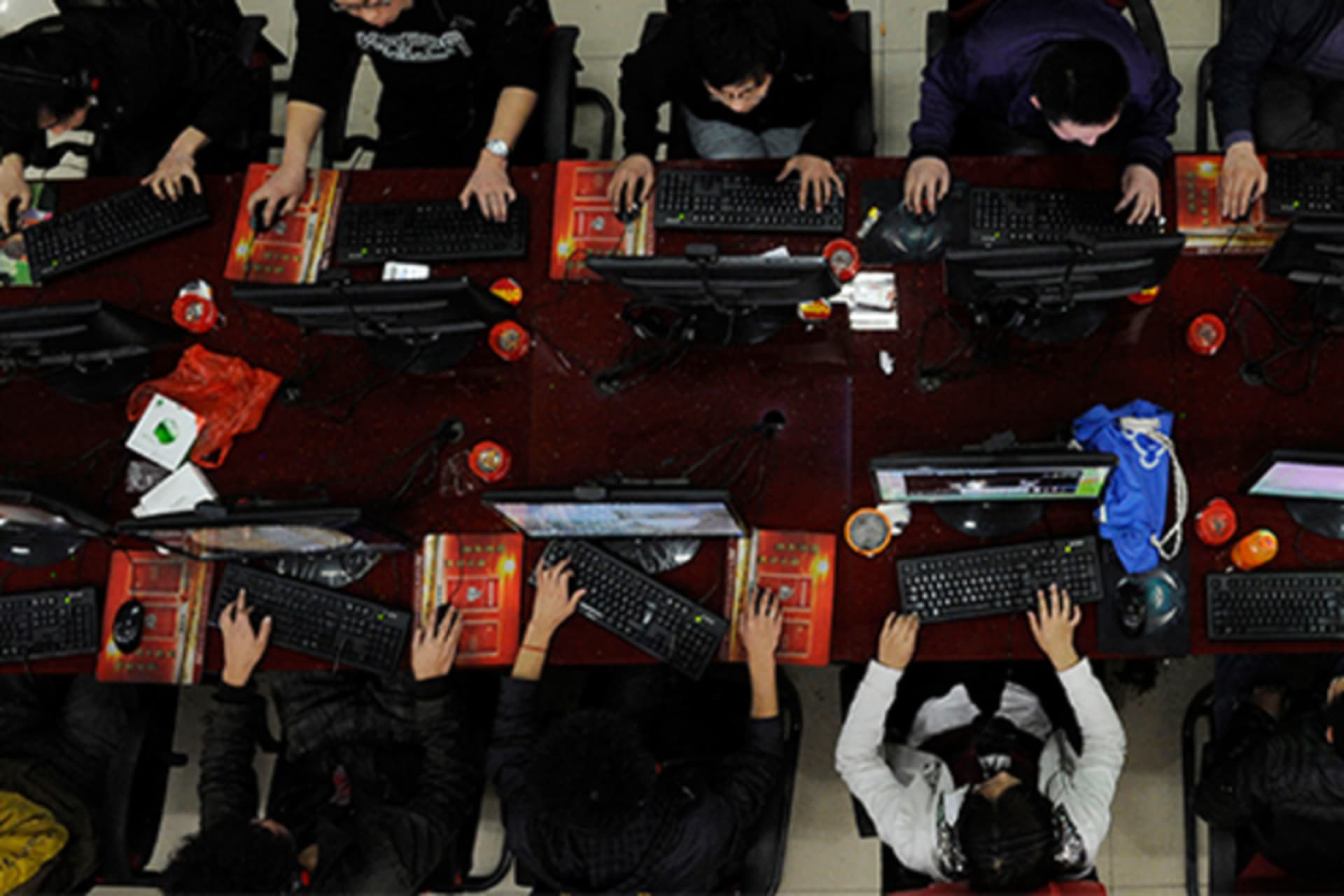
The United States supports internet freedom. China, a proponent of cyber sovereignty, disagrees.
In a world where internet access is increasing, digital divides remain.
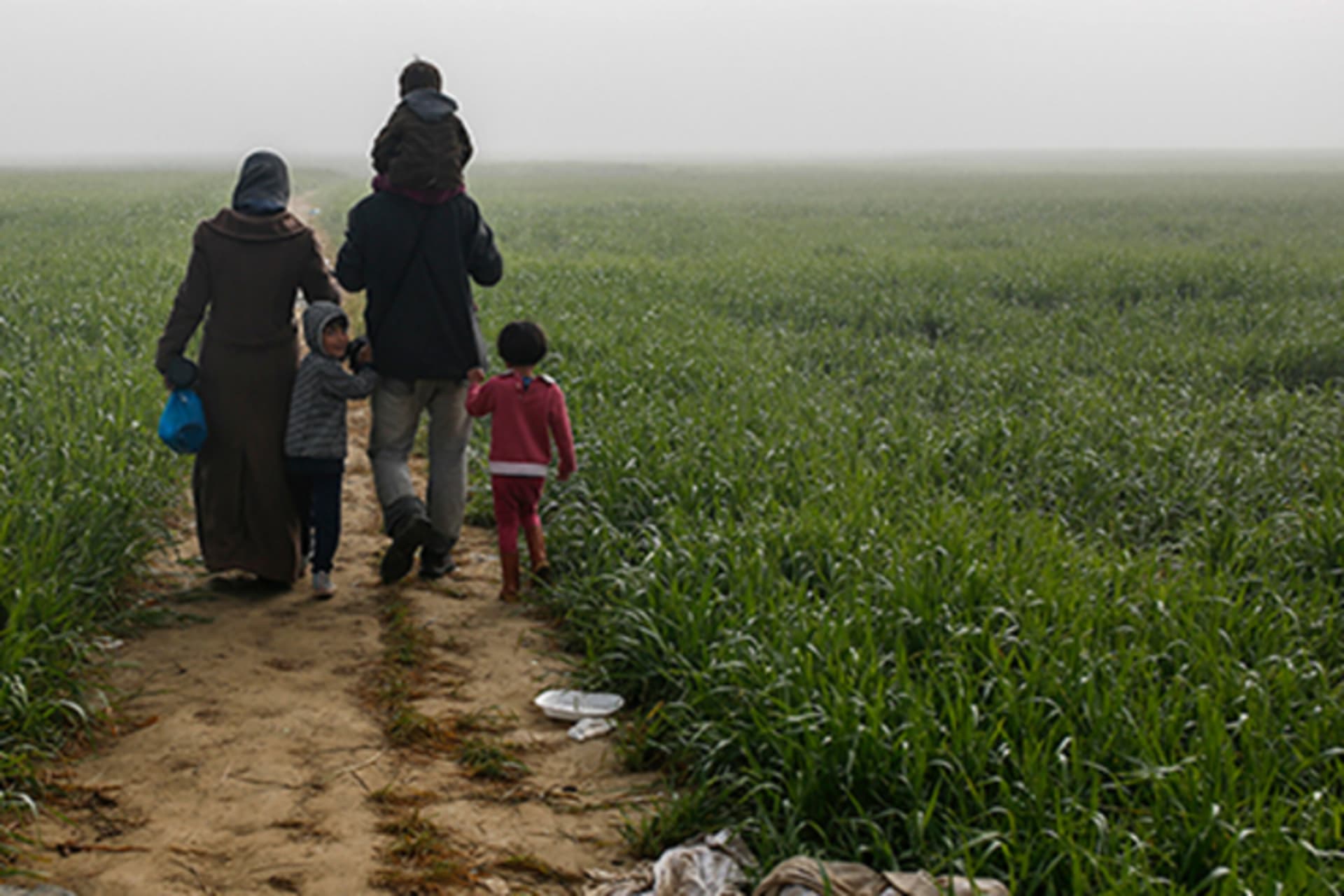
Who are IDPs and how are they different from refugees? Understand what happens to people who are forced from their homes but remain inside their own country through country case studies.
Explore how the United States has responded to migrants throughout history—from the Chinese Exclusion Act to DACA—and how immigration policy influences the society, economy, and politics of a country.
What is the difference between immigrants, refugees, and asylum seekers? Explore how contested definitions of migrants have a profound effect on the rights and protections of people leaving their homes.
Why do people migrate? Understand why migration means different things for individuals, countries, and economies in a globalized world.
Understand where migrants come from, where they go, and why migration is increasing through maps, charts, and data.
What is counterterrorism? Learn how governments try to prevent terrorist attacks in this video on terrorism.
What is the Paris Agreement? In this free resource, learn what actions countries are taking to address the global threat of climate change.
In this educational video, learn how climate change’s effects on agriculture can have serious economic consequences for the world.
Three innovations shaped how people and goods move around the world today.
In this educational video, learn why the climate is changing, how it affects us, and what we can do about it.
Hollywood’s relationship with the Chinese market—and its gatekeepers, Chinese government censors—is changing the way movies are made and promoted.
Explore how eleven countries are adapting to the effects of climate change in this free resource.
Explore examples of globalization to understand the benefits and challenges of our increasingly interconnected world in this video.
How do world leaders try to prevent nuclear war? From diplomacy to military force, learn what policy options are most effective in this video.
Follow the global supply chain across borders and into your pill bottle.
Globalization’s effects can appear where you least expect them—including on your plate.
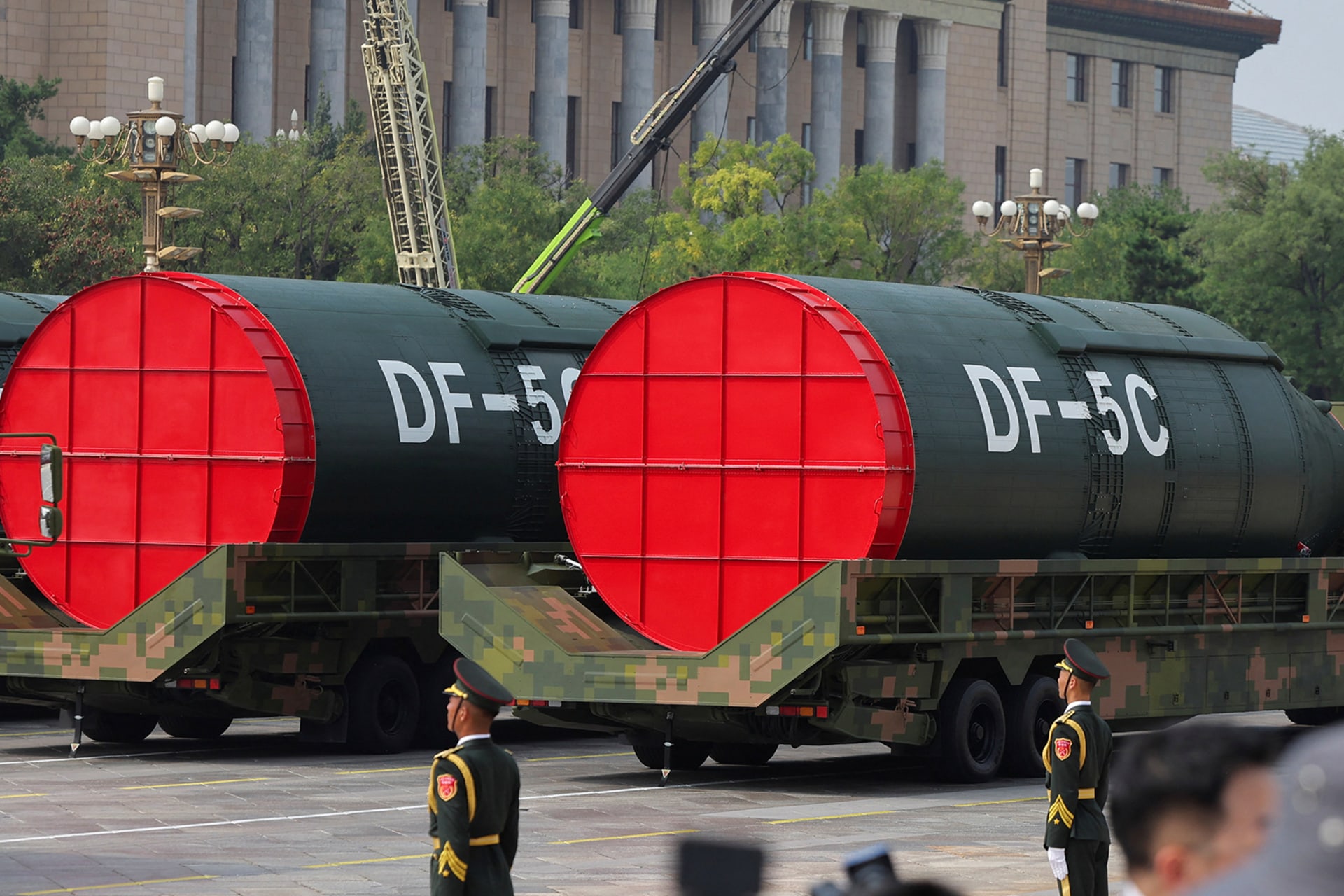
Where are the world’s nuclear weapons today and whom do they protect? Explore maps, charts, and graphs to learn about current and future nuclear weapons states.
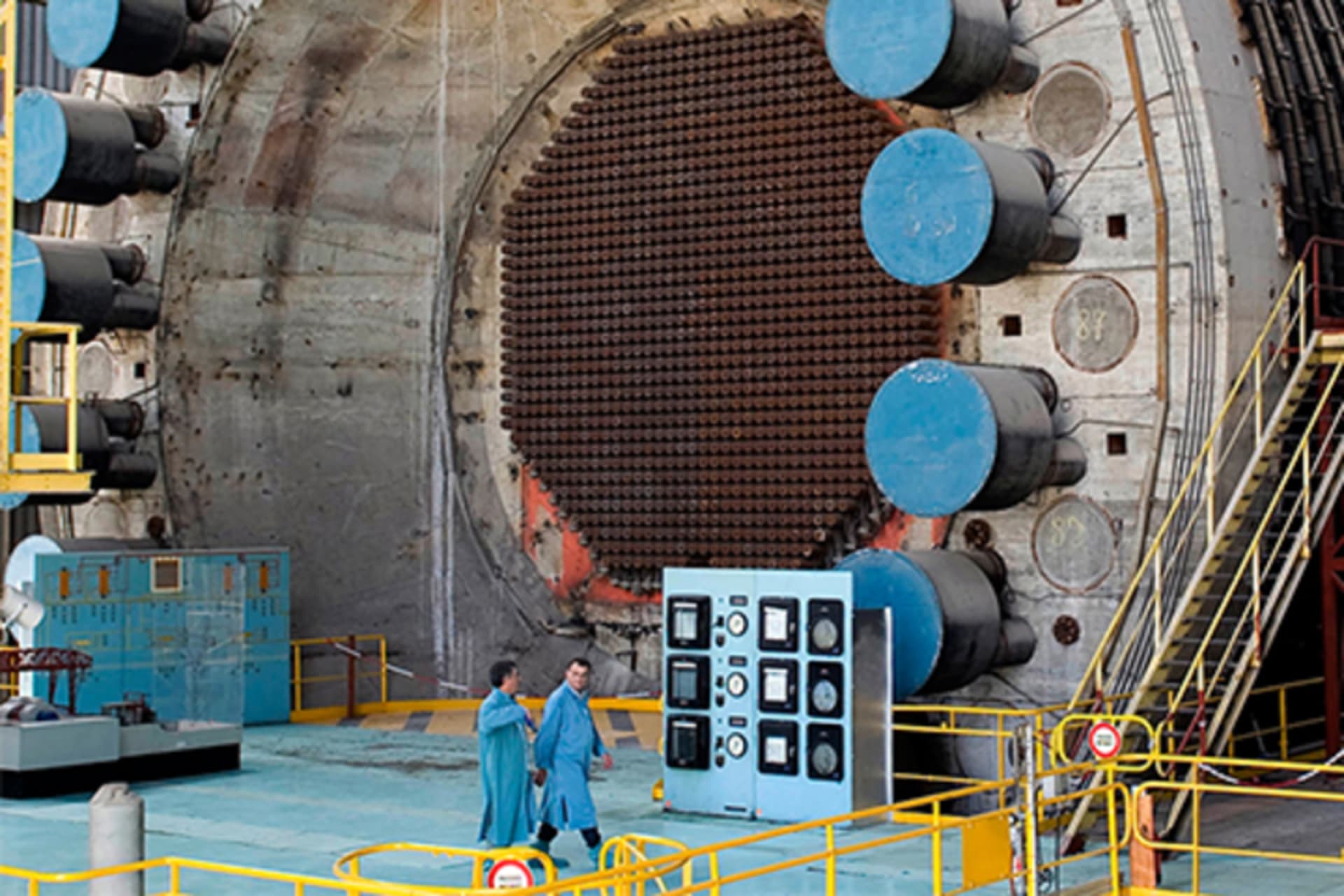
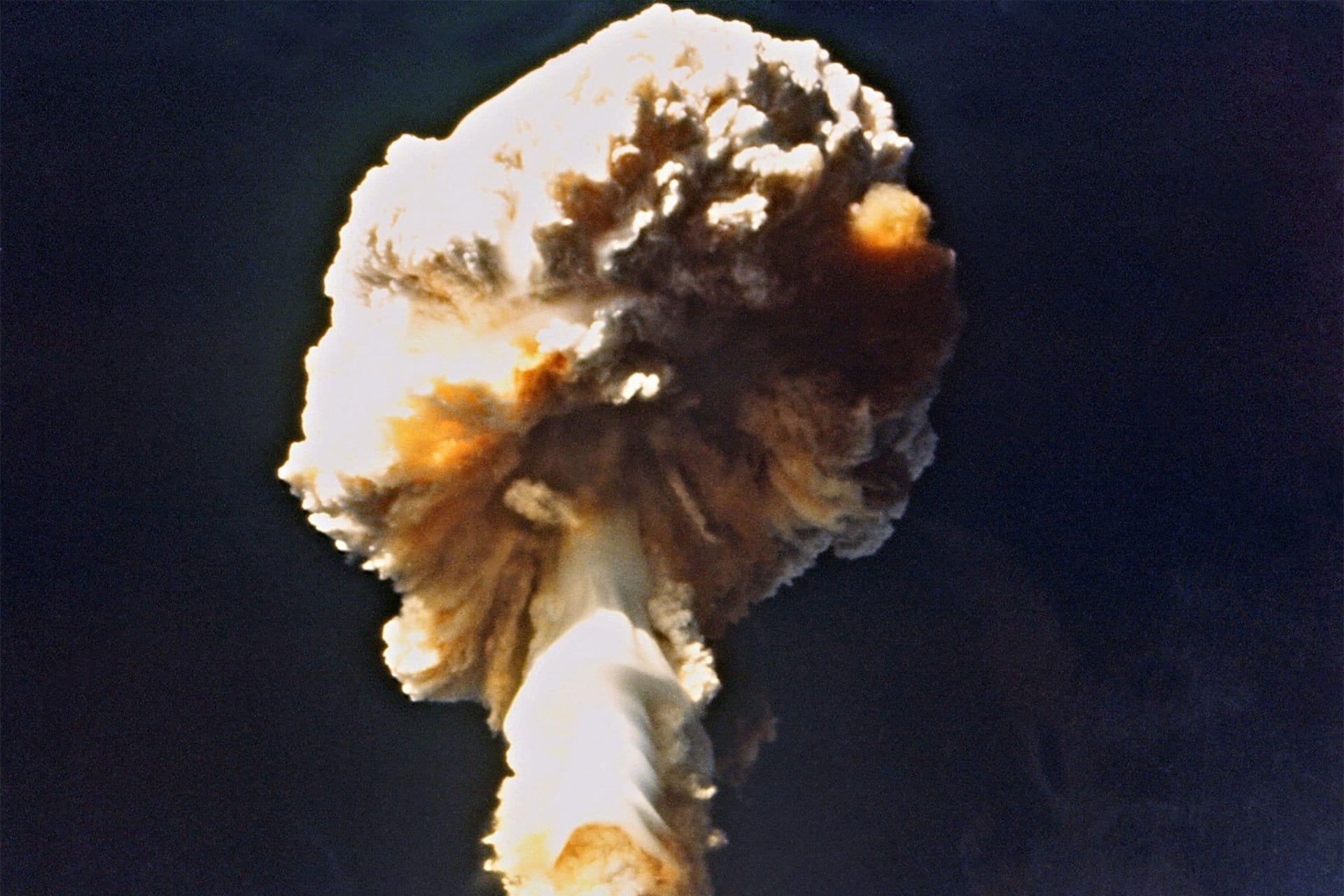
What is nuclear power and how can the same process that generates nuclear energy create a nuclear bomb?
Why did South Africa give up its nuclear weapons? In this historical case study, learn about the only country in the world to have developed and then dismantled its nuclear program.
In this video on nuclear proliferation, learn why countries develop nuclear weapons—and what is being done to prevent the spread of these weapons and the possibility of nuclear war.
What is the NPT and how has the treaty influenced the spread of nuclear weapons?
What is the 2001 AUMF and what does it have to do with 9/11? From the invasion of Afghanistan to the campaign against the self-proclaimed Islamic State, and more, learn how the United States has legally authorized its counterterrorism policy for more than two decades.
How do terrorists use the media? From Osama bin Laden to the Islamic State, learn how terrorists use internet and media coverage to shape their goals.
Learn how terrorists have sought to achieve their goals all over the world with this video on terrorism.
Explore terrorism trends through five data charts that help show the threat of terrorism around the world and how it has changed over time.