Region

Middle East and North Africa

The Middle East has experienced a surge in violence since Hamas’s October 7, 2023, attack on Israel and the resulting war in Gaza. Iran moved to widen the conflict by mobilizing its Axis of Resistance, a network of armed groups that includes Hezbollah in Lebanon, Hamas and Palestinian Islamic Jihad in the Palestinian territories, the Houthis in Yemen, and militias in Iraq and Syria. Iran’s direct missile strikes on Israel in 2024 transformed the conflict from proxy-driven to direct state-on-state confrontation, and the United States and Israel struck Iran in a twelve-day war in June 2025. The United States and Israel resumed the war in February 2026, and the parties have not reached a lasting settlement. Fighting has spread across multiple fronts, drawing Lebanon more deeply into the conflict, destabilizing Iraq and Syria, and disrupting international shipping in the Strait of Hormuz and the Red Sea.

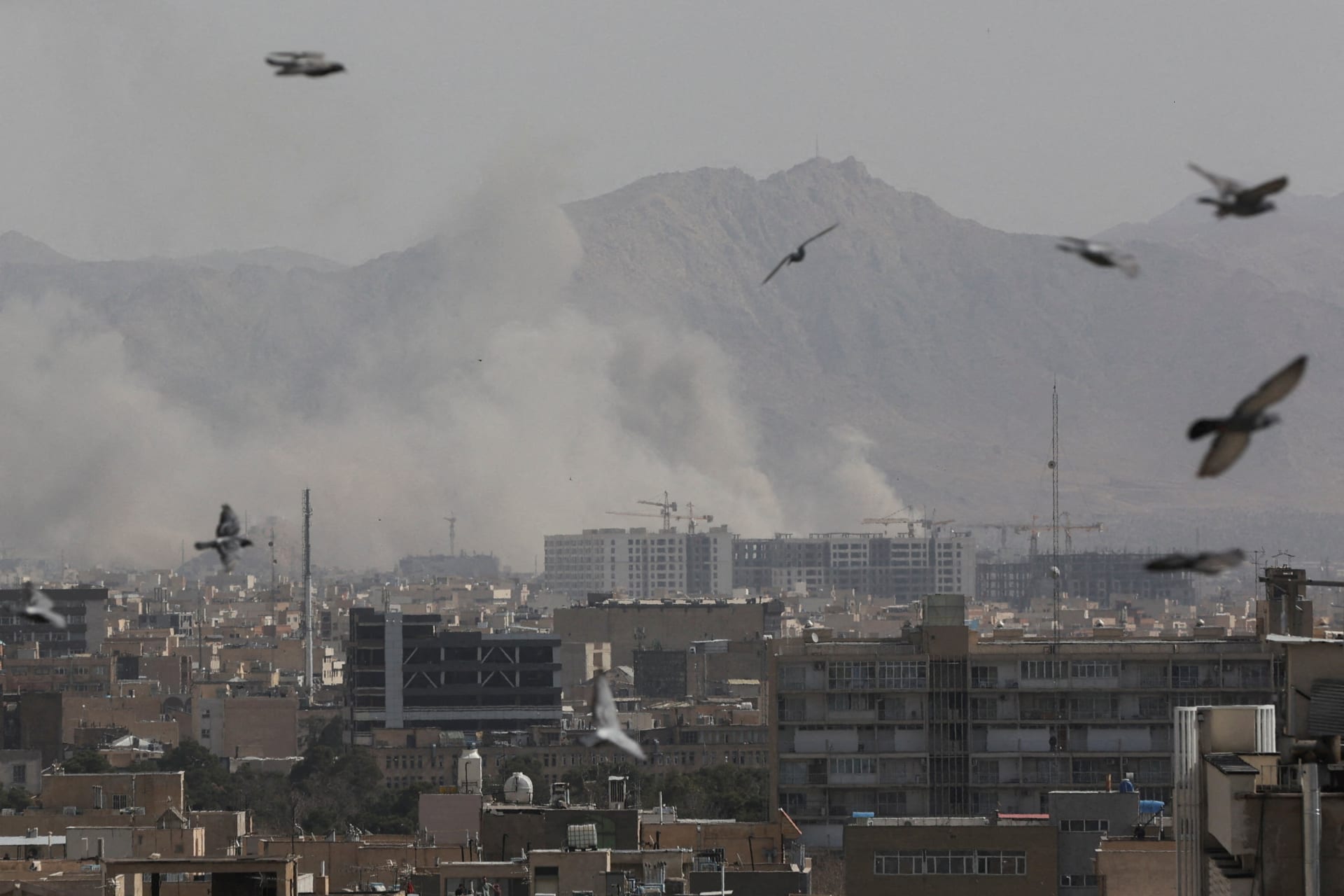
Smoke rises from an urban area as birds fly in the sky

Iran’s War With Israel and the United States

Type
Interstate War
Impact on U.S.
Critical
Status
Worsening

In February 2026, the United States and Israel attacked Iran, killing Supreme Leader Ali Khamenei and targeting nuclear and military infrastructure. A Pakistan-mediated ceasefire and June MOU halted large-scale fighting, but both sides have since traded strikes over alleged violations. A durable settlement remains elusive, with core disputes over Iran’s nuclear program, the Strait of Hormuz, and sanctions relief unresolved.
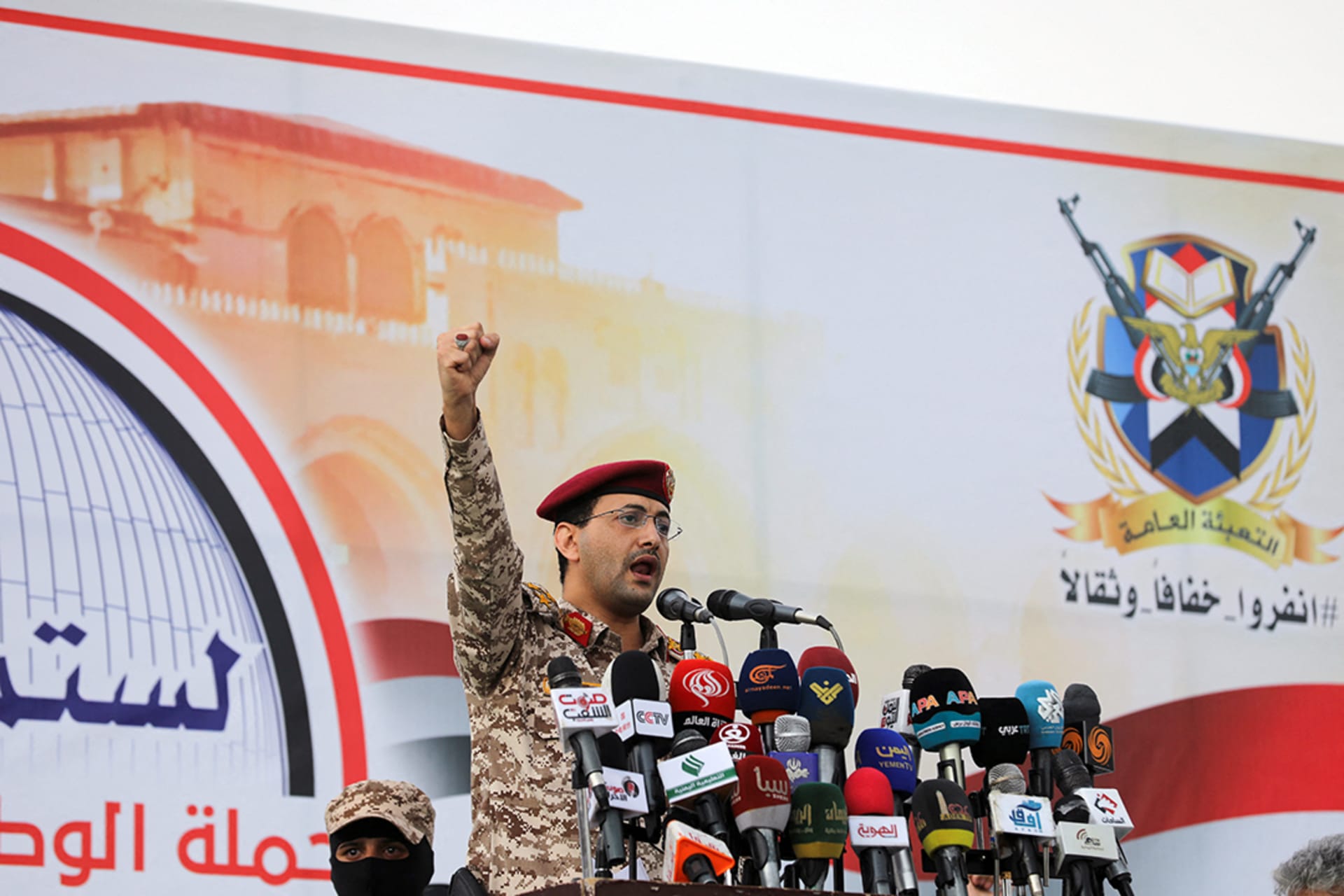
A man wearing military fatigues and a red beret pumps his first in the air while standing at a podium.

Conflict in Yemen and the Red Sea

Type
Civil WarTerrorism
Impact on U.S.
Significant
Status
Worsening

Since 2014, Houthi rebels have fought a Saudi-led coalition backing Yemen’s internationally recognized government, a conflict that quieted under a UN-brokered ceasefire in 2022. The Iran-backed group subsequently launched attacks on Red Sea shipping in protest of Israel’s military campaign in Gaza, drawing U.S. military retaliation and deepening Yemen’s entanglement in regional conflict. Houthi strikes on Saudi Arabia’s Abha Airport in July 2026 now threaten to reignite the civil war.

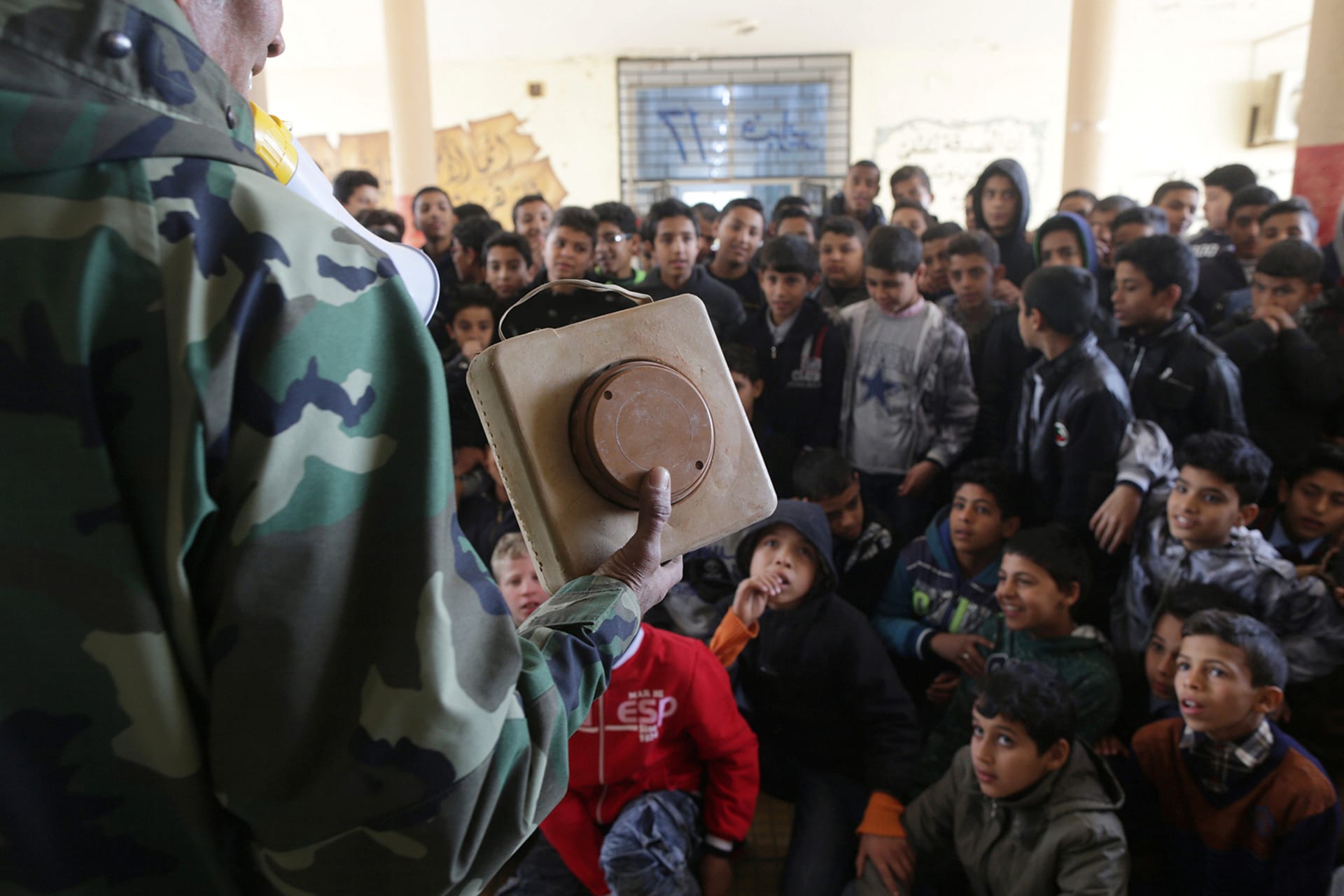
A member of the self-styled Libyan National Army gives a class aimed at raising awareness about mines and explosives to schoolboys in Benghazi, Libya on March 12, 2017

Instability in Libya

Type
Political Instability
Impact on U.S.
Limited
Status
Unchanging

Since the fall of Muammar al-Qaddafi in 2011, Libya has been divided between rival governments and armed factions competing for control of its oil wealth. A 2020 ceasefire ended large-scale fighting, but elections remain indefinitely postponed as the UN-recognized Government of National Unity in Tripoli and the eastern Libyan National Army under Khalifa Haftar cannot agree on terms for a unified government—a deadlock the United States is now attempting to break by linking oil investment to a power-sharing deal.

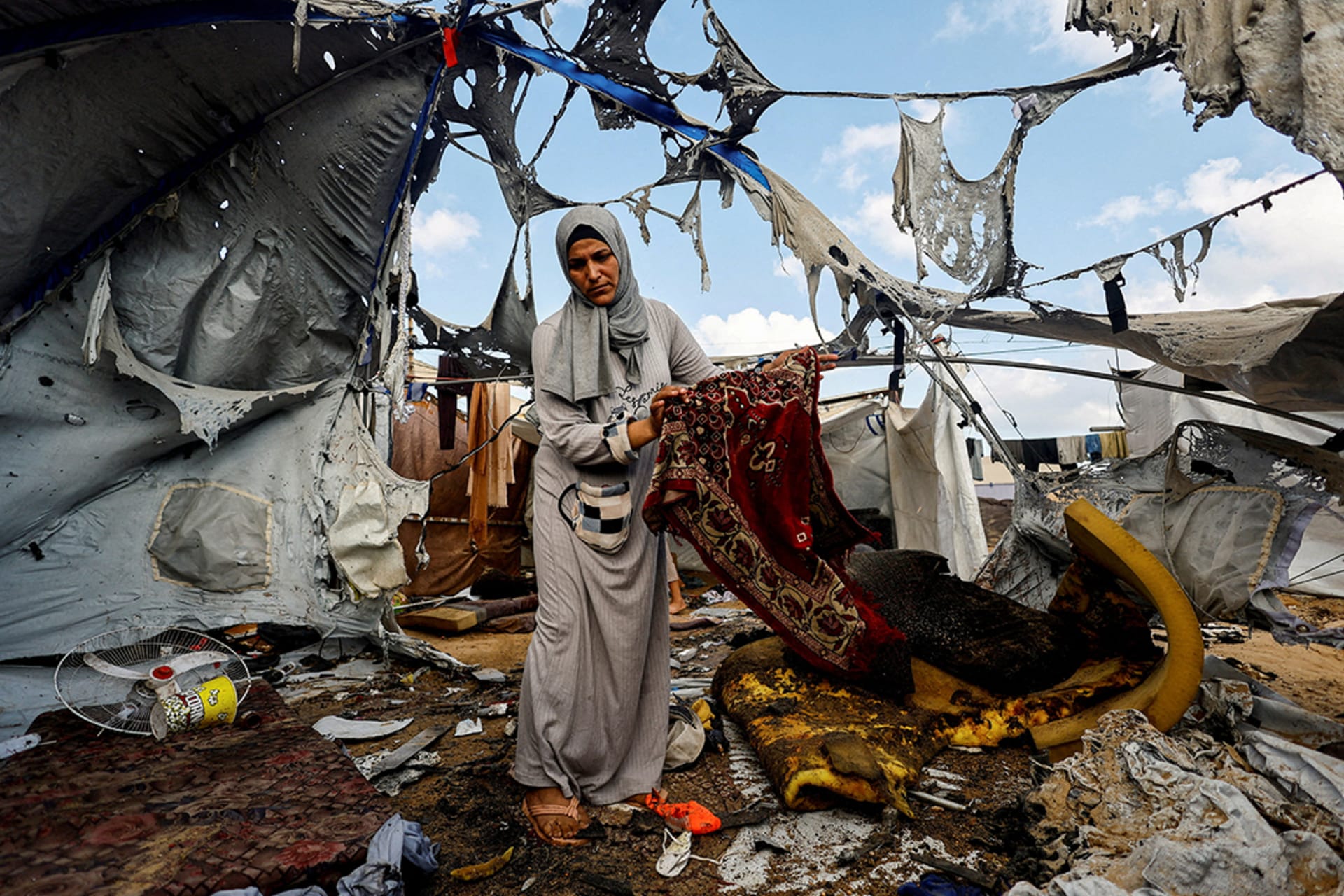
A woman stands amid the wreckage of a tent holding a prayer mat.

Israeli-Palestinian Conflict

Type
Territorial DisputeTerrorism
Impact on U.S.
Significant
Status
Unchanging

Hamas’s October 7, 2023, assault on Israel—killing over 1,200 people and taking 251 hostages—triggered an Israeli military campaign that killed over 70,000 Palestinian civilians and fighters and displaced nearly the entire population of Gaza. An October 2025 ceasefire secured the release of all remaining hostages and established a technocratic Palestinian governing committee. Hamas has dissolved its Gaza government but refused to disarm, citing ongoing Israeli strikes.

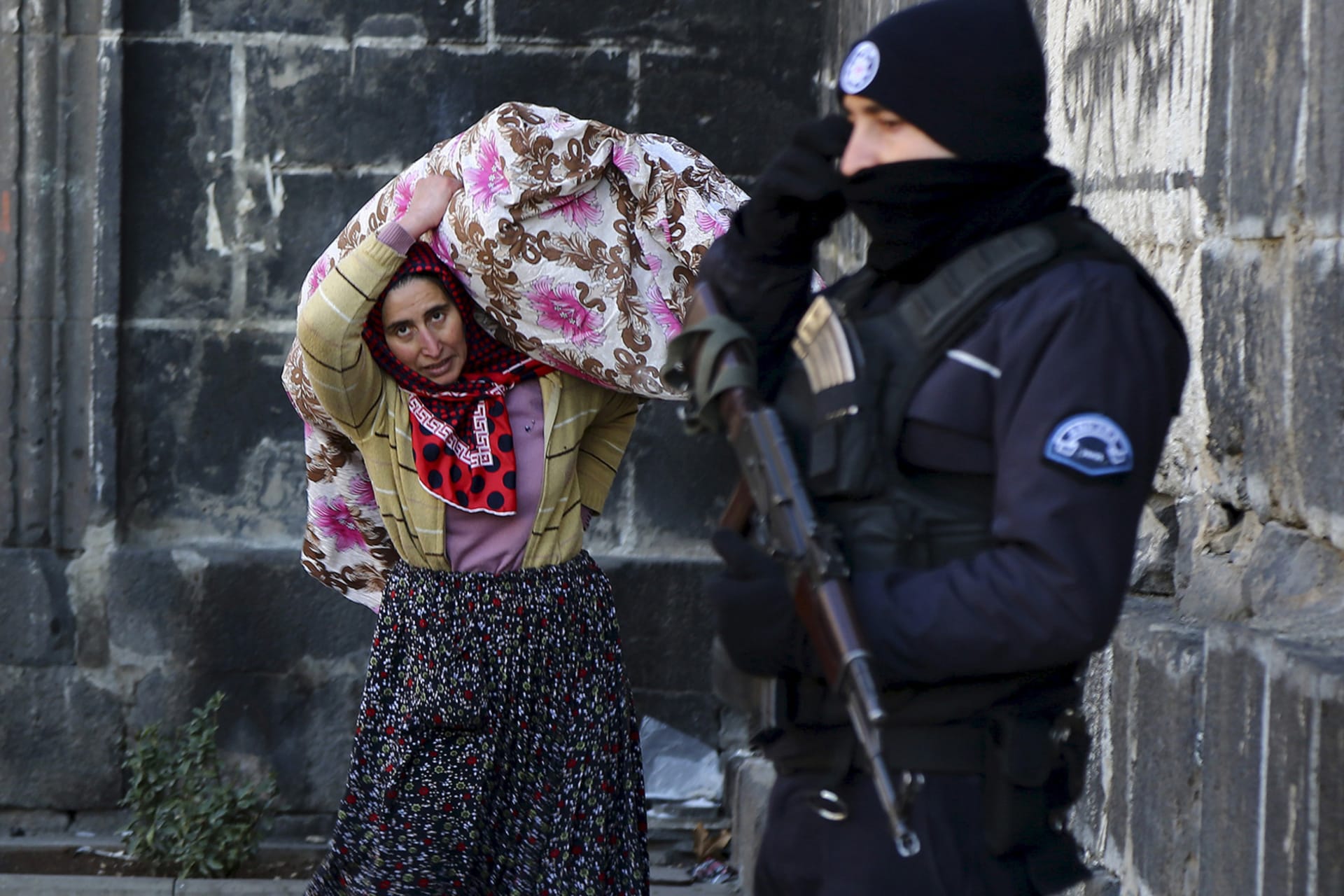
A resident carries her belongings past a police officer as she flees from Sur district, which is partially under curfew, in the Kurdish-dominated southeastern city of Diyarbakir, Turkey on January 27, 2016.

Conflict Between Turkey and Armed Kurdish Groups

Type
Territorial Dispute
Impact on U.S.
Limited
Status
Improving

In 2025, the Kurdistan Workers’ Party (PKK) announced its intention to disarm and dissolve, potentially ending its four-decade-long insurgency against the Turkish state that is estimated to have killed forty thousand people. The peace process has since entered a period of stagnation, with the PKK carrying out a symbolic weapons handover in Iraq, but Kurdish parties accuse Ankara of failing to follow through on promised political and legal reforms.

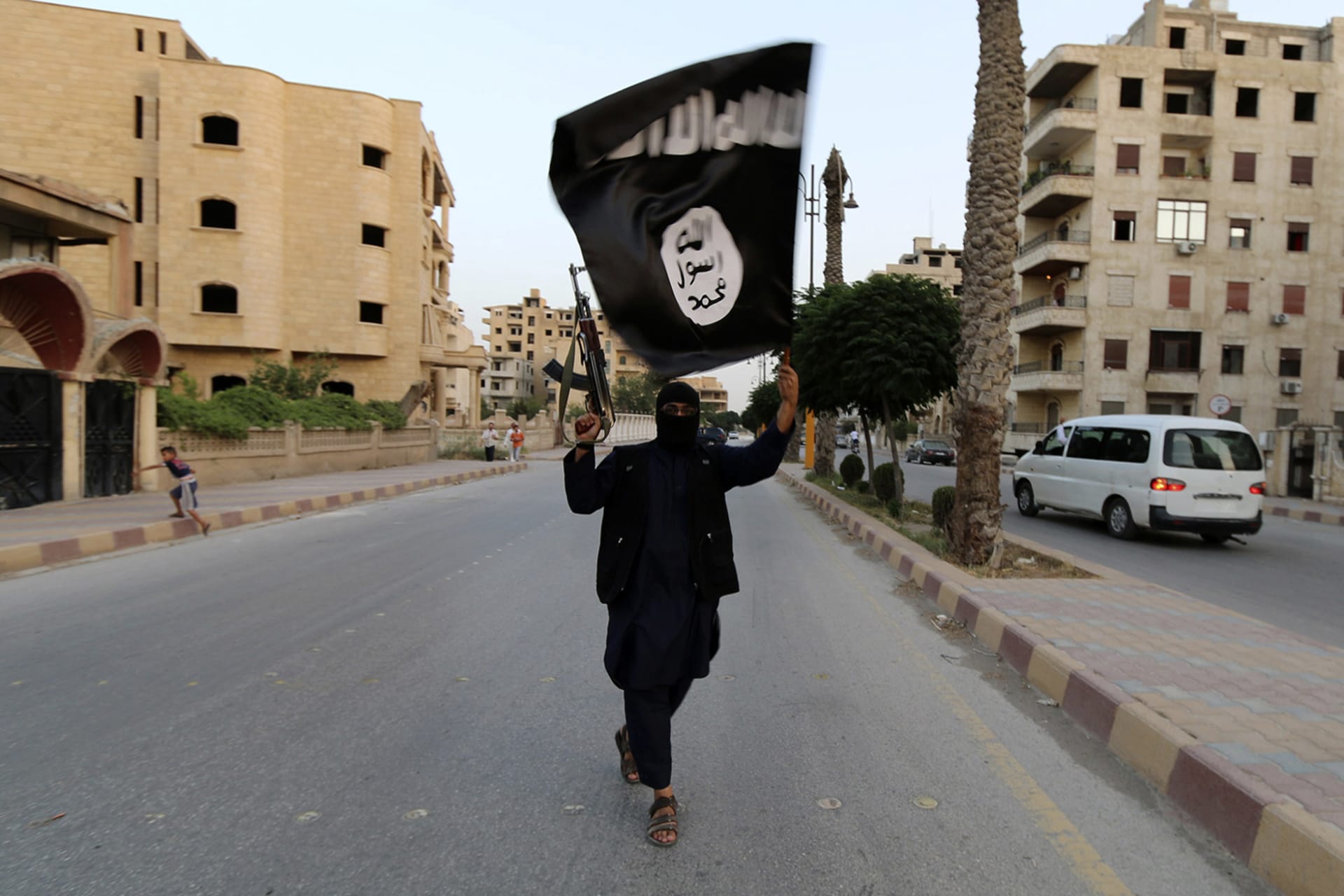
A member loyal to the Islamic State waves an Islamic State flag in Raqqa on June 29, 2014.

Instability in Iraq

Type
Political InstabilityTerrorism
Impact on U.S.
Limited
Status
Unchanging

More than a decade after the self-proclaimed Islamic State’s territorial defeat, Iraq continues to face IS sleeper cell attacks, and over one million Iraqis remain displaced. New Prime Minister Ali al-Zaidi faces a September 2026 deadline to disarm pro-Iran militias and convince Washington that Iraq is not beholden to Tehran, a challenge complicated by ongoing U.S. and Israeli airstrikes on Iranian-backed factions.

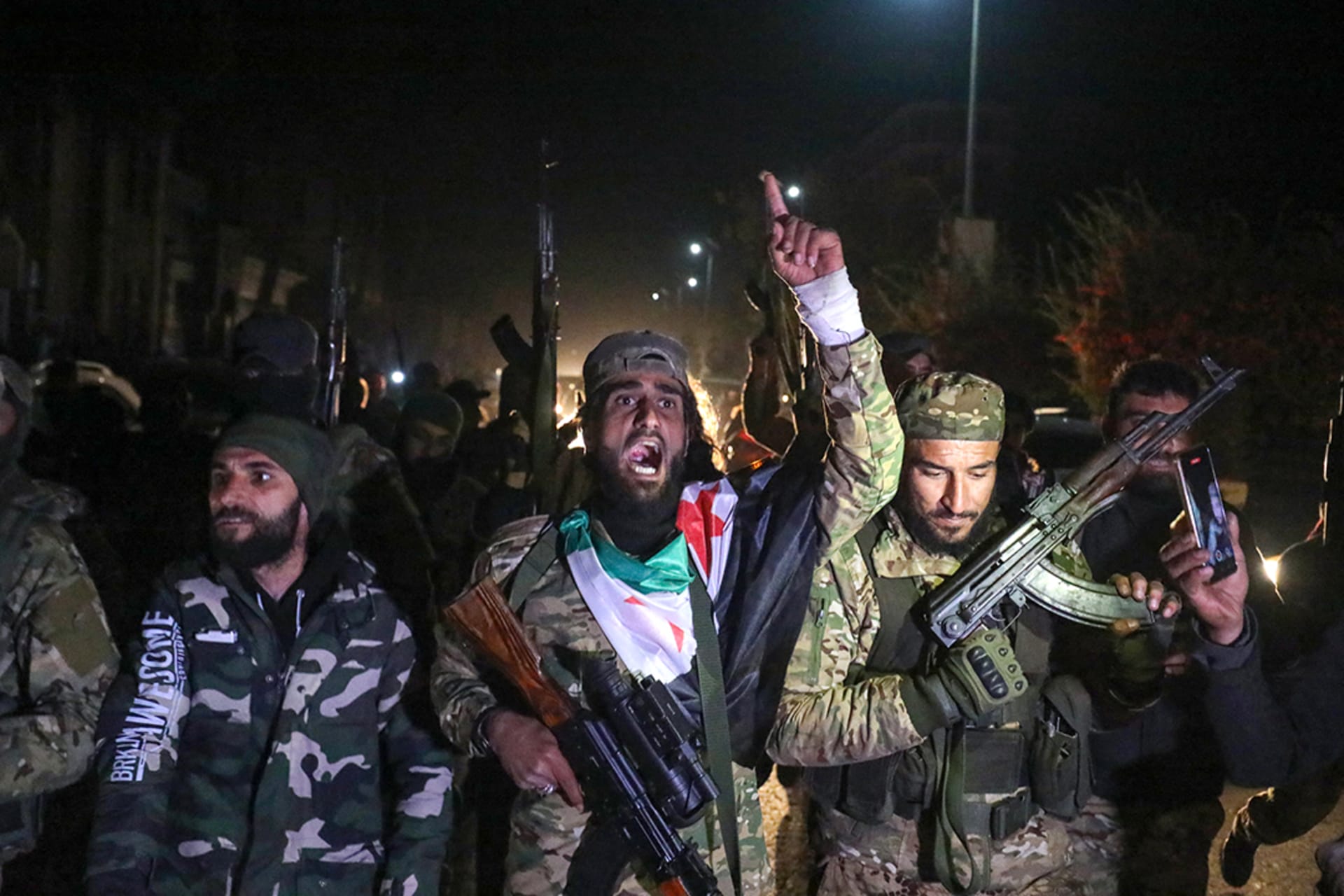
A soldier waves his fist in the air surrounded by people

Conflict in Syria

Type
Political Instability
Impact on U.S.
Limited
Status
Unchanging

Since the ouster of the Bashar al-Assad regime in December 2024, Syria has entered a fragile transition under Ahmed al-Sharaa, the leader of Hayat Tahrir al Sham (HTS), a group that the United States had designated as a terrorist organization until July 2025. With a five-year transitional period underway, the path to a stable Syrian state depends on unresolved questions of minority rights, Kurdish military integration, constitutional reform, and a security arrangement with Israel.

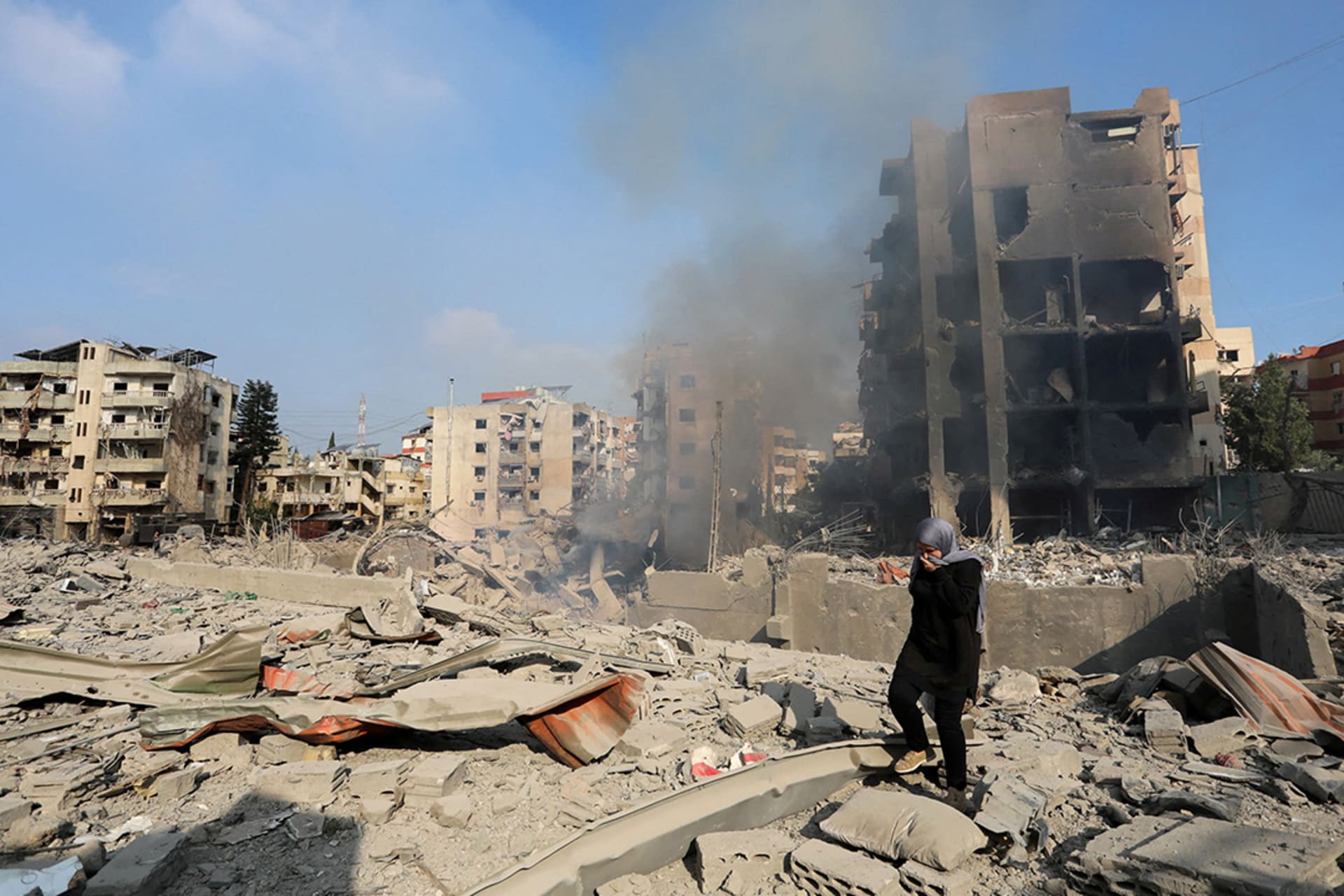
A woman wearing blacks walks on the rubble of bombed buildings while smoke rises.

Conflict With Hezbollah in Lebanon

Type
Interstate WarTerrorism
Impact on U.S.
Significant
Status
Unchanging

Since October 2023, Hezbollah rocket attacks have displaced roughly 96,000 Israelis from northern Israel, triggering cross-border exchanges and a full Israeli ground invasion in March 2026. The offensive left Israel controlling roughly 20 percent of Lebanese territory and over one million Lebanese displaced. In June, a U.S.-brokered framework conditioned any Israeli withdrawal on Hezbollah’s disarmament—a condition the group has rejected, leaving Israeli forces entrenched in southern Lebanon.