Region

Sub-Saharan Africa

Across sub-Saharan Africa, outside powers competing for influence increasingly shape jihadist insurgencies, civil wars, and ethnic conflicts in fragile states. In the Sahel, military juntas have expelled Western security partners and invited Russian private military contractors, undermining counterterrorism cooperation even as a jihadist insurgency continues to expand. In the Horn of Africa, Sudan’s civil war between the Sudanese Armed Forces and the Rapid Support Forces, each backed by competing regional and Gulf powers, has produced one of the world’s largest displacement crises, while Ethiopia navigates its own internal tensions and Somalia remains locked in a prolonged struggle against al-Shabaab. Further south, the resurgence of the Rwanda-backed March 23 Movement rebellion in eastern Democratic Republic of Congo has deepened humanitarian suffering and strained regional relations, driven in part by external competition over the country’s vast mineral wealth.
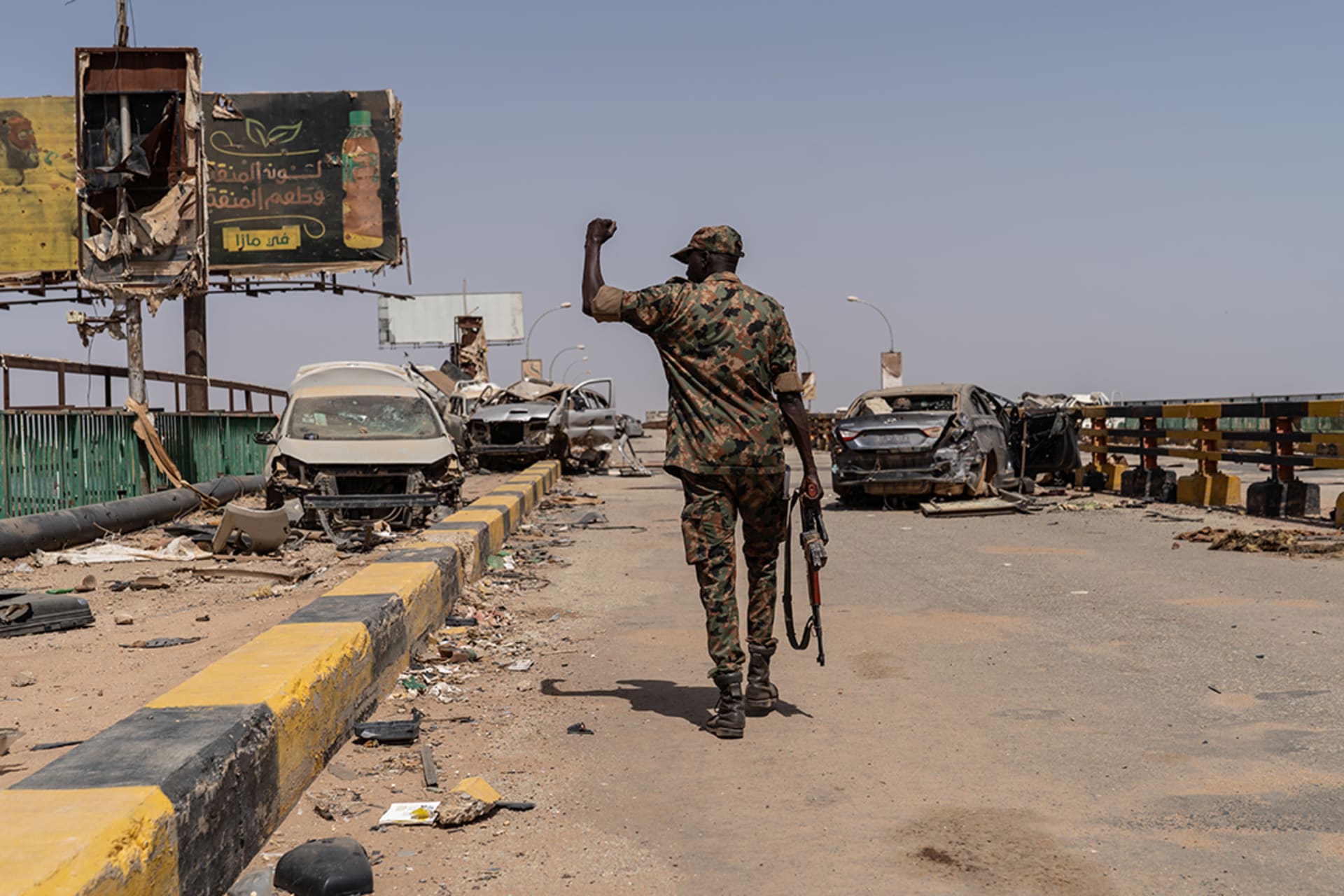
A soldier faces away from the camera while walking on a bridge holding his hand up in a fist.

Civil War in Sudan

Type
Civil War
Impact on U.S.
Limited
Status
Worsening

What began in April 2023 as a power struggle between the Sudanese Armed Forces (SAF) and the paramilitary Rapid Support Forces (RSF) has become the world’s worst humanitarian disaster. The SAF has recaptured Khartoum, but the RSF controls much of Darfur—where attacks on non-Arab ethnic groups have drawn genocide accusations—and has besieged El-Obeid, whose fall would open a direct corridor to the capital.

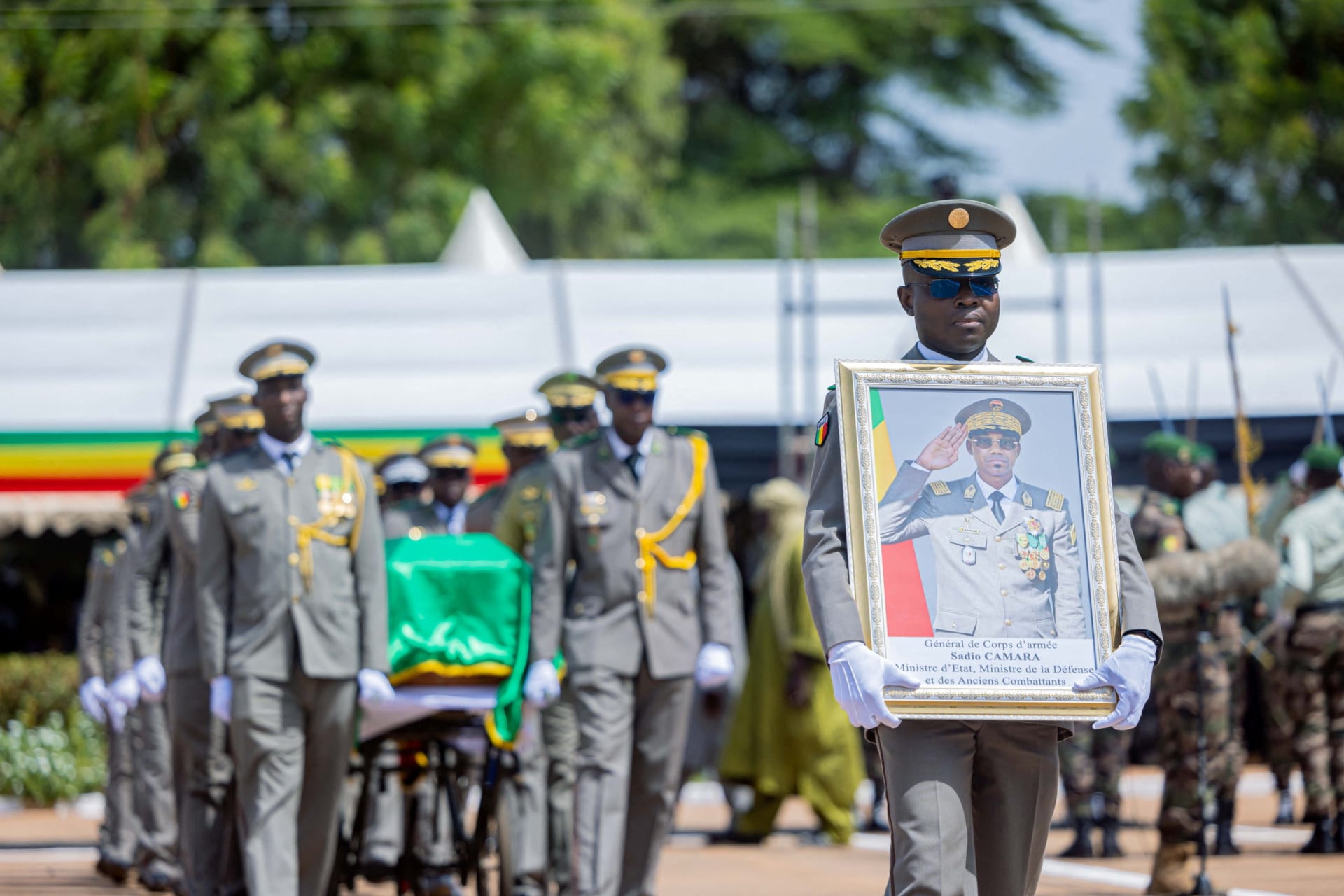
Men in military uniforms march carrying a coffin while another man in a uniform holds a framed photo.

Violent Extremism in the Sahel

Type
Political InstabilityTerrorism
Impact on U.S.
Limited
Status
Worsening

Weak governance, poverty, and climate stress have allowed jihadist groups to establish a foothold across the Sahel, with the Liptako-Gourma borderlands of Burkina Faso, Mali, and Niger now accounting for over half of global terrorism-related deaths. Military coups have severed Western security partnerships and invited Russian forces, whose retreat from northern Mali following jihadist and Tuareg attacks in 2026 has left governments exposed to an insurgency pushing southward into coastal West Africa.

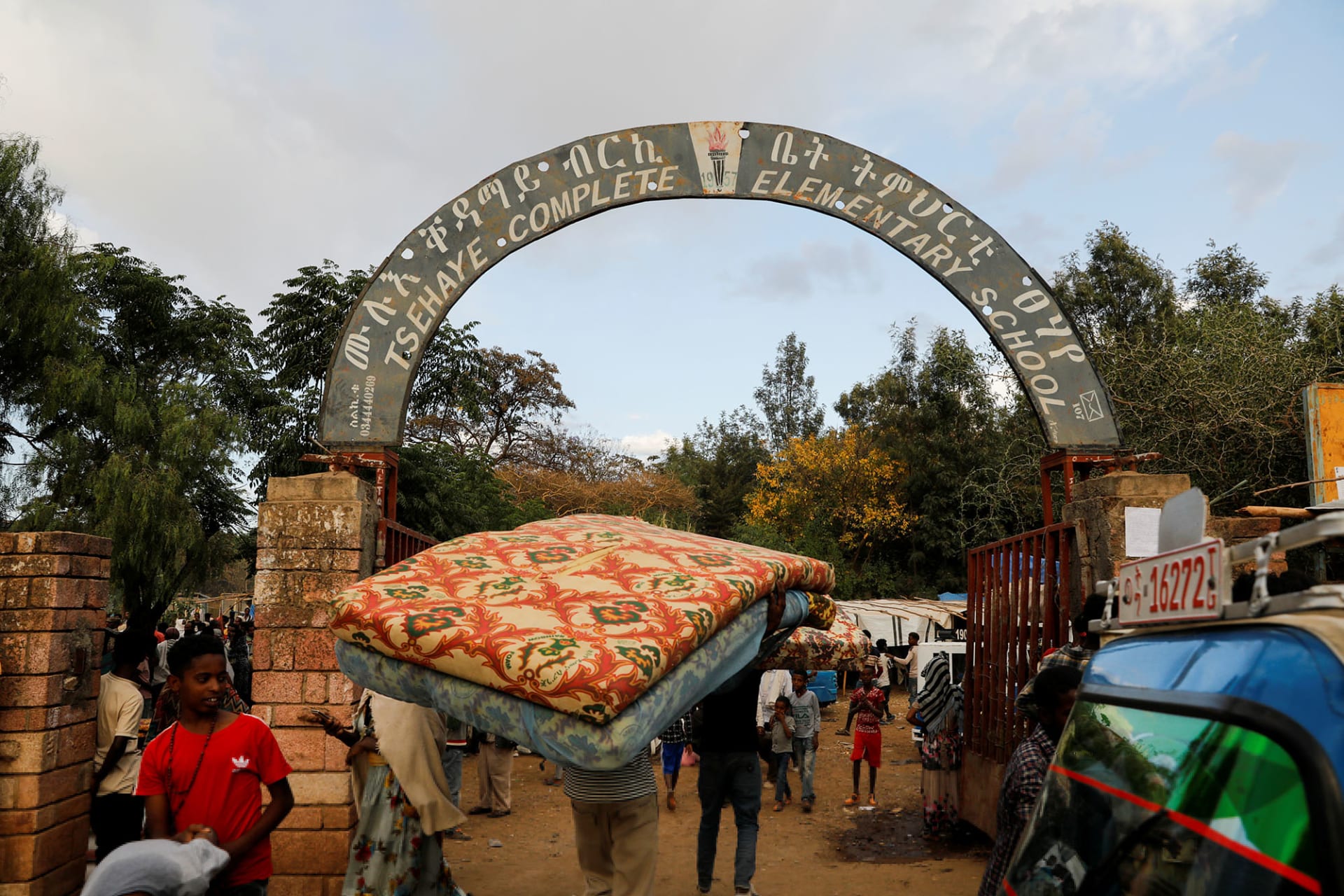
A man carries a mattress into the Tsehaye primary school, which was turned into a temporary shelter for people displaced by conflict, in the town of Shire, Tigray region, Ethiopia on March 15, 2021.

Conflict in Ethiopia

Type
Political Instability
Impact on U.S.
Limited
Status
Worsening

A power struggle between the Tigray People's Liberation Front (TPLF) and Ethiopia's federally appointed Tigray Interim Administration has reignited conflict in the north, with the TPLF seizing key areas and displacing thousands. Prime Minister Abiy Ahmed, consolidating power after June 2026 elections, faces simultaneous insurgencies in Amhara and Oromia. Eritrea's backing of dissident factions and a military buildup along the shared border raise the prospect of interstate war with consequences for the wider Horn of Africa.

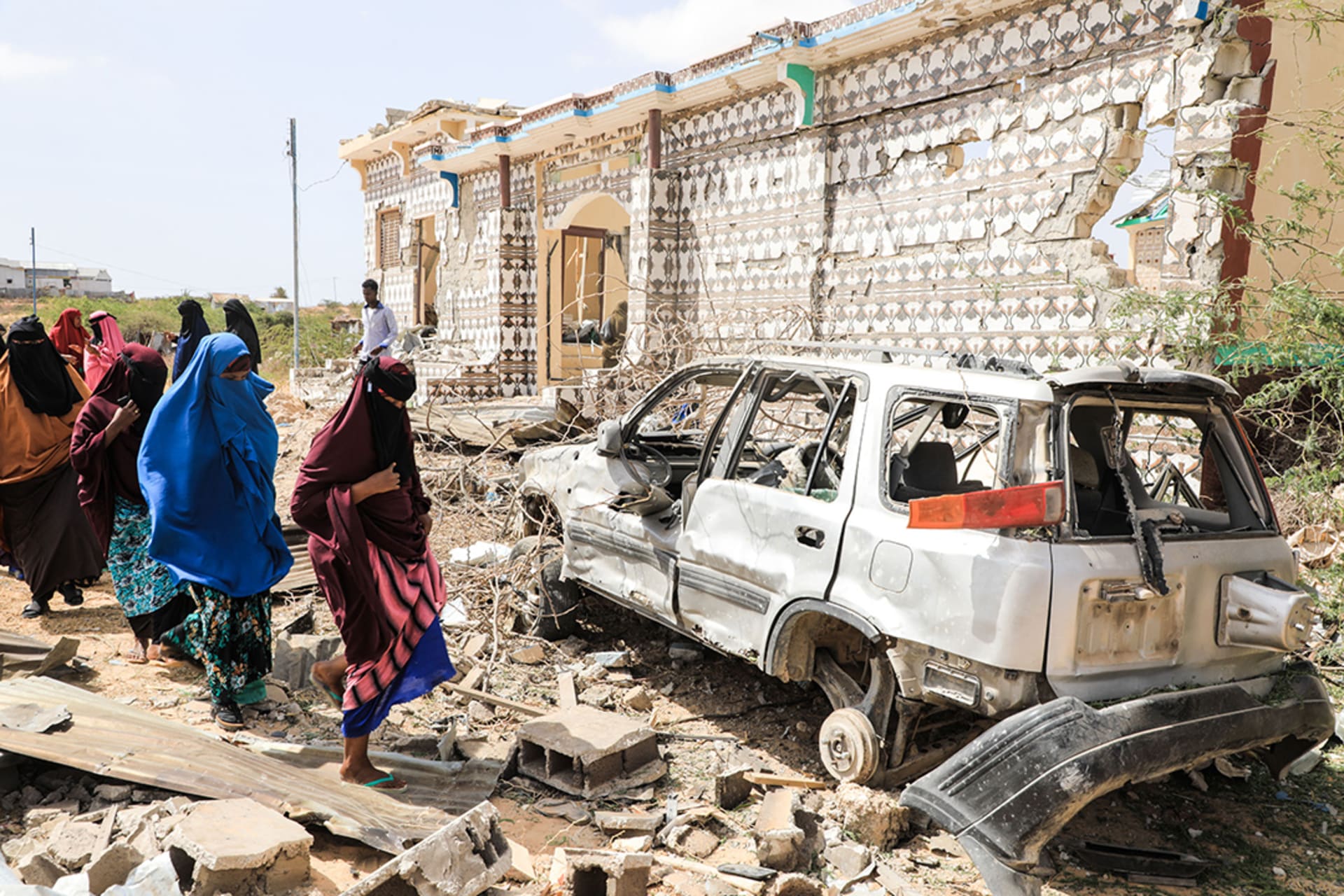
Women walk through the rubble of a car bombing next to a building.

Conflict With Al-Shabaab in Somalia

Type
Political InstabilityTerrorism
Impact on U.S.
Limited
Status
Unchanging

Al-Shabaab has endured as one of al-Qaeda’s most resilient affiliates by exploiting gaps in state authority, clan divisions, and humanitarian crises across Somalia. A 2022 government offensive made early gains but has stalled, with the group deepening ties with Yemen’s Houthis and adapting through guerrilla tactics and counterattacks. The African Union Support and Stabilization Mission is at risk of collapse after the United States announced it would end logistical support beyond December 2026.

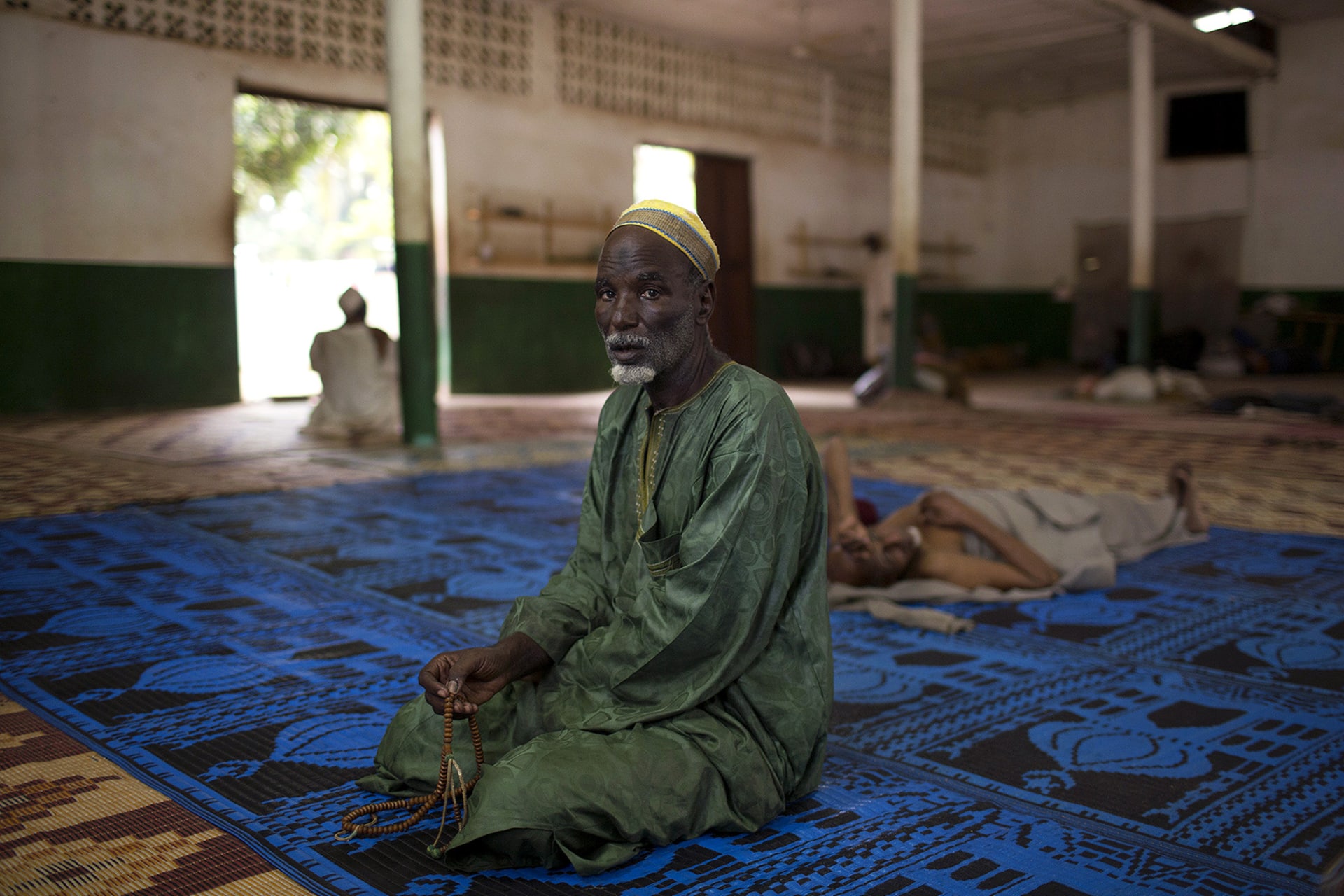
A man prays in a mosque near Kilometer 12 (PK12) where internally displaced Muslims are stranded due to ongoing sectarian violence in the capital of Bangui, Central African Republic on March 19, 2014.

Conflict in the Central African Republic

Type
Political Instability
Impact on U.S.
Limited
Status
Unchanging

Armed conflict between Muslim Séléka factions and Christian militias has destabilized the Central African Republic (CAR) since 2013, leaving much of the country outside government control. Russia’s Africa Corps has since propped up President Touadéra’s government in exchange for mineral concessions, deepening CAR’s dependence on Moscow as Western partners have distanced themselves. The UN peacekeeping mission has begun withdrawing from some bases, though armed groups still hold substantial territory.

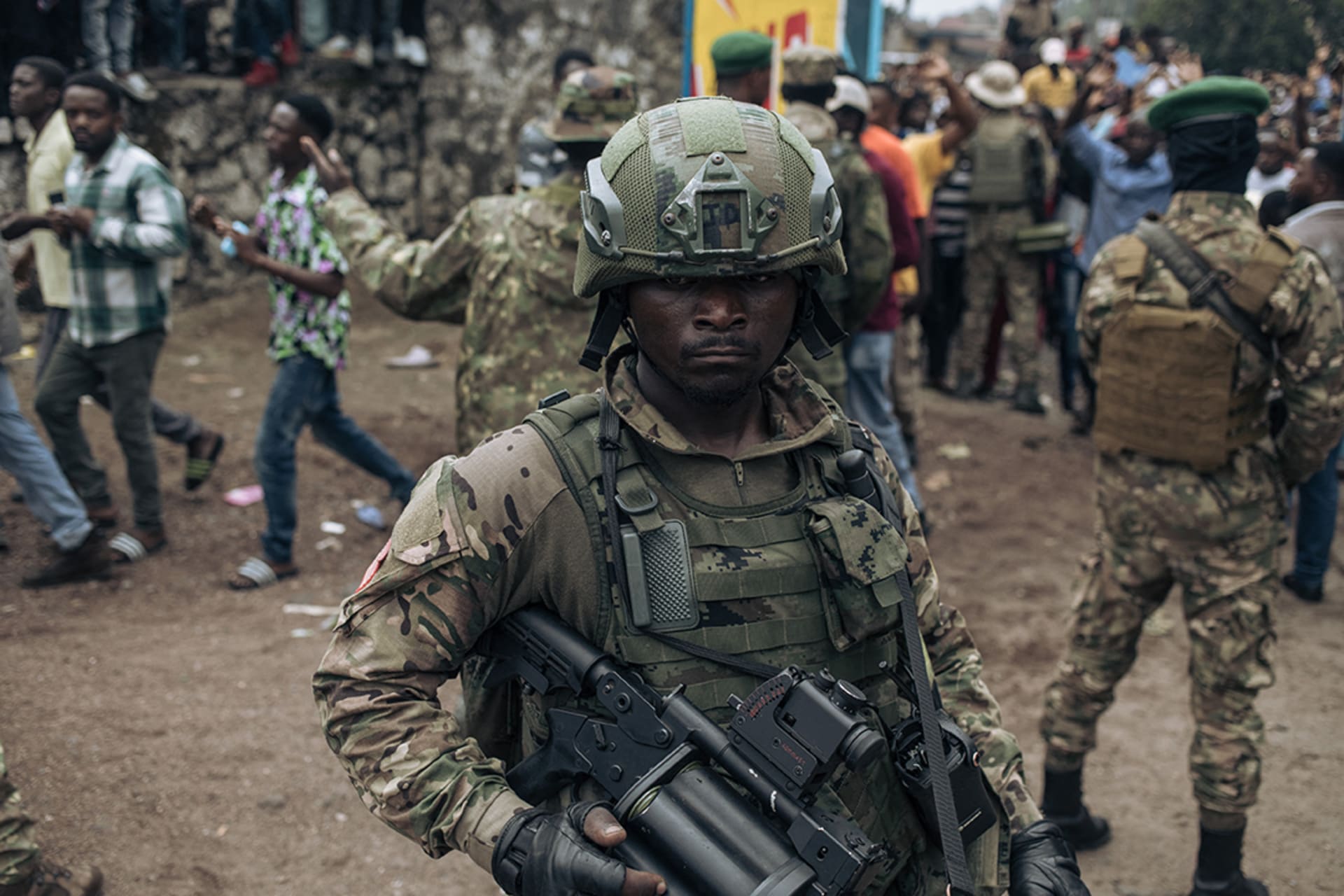
A soldier wearing green fatigues and carrying a gun watches over a crows

Conflict in the Democratic Republic of Congo

Type
Political Instability
Impact on U.S.
Limited
Status
Worsening

The Democratic Republic of Congo (DRC) has been stricken by decades of conflict over its mineral wealth and unresolved tensions from the 1994 Rwandan genocide. Rwanda-backed M23 rebels seized Goma and Bukavu in early 2025 and continue to hold significant territory in eastern DRC despite a U.S.-brokered peace agreement and ongoing Qatar-mediated talks. With over seven million people displaced, Rwandan troops remain on the ground, and key provisions of the peace deal are unimplemented.

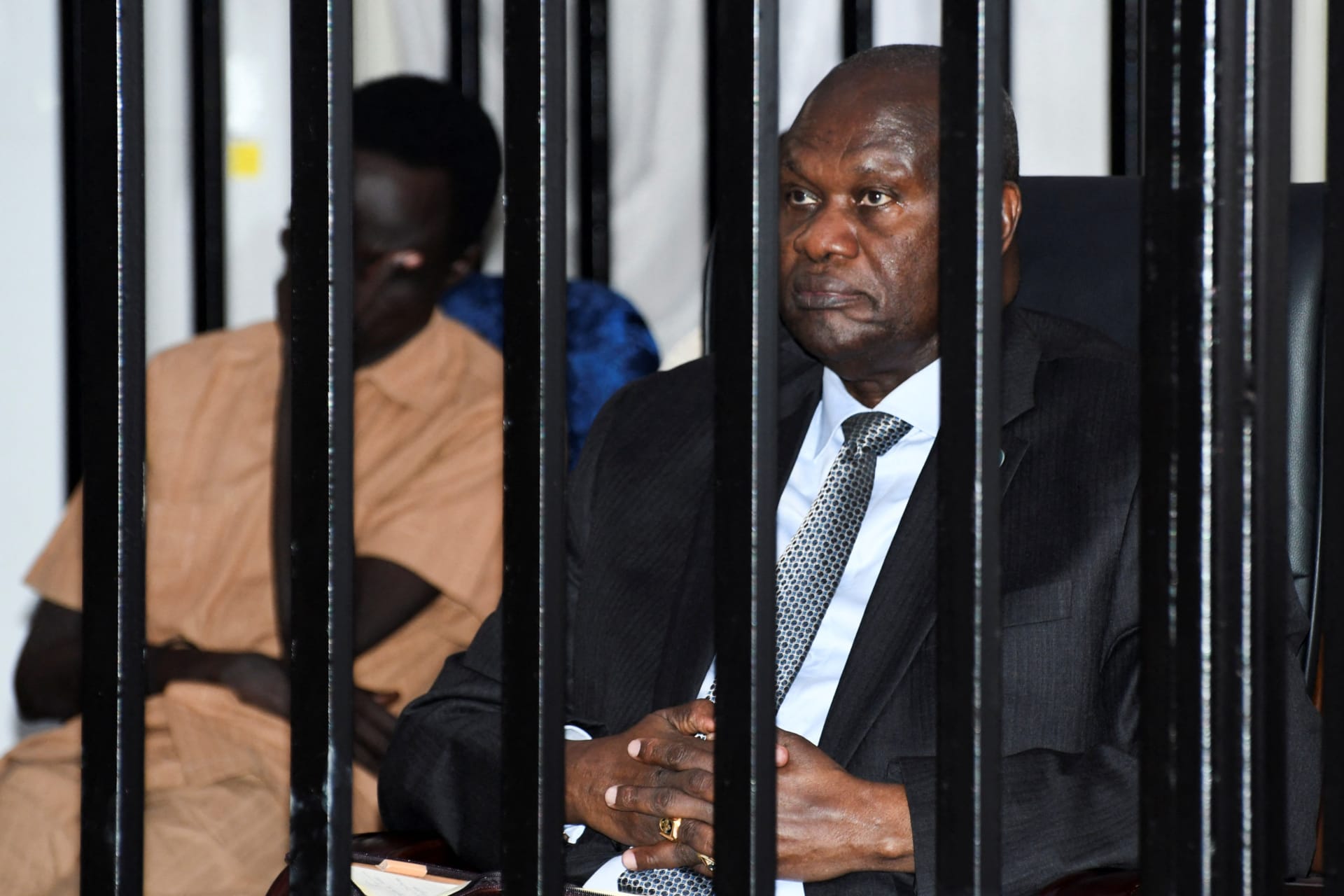
A man wearing a suit sits inside a black steel cage.

Instability in South Sudan

Type
Political Instability
Impact on U.S.
Limited
Status
Worsening

Ethnic and political rivalry between President Salva Kiir and First Vice President Riek Machar has driven South Sudan’s cycles of war since 2013. Despite a 2018 peace deal, the agreement’s core reforms, including army unification, a permanent constitution, and elections, were never implemented. Kiir’s arrest of Machar in 2025 collapsed the unity government entirely, reigniting conflict that has since displaced hundreds of thousands and pushed the country toward full-scale famine.