The Fifth IPCC Report: Humans are to blame. It’s science.
By experts and staff
- Published
By
- Guest Blogger for the Internationalist
Below is a guest post by Alexandra Kerr, program coordinator in the International Institutions and Global Governance program.
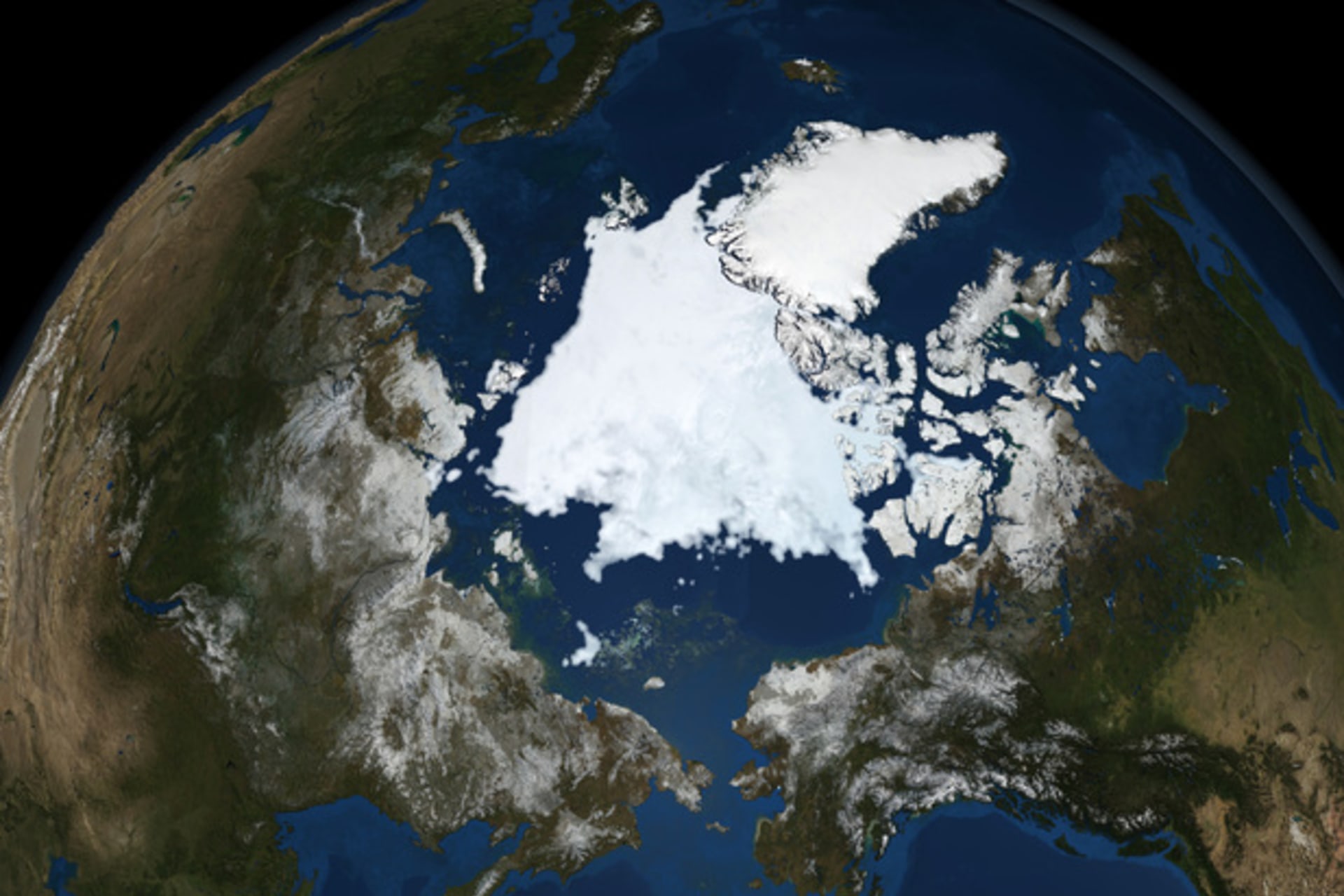
Today the UN Intergovernmental Panel on Climate Change (IPCC) released its Fifth Assessment Report (AR5). After a week of intense deliberations in Stockholm, Qin Dahe, co-chair of the working group that produced the report, summarized the findings, revealing that “the atmosphere and ocean have warmed, the amount of snow and ice has diminished, the global mean sea level has risen and that concentrations of greenhouse gases have increased.” And perhaps more importantly—in case there remained an inkling of doubt—humans are definitely to blame.
Déjà vu may be the first thing that comes to mind. But as with the four preceding IPCC assessment reports, AR5 represents the most conclusive and comprehensive review of climate change to date. And while the findings are not radically different in kind from previous reports, the science supporting them is more substantial than ever before.
Today’s release focuses on the physical science basis for climate change. Of the twenty major findings listed in the Summary for Policymakers, four are particularly important:
Yet, despite the overwhelming scientific evidence of global warming, climate change is still not an accepted scientific fact for the American public. Indeed, a Gallup poll from April 2013 found that only 54 percent of Americans believe that the effects of climate change have already begun, with only 24 percent believing that news on climate change science is accurate.
Perhaps if long-term environmental factors have not persuaded the population, short-term benefits will. According to the Center for American Progress, climate change programs, like those aimed at reducing carbon pollution, have the potential to increase energy efficiency, save consumers money, and create over 600,000 jobs in the next five years.
The refined scientific evidence in the IPCC report should serve to strengthen the Obama administration’s renewed efforts to take a greater role in addressing climate change, including the president’s intentions to limit emissions under the Clean Air Act. Calling on the United States to listen to the reports findings, Secretary Kerry remarked, “This isn’t a run of the mill report to be dumped in a filing cabinet. This isn’t a political document produced by politicians. It’s science.”
Of course, as with any official report on climate change science, skepticism has been rife since a draft of the Summary for Policymakers was first leaked in August 2013. One issue in particular—the recorded hiatus in surface temperature increases since 1998—has drawn criticism. Climate change deniers have latched onto this plateau to criticize the report’s claim that humans are causing global warming, despite evidence that the last three decades were likely the warmest in 1400 years. The IPCC report does acknowledge this fifteen-year trend, but experts consider it too short a sample period and insist that evidence over a much longer period of time more accurately predicts overall changes in the global climate.
If nothing else, skeptics must admit that the IPCC’s reports are impressively robust. Founded in 1988 by the United Nations and the World Meteorological Organization, the International Panel on Climate Change is the primary scientific body advising the world’s governments about changes in the earth’s climate. AR5 is substantiated by its scope of input (over 600 contributing authors from 32 countries, over 2 million gigabytes of data from climate model simulations, and over 9,200 scientific publications cited), its intensity of peer edits (50 review editors from 39 countries) and reviews by the global scientific community (54,677 comments, from 1,089 expert reviewers from 55 countries and 38 governments), and its line-by-line approval from 195 governments. Moreover, in response to criticism of the science presented in AR4 in 2007, the IPCC enlisted the advice of the InterAcademy Council in 2010 to review and improve the management and reporting process for AR5, enhancing the credibility of this fifth addition to the series.
Speaking to the press last week, Thomas Stalker, IPCC co-chair, remarked that “climate change challenges the two primary resources of humans and ecosystems, land and water, in short it threatens our planet, our only home.” So unless we figure out how to colonize the moon, it is clear that we do not have time to wait until AR6 is released to take action.