Another Year of Living Dangerously
In 2022, several colossal events dominated the headlines, most prominently the war in Ukraine and the worldwide inflation that it helped spark. But beyond Ukraine, events with global implications continued to unfold. In this episode, Why It Matters checks in with three CFR fellows and CFR President Richard Haass to understand the least-covered stories of 2022 and to take a peek at what could await the world in 2023.
Published
Host
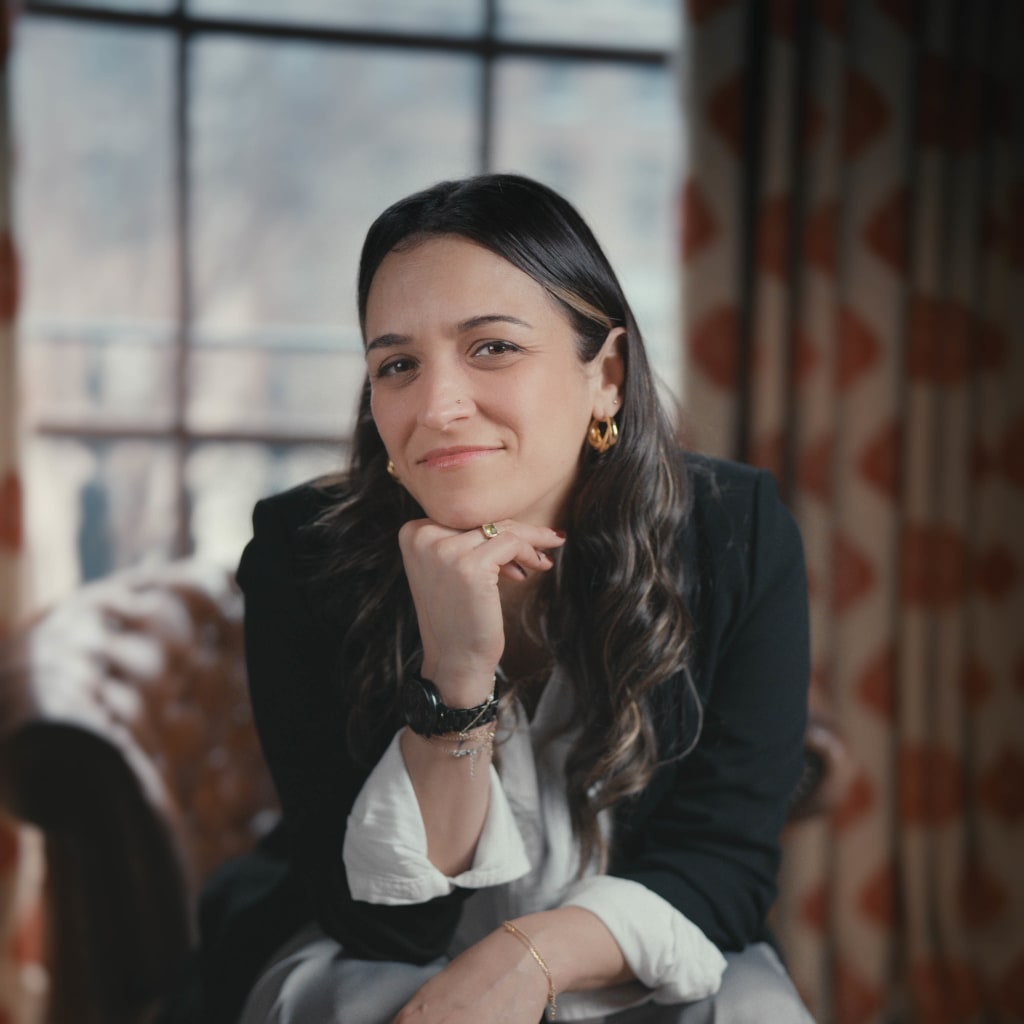 Director, Podcasting
Guests
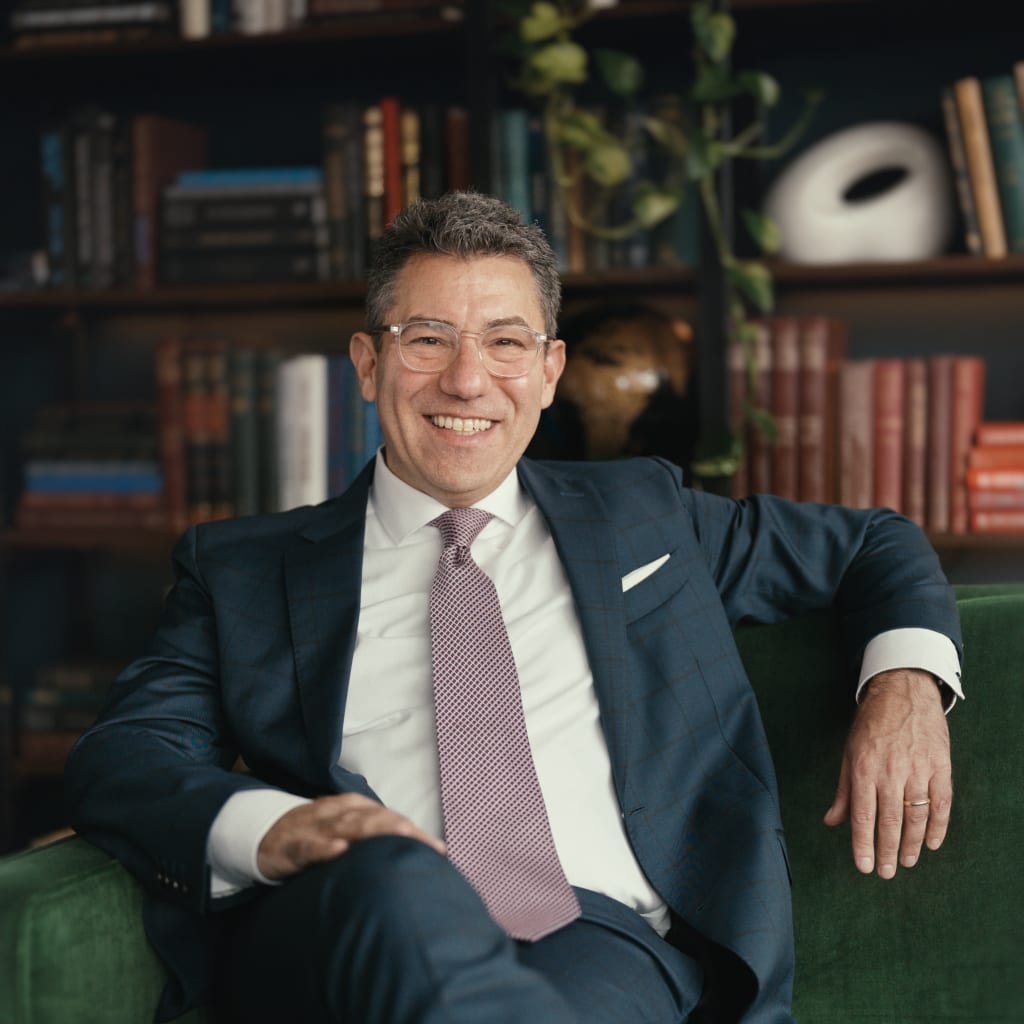 Steven A. CookCFR ExpertEni Enrico Mattei Senior Fellow for Middle East and Africa Studies
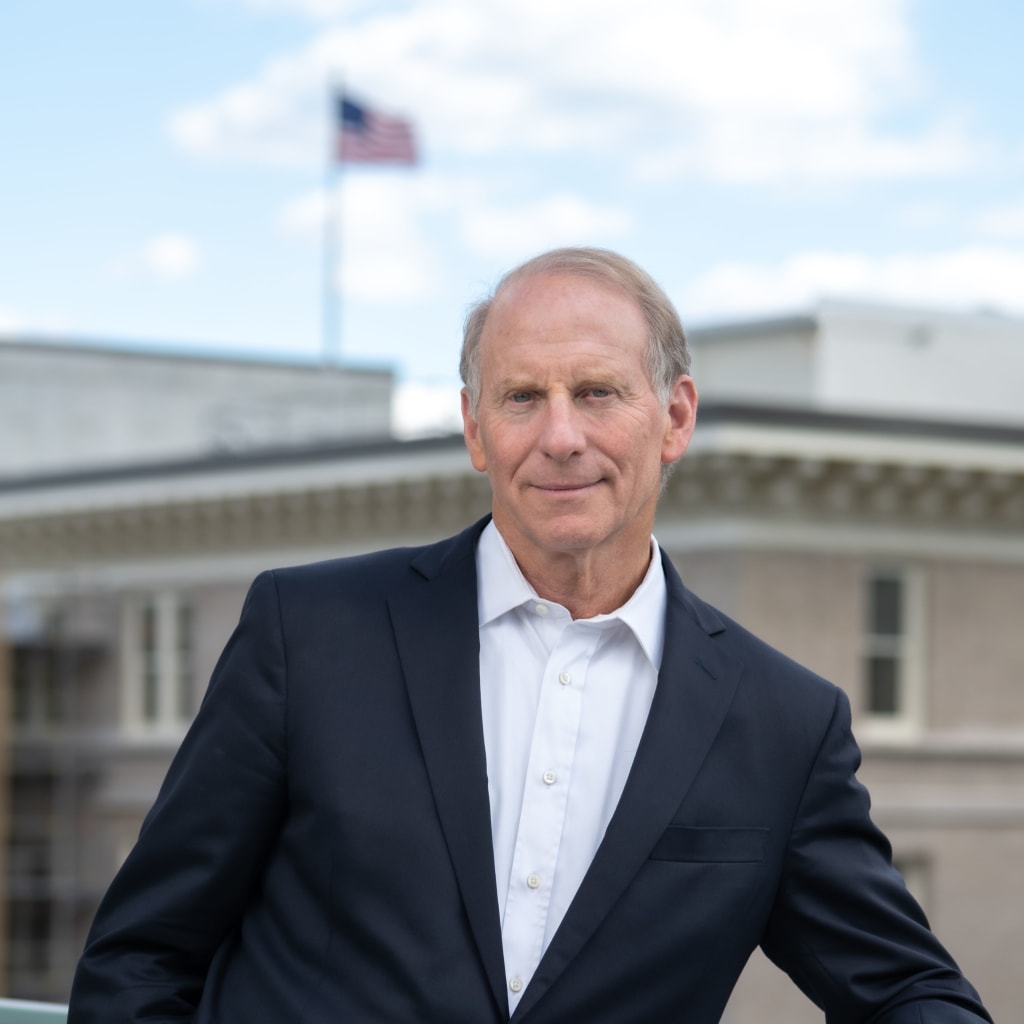 Richard HaassCFR ExpertPresident Emeritus, Council on Foreign Relations
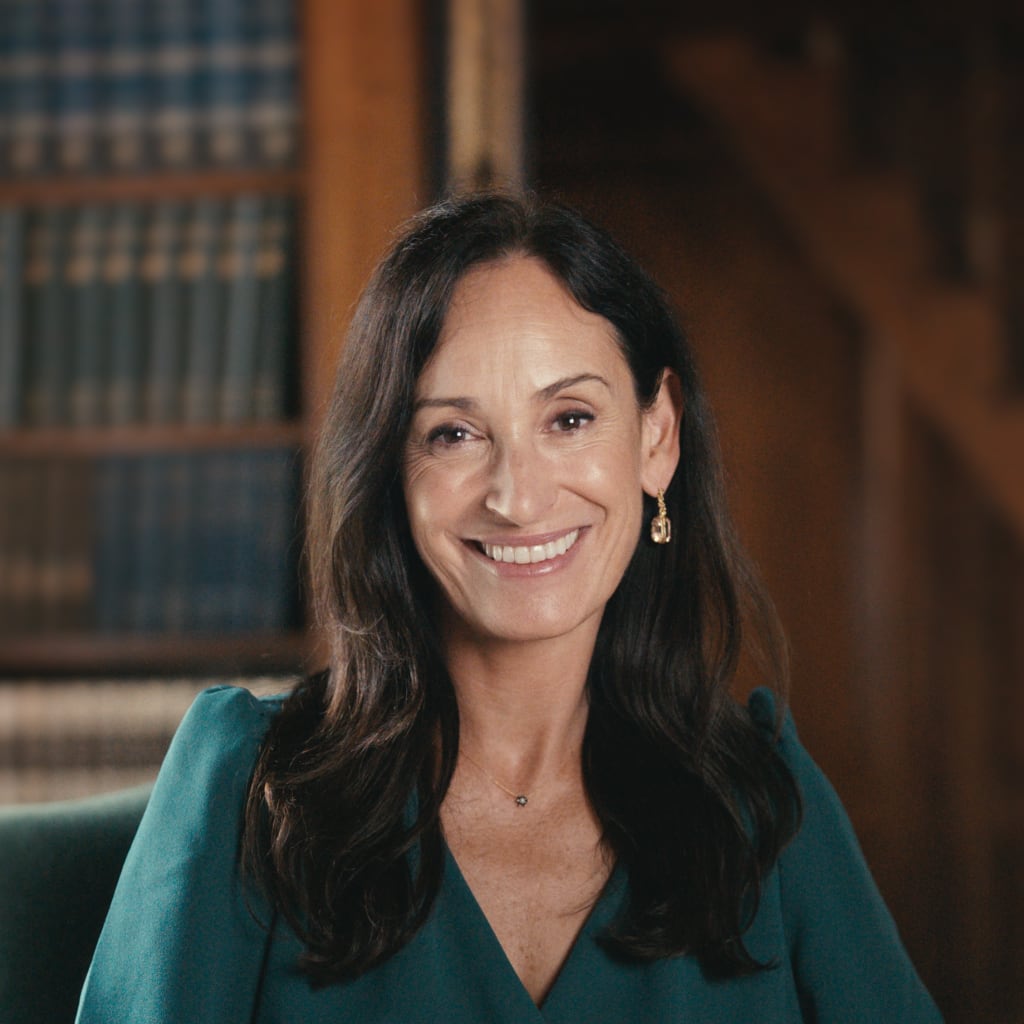 Shannon K. O'NeilCFR ExpertSenior Vice President of Studies and Maurice R. Greenberg Chair
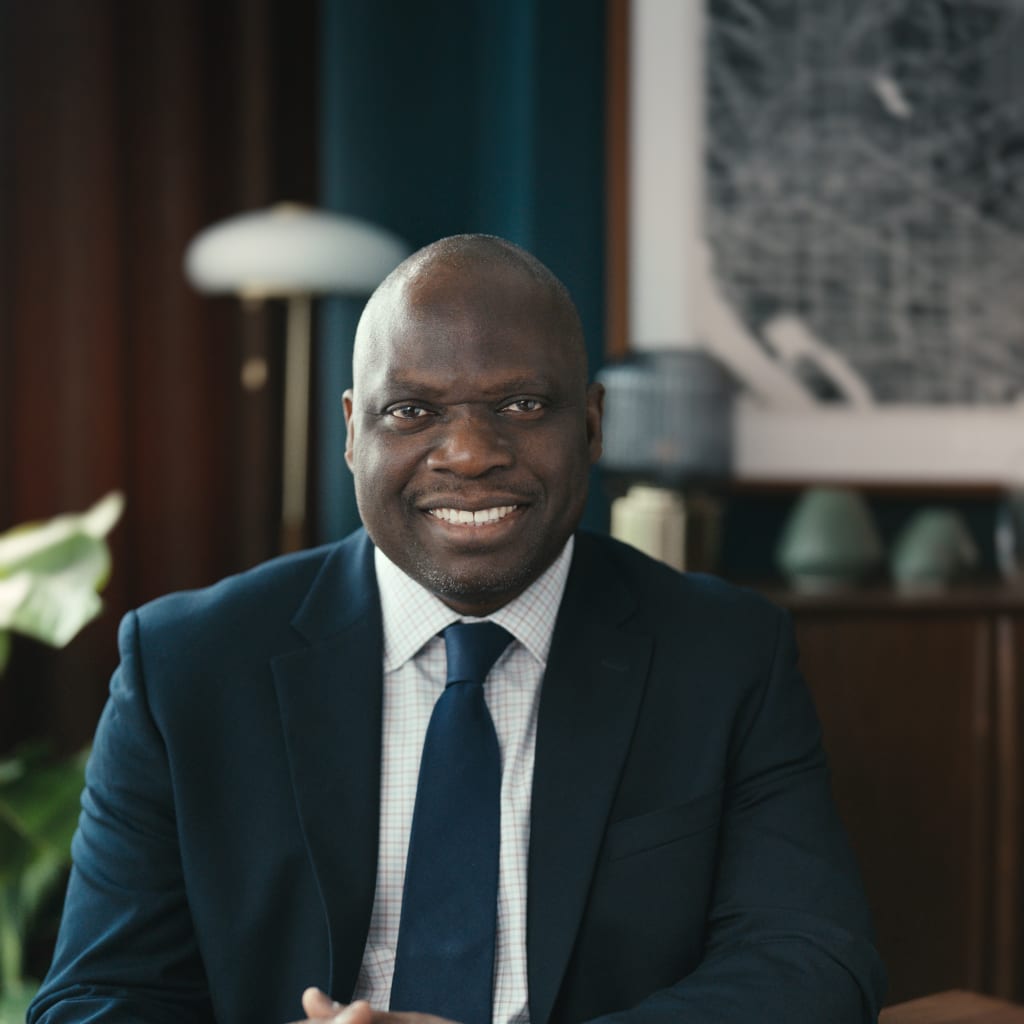 Ebenezer ObadareCFR ExpertDouglas Dillon Senior Fellow for Africa Studies
Show Notes
In 2022, several major events reverberated around the world: a war in Europe, a global economic downturn, historic protests in Iran, the death of a queen. But these stories couldn’t cover everything that happened in our interconnected world.
To find out what else happened this year, Gabrielle Sierra sat down with CFR President Richard Haass and three of CFR’s regional specialists to break down stories from Latin America, the Middle East, and sub-Saharan Africa.
From CFR
Manjari Chatterjee Miller, J. Andrés Gannon, Inu Manak, Ebenezer Obadare, and Christopher M. Tuttle, “Visualizing 2023: Trends to Watch”
James M. Lindsay, “Ten Anniversaries to Note in 2023,” The Water’s Edge
From Our Guests
Steven A. Cook, “How Israel and Turkey Benefit From Restoring Relations,” CFR.org
Ebenezer Obadare, “Escalating Violence Is Putting Nigeria’s Future on the Line,” CFR.org
Shannon K. O’Neil, The Globalization Myth, Yale University Press
Read More
“2022 in Review Fast Facts,” CNN
Simon Robinson, “What Happened in 2022? The Year in Review - From Russia-Ukraine War to U.S. Midterms,” Reuters
Watch and Listen
“Why Global Supply Chains May Never Be the Same,” Wall Street Journal
Transcript
The year is coming to a close, and the Why It Matters team decided it was a good time to look back at an astounding 12 months. 2022 made it clearer than ever that our local lives are shaped by global forces.
All year long, in fact, the news was global. Russia invaded Ukraine, inflation soared, tensions rose between the U.S. and China, climate change continued its march, and billions tuned in to watch soccer.
But there was a lot going on outside the spotlight too. So we thought we’d end the year by rounding up some of the news from the rest of the world. Lucky for us, we work at the Council on Foreign Relations, surrounded by experts who are studying every region on Earth. We decided to call a few of them up to get a rundown.
I’m Gabrielle Sierra and this is Why It Matters. Today, we find out what 2022 meant for undercovered regions, and take a look at what 2023 might have in store.
Okay, first stop Latin America, hemispheric neighbor to the U.S., and a region that has an acute effect on American politics.
NBC News: Tonight, along a roadway in Southern Mexico, a seemingly endless stream of people making their way on foot towards the United States.
ABC7: In Brazil, Jair Bolsinaro is out as President, defeated by former President Lula de Silva.
ABC News (Australia): Olé, olé, olé, ola, Lula, Lula!
DW News: Peru’s President Pedro Castille has been arrested on charges of rebellion and conspiracy after being ousted by Congress.
Al Jazeera English: Inter-regional migration has increased by 66% in the last decade, impacting public services and resources in recipient countries.
And that means talking to Shannon O’Neil, Senior Fellow for Latin American studies here at the Council.
Shannon O’NEIL: You look like you’re in a dark hallway.
Gabrielle SIERRA: I’m inside a dark closet. It really takes me back to like, recording over the pandemic, which is-
O’NEIL: Yeah, no kidding.
SIERRA: Shannon, you are the Latin American guru for the Council, if you don’t mind me assigning that title to you.
O’NEIL: I’m happy to be a guru.
SIERRA: Fabulous. Perfect. So my question is, what mattered in Latin America this year?
O’NEIL: So I think the big story of Latin America this year was migration. And this had been building for many years, but this year the movement of people outside of their countries was above historical levels. We saw over two million people come to the US border. The majority of them, the vast majority from Latin America - Mexicans, Central Americans, Cubans, Haitians, Venezuelans, all types of Latin Americans. But the movement from country to country within the region was even more, you saw millions of Latin Americans living in other countries in Latin America, forced out of their home countries by poverty sometimes, by climate change issues, national disasters, by violence, and often by authoritarian regimes, repressive regimes that made them leave their homes.
SIERRA: Wow. I mean, why this year?
O’NEIL: It was really a culmination or really a growing acceleration of what’s happened in part because we saw crackdowns in countries like Nicaragua or Cuba, so people started leaving. We saw huge challenges and gang warfare and the like in Haiti, so people were moving there too and leaving the country. One of the biggest changes is what is called in the Western Hemisphere, the Darien Gap. So this is a space between Columbia and Panama, and it used to be almost an impenetrable jungle. And so a decade ago, maybe a few hundred people would pass through this region because it was so hard to get through. Now we are seeing over a thousand people traverse this every day.
SIERRA: Oh wow.
O’NEIL: And it is families and it’s kids and it’s people trying to get out of Venezuela and other parts of South America, move north and many of them try to make it perhaps someday to the United States. But this is a huge change that’s really this year. And I would say as we look into the next year, we’ll see more migration because there’s so many challenges facing countries throughout the region.
SIERRA: Wow. Okay. So migration is definitely the key issue. Is there anything else?
O’NEIL: So the other big 2022 story is on the political side, the presidential election side, and here we saw a continuation from 2021 of an anti incumbent wave. So ruling parties or ruling presidents that were standing for reelection all got kicked out of office. And we saw outsiders come in. We saw opposition leaders come in.
Sierra: And can we say whether this anti-incumbent wave has been good for democracy?
O’NEIL: What you’re seeing is two things. One that is some good news, bad news. So I’ll give you the bad news first. The bad news is voters are upset with their elected politicians and their political parties. We’re not unfamiliar to that in the United States, but they’re upset about Covid and the devastation in terms of health. We saw hundreds of thousand people die in the region and it was a very rough time for them. They’re frustrated with the slow economic growth. Many of these economies haven’t rebounded quickly. They’re frustrated with violence that’s still there, with corruption, with other challenges their governments aren’t delivering the services they want, so they’re looking for somebody else who will do something different. So that’s the bad news, I guess. The good news is that at least in most of the countries around the region, they’re channeling their frustrations and perhaps justifiable anger through elections. And Latin America is a place, for all of its challenges and all of the difficulties that it has, it is the most democratic place outside of the European Union in terms of the number of people living under democracy and they’re also not living at high income levels. So this is a place, it’s the great experiment with democracy and so far it’s got some bumps and it’s got some warts, but it’s hanging on.
SIERRA: And what effect do you see this having on the rest of the world or on us?
O’NEIL: I think it’s a moment where we can re-engage. This is a region that has been long-time allies within the United States. Some of our biggest trading partners are within the region and so I think there’s a moment here with these new leaders to re-engage and think about how we can all work together to protect democracy, but also to increase the overall economic stakes for people in all of the countries, including in the United States.
SIERRA: So okay, we’ve got migration, we’ve got politics and big changes in administrations. What about the year to come? What are you keeping an eye on? And is there anything the rest of us should know?
O’NEIL: Well, as I look into 2023, I would say the big thing that I’m watching for is this idea of Friend-Shoring. So what does this mean? So Friend-Shoring, we see the US government putting in policies to try to drive many supply chains or the making of things out of China. We don’t want things that we think are important for our national security or for our economy in China. So these are things like semiconductors or electric vehicle batteries or other green technology. These are medicines, pharmaceuticals. We want to make sure if there’s another pandemic that we don’t rely on China in case they decide not to send us the stuff that we need to protect our citizens. And so the government has kind of latched onto this term Friend-Shoring. And the idea is, okay, some of this production and manufacturing will come back to the United States, but it can’t all be here. So we have to think about other countries we’d like to buy things from or we’d like to use as suppliers for the things that we need and those should be friends, not enemies.
By the way, Shannon is way too humble to mention it, but she has a new book out called The Globalization Myth. It examines this idea and several others in relation to supply chains. You should totally check it out.
O’Neil: So who are the friends? Well, as I look at the US government, who’s going to be spending hundreds of billions of dollars to try to move these things around and make sure it’s in places that we want it to be made, I think it’s a big opportunity for lots of countries, but particularly for countries in the Western Hemisphere and Latin America. If this becomes a reality, it should help them on the commercial side.
SIERRA: It sounds like it’s just a moment of a lot of change. You’re saying people are moving, people are looking for new jobs, new lives, and that across the board there’s new administrations, it seems like next year could be a very big year for Latin America.
O’NEIL: It’s a big year for Latin America. It’s a big year for the United States because many of these issues that are happening there, migration and worries about jobs and economic growth, worries about politics. We’re not unfamiliar with that here in the United States. There’s a lot of similarities going on in these societies as going on in our own.
SIERRA: Wow. Thank you so much for the cliff notes of the year. We appreciate it.
O’NEIL: Look forward to listening to the other cliff notes you bring together.
Okay so, that’s Latin America. Next up? The Middle East.
BBC World: Protests in Iran demanding change are still raging almost three months after a young woman died shortly after she was arrested by the so-called ‘morality police.’
NBC News:
CBS News: Many people feel COP27 is the world’s best hope for climate action, but many critics say it’s just greenwashing with little to actually show for.
Team Qatar: The winner to organize the 2022 FIFA World Cup is… Qatar!
And that means talking to Steven Cook, senior fellow for Middle East and Africa Studies at the Council.
SIERRA: I didn’t know if you could hear me or not.
Steven COOK: I can hear you.
SIERRA: Oh, okay. I didn’t know it was connected.
COOK: Should I curse?
SIERRA: I’m being told that we are in fact being recorded in D.C.
COOK: Got lots of stuff to hold against me. Alright I’m ready to roll.
SIERRA: Stephen Cook Mench of the Middle East and North Africa here at the Council.
COOK: I love it. My mother would be so excited.
SIERRA: Can you tell us what mattered in your region this year?
COOK: In all seriousness, there was some really important things that happened in the Middle East over the last year, while everybody was focused on Ukraine.
SIERRA: Exactly.
COOK: I mean, there was, there was obviously lots of discussion about the Middle East in relation to Ukraine, but there were also the usual things that go on in the Middle East that suddenly no one really was paying as much attention to.
SIERRA: Tell us a few.
COOK: Well, you know, it’s gotten some press, but I don’t think people really kind of understand the magnitude of it is the change in Israeli government. This is not just a lean to the right, this is a real lurch to the right, you have hard right parties in the Knesset, the Israeli Parliament, that control a significant number of seats in the way that they had not before. And in the process of coalition building, because Prime Minister Netanyahu needs these folks. These are people who are followers of the late Rabbi Mayor Kana, who was a racist, who wanted to expel Arabs from the land between the Jordan River and the Mediterranean Sea. I mean, these are people who, uh, venerate a guy named Baruch Goldstein, who massacred 30 Palestinians praying in 1994. So this is a very, very hard right. The portfolios that some of these new ministers are getting: public security, finance. You now have, someone who is kind of overseeing the Jewish character of the Israeli state, which not only in all likelihood disenfranchises the Arab, Muslim, and Christian citizens of Israel. But also, what do you do about American Jews? Particularly, the majority of whom follow the reform branch of Judaism. So a whole host of real knotty, difficult, significant issues in the trajectory politically as well as Israeli society.
SIERRA: Is this something that can affect us in the U.S.? I mean, we have our own election issues here.
COOK: Right. I think it will undoubtedly affect U.S.-Israel relations. I think it will create friction between the Biden administration and the Netanya government, and have a tremendous impact on Israel’s relations with countries that it’s recently normalized relations with, particularly the U.A.E. I think 2023 has some more tension than 2022 with regard to Israel.
SIERRA: I mean, so a hard right turn in Israel. That’s one major point. What else?
COOK: One major point. The second major point is that Egypt is going broke. Egypt is one of the most indebted countries in the world. I mean, there’s Sri Lanka and Pakistan and Egypt. And Egypt recently got a $3 billion agreement with the IMF, but it’s a pittance and Egyptians are really suffering. As a result, the private sector in Egypt has shrunk, and a tremendous amount of the state budget has gone to repay loans. And, this is a country where 60% of the population, 110 million people live in poverty. You’ve had a devaluation of the currency, 30 plus percent. People are really, really suffering in Egypt. It’s something to keep an eye on.
SIERRA: I would like to also ask about the story that didn’t go under the radar in the Middle East this year, the Iranian protests. I’m curious if you see that story continuing to be as important as it is right now into 2023.
COOK: I certainly think it’s a story that will continue into 2023. It’s an extraordinary story. I don’t think anybody should be doing is trying to game out where this is all gonna go. Maybe the regime in Iran prevails. Maybe there’s a regime change. Maybe democracy emerges from that. Maybe a fiercer dictatorship emerges. I think all of those possibilities are things that analysts and observers need to keep in mind. It’s hard not to be, even from afar to, you know, have the kind of romance of the barricades. People are rising up for their freedom. I mean, this began after the murder of this woman, because she wasn’t wearing her hijab correctly. And people have risen up and said, ‘we will not take this anymore.’ They clearly want a regime change. So it’s hard not to feel as a person who lives in a free society to want them to succeed and for democracy to break out. But that may not happen. But I certainly think that this is a story that is going to unfold throughout 2023. And I think, you know, you’re not old enough to remember, but I’m old enough to remember the revolution in 1978, 1979 in Iran. And that unfolded over the course of 18 months. It was a violent period in Iran from 1978 through 1979, and street protest and violence waxed and waned over that period. So I think we should expect this to be kind of an unfolding story in Iran. But it is, I think, probably the biggest story of late 2022, and I think it will continue to be a huge story in 2023.
SIERRA: Wow, okay. Well I guess moderate our hopes and keep an eye on things is the lesson we can sort of take away here. Thank you so much Steven, it’s always good to talk to you.
COOK: Thanks guys. See you soon. Bye.
Alright, moving on from the Middle East, it’s time to head south to Africa.
DW News: The IMF this week said, quote, “The war in Ukraine means hunger in Africa.”
Al Jazeera: Coup d’etats are back in Africa, unfortunately, and we are seeing the Sahel region as the epicenter.
BBC News: Peace talks are taking place in South Africa with the aim of ending the two year civil war in Ethiopia’s northern region of Tigray.
SABC News: African leaders have arrived in Washington, D.C. for the U.S.-Africa summit hosted by President Joe Biden. This week the summit will look at political and trade relations between Africa and the United States.
And here to give us the inside scoop is Ebenezer Obadare, Senior Fellow for Africa studies at the Council.
SIERRA: You are our new, well I guess relatively new at this point Senior Fellow for Africa Studies here at the Council. It is also your first time on Why It Matters, so welcome!
Ebenezer OBADARE: It’s a pleasure to be here. Thank you for having me.
SIERRA: We’re so glad, so okay, this is a big ask. Africa is a big continent and a year is a long time.
OBADARE: I know.
SIERRA: But, if you had to boil it down, what mattered most in your region in 2022?
OBADARE: I can’t but speak about Ukraine. I think the conflict sort of, especially the reverberations from Africa, took everybody by surprise. I think the United States policy community was caught unaware by the refusal of many African countries to toe the line. That got a lot of attention.
SIERRA: Oh interesting. So what do you mean by their refusal to toe the line on Ukraine?
OBADARE: So when the conflict started I think the general expectation was that African countries were just going to do whatever it is that the United States wanted them to do. Because historically it’s tended to be that way. So people sort of imagine that the pattern will continue. What people neglected was that under the radar a lot was going on, right? The map of a relationship between African countries and foreign powers was being redrawn. That India, for example, is beginning to play an increasingly influential role on the continent. That Turkey for the most part has flown under the radar. That Russia has you know, through the Wagner Group, wormed its way into the upper echelons of the military and political cycles in different African countries. And then of course the elephant in the room, China, and that the effect of the incaution of all these countries into Africa is to create a situation where African countries now find themselves with different options. I think if the Ukraine conflict had taken place ten years ago, we might have had a different reaction from African countries. But the fact that it took place early this year against the backdrop of the increasing influence of these countries meant that the United States got at least an initial shock in that it was like, ‘Oh really? Oh you’re not going to do what I want to do now? Seriously? Okay, maybe we need to talk then.’
SIERRA: Interesting. So the Ukraine war kind of revealed how much relationships or even friendships have changed and not necessarily in the United States’s favor. We just don’t have automatic support anymore.
OBADARE: Yes, we do not have automatic support anymore and I think there’s a quote unquote ‘good thing’ about this conflict is to reveal to American policymakers that there is a new diplomatic therein imagined in Africa. There are new players. There are new sensibilities. There’s a new awareness and new courtships and friendships and allyships are being developed and it’s important for the United States to pay attention and get that right.
SIERRA: Okay what other developments were you watching this year?
OBADARE: The election in Kenya also got a lot of attention, especially because of anxieties in the period leading to the election that there will be bloodshed, that there will be violence. I think most people including me were pleasantly surprised that the elections were peacefully conducted, there was a challenge, it went all the way to the supreme court in Kenya and it was peacefully resolved.
SIERRA: That’s so interesting. Because I’ll admit that this year I heard about the coups in Africa. I feel like I heard about military interventions, but not so much a peaceful election in Kenya.
OBADARE: Yes, yes, which makes a lot of sense right? If something terrible happens and it’s a headline grabber. And, look, I’m glad you said that because it’s a good indication for Africa. I mean the way I would think about it is the more we don’t get those headline grabbing news, I think the better for the continent,especially if you know the news is boring. If the news is boring it probably means things are going well, it means the economy is doing well, it means there’s no bloodshed, so I would say that’s a good thing. Speaking of good news. You may also like the fact that the conflict in Ethiopia has ended. That there was an agreement between the TPLF, the Tigray People’s Liberation Force, and the central government in Addis. But most important is that the agreement itself was pioneered, advanced and channeled through by African leaders. So the agreement was signed in South Africa, you know the South African leader Cyril Ramaphosa, you know, played a huge role in bringing the combatant to the table. Nigeria’s former president Olusegun Obasanjo also played an important role. So if you’re an outsider looking at the continent. That’s a very good thing because it tells you that the African Peer Review Mechanism is working and working well.
SIERRA: How long was the conflict going on?
OBADARE: 2 years, but the length belies the bloodiness. Hundreds of thousands of people died. There was mass starvation. There was profound dislocation. There’s a lot of pain inflicted on everyday people. So, it took all of 2 years but it led to considerable bloodshed. So I’m jubilating, I’m really really happy that that termination has taken place, that the conflict is over. I’m also keeping my fingers crossed that there will be no recurrence in the foreseeable future.
SIERRA: I was going to say you are giving me all the joy because I am always looking for silver linings. You know, we work in IR. We don’t get a lot of those.
OBADARE: That’s a big one.
SIERRA: As you said, do you see Democratic progress in the year to come?
OBADARE: Across Africa generally um, because I mean I’m pessimistic by inclination.
SIERRA: You are? That is shocking to me.
OBADARE: I know, I know but seriously I do, I do. And I wrote a blog piece about this a few weeks ago. Where I was sort of doing an itemizing of all the positive news coming out of Africa that people have not paid attention to in Namibia, in Kenya, even in Nigeria. I think many of those things go unnoticed because, as we said earlier, good news almost by nature doesn’t get a lot of attention. So the answer to your question is absolutely, I’m optimistic. I see a lot of very positive patterns and we should continue to hope that those you know positive patterns are deepened over time.
SIERRA: Love it. No news is good news. Well to wrap, you know, we’ve talked a little bit about what you’re looking towards but what will you be watching most closely in the year to come?
OBADARE: I’ll tell you what I’m paying attention to is an election coming up in Nigeria next year in February 2023. It’s a very crucial election and the eyes of the world are focused on Nigeria. There is a lot of debate about how things are going to turn out against the backdrop of the rise in insecurity and political incitement in the country. I’d pay attention to the election and the outcome of it. Because whoever wins the election is going to have a lot on his hands. Whichever of the four main candidates wins, because the economy is in the toilet, there’s you know widespread political incitements in the country, young Nigerians are leaving. So there is a lot to fix. So I’m paying close attention to that as I should.
SIERRA: Thank you so much ebenezer it was so lovely having you. We’re absolutely going to be having you again.
OBADARE: Thank you. I appreciate that. Thank you, it was really really nice talking to you. I appreciate it.
SIERRA: Thanks so much.
OBADARE: Have a good day. Bye.
Ok, last stop guys, this time we’re headed down to my boss’s office. That’s right, our roundup would not be complete without Richard Haass, President of the Council, number one fan of the pod, and someone who has made a long career out of keeping his eye on, well, everything, everywhere, all at once. Seemed like the perfect place to close out our episode, and to get a glimpse into 2023.
SIERRA: Hello, Richard Haass.
Richard HAASS: Good to be back.
SIERRA: Welcome back to Why It Matters. So 2022 is coming to an end. New year is starting. We’ve been around the council talking to some of our experts about regions that may have been overshadowed by bigger news. So we’ve got Africa, Latin America, the Middle East, and we’ve heard a lot, but we wanted to end the show with you and a global look for next year. So something I feel like I’ve noticed since I’ve been at the council is that it feels like sometimes the biggest crises come out of nowhere, at least for the general public. You know, not a lot of people were predicting something like Covid nor the Russian invasion of Ukraine. So all of that said, look into your crystal ball, be in the prediction business. Give me all of the spoilers of what’s waiting in the wings that you see for the next year.
HAASS: I fight being in the predictions business. In my last job in government, just over 20 years ago, I ran the Office of Policy Planning, and whenever someone would ask me a question like this, I used to say, I run the office of policy planning, not policy predicting. So here I am violating my own rule. So if I were going to guess, looking at 2023, we know several things. The war in Ukraine will continue. China I do not believe will be attacking Taiwan. China will be facing an awful lot of internal challenges. North Korea will continue to build nuclear devices and missiles. Climate change will continue to advance. We’ll still be dealing with the long tail of Covid. If I were a betting man though, Gabby, which of course I’m not, but if I were-
SIERRA: If you were.
HAASS: I would bet that the biggest international issue of 2023 is Iran. And what I believe is going to come together next year, quite possibly three things at once. One is what we’re seeing - these protests in the street and the word protests doesn’t quite do them justice because they’re large, they’re increasingly broadly supported, they’re geographically spread around the country. Two, we’ve got a possible succession at the supreme leader level - he is old and ill. And then thirdly, there is zero chance that the United States and Iran will revive the 2015 nuclear agreement, the so-called JCPOA for two reasons. One is we’re not going to release resources at a time Iran is taking on these protestors, and second of all, Iran has become one of the biggest sources of arms for Russia in Ukraine. But meanwhile what’s happening is Iran is edging ever closer to certain red lines, if you’ll pardon the expression, on its nuclear capabilities. So it’s quite possible in 2023 we’ll see massive challenges to this government, possibly a succession going on, and the United States, Israel, Saudi Arabia, and other countries, essentially hotly debating whether Iran has crossed the line of what is tolerable or acceptable in the nuclear domain. So my guess is that one way or another, or maybe all three ways, this will come together and Iran will be the big new international story of 2023.
SIERRA: What’s the line? What’s this red line that you cannot cross?
HAASS: It’s a good question. We will have to decide what it is. It might be a level of enrichment. It might be an amount of enrichment. It’s difficult because the IAEA, the international watchdog agency, doesn’t have the sort of access that we would want. It would simply be a subjective call when we no longer have confidence if I may participate in the world of negatives now, that Iran does not have certain capabilities. It’s reminiscent of what we once had to make a determination about Pakistan under what was called the Pressler Amendment, that we had to be able to confirm every year that Pakistan quote unquote “does not possess a nuclear explosive device.” And when we could no longer say with confidence that it did not possess it, then sanctions were triggered. So my guess will be, I think there’s a decent chance in 2023 Iran will get to a point where we’re no longer confident that either it hasn’t reached that point or it hasn’t gotten so close that the amount of warning time we would have would no longer be considered sufficient. But this is not enough. Let me add one more thing to it. Okay? I want your podcast to do well.
SIERRA: Yeah, I appreciate that.
HAASS: I’m doing this, I’m doing this just for you here. Which is that I even think there’s a chance that the regime in Iran wouldn’t mind this. And by that I mean if they are facing growing protests in the street to the point at which there might even be some cracks in the security forces. There might be some cracks in the political establishment, which by the way is what happened before the Shah was overthrown in 1979. There may be some people in the clerical establishment who say what we need is a crisis that would either unite the country or make it more difficult for people to be protesting the government.
SIERRA: Oh wow.
HAASS: So I think it’s quite possible, I have no evidence for this, this is just me putting on my thinking cap.
SIERRA: And looking at history.
HAASS: Looking at history. That people in the Iranian government may see it as a no lose situation. Either they get to a nuclear device, because the world isn’t prepared to act, or they trigger a crisis that would make it much harder for the protestors to challenge the regime.
SIERRA: Interesting. That feels very dangerous. So what happens, I mean I know you mentioned sanctions, is that what would start happening or?
HAASS: No, sanctions have already happened and they’re not working. Sanctions are only, let me be more clear. Sanctions are quote on quote working in the sense that they are inflicting some economic pain on Iran. They are not working if your definition of success is to stop Iran’s nuclear development. So more sanctions are not the answer. No, I think at that point you’re looking at military force. The United States, Israel, possibly others, possibly a combination of countries would take military action to destroy those parts of the Iranian nuclear establishment they could reach.
SIERRA: That’s heavy for-
HAASS: As we run up into the holiday season?
SIERRA: Yes.
HAASS: Yes it is. This is serious. And this has been a growing problem. If you had had the nuclear agreement revived, it wouldn’t have solved the problem, but it would’ve parked it for a number of years.
SIERRA: You think? It would have-
HAASS: Yeah, it would’ve parked it. But that isn’t going to happen, as I said in this context. So I believe there’s a decent chance far more than negligible that what I’ve just described could happen. The decision makers in the US and Israel in particular will be faced with certain choices. And if they carry them out, then there’s the question of how successful they are. What does Iran do immediately? What does it do over time? And so yes, the Middle East has, if you think about it for the last three decades or so since the Cold War ended, it has probably been the most volatile, violent part of the world. And even though now it obviously has competition thanks to Russia and Ukraine, I actually think the chance for renewed conflict of this sort is quite possible in this part, in this region.
SIERRA: You mentioned the protests. Do you find that the protests have been something a little bit uplifting in the sense of people, especially women, young girls rising up-
HAASS: I’d say two things. One is it is hard not to be overwhelmed by the courage these individuals are demonstrating, the women and others. And I think many observers underestimated the potential of these protests, because again, protest isn’t quite, it’s not a revolution, but protests seems inadequate. It’s something in between the two. It’s gaining more traction and that’s interesting to me. And ultimately what brought the Shah down in the late 70s was when the security forces would not kill their fellow Iranians in order to keep the Shah in power. And the question is, do we reach such a point now? And I can imagine it. Are we there yet? No. Is it conceivable? Absolutely. Against the backdrop of all the corruption, the economic failures of Iran, you’ve got also a significant chunk of younger Iranians who really want a future where they’re not living in a pariah country. Look at Iran’s friends. Russia, China, I mean, who the hell wants that for a future? So this is a lot of sophisticated, educated people. They want to be part of the world, they want to be part of the modern world. And again, I’m struck by how many Iranians are risking literally life and limb and the violence being used against them is also going to spur more resistance. So my crystal ball isn’t good enough, to go back to your metaphor, to predict how this plays out, but already it has more traction and more significance than I would’ve thought. And I think the real question at some point will not just be whether the security forces begin to split, whether the political leadership splits, whether there are some attempts to, what’s the word, compromise with the people in the street. If so, what is offered? Is that enough to have an effect? So this could get very interesting, particularly if it’s against the backdrop of a succession. So again, I’m not, I would simply say going back to your original question, when I look at 2023 or think about it, there’s a lot of things that are pretty predictable in terms of the general trajectory. Specifics are always unpredictable. And I’m sure there’s stuff none of us has the wit to think about. But of all the things that are imaginable, I would put this at the top of the list in terms of significance.
SIERRA: Wow. Okay. Iran. Anything that everyone else should look out for or anything that you feel like went uncovered this year? Some good news, maybe?
HAASS: I would argue the good news of 2022 was the revival of alliances. In Europe we saw the revival of NATO and the opposition to what Russia did. And in the what’s now called the Indo-Pacific, whether it’s either Quad or AUKUS, U.S.-Japan, U.S.-South Korea, we saw the revival of alliances. And this to me is the principle security instrument of our world. So I think that’s been the really good news. I don’t have a lot of good news given the war in Europe, given developments in a lot of countries. We’re not winning the race against climate change and so forth. I look around parts of the world, it’s not been a great time for democracy, though I will say the United States, at the midterms we dodged a bullet in terms of a lot of election deniers were defeated. I do feel that compared to, say where we were two years ago at January 6th, where we could have been had all the election deniers won, if say the Republican candidate in Pennsylvania had won, if we’d had a lot of people in positions of authority, then I think 2024 would’ve been a lot more in doubt in terms of its legitimacy. Now it’s in doubt politically, but that’s okay. That’s what we want. We want elections to be in doubt politically, but we don’t want elections to be in doubt in terms of their legality or legitimacy or the fact that they’re carried out peacefully. So I feel, I don’t feel we can breathe a deep sigh of relief, but maybe we can breathe a shallow sigh of relief.
SIERRA: Okay. Well I’m, I’m going to take that, at least.
HAASS: That for me passes for optimism. That’s about as good as I get. Sorry.
SIERRA: A shallow sigh of relief. I will take it. Well thank you for wrapping up the year with us.
HAASS: Thanks and happy holidays to you and-
SIERRA: Happy holidays.
HAASS: To all your legion of listeners.
SIERRA: Thank you. Yes. To all.
Well! So long 2022, and so long Why It Matters Season 6. We will be taking a break for the holidays, working on new episodes and returning in 2023. For now, I’d like to wish every one of you a happy and safe holiday season, and also, to say thank you for making Why It Matters part of your world this year. Now, to read us out, here is our departing intern Mormei Zanke, who we will miss dearly.
For resources used in this episode and more information, visit CFR.org/whyitmatters and take a look at the show notes.
If you ever have any questions or suggestions or just want to chat, email us at [email protected].
Subscribe to the show on Apple Podcasts, Spotify, Stitcher, or wherever you get your audio. And if you like the show, we encourage you to leave a review, they really help us get noticed. You can also find our episodes on the Council on Foreign Relations Youtube Channel.
Why It Matters is a production of the Council on Foreign Relations. The show is produced by Asher Ross and Gabrielle Sierra. Our sound designer is Markus Zakaria. Our associate podcast producer is Molly McAnany. And I, Mormei Zanke, was the Why It Matters intern for the past two semesters.
Robert McMahon is our Managing Editor, and Doug Halsey is our Chief Digital Officer. Extra help for this episode was provided by Kali Robinson and Claire Klobucista.
Our theme music is composed by Ceiri Torjussen. We’d also like to thank Richard Haass, Jeff Reinke and our co-creator Jeremy Sherlick.
For Why It Matters, this is Mormei Zanke signing off. See you around!
Supervising Producer
- Lead Content Strategist
Audio Producer and Sound Designer
- Audio Producer & Sound Designer
Associate Podcast Producer
- Producer, Podcasts
 29:35Podcast
 26:04Podcast
 38:36Podcast
 31:35Podcast
 37:32Podcast
 32:26Podcast