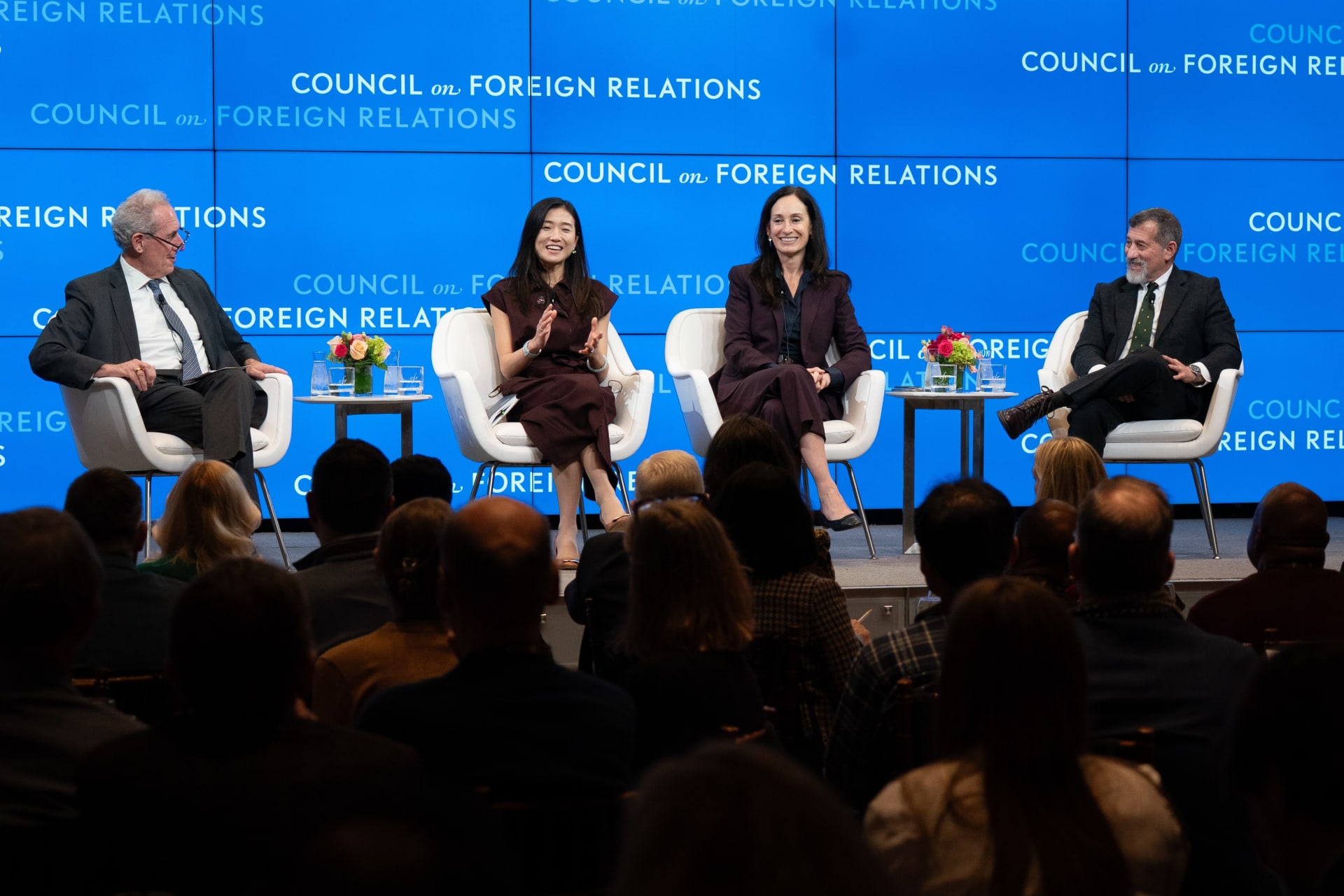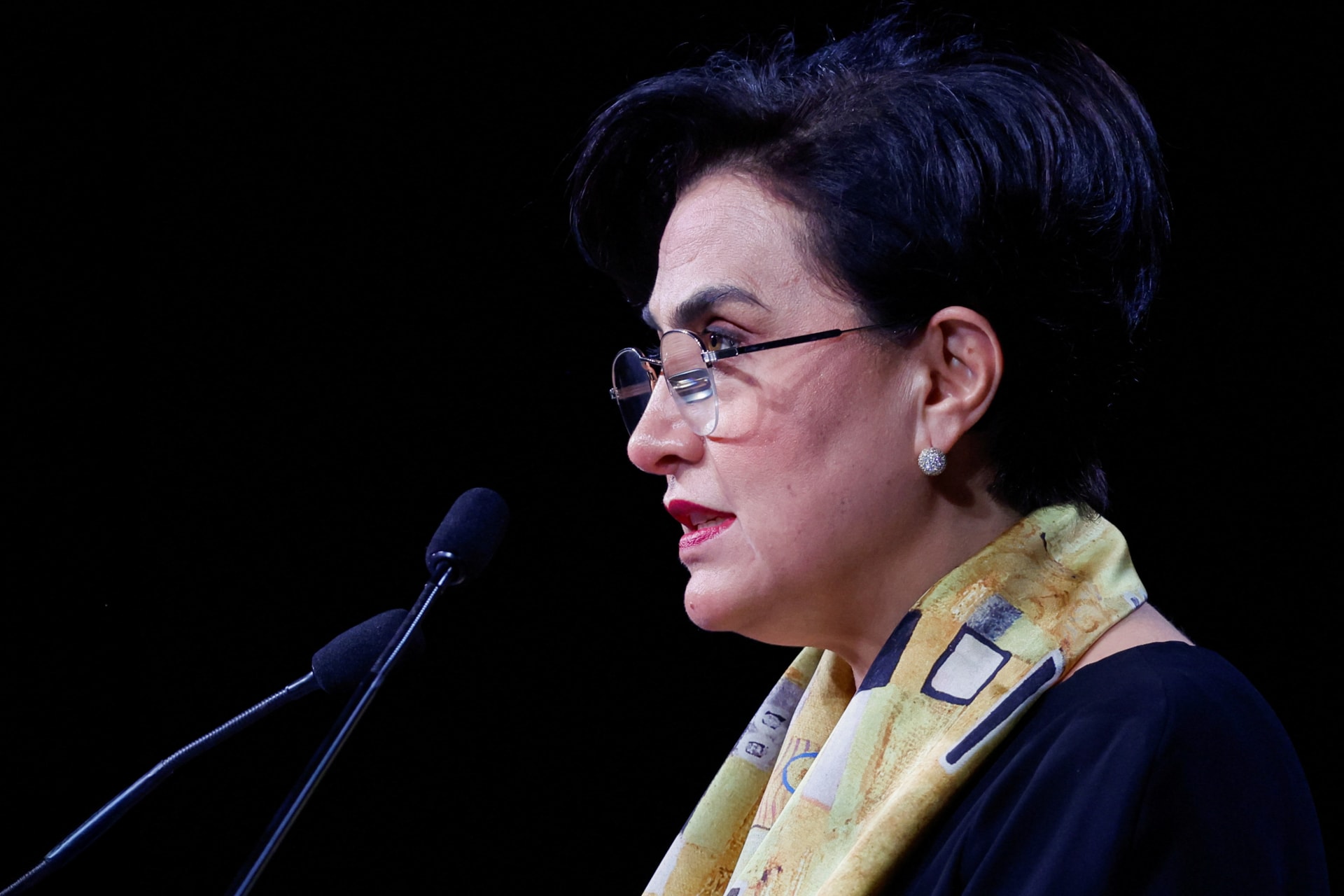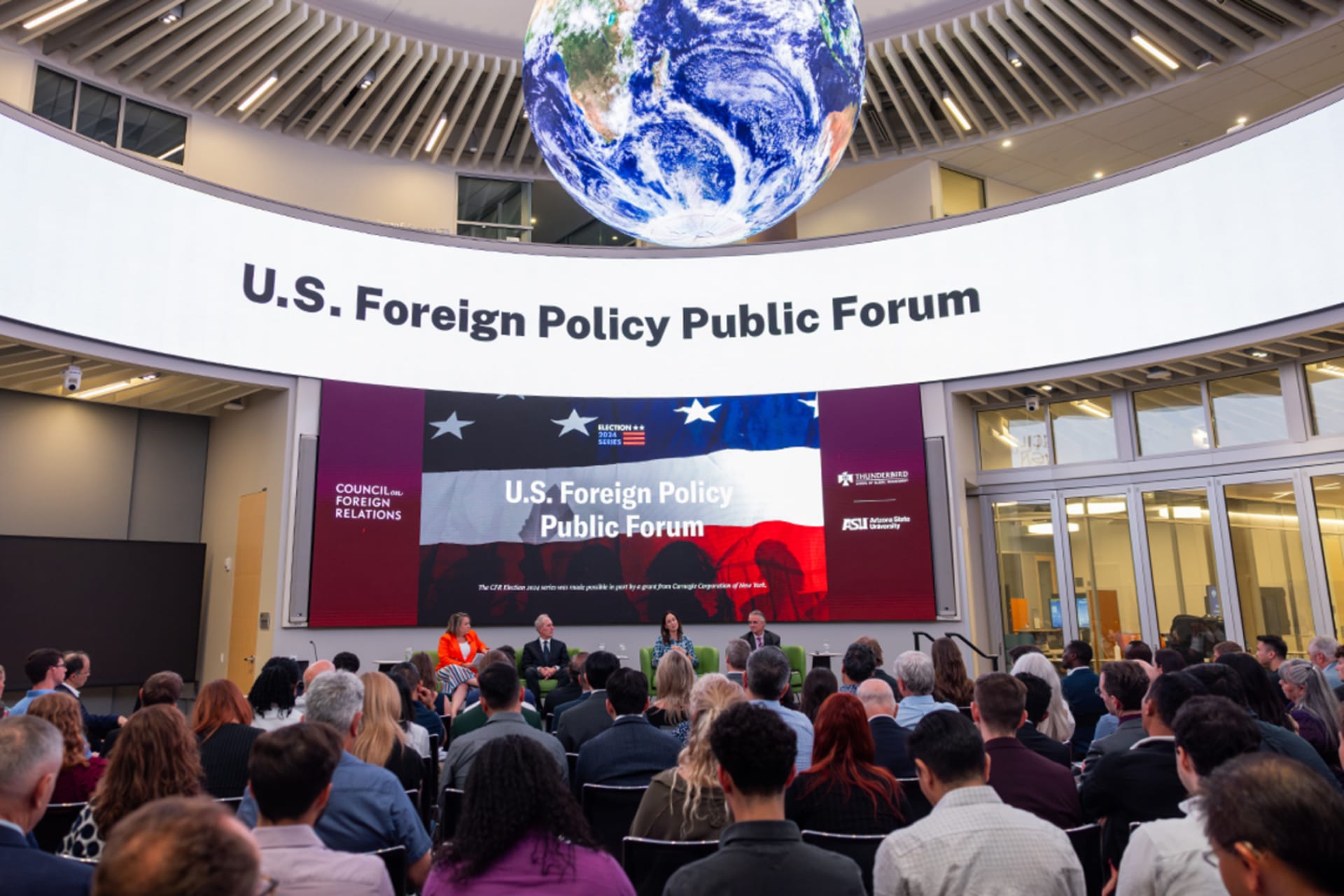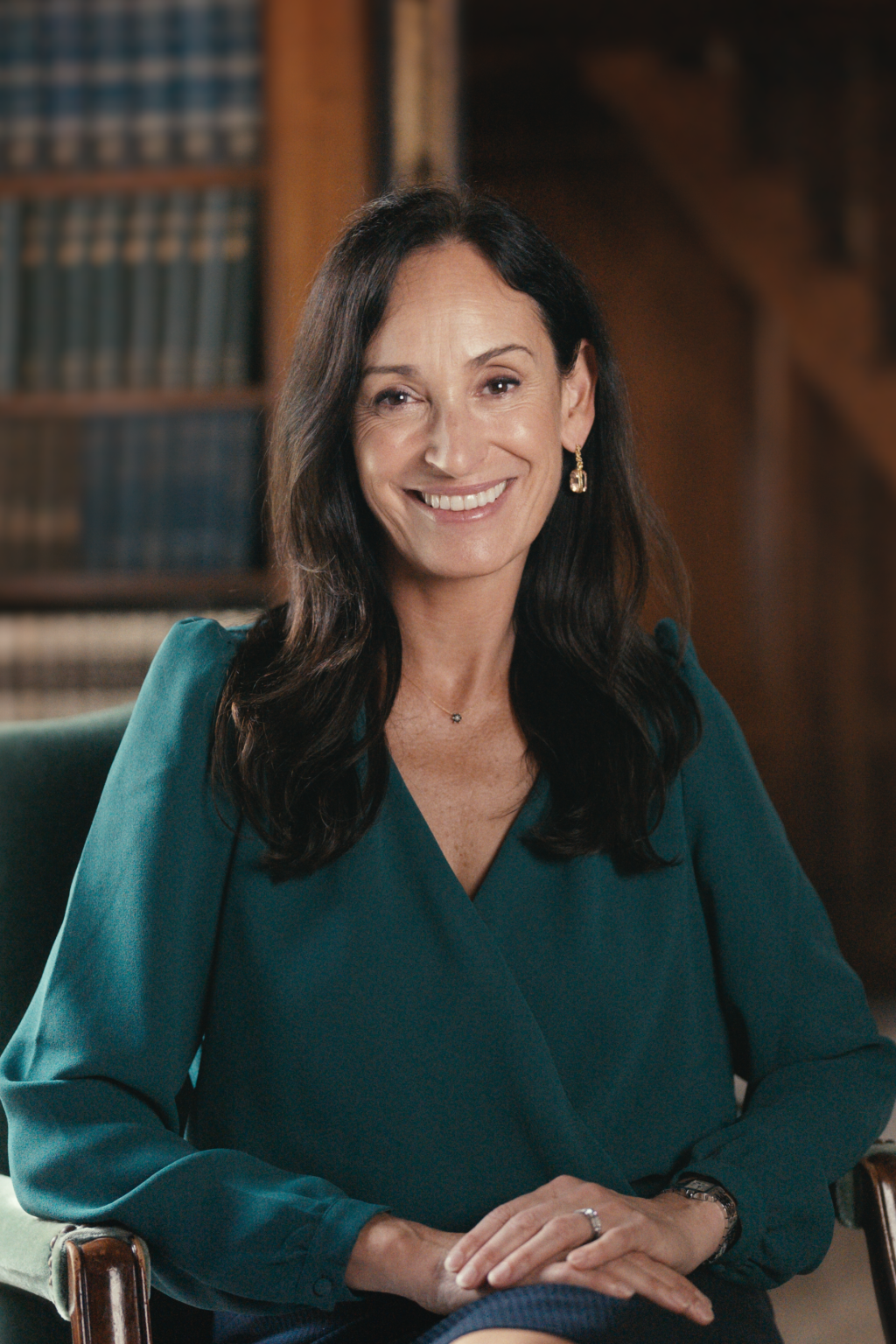
Shannon K. O’Neil is senior vice president of studies and Maurice R. Greenberg chair at the Council on Foreign Relations (CFR), where she oversees the work of the more than six dozen fellows in the David Rockefeller Studies Program as well as CFR’s fourteen fellowship programs. She is a leading authority on global trade, supply chains, Mexico, and Latin America.
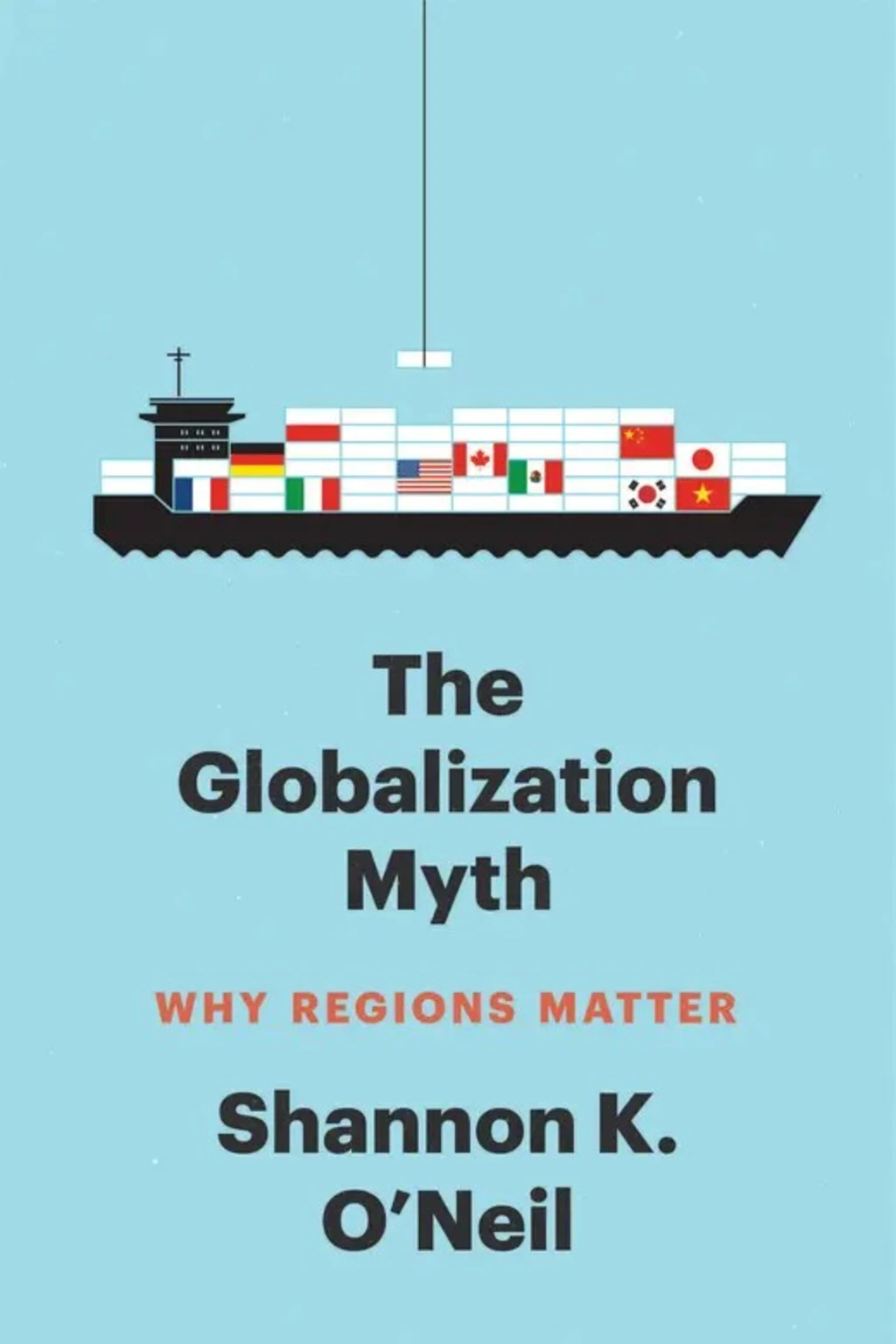
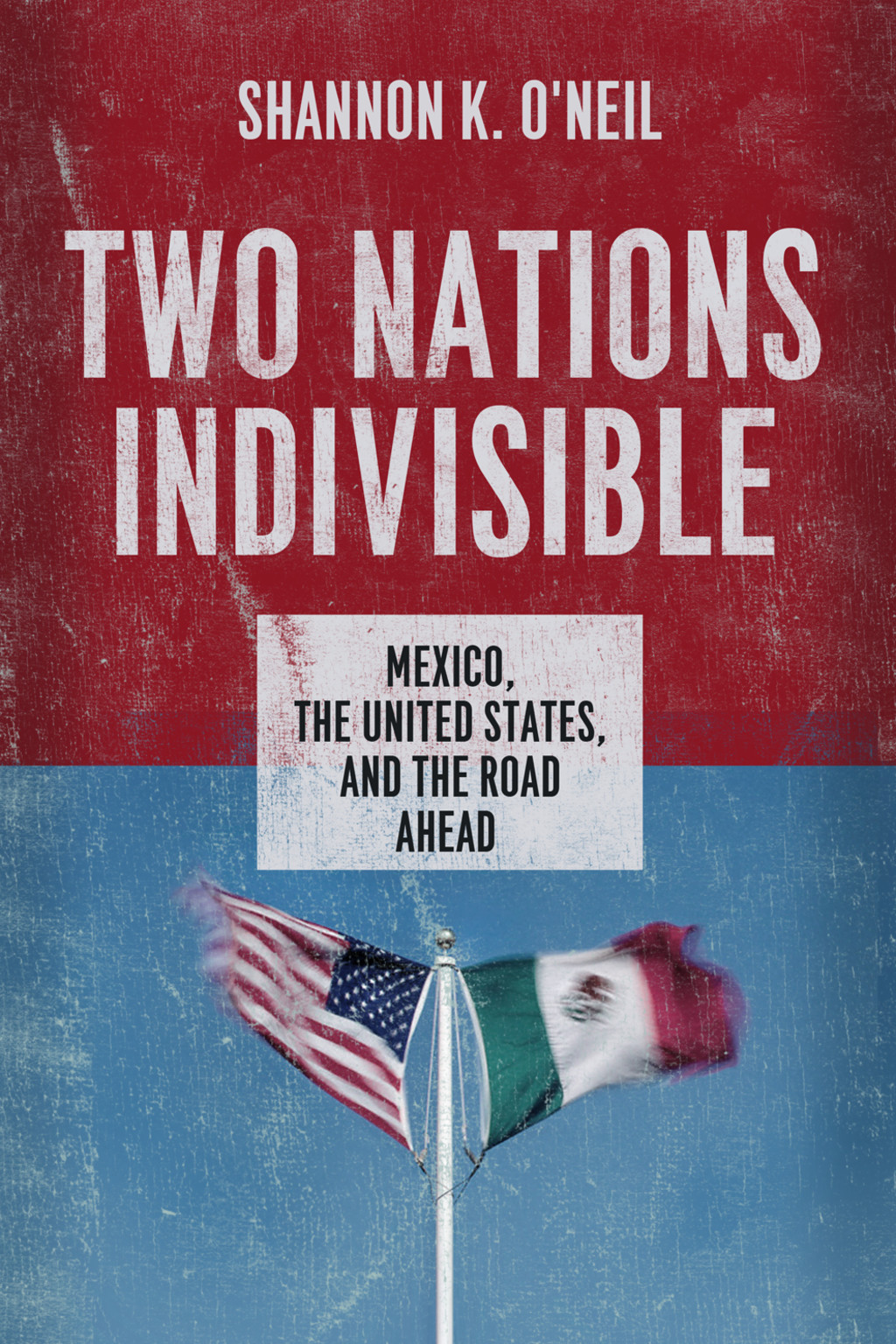
Dr. O’Neil is the author of The Globalization Myth: Why Regions Matter, which chronicles the rise of three main global manufacturing and supply chain hubs and what they mean for U.S. economic competitiveness. She also wrote Two Nations Indivisible: Mexico, the United States, and the Road Ahead, which analyzes the political, economic, and social transformations Mexico has undergone over the last three decades and why they matter for the United States. She is a columnist for Bloomberg Opinion, and a frequent guest on national broadcast news and radio programs. Dr. O’Neil has often testified before Congress, and regularly speaks at global academic, business, and policy conferences.
Dr. O’Neil has lived and worked in Mexico and Argentina. She was a Fulbright scholar and a Justice, Welfare, and Economics fellow at Harvard University, and has taught Latin American politics at Columbia University. Before turning to policy, Dr. O’Neil worked in the private sector as an equity analyst at Indosuez Capital and Credit Lyonnais Securities. She holds a BA from Yale University, an MA in international relations from Yale University, and a PhD in government from Harvard University. She is the chair of the board of directors of the Tinker Foundation.
Affiliations
- Bloomberg Opinion, columnist
- MacroAdvisory Partners, senior advisor
- Tinker Foundation, board of directors, member