Middle Powers Take Center Stage

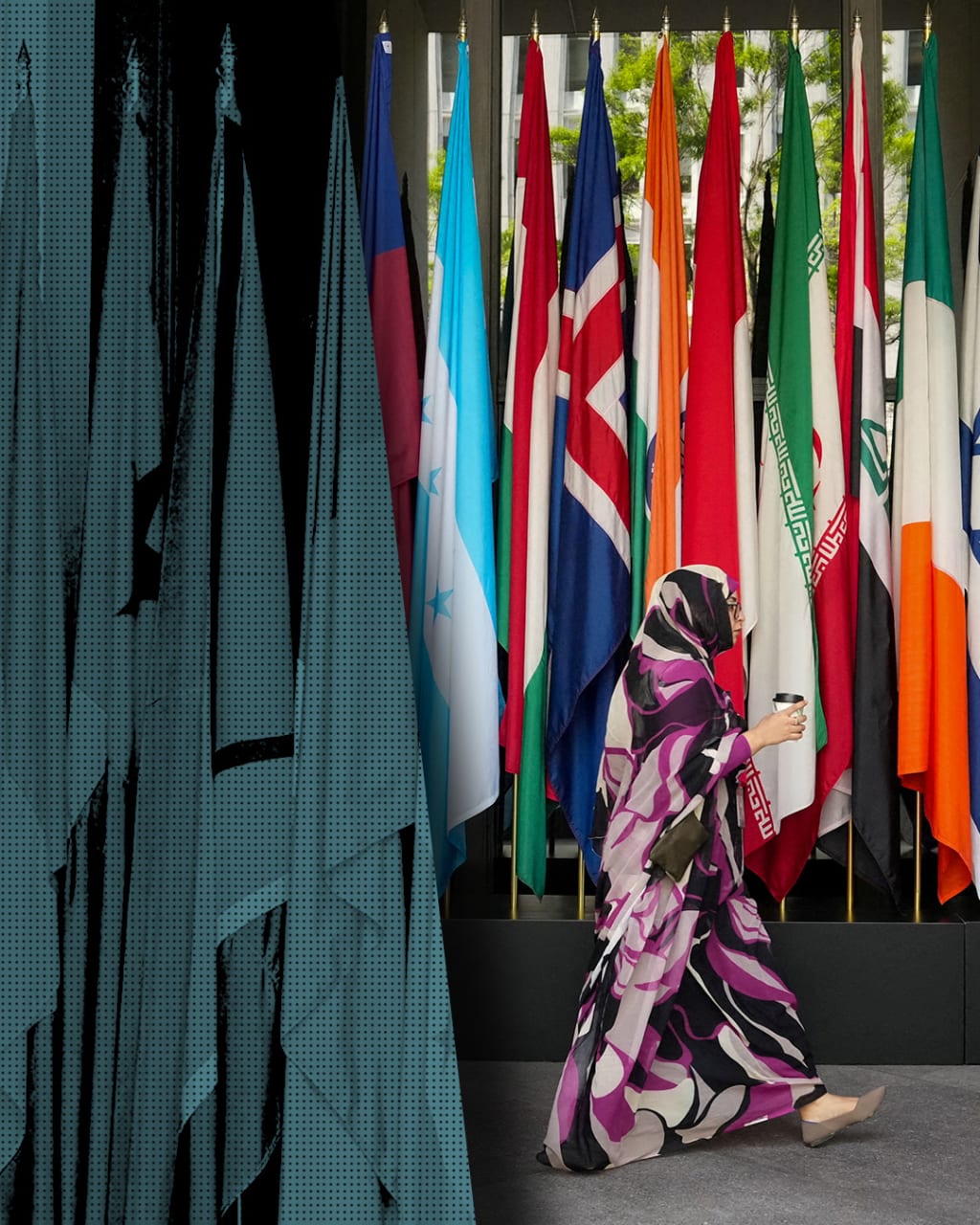
At the January 2026 annual gathering in Davos, U.S. allies were openly anxious. Canadian Prime Minister Mark Carney made the biggest splash, warning of “a rupture in the world order,” and suggesting that the United States was no longer a reliable ally or stabilizing force in world politics. Carney was not the only one who expressed concern. French President Emmanuel Macron described a shift to a “world without rules, where international law is trampled underfoot, and where the only law that seems to matter is that of the strongest.”
Commentators rushed to declare the collapse of the liberal international order. But international orders rarely collapse in a single dramatic moment. Instead, the world is seeing something different but equally hard to manage: fragmentation. Fragmentation means the rise of competing orders—coalitions of middle powers that claim to support the existing system but quietly build exclusive clubs with their own norms and rules. Middle powers are usually not revisionist, and many of them have been important partners of the United States. If they turn away from the liberal international order to build their own clubs, they could gradually speed up the order’s demise, and, in the absence of alternatives, sideline U.S. leadership.
It would be a mistake to pin this phenomenon entirely on President Donald Trump’s hostility toward the United States’ old alliances. The Biden administration did its fair share to normalize exclusive coalitions. By building such groups, it hoped to draw countries away from dependence on China and isolate Beijing. In April 2022, Treasury Secretary Janet Yellen promoted a “friendshoring” strategy, calling for supply chains to be redirected toward trusted countries aligned with the U.S. vision of the global economy. This strategy was anchored by the CHIPS and Science Act, the Inflation Reduction Act (IRA), and the Minerals Security Partnership. In practice, friendshoring meant restructuring critical mineral and semiconductor supply chains around a select group of countries while drawing a sharp line against China. While the Biden administration spoke the language of openness and multilateral cooperation—bedrock norms of the liberal international order—it was in fact operating through small, selective economic clubs. In other words, it was advancing the antithesis of the liberal order’s goals.
The IRA’s electric vehicle tax credits, for example, required that a rising share of critical minerals be sourced from the United States or countries in free trade agreements with Washington. This effectively disqualified most of the Global South from participating in the clean energy supply chain. The European Union protested that the IRA’s incentives discriminated against European and other trading partners by creating unfair competition and encouraging European companies to move their business to the United States.
The same was true of the Minerals Security Partnership, launched in 2022, which brought together a select group of mostly middle powers. Under this partnership, the United States, Australia, Japan, key European allies, South Korea, and a handful of other countries coordinated investment in critical mineral supply chains outside of Chinese control. But this initiative treated countries outside the club—including Indonesia and Chile, which sit atop some of the world’s largest mineral deposits—as sources of extraction rather than partners in governance. This exclusivity was resented, and even such groupings as the Quad (the informal strategic dialogue between the United States, Australia, India, and Japan), AUKUS (the trilateral security agreement among Australia, the United Kingdom, and the United States), and I2U2 (the partnership between the United States, India, Israel, and the United Arab Emirates) were greeted with suspicion by Southeast Asian countries, many of which had long leaned toward the United States.
For partners and potential partners watching those arrangements, the message was clear: the world order Carney invoked at Davos would be upheld not through inclusive alternatives but through invitation-only groupings determined in Washington.
That message was reinforced in the second Trump administration’s first year. Partnerships, if they were now to continue at all, were by invitation only and principally transactional. A shared history of cooperation meant little. And Trump repeatedly declared his disdain for the established norms that governed past alliances. He reiterated his willingness to leave long-established alliances, including NATO, and pushed tariffs as an unconventional economic tool to protect the U.S. economy and boost domestic manufacturing.
By the time Davos rolled around in January, the idea of exclusive coalitions with alternate norms to secure a country’s interests was completely normalized. Former firm U.S. allies regarded the United States as an unreliable partner and viewed China with unease. Carney and Macron’s speeches were simply a further push for middle powers—which had previously been confident in U.S. reliability—to hedge their bets and fashion smaller coalitions to protect themselves. Canada’s 2026 defense cooperation agreement with Denmark to secure the Arctic in the aftermath of Trump’s threats to invade Greenland was just the latest example of anxiety prompting countries to protect their strategic interests through smaller coalitions.
But those impromptu arrangements will have wide and long-lasting effects. Take India, for example. In 2025, the country signed a trade deal with the European Union in the wake of U.S. tariffs. If India diversifies away from the United States and directs its exports toward the European market, it will have to comply with EU regulations, locking it into treating the European Union as its primary trading partner. Over time, that could elevate EU regulatory standards above U.S. ones, creating a competing trade order almost by default.
Washington’s actions, if continued, will create a world in which most middle powers will, without becoming U.S. adversaries, no longer be the reliable allies and partners they once were. That could suit the present administration just fine, but in the long run, if Washington is to lead a new international order, this is the group of countries U.S. leaders will need to persuade. Unlike Beijing, Washington has a long history of working with middle power friends and allies toward common goals that are attractive to many countries. If future U.S. administrations do not lean into this shared history and prioritize the need to rebuild and reinforce partnerships, the United States will find it hard to project its power and advance its interests.
More from the Future of American Strategy >>