The Strait of Hormuz: A U.S.-Iran Maritime Flash Point
The narrow and congested Mideast waterway has become a site of escalating U.S.-Iran tensions. Trump’s war on Iran has placed it in the middle of the battlefield, driving a spike in oil and gas prices worldwide.
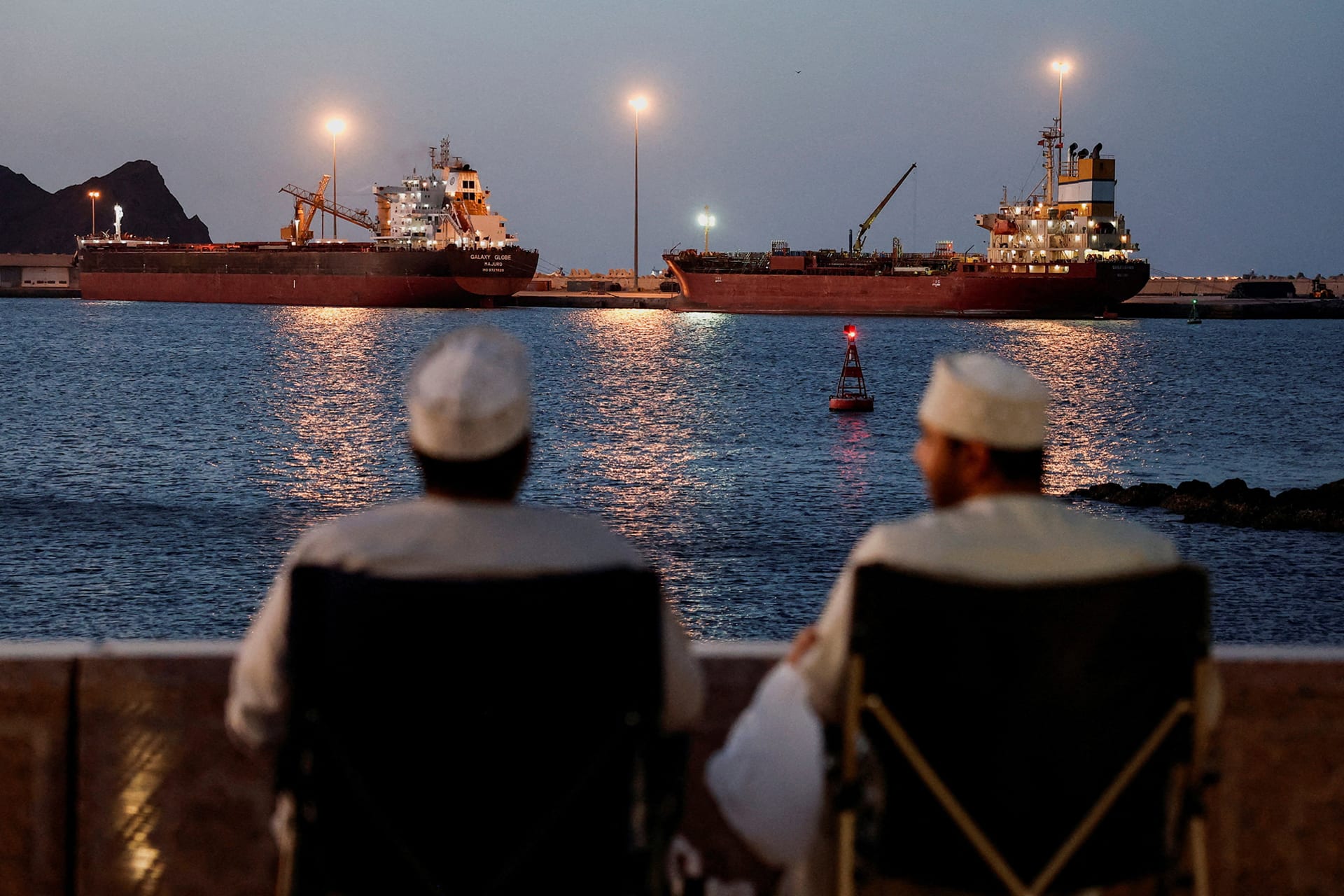
The Strait of Hormuz remains a focal point of U.S.-Iran conflict following the collapse of a sixty-day ceasefire negotiated in mid-June 2026. After resuming tit-for-tat strikes, the two countries are once again locked in a struggle for control over the Mideast waterway, considered a major maritime choke point for global energy supplies.
Why is the Strait of Hormuz important?
The International Energy Agency describes the Strait of Hormuz—located between Iran, Oman, and the United Arab Emirates—as being “one of the world’s most critical oil transit choke points.” Nearby Gulf countries, including Kuwait and Saudi Arabia, rely on unimpeded transit through the strait to access global oil markets.
Almost 21 million barrels per day of crude oil and petroleum products crossed the Strait of Hormuz in the first half of 2025, according to the U.S. Energy Information Administration. The waterway accounts for approximately one-fifth of the world’s oil and natural gas supply.
How did Iran assert control of the Strait of Hormuz?
After the initial U.S.-Israeli strike on February 28 that killed Iranian Supreme Leader Ayatollah Ali Khamenei, Tehran retaliated by attacking ships in the Strait of Hormuz. Ship traffic data showed a 70 percent drop in the number of vessels traversing the strait after the launch of Operation Epic Fury, while oil and gas prices surged.
In the months that followed, tensions over the waterway grew. The United States imposed a naval blockade and attacked Iranian vessels there, while Iran laid undersea mines and repeatedly closed the strait to all traffic. Tehran’s actions underscored its willingness and ability not only to disrupt traffic through the waterway but also to use control over access to it as leverage.
The closure of the strait has reportedly caused the largest global oil disruption in history—three times larger than the 1973 Arab oil embargo, according to Rapidan Energy Group, a Washington-based independent energy market firm. Shipping companies have diverted their vessels around the southern tip of Africa to avoid the conflict, which experts say increases both the cost and time of shipping. These effects have spilled over into buyers’ markets, including several Asian countries, causing fuel shortages, blackouts, and various measures to preserve limited energy supplies.
What are the latest problems in the Strait of Hormuz?
Once U.S. and Iranian negotiators struck a ceasefire agreement in June 2026, the Strait of Hormuz was set to reopen and fighting was to halt for sixty days. The deal was intended to pave the way for negotiations on the two countries’ more contentious issues, such as Iran’s nuclear enrichment program and proxy fighter groups in the Middle East. However, the deal “was widely criticized as an act of appeasement on Trump’s part after failing to reopen the waterway by military force or to achieve his other military objectives,” defense expert Max Boot wrote for CFR. Iran briefly did open the strait, allowing limited traffic through the waterway.
But after a flurry of renewed attacks between the two countries, the truce collapsed on July 8. Days later, Iran announced the Strait of Hormuz was again closed, while Trump declared the U.S. naval blockade revived, adding that he would also impose a 20 percent toll on cargo traversing the waterway. Meanwhile, Iran has repeatedly threatened to levy its own “user fees” on ships that travel past its littoral space along the strait.
Iran’s use of the strait as a bargaining chip is not unprecedented. Iranian officials threatened to close the waterway in April 2019 after Trump ended sanctions waivers for importers of Iranian oil, effectively eliminating a vital source of revenue for Tehran. The United States has long considered freedom of navigation a vital interest, setting the stage for confrontation should Iran try to block shipping in the waterway. During the Iran–Iraq War, U.S. naval ships escorted oil tankers through the strait, and in 1987, U.S. forces fired on Iranian forces laying mines in the Gulf, killing four sailors.
Still, experts say that even after a sustained reopening of the strait, it will be months, if not years, before business as usual returns for most countries in the region. Since the ceasefire was announced in June, very few ships have been able to cross the Strait of Hormuz, and the renewed fighting has squandered the chance of returning to normalcy soon.
“Iran has seen how it could hold the entire world hostage by controlling the Strait of Hormuz, and it is in no hurry to relinquish that control,” Boot wrote. “Trump is left with an unpalatable choice: Either acquiesce to Iran charging a toll for traffic through the strait or else run the significant risks of military escalation.”
Colophon
Data Visualization
- Will Merrow
- Austin Steinhart
Additional Reporting
Diana Roy, Kaleah Haddock, and Isabel McDermott contributed to this article.