Trump’s CIA Ops in Venezuela
By experts and staff
- Published
- CFR Editors
Welcome to the Daily News Brief, CFR’s flagship morning newsletter summarizing the top global news and analysis of the day.
Subscribe to the Daily News Brief to receive it every weekday morning.
Top of the Agenda
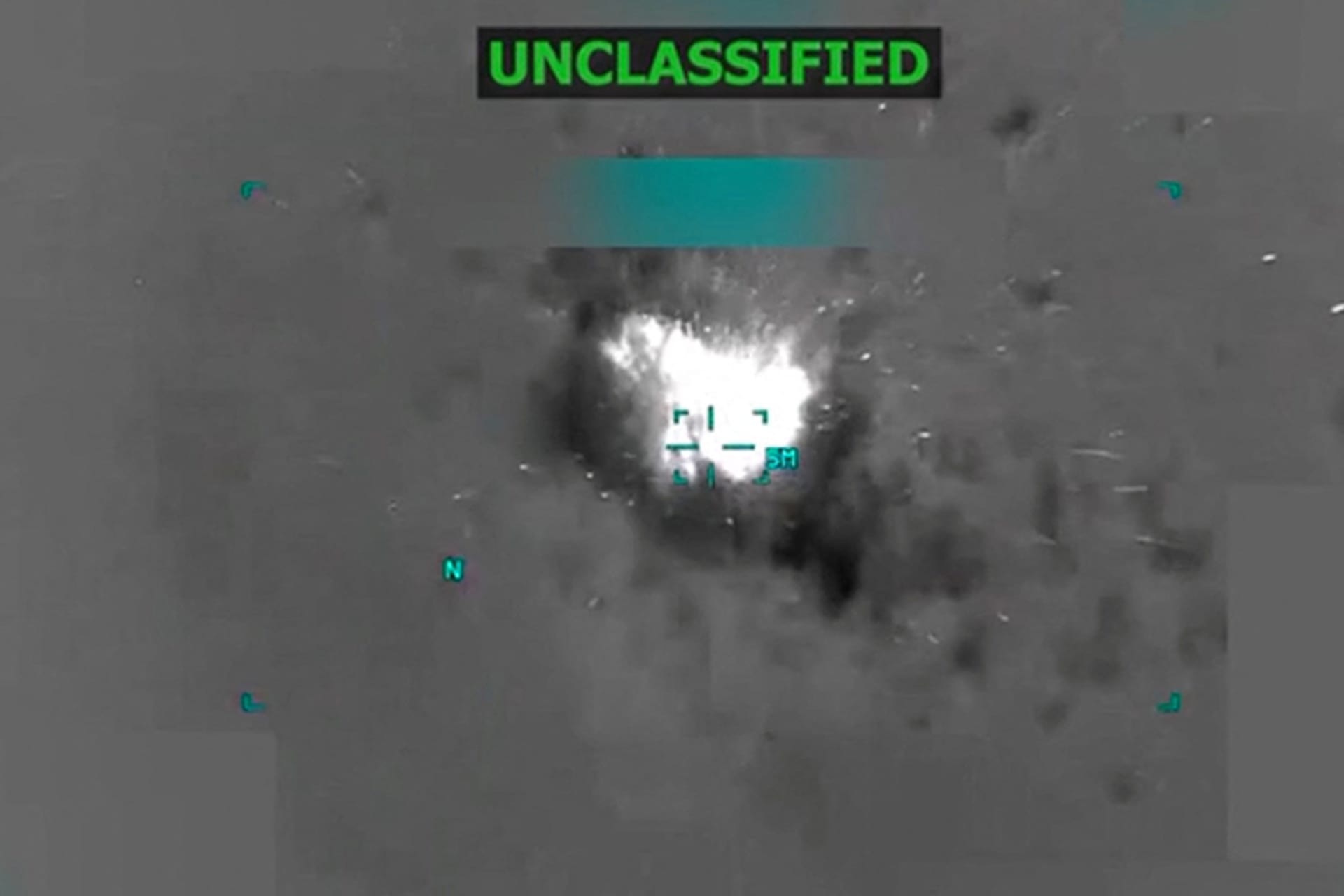
Trump said yesterday he had greenlit covert CIA actions inside Venezuela and threatened to carry out military strikes inside the country, escalating tensions between Caracas and Washington. Trump said he authorized CIA action in response to flows of migrants and drugs. Over the past few weeks the U.S. military has killed dozens of people in targeted strikes on boats off the coast of Venezuela. Trump has claimed without evidence that the boats were engaged in drug smuggling. The campaign has prompted pushback domestically—with bipartisan U.S. lawmakers seeking more details—and from Venezuela’s government.
The latest. Trump acknowledged the CIA authorization yesterday hours after the New York Times broke the story, claiming with scant evidence that his administration had “almost totally stopped” drug trafficking by sea and “now we’ll stop it by land.” He has described those targeted in boat strikes as “narcoterrorists” and issued a declaration to Congress that the United States is in an “armed conflict” with drug cartels. Venezuelan President Nicolás Maduro said yesterday he rejected the prospect of war, while Venezuela’s foreign ministry said Trump’s actions “against the peace and stability of Venezuela” violated international law.
Open questions. The recent U.S. strikes in the Caribbean may have not only killed Venezuelans, according to media reports. Two unnamed people briefed by the Pentagon on the strikes told CNN that at least one strike targeted Colombians on a boat departing from Colombia. Trinidad and Tobago police said they were investigating the possibility that two citizens of the country were among those killed. In Washington, Republican members of Congress have mostly voiced their reservations in private, while Sen. Jeanne Shaheen (D-NH) said yesterday that Trump’s CIA authorization, strikes, and suggestions of land operations “slides the United States closer to outright conflict with no transparency, oversight, or apparent guardrails.”
“Major international cartels are brutally violent and drug trafficking is an enormously destructive problem in the United States…But, to date, the administration hasn’t persuasively made the legal case that drug cartels are waging war against us like al-Qaeda was, nor is it clear whether the White House acknowledges any limits to its theory—one that unlocks the most extreme legal powers a state can wield. Part of the problem is that the Trump administration has been so opaque about its legal basis and about the facts surrounding its recent strikes. That’s a mistake that exacerbates the legal problems.” —CFR Adjunct Senior Fellow Matthew C. Waxman in an Expert Brief
Across the Globe
Sharaa in Moscow. Syria will honor past deals with Russia, Interim Syrian President Ahmed al-Sharaa told Russian President Vladimir Putin yesterday. Russia has sought to retain control of its military bases in Syria following the ouster of its ally, Bashar al-Assad. Sharaa’s visit was particularly sensitive given that Russia is harboring Assad. The two leaders also discussed potential energy and infrastructure projects.
European security talks. The United States will impose “costs” on Russia if the war in Ukraine does not end soon, U.S. Defense Secretary Pete Hegseth said yesterday at a NATO meeting. At the same meeting, NATO’s secretary-general said the alliance and the European Union are coordinating on a drone defense plan for European countries.
Afghanistan-Pakistan truce. The two countries announced a temporary ceasefire following days of deadly cross-border clashes and appeals for de-escalation from regional neighbors such as Saudi Arabia and Qatar. Pakistan’s foreign ministry said the truce would last forty-eight hours. The self-declared Islamic State as well as al-Qaeda are trying to resurface in the region, the Associated Press reported.
AU suspends Madagascar. The African Union suspended the country’s membership following a military coup. Army Colonel Michael Randrianirina is due to be sworn in as Madagascar’s transitional president tomorrow, a statement on state television announced. Madagascar follows fellow former French colonies Burkina Faso, Gabon, Guinea, Mali, and Niger, which have all fallen under military control since 2020.
More U.S. support for Argentina. In addition to $20 billion in previously announced direct U.S. support for Argentina, U.S. Treasury Secretary Scott Bessent said yesterday that the United States would help assemble an additional $20 billion from private banks and sovereign wealth funds to help the country repay its debts. Washington seeks to boost support for Argentine President Javier Milei ahead of upcoming elections. Bessent did not provide more details on the newly announced funding.
Cambodia-Thailand climbdown. Cambodia is ready to sign a peace deal with Thailand following border clashes earlier this year, a spokesperson for the ruling party said yesterday. Trump has called for a peace deal ahead of his expected trip this month to Malaysia, which helped mediate a reduction in tensions between the two countries. Thailand did not immediately comment.
Protests in Peru. Antigovernment protests have continued following last week’s ousting of former President Dina Boluarte, with demonstrators demanding action to address insecurity in the country. One person was killed and more than one hundred were wounded in Lima yesterday; protesters clashed with police while attempting to breach a security barrier around Congress. New President José Jerí expressed regret for the demonstrator’s death and pledged to ameliorate crime.
Australia rainforest emissions. Tropical rainforest trees in Queensland, northeast Australia, have become the first in the world to shift from absorbing to emitting greenhouse gases due to hot, dry conditions, according to new research published in Nature. The study examined data on trees’ trunks and branches over almost fifty years and found a shift began around twenty-five years ago.
What’s Next
Today, officials from dozens of countries attend the Arctic Circle Assembly in Iceland.
Today, Canada’s foreign minister begins a visit to China.
Today, Morocco’s foreign minister visits Russia.
Tomorrow, Ukrainian President Volodymyr Zelenskyy visits Washington, DC.