Woodrow Wilson Asks Congress to Declare War on Germany
Presidential campaign promises can be easier to make than to keep.
By experts and staff
- Published
Experts
![]() By James M. LindsayMary and David Boies Distinguished Senior Fellow in U.S. Foreign Policy
By James M. LindsayMary and David Boies Distinguished Senior Fellow in U.S. Foreign Policy

Presidents win elections by making promises to voters. Sometimes they break those promises. Donald Trump is an obvious case in point. He campaigned in 2024 vowing: “I’m not going to start a war. I’m going to stop wars.” The United States is now at war with Iran.
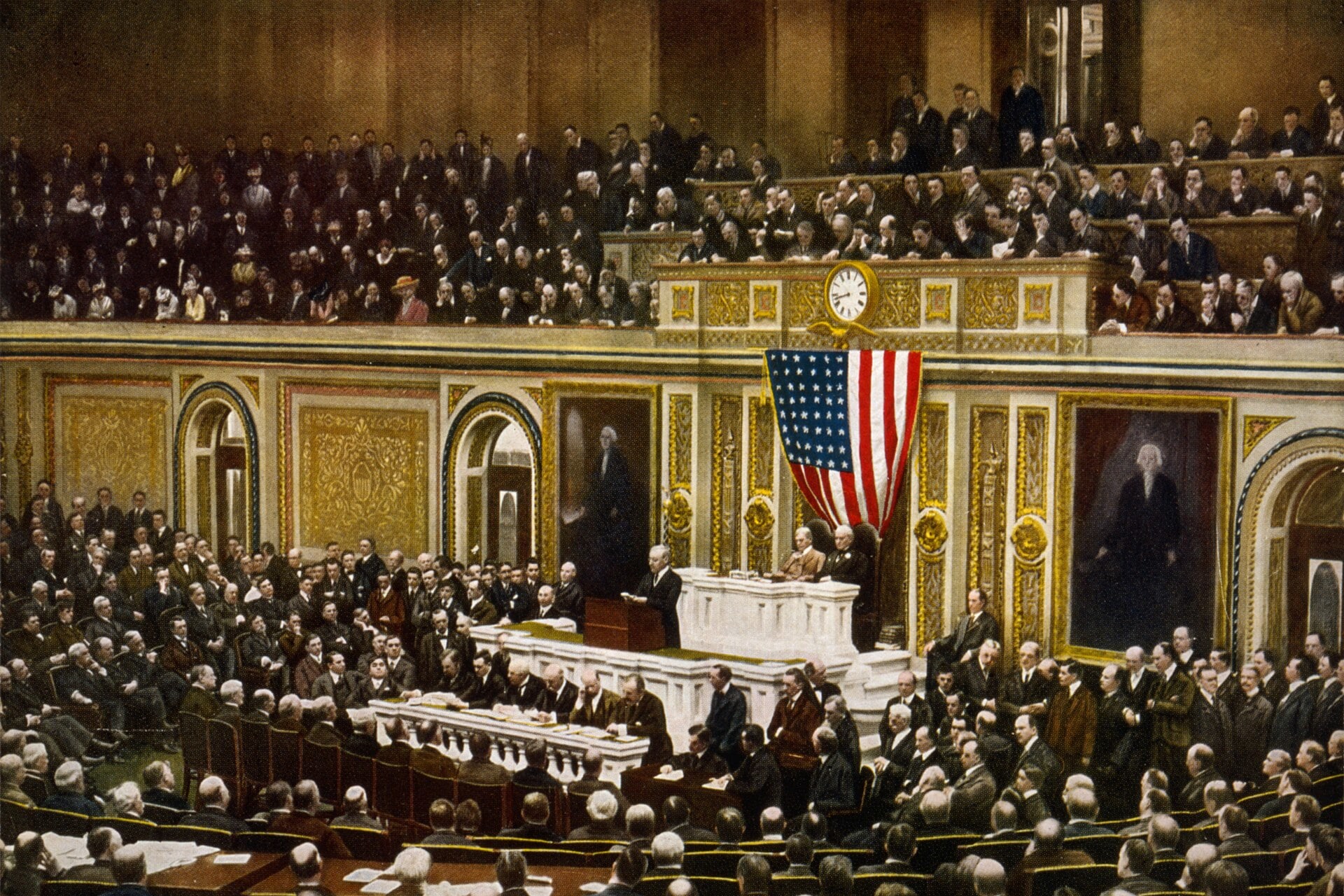
You might think that Trump stands alone in breaking a campaign pledge to keep the United States out of war. After all, reneging on a promise not to send U.S. troops into harm’s way is qualitatively different from breaking a pledge not to raise taxes. But you would be wrong. Just ask Woodrow Wilson. He ran for reelection in November 1916 vowing to keep the United States out of World War I. Yet five months later, on April 2, 1917, he stood in the well of the House of Representatives and advised Congress to declare war on Germany.
In a recent survey that the Council on Foreign Relations conducted, members of the Society for Historians of American Foreign Relations ranked the U.S. entry into World War I as the sixteenth best decision in U.S. foreign policy history. Time will tell how historians, and the American people, judge Trump’s decision to launch Operation Epic Fury.
A Domestic Policy President
Foreign policy, let alone war, was far from Woodrow Wilson’s mind when he won election in 1912. He was headed to Washington to tackle domestic problems. He had defeated incumbent Republican President William Howard Taft and third-party candidate and former President Theodore Roosevelt with his promise of a New Freedom, an ambitious call to expand the federal government’s role in promoting economic competition and protecting worker rights.
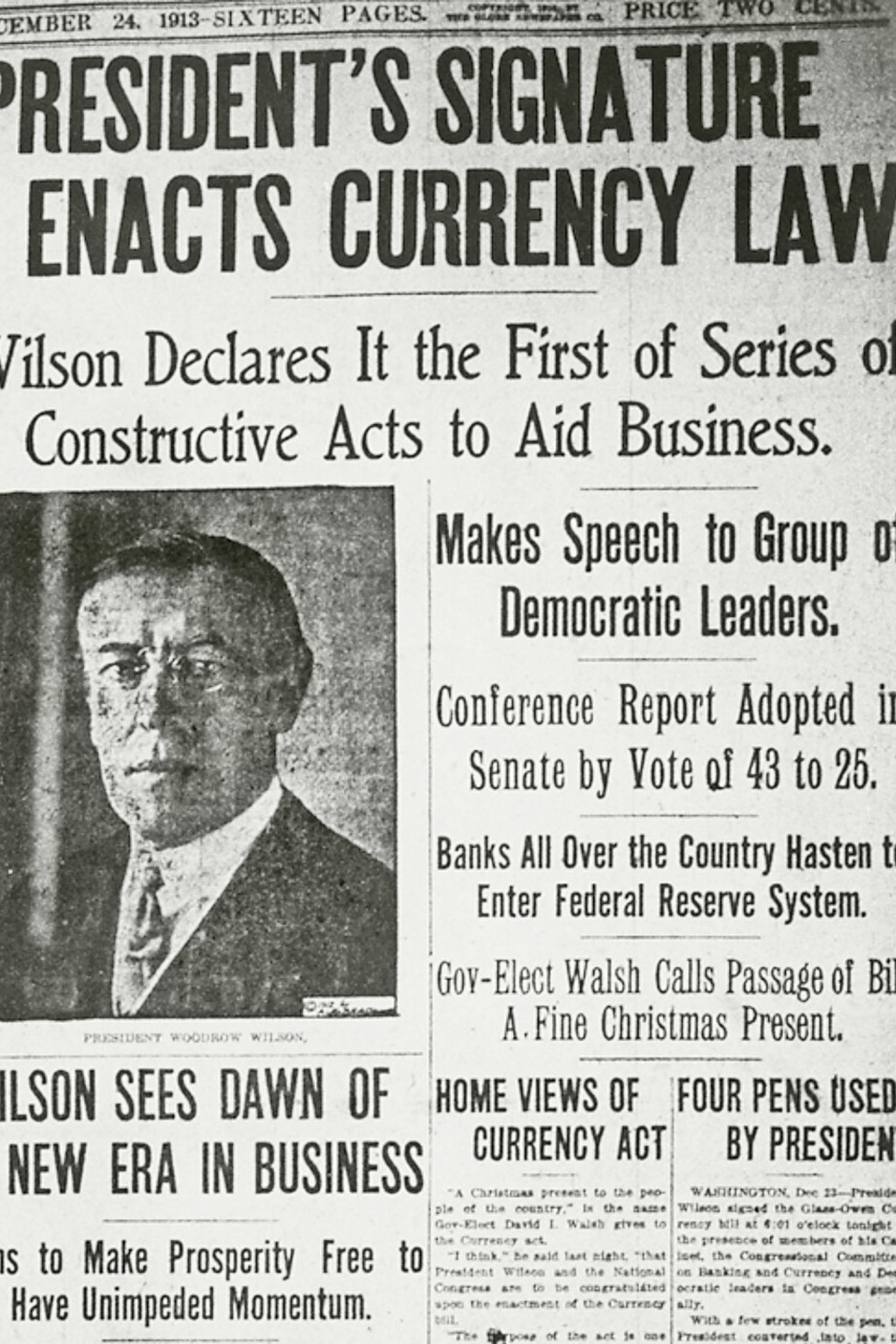
Wilson spent much of his first term making good on his promise. Among other things, he persuaded Congress to institute a graduated federal income tax, establish the Federal Reserve and the Federal Trade Commission, and prohibit child labor.
Despite his focus on America’s problems at home, Wilson knew that he might be tested by events overseas. He told an old colleague shortly before being sworn in as president on March 4, 1913: “It would be the irony of fate if my administration had to deal chiefly with foreign problems.”
Wilson was likely thinking about problems with America’s neighbors to the south when he made that remark. The Mexican Revolution had begun in 1911, and the Taft administration had intervened in Cuba, the Dominican Republic, and Nicaragua. Relations with Latin America would indeed test Wilson. But his defining foreign policy challenge, and the one that etched his name on the list of most consequential U.S. presidents, came from another direction entirely.
Europe Declares War, the United States Declares Neutrality
Europe erupted in war in August 1914. Americans may have viewed the news as a tragedy; they did not see it as affecting their own security. Since the days of Washington’s Farewell Address, Americans had strenuously avoided what Thomas Jefferson called “entangling alliances” with Europe. So it was unsurprising that Wilson responded to the war’s outbreak by declaring the United States neutral.
For Wilson, war in Europe was as much a domestic political issue as it was a foreign policy one. In 1914, one out of seven U.S. residents was foreign born, and many more were second- or third generation immigrants. Sympathies (and antagonisms) toward the war’s protagonists frequently followed ancestral ties. German immigrants and their children favored the Kaiser or at least opposed calls for the United States to aid Britain. Most Irish Americans, bitter over centuries of oppressive English rule and Britain’s refusal to grant Irish independence, felt the same way. Americans of English and French descent felt just the opposite.
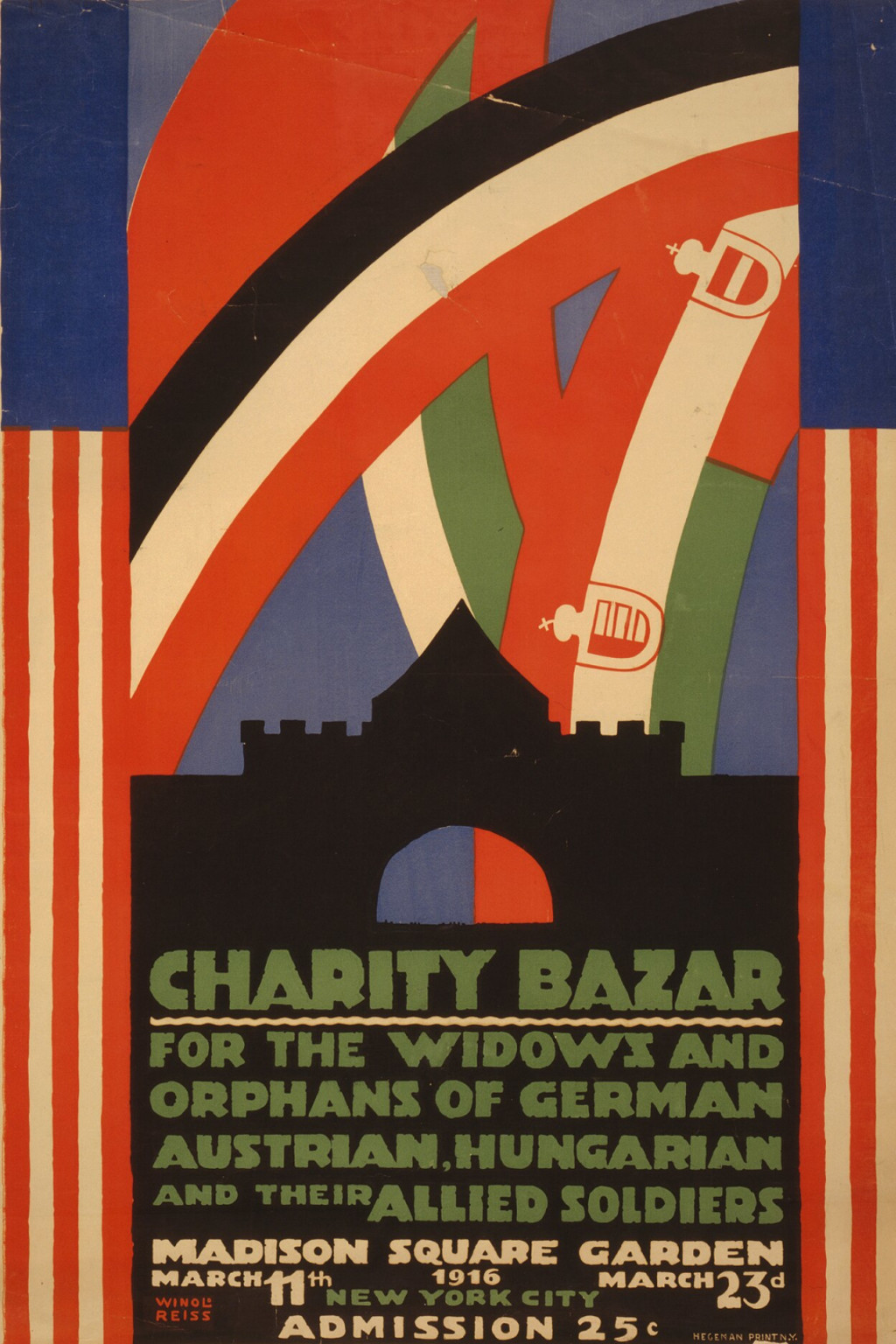
Wilson recognized that the war could damage the country and his own political prospects. He told the German ambassador that neutrality was necessary because “otherwise our mixed populations would wage war on each other.” Indeed, he went so far as to urge Americans to remain “impartial in thought as well as in action.”
The Challenges of Neutrality
Members of Wilson’s cabinet agreed that the United States should remain neutral. None did so more fervently than his secretary of state, William Jennings Bryan. At the time, Bryan was beloved by his fellow Democrats. He had been their presidential nominee in 1896, 1900, and 1908, and he had helped engineer Wilson’s rise to the White House. While not a pacifist—Bryan supported the Spanish-American War—he had long championed the idea that countries should use arbitration and negotiation rather than force to settle disputes. If anything, Bryan wanted Wilson to be even more scrupulous in enforcing neutrality, including by forbidding Americans from traveling to war zones.
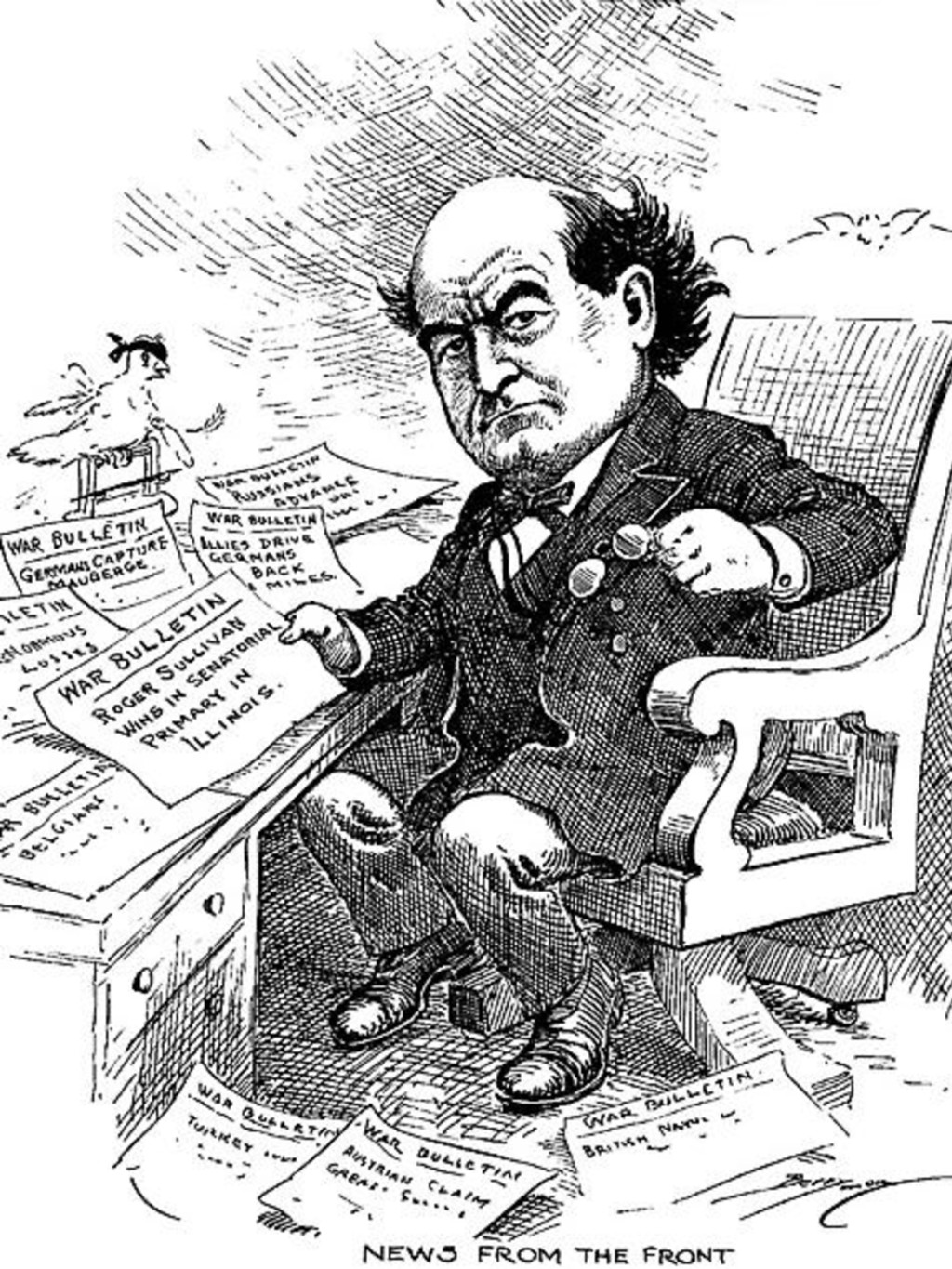
Wilson was not willing to go as far as Bryan wanted. He still found it easier, however, to preach neutrality than to maintain it. Britain and France had long been major destinations for U.S. exports. That trade exploded once the war began as both countries sought to keep their armies well-armed, fed, and clothed. That in turn fueled an economic boom in the United States. As hopes for a quick end to the war faded and the British and French treasuries were drained by the expense of the fighting, Wilson came under pressure to permit the Allied Powers to borrow money in the United States to finance their purchases. He ultimately agreed. As his secretary of the treasury put it: “To maintain our prosperity we must finance it.”
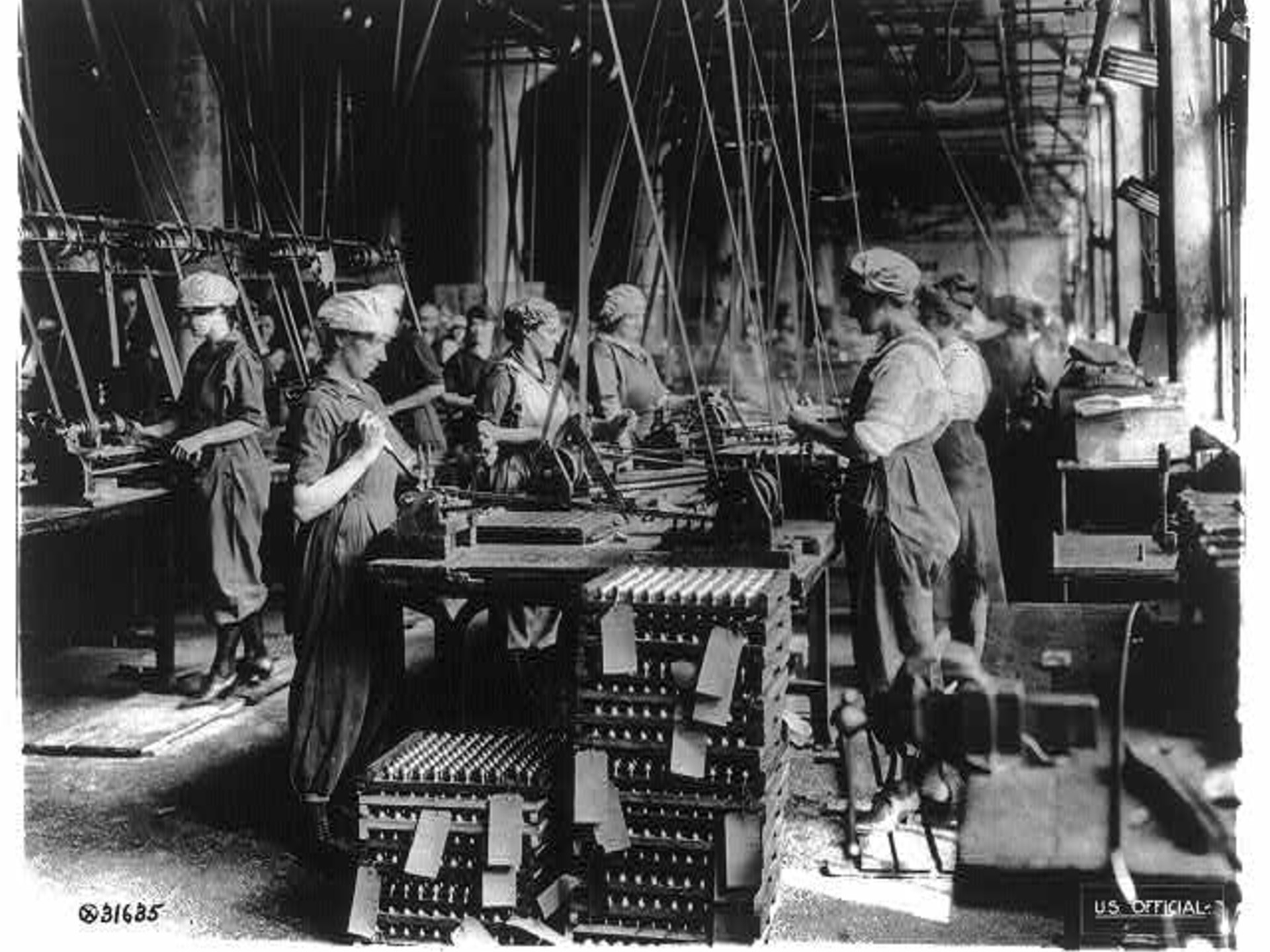
Germany did not have the option to trade with the United States or to borrow money. The British Navy bottled up the German fleet early in the war. That effectively cut Germany off from ocean going trade. Germany’s only effective naval asset was a relatively new weapon of war, the submarine or U-boat.
By 1916, the imbalance in U.S. relations with the two sides of the war was clear. U.S. trade with the Allied Powers stood at $3.2 billion. In comparison, trade with Germany and the Central Powers had shriveled to a mere $1 million. Wilson continued to insist that the United States was neutral. From Germany’s perspective, however, the United States looked to be a British and French ally.
German Submarine Warfare
Berlin refused to let support to its mortal enemies go unchallenged. German submarines sank neutral shipping where they could, sometimes with a stunning loss of life. On May 7, 1915, a German U-boat sank the Lusitania, a British luxury liner, killing 1,198 people, including 128 Americans. Most Americans saw the attack as barbaric and uncivilized. The fact that Germany had warned months earlier that all ships in British waters were subject to attack and had even placed ads in New York newspapers warning against travel on the Lusitania did little to change views. Reports that the liner was ferrying guns and ammunition to Britain also had little impact.
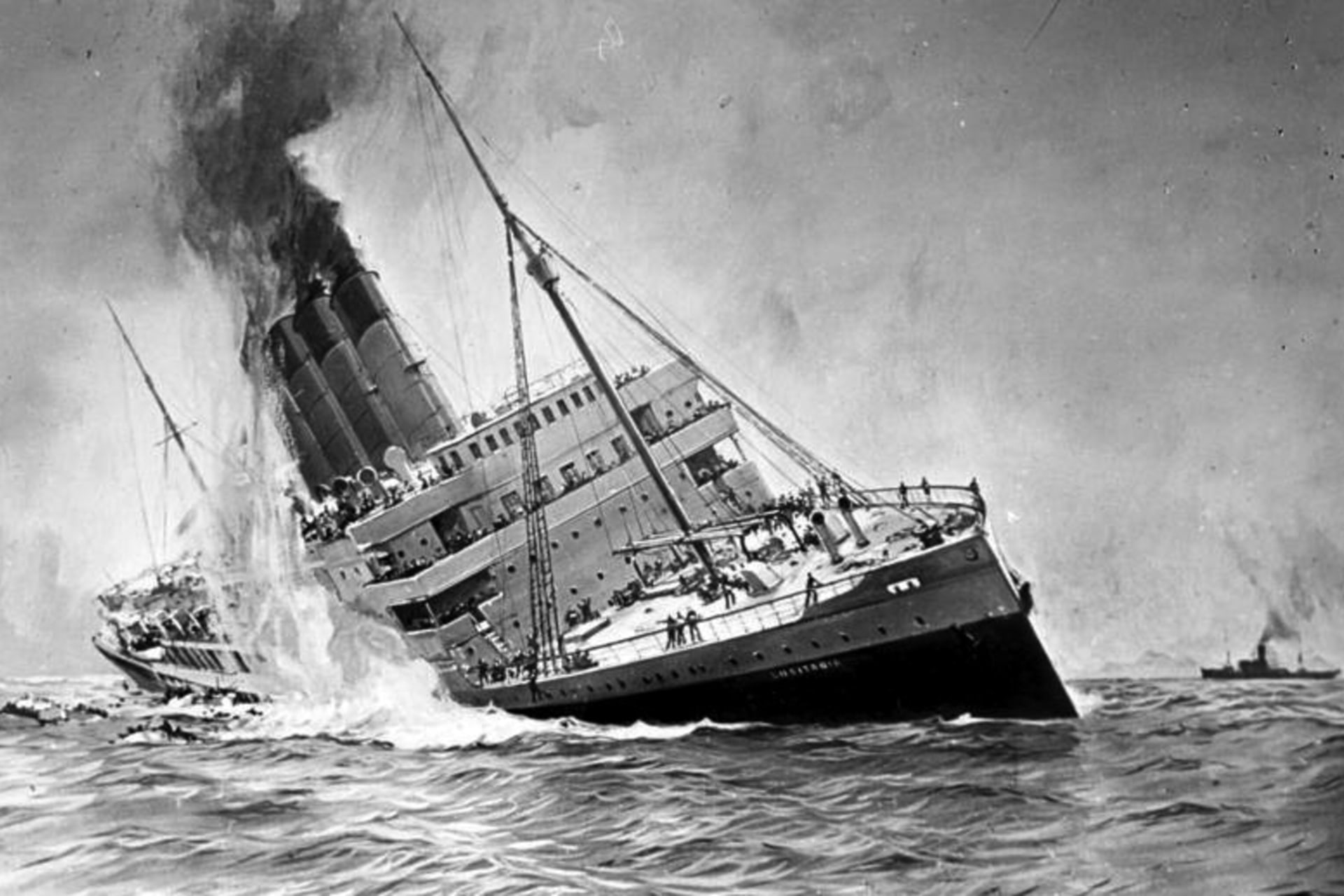
Wilson never considered an armed response to Lusitania’s sinking. He instead responded with a stern diplomatic protest to Berlin. Even that was too much for Bryan. When Wilson refused to couple his rebuke of Berlin with a denunciation of the numerous ways that London had violated U.S. neutral rights, Bryan resigned as secretary of state.
What was too much for Bryan was far too little for those Americans who viewed neutrality as a feckless policy. Roosevelt was the leading voice on that score. The former president was biting in his criticism. His complaint that Wilson championed a “cult of cowardice” was among his more gentle barbs. And TR had his fans in the press. The day after the sinking of the Lusitania, the New York Herald ran a headline exclaiming: “WHAT A PITY THEODORE ROOSEVELT IS NOT PRESIDENT!”
Despite being criticized for doing both too much and too little, Wilson could claim that his concerted diplomatic pressure had succeeded. In September, Berlin agreed to curtail its submarine attacks, at least for a time.
The Drumbeats of War
While Roosevelt and others continued to call for a more muscular foreign policy, Wilson ran for reelection in 1916 on a peace platform. His slogan was simple: “He Kept Us Out of War.” The message worked. Wilson won a tight election over Charles Evans Hughes, who resigned his seat on the Supreme Court to run for the White House. (How tight? Had Hughes won four thousand more votes in California he would have won the state and with it, the presidency.)
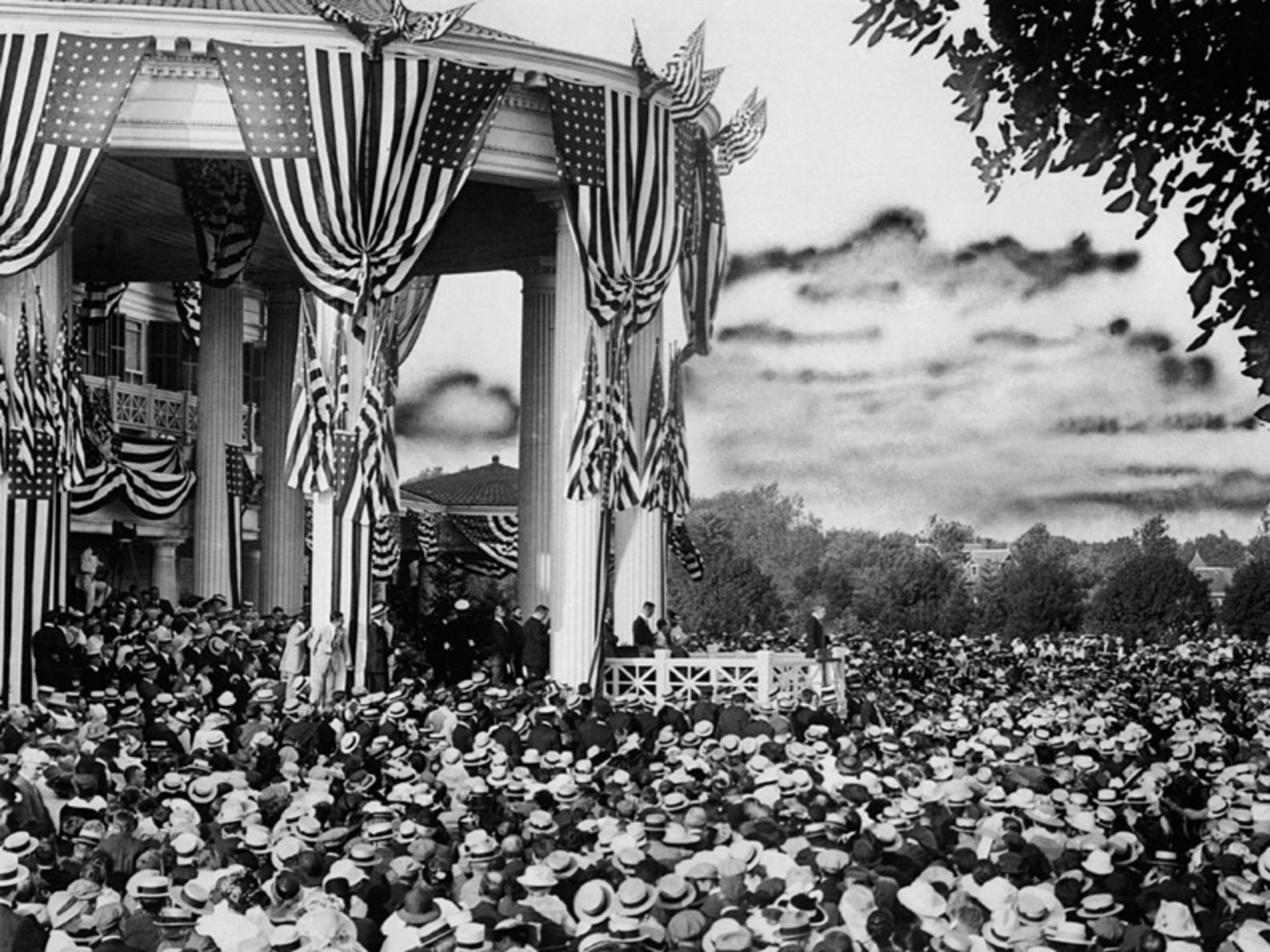
Much changed, however, between the November 1916 election and Wilson’s swearing in for a second term on March 4, 1917. On February 1, 1917, Germany resumed unrestricted submarine warfare against U.S. ships. A month later, Wilson learned of the Zimmermann Telegram, Germany’s offer to help Mexico reclaim the territories it had lost to the United States seven decades earlier.
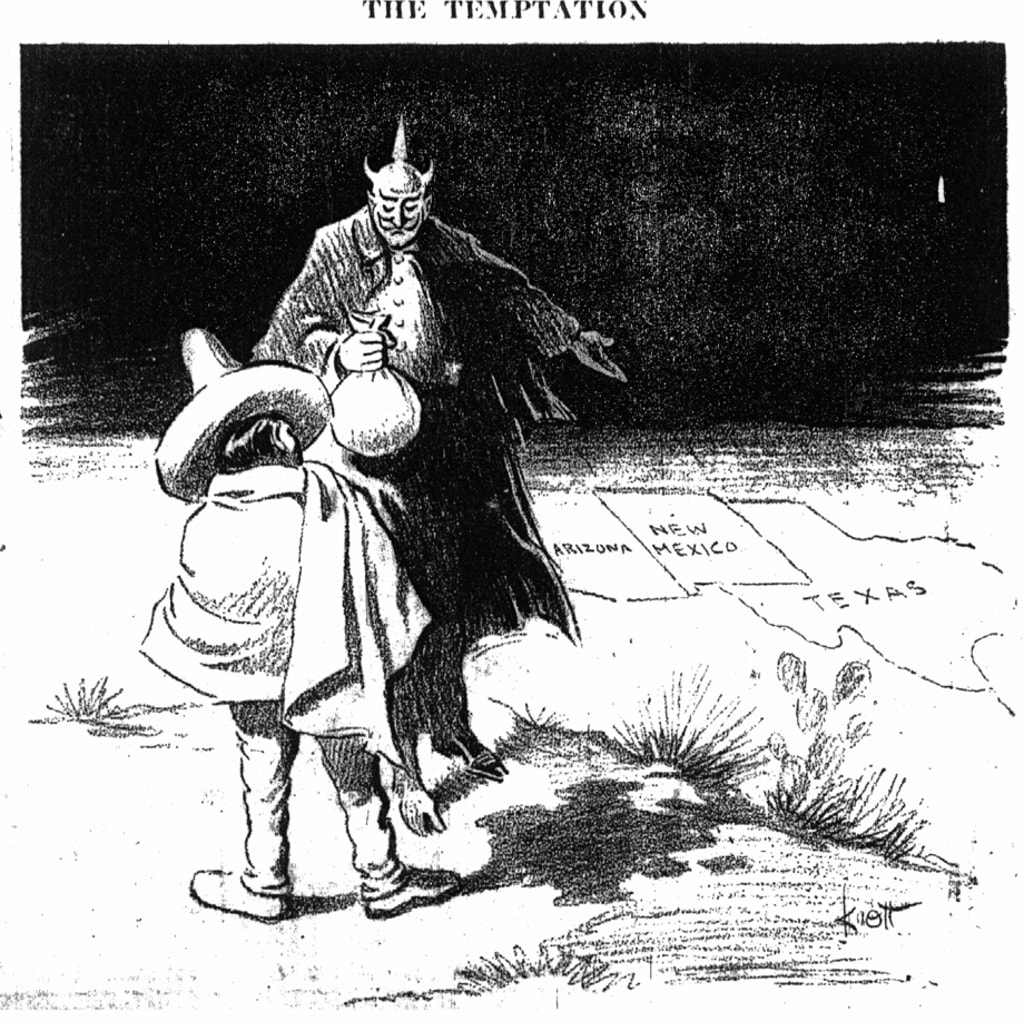
Even in the face of this news, Wilson remained reluctant to resort to war. The day after learning of the Zimmermann Telegram, he finally, and grudgingly, agreed to ask Congress to authorize the arming of U.S. merchant vessels. A small group of senators bent on keeping the United States out of war filibustered that bill. Wilson excoriated them as a bunch of “willful men” and ordered the arming of U.S. ships on his own authority. But he continued to resist pressure from Capitol Hill and members of his own cabinet to seek a declaration of war.
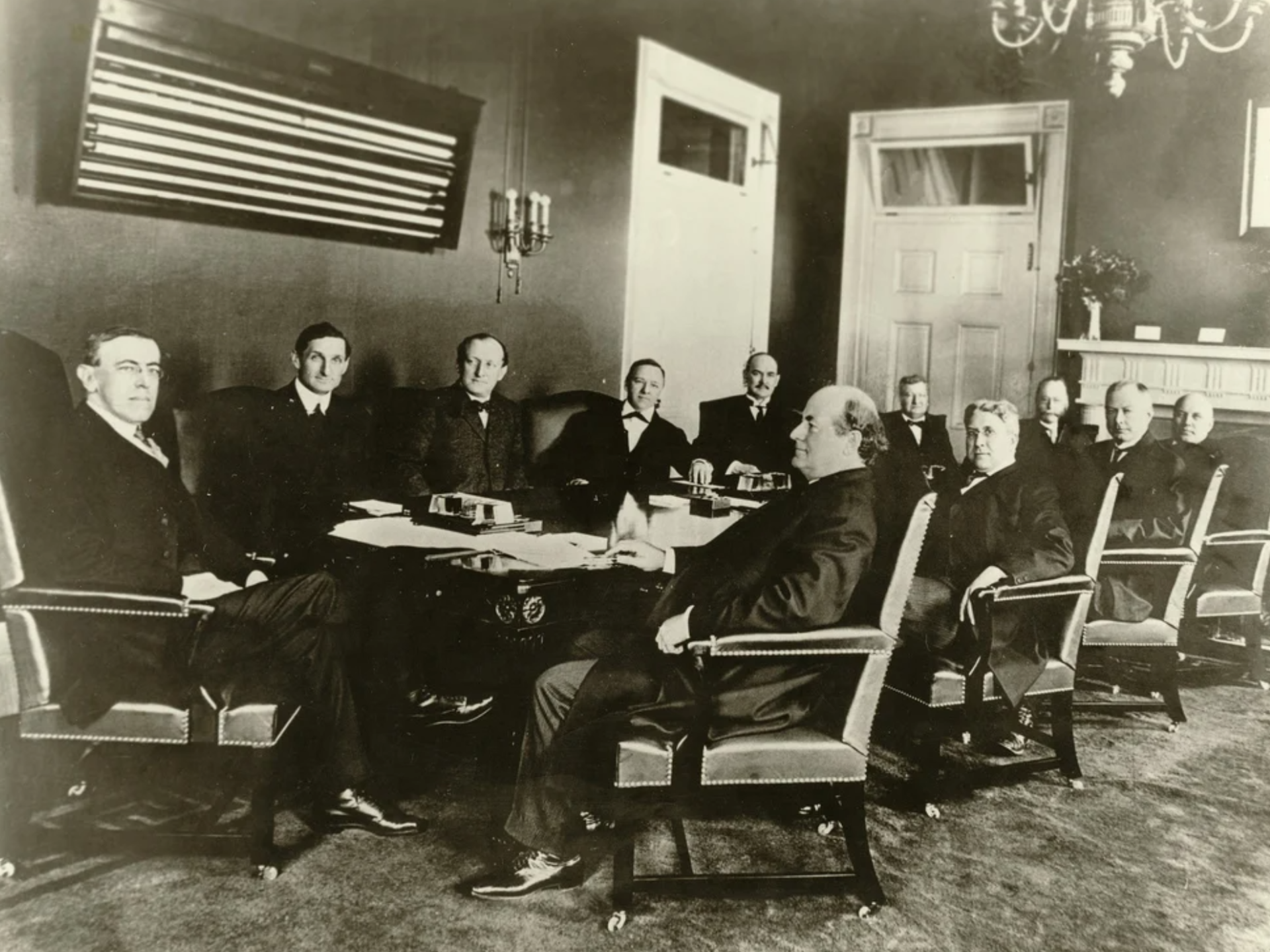
On March 18, the White House learned that the German U-boats had sunk three American freighters. The next day, Secretary of State Robert Lansing wrote a memo urging Wilson to declare war. A cabinet meeting on March 20 turned acrimonious. When one cabinet member said that the American public wanted war, Wilson responded: “I do not care for popular demand. I want to do right, whether popular or not.” The meeting ended with cabinet members uncertain about what Wilson would do.
The next day, Wilson issued a proclamation calling for Congress to convene in special session on April 2.
The Call for War
Wilson spent the morning of April 2 playing golf, his great passion. At 8:30 PM, he stood before a joint session of Congress to
advise that the Congress declare the recent course of the Imperial German Government to be in fact nothing less than war against the government and people of the United States; that it formally accept the status of belligerent which has thus been thrust upon it, and that it take immediate steps not only to put the country in a more thorough state of defense but also to exert all its power and employ all its resources to bring the Government of the German Empire to terms and end the war.
He argued that the United States would enter the war not merely to defend its national interest, no mater how justified that would be. The son of a righteous Presbyterian minister had far nobler motives in mind. “German submarine warfare against commerce is a warfare against mankind.” He did not stop there. Using a phrase that that would long outlive his speech, he declared:
The world must be made safe for democracy. Its peace must be planted upon the tested foundations of political liberty. We have no selfish ends to serve. We desire no conquest, no dominion. We seek no indemnities for ourselves, no material compensation for the sacrifices we shall freely make. We are but one of the champions of the rights of mankind.
Republican Senator Henry Cabot Lodge of Massachusetts, a close confidant of Roosevelt’s and a man with his own burning hatred of Wilson, nonetheless told the president after he finished speaking: “Mr. President, you have expressed in the loftiest manner possible the sentiments of the American people.” (Lodge continued to have a dim view of Wilson. He subsequently told Roosevelt that “if that message was right, everything he [Wilson] has done for two years and a half is fundamentally wrong.”)
On April 4, the Senate voted 82 to 6 for war. The House of Representatives followed suit on April 6 by a vote of 373 to 50. The woeful state of the U.S. military at the time meant that the first American doughboys would not see combat in Europe for another six months. The bulk of U.S. forces would not reach Europe for another year. But in April 1917, a campaign promise had already fallen by the wayside.
The United States celebrates its 250th anniversary in 2026. To mark that milestone, I am resurfacing essays I have written over the years about major events in U.S. foreign policy. A version of this essay was published on April 2, 2012.
Oscar Berry assisted in the preparation of this post.