The Zimmermann Telegram and the U.S. Entry Into World War I
Publication of an intercepted cable exposed a clumsy German effort to forge an alliance with Mexico and helped propel the United States into the Great War.
By experts and staff
- Published
 James M. LindsayCFR ExpertMary and David Boies Distinguished Senior Fellow in U.S. Foreign Policy
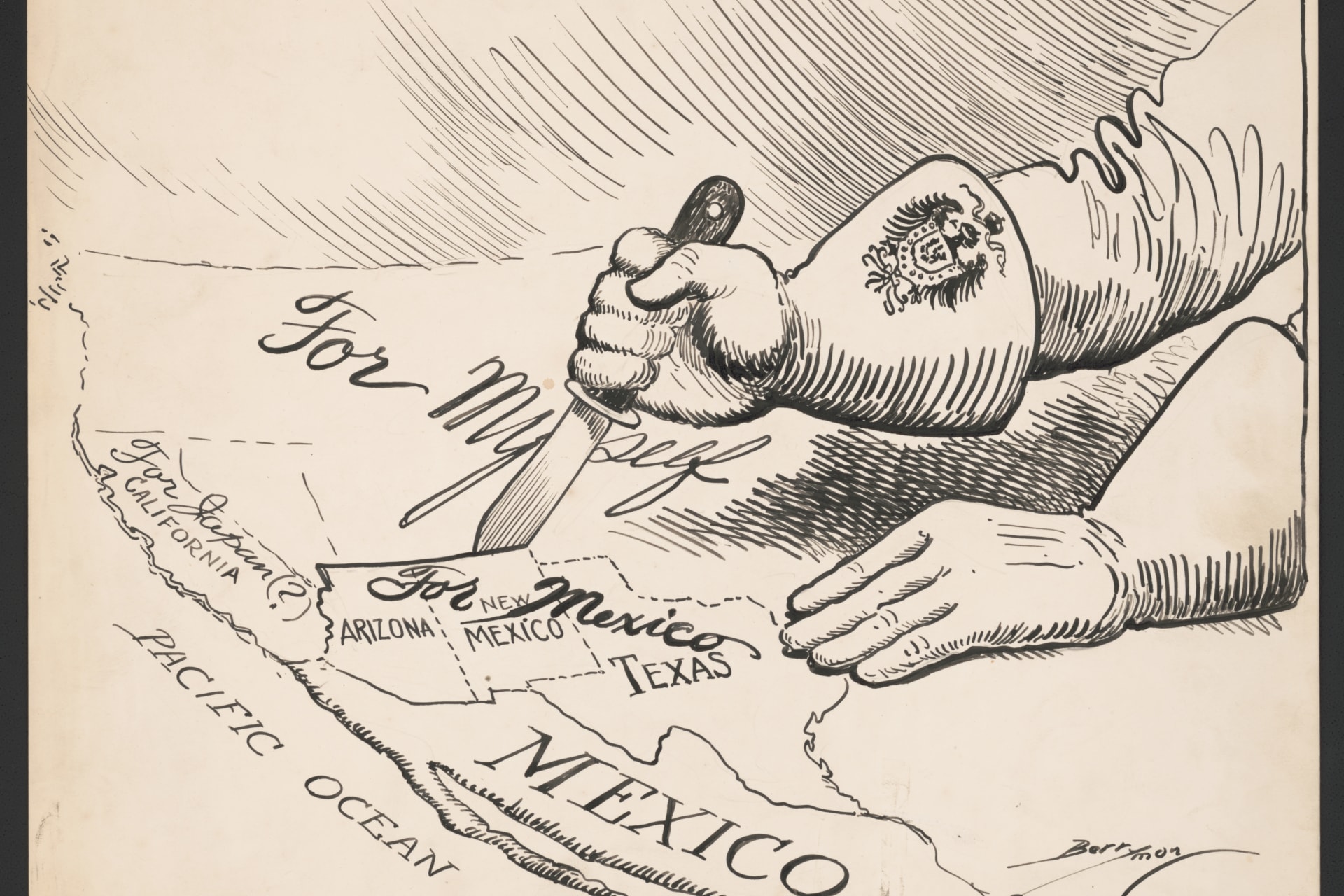
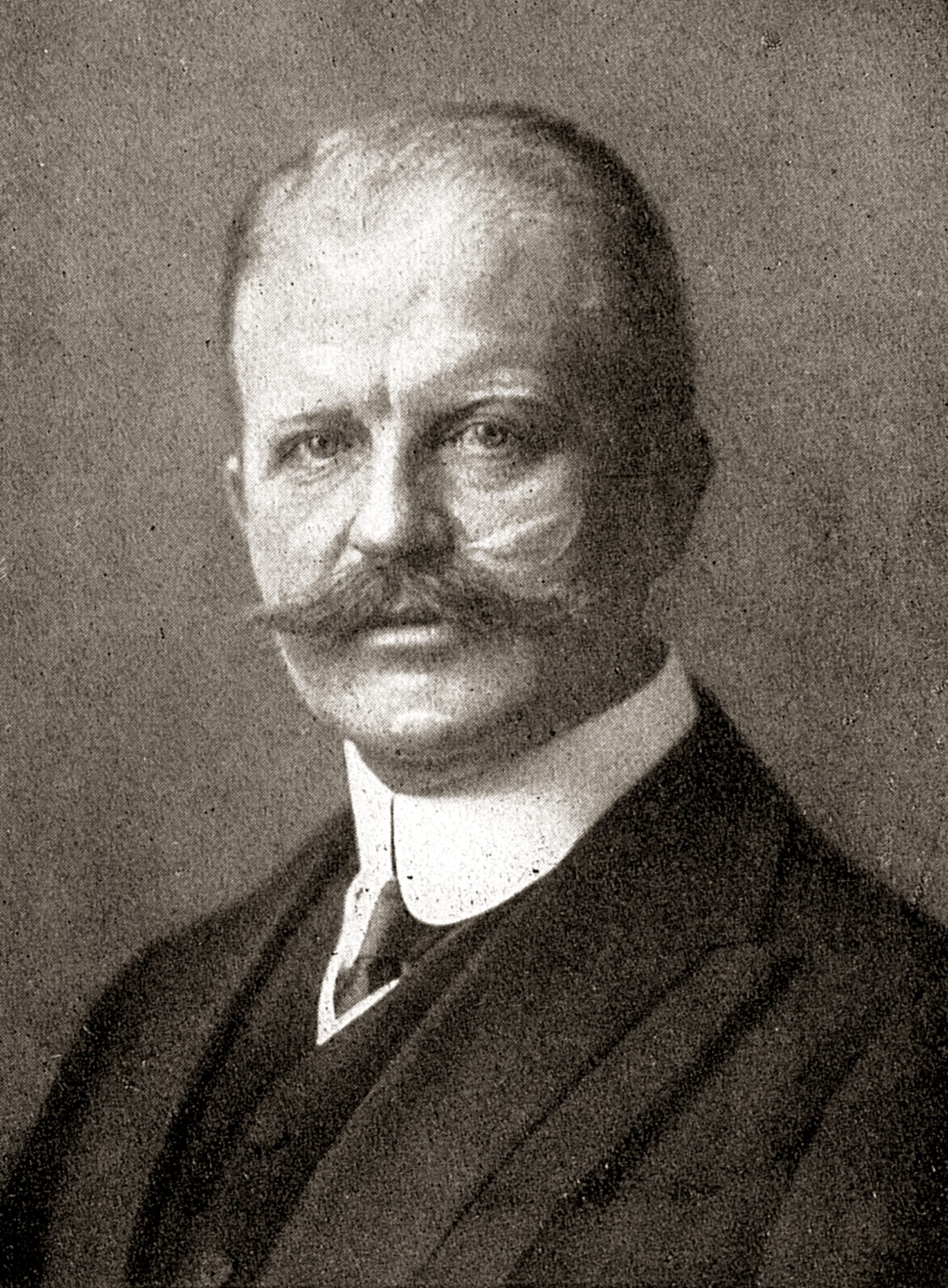
The revelation of secret communications can propel states to war. German Foreign Minister Arthur Zimmermann learned that lesson at a high price. On March 1, 1917, Americans discovered that Zimmermann had sent a telegram offering Mexico an alliance against the United States and the chance to recover the territory lost in the Mexican-American War. The offer was wildly ill-advised and would have meant nothing if it had remained secret. But it didn’t. News that Germany was encouraging Mexico to attack the United States weakened already eroding American public support for remaining neutral and eased the U.S. entry into World War I. Zimmermann’s bid to secure Germany’s victory helped trigger the events that led to its defeat.
Zimmermann’s Offer
Zimmermann sent his telegram in mid-January 1917. The message ran just 186 words and was breathtakingly simple—Mexico would get the lands it had lost seven decades earlier in the Mexican-American War in exchange for helping Germany:
We make Mexico a proposal of alliance on the following basis: we make war together, make peace together, generous financial support and an understanding on our part that Mexico is to reconquer the lost territory in Texas, New Mexico, and Arizona.
Zimmerman went a step further and suggested that Mexico should invite Japan to join the alliance.
The memory of the Mexican-American War was not the only reason Zimmermann believed that Mexico might be open to an alliance. U.S. Mexican relations at the start of 1917 were tense. Four years earlier, President Woodrow Wilson had refused to recognize the government of Victoriano Huerta, who came to power by murdering his predecessor, and actively sought to subvert Huerta’s rule. In April 1914, the United States invaded Veracruz, Mexico, in part to prevent Germany from supplying Huerta with weapons. U.S. troops remained there for six months. By then, Huerta had been ousted from power. Wilson tried vainly to influence who would succeed him. He initially supported and then abandoned rebel leader Pancho Villa. At the urging of German agents, an angry Villa led his forces in a raid on Columbus, New Mexico, in March 1916. Wilson responded by sending thousands of U.S. troops into Mexico in a failed effort to capture Villa. While pursuing Villa, the U.S. army clashed with the Mexican army at the Battle of Carrizal in June 1916, nearly triggering a war. Some U.S. troops were still on Mexican soil when Zimmerman wrote his telegram.
In seeking to exploit the divisions between Mexico City and Washington, Zimmermann thought he could be blunt with his offer because he sent his telegram in code.
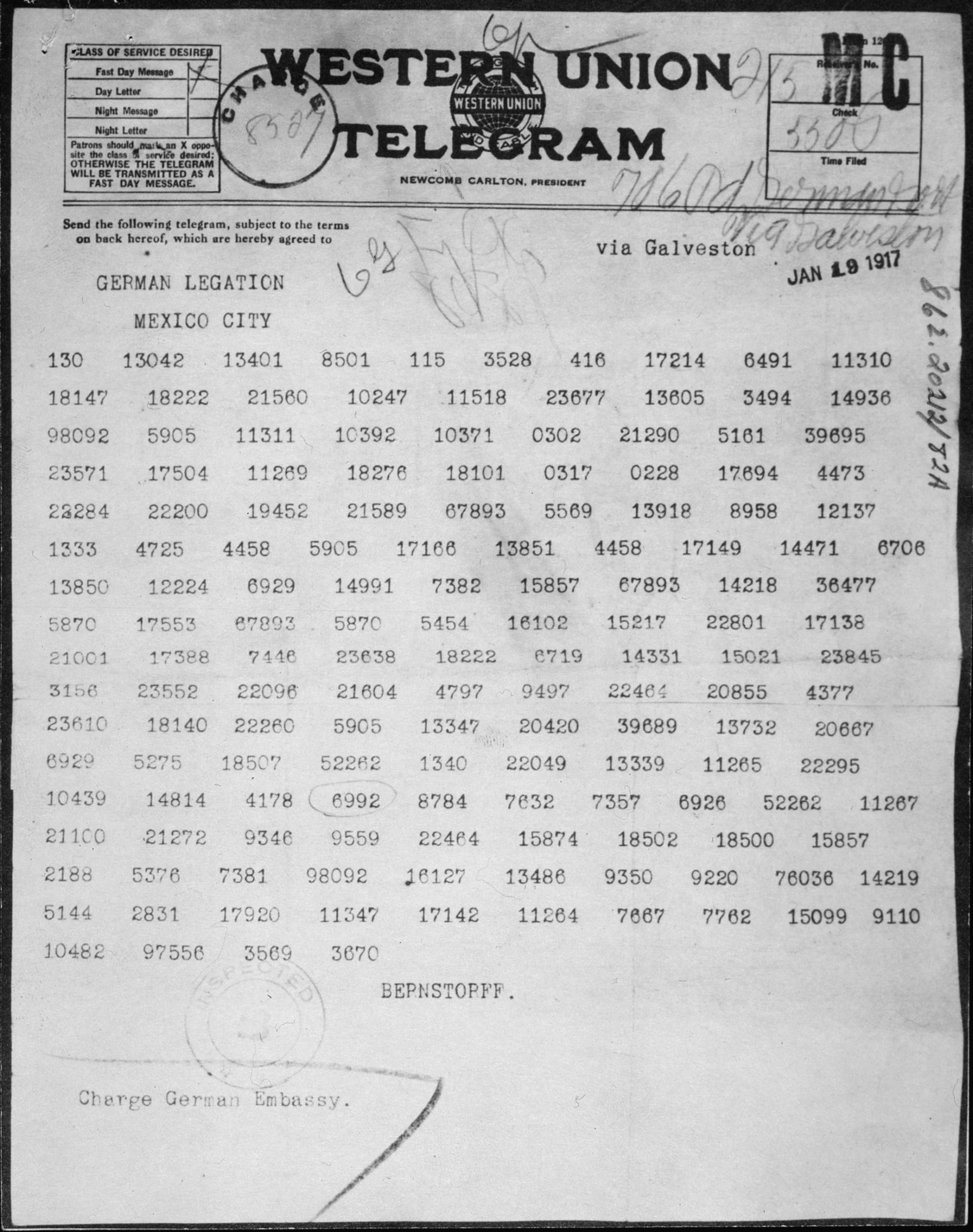
There were two problems, however, with that calculation. First, the British intercepted the message. Second, they had broken the German code, so they knew what Zimmermann was proposing.
U.S. Neutrality
News of the Zimmermann Telegram came at a crucial juncture in U.S. German relations. When the war began three years earlier, President Woodrow Wilson declared the United States neutral. In choosing neutrality, he was following the practice started by George Washington of staying out of Europe’s wars. Wilson’s decision was so unremarkable that the New York Times reported it on page seven.
Wilson had another reason to embrace neutrality. He feared that joining Europe’s war would split America’s ethnically diverse public. Most Americans instinctively sympathized with the cause of the Allied Powers notably democratic Britain and France, though not necessarily Tsarist Russia. But many Americans did not. Irish Americans detested Great Britain because it had oppressed the Irish people for centuries and its now refused to grant Ireland independence. Many Jewish Americans had fled Russian pogroms. German Americans felt a loyalty to their ancestral homeland. “We definitely have to be neutral,” Wilson noted in 1914, “since otherwise our mixed populations would wage war on each other.”
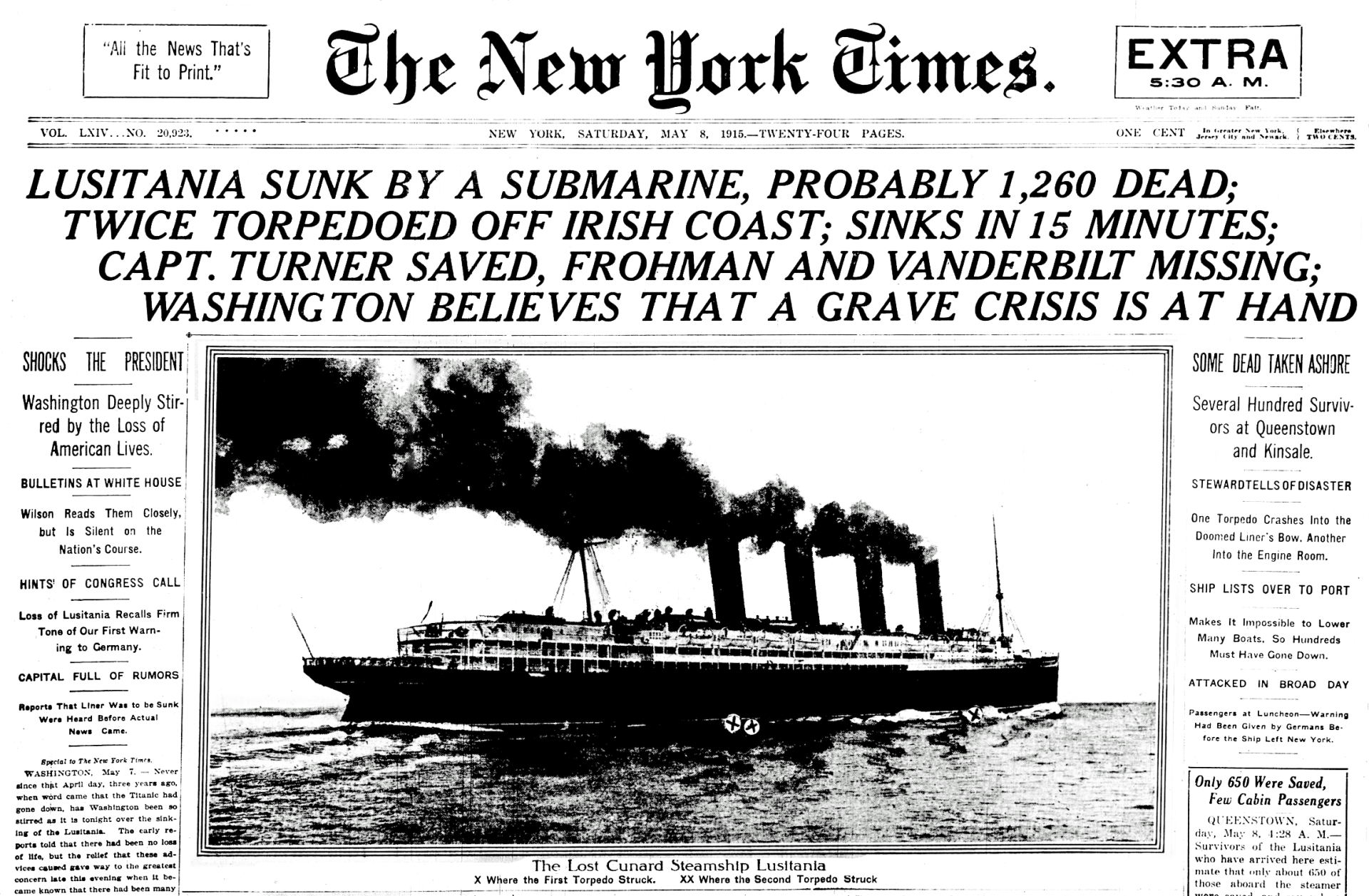
But more than two years of war had reshaped the debate within the United States. Americans recoiled at stories of German atrocities, particularly the brutal treatment of neutral Belgium and the first use of poison gas on the battlefield. German submarine attacks on merchant shipping and cruise liners, most notably the sinking of the Lusitania in May 1915, added to the sense that Germany was acting in barbaric ways. As anger grew among Americans, Wilson found it increasingly difficult to carry out what he called “the double wish of our people, to maintain a firm front in respect of what we demand of Germany and yet do nothing that might by any possibility involve us in war.”
The Drumbeats of War
Even as late as January 1917, Wilson hoped the United States could stay out of the war and that he could mediate a “peace without victory.” But events soon forced his hand. Germany had concluded that its only chance to win the war was to sink all ships headed to Britain, thereby starving its people and breaking its will to fight. That required abandoning its pledge made the prior May to limit what and how German submarines attacked. German leaders knew a resumption of unrestricted submarine warfare would likely push the United States into the war. They were willing to run that risk because the U.S. military was small and poorly equipped. It would take months, if not years, for the United States to build up its forces and transport them across the Atlantic. As a result, the impact of the U.S. entry into the war would be, in the words of the head of the German navy, “zero, zero, zero!”By the time the United States built an army, the thinking went, Germany would have won the war.
On January 31, Germany announced that it was resuming unrestricted submarine warfare. Three days later, Wilson broke diplomatic relations with Germany. On February 25, a German U-boat sank the British liner Laconia, killing twelve people including two Americans. A day earlier, Britain had shared the Zimmermann Telegram with Washington. British codebreakers had initially hesitated in sharing the telegram. Although they immediately grasped its importance, they feared that if became public Germany would realize that its code had been broken. They passed the telegram along only after finding a way to protect their sources and methods.
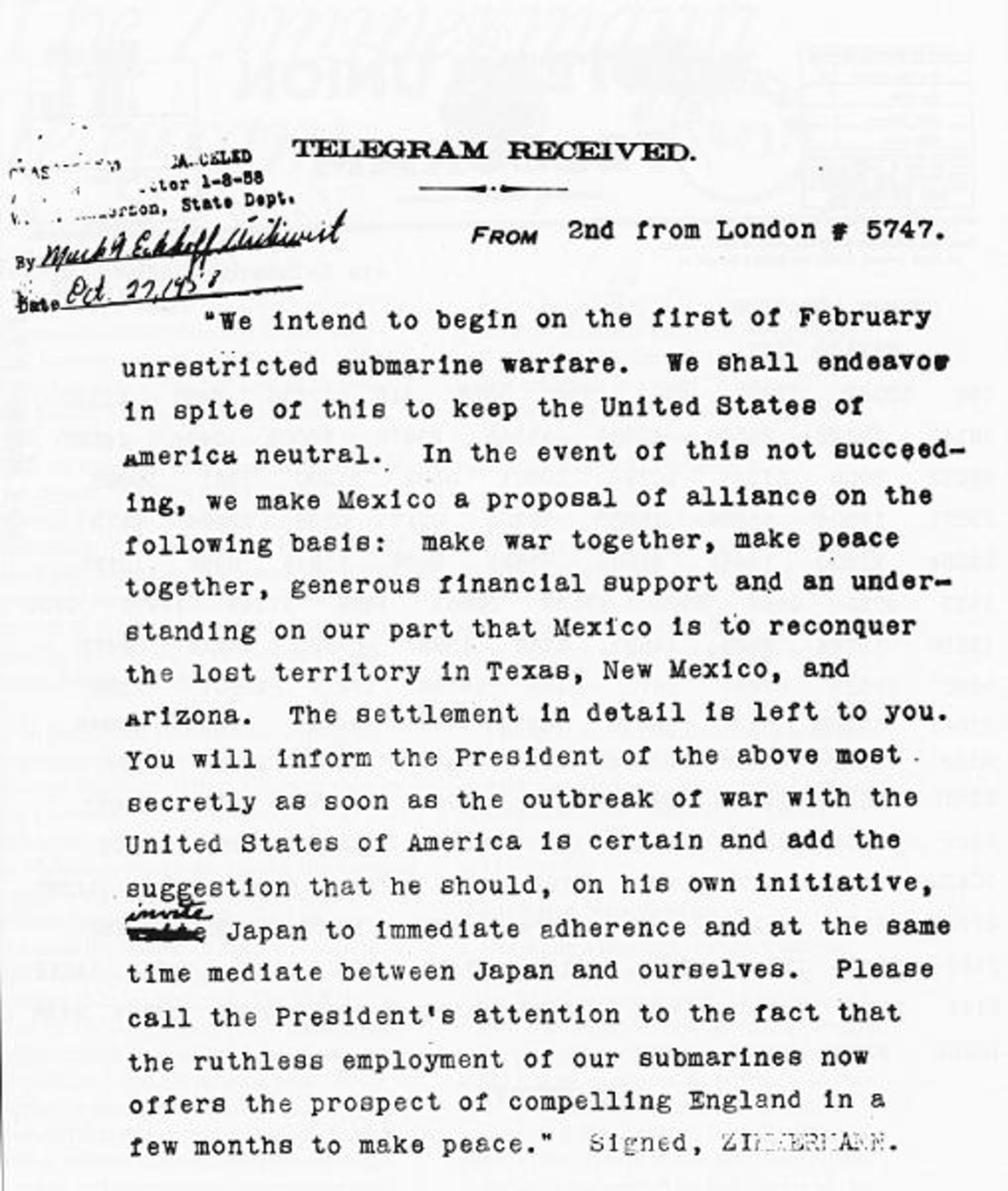
The Zimmermann Telegram Becomes Public
The contents of the Zimmerman Telegram shocked Wilson. Not only was Germany encouraging Mexico to attack the United States, Berlin had taken advantage of an agreement it had with Washington to get the message to Mexico City. Once World War I started, Britain destroyed Germany’s transatlantic cables, cutting it off from direct communications with the Western Hemisphere. In keeping with its status as a neutral power, Washington had agreed to pass messages on Berlin’s behalf. So Zimmerman’s telegram passed through the U.S. embassies in Copenhagen and London and then through the German embassy in Washington before reaching Mexico City.
Once Wilson was assured that publication of the telegram’s contents would not endanger Britain’s codebreaking, he ordered the State Department to share the telegram with U.S. newspapers. He hoped that making the proposal public would pressure Congress to pass legislation he had requested authorizing the arming of U.S. merchant ships.
The telegram made front-page news on March 1. Some Americans initially questioned the authenticity of the intercepted cable. That matter was settled by none other than Zimmermann himself. He was asked at a press conference on March 3 if he was seeking an alliance with Mexico. He answered: “I cannot deny it. It is true.”
Although the Zimmermann Telegram inflamed public passions in the United States against Germany, it failed to advance Wilson’s immediate goal of persuading Congress to authorize the arming of U.S. merchant ships. A handful of antiwar senators—who Wilson dismissed as a “little group of willful men”— filibustered the measure. So Wilson did what many presidents, and particularly many modern presidents, have done when they have failed to get their way on foreign policy—he decided he did not need a new congressional authorization after all. He ordered the arming of U.S. merchant vessels based on an expansive reading of a nearly century-old law.
A Declaration of War
As Wilson wrangled with Congress, Germany’s unrestricted submarine warfare picked up pace. In March, German submarines sank four U.S. merchant vessels, though the casualties were small. On April 1, German submarines sank the first armed U.S. freighter. Twenty-eight sailors, including eleven U.S. citizens, died.
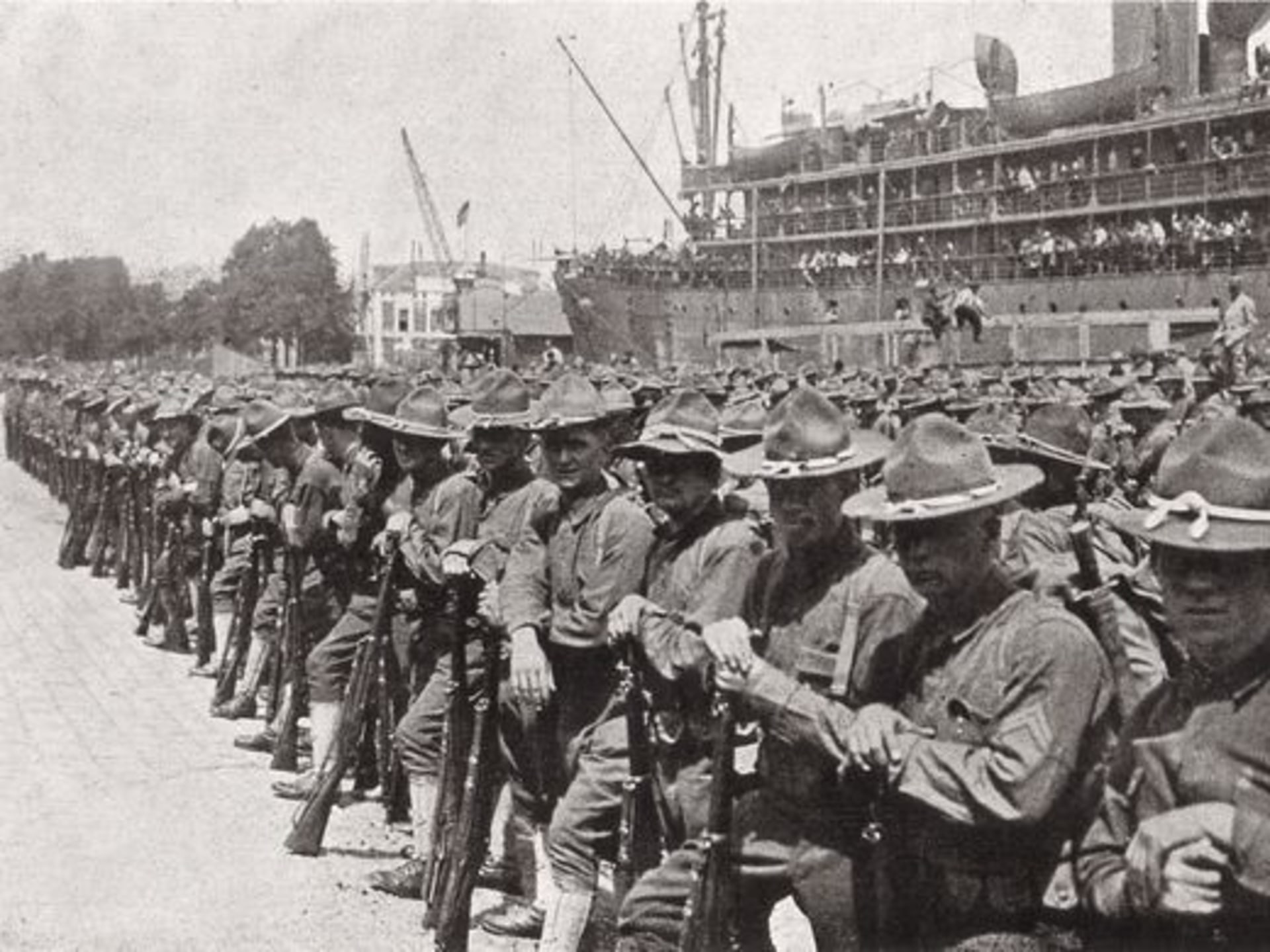
Wilson could no longer sustain his neutrality policy. On March 20, his cabinet had unanimously advised him to seek a declaration of war. On April 2, Wilson did just that. Four days later, Congress declared war on Germany. The American portion of World War I had begun. The bulk of the American expeditionary forces would not reach Europe for another year. But their intervention would prove decisive in turning the tide of the war.
Meanwhile, the Mexican government showed no interest in allying with Germany or Japan. Rather than ratcheting up tensions with Mexico, Wilson used the Zimmermann Telegram as an opportunity to lower them. He had withdrawn the last remaining U.S. soldier from Mexico in early February, and at the start of March he sent a U.S. ambassador to Mexico City. In August 1917, Wilson formally recognized Mexico’s government. Mexico remained neutral for the duration of the war.
The United States celebrates its 250th anniversary in 2026. To mark that milestone, I am resurfacing essays I have written over the years about major events in U.S. foreign policy. A version of this essay was published on March 1, 2011.
Oscar Berry assisted in the preparation of this post.