A Year Later, Trump’s Big Beautiful Bill Act Has a Clean Tech Silver Lining
Trump’s One Big Beautiful Bill Act gutted the wind and solar credits at the heart of Biden’s Inflation Reduction Act. But a year on, the law’s preserved incentives for geothermal, advanced nuclear, and grid-scale storage may do more to cut global emissions than the credits it eliminated.

David Hart’s research focuses on policies that will accelerate clean energy and climate-tech innovation and diffusion worldwide.
Climate campaigners quickly labeled President Donald Trump’s signature legislative achievement, the One Big Beautiful Bill Act (OB3), a “disaster” when he signed it into law last year. While that is a fair assessment of the rest of Trump’s climate agenda, OB3 could actually do more to advance clean energy progress on a global scale than the law it supplanted—President Joe Biden’s Inflation Reduction Act (IRA).
Many of OB3’s critics focused on its elimination of tax credits for wind and solar power, the biggest ticket items [PDF] in the IRA. These incentives would have made more wind and solar projects profitable and lowered domestic greenhouse gas emissions. But wind and solar are mature technologies. Expanding their market in the United States has virtually no effect on their costs in the rest of the world, especially in emerging markets, where the vast majority of future emissions will come from. As a result, these tax credits would have hardly moved the world’s climate needle.
By contrast, more rapid uptake in the United States of less mature clean energy technologies, like enhanced geothermal power, advanced nuclear power, and long-duration energy storage, could move that global needle much further. The reason is that these technologies are costly now, but they could become a lot less expensive when scaled up. If the United States covers the relatively high costs at the front end of this “learning curve,” the rest of the world might be able to afford them at the back end. This is exactly the sequence that solar power went through around a decade ago.
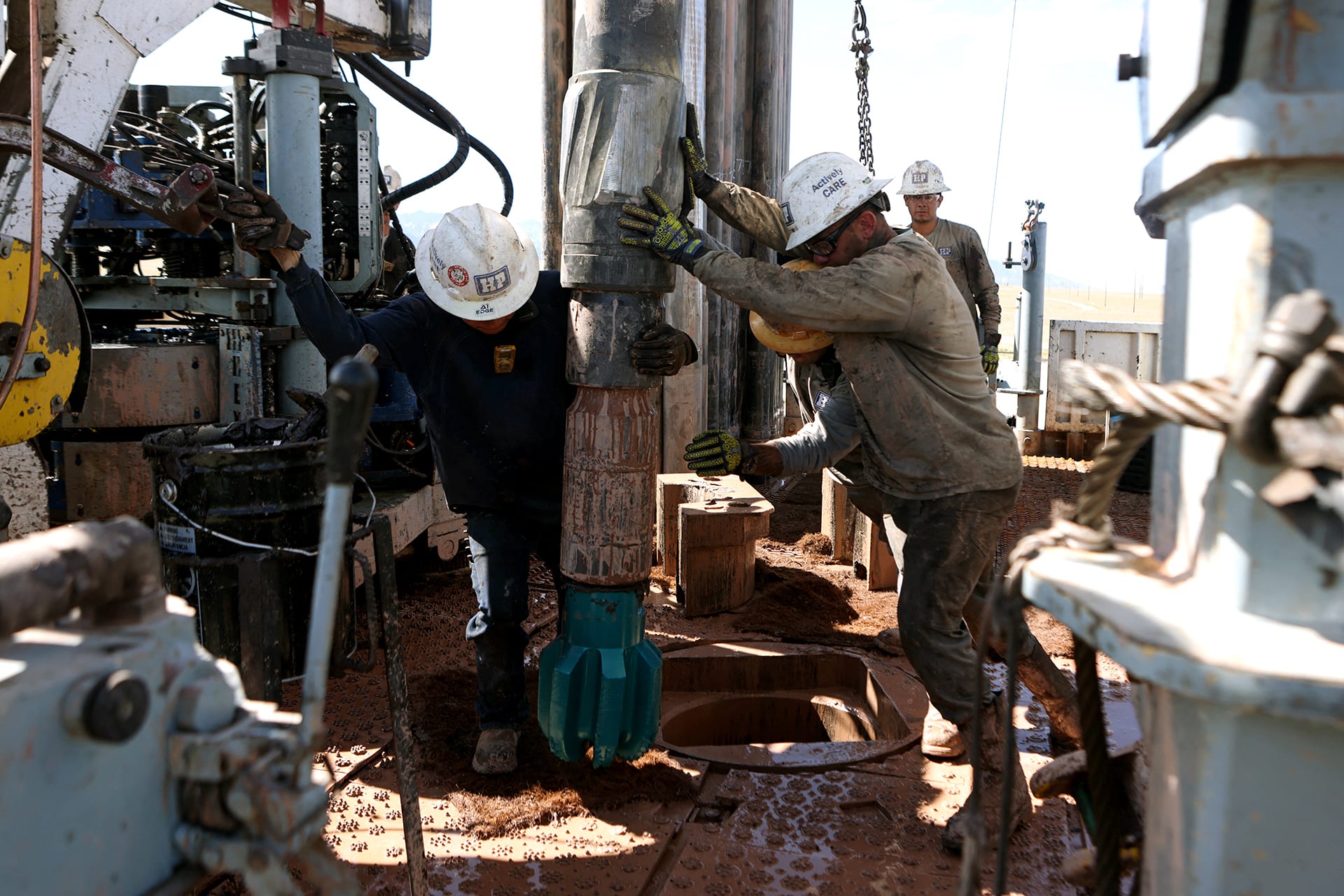
Enhanced geothermal power uses the natural heat underground to run a conventional steam power plant. It takes advantage of hydraulic fracturing techniques invented for natural gas extraction to access hot rocks. Advanced nuclear power represents a step-change from the reactors in use today. It’s intrinsically safer, mostly modular, and easier to build. Long-duration energy storage technologies provide back-up power for many hours or days at a time, far longer than grid-scale lithium-ion batteries that now dominate the market. All of these technologies could provide between 500 and 1000 gigawatts of electricity generation capacity worldwide in 2050, nearly as much as the grid the United States has built over the last 150 years does today.
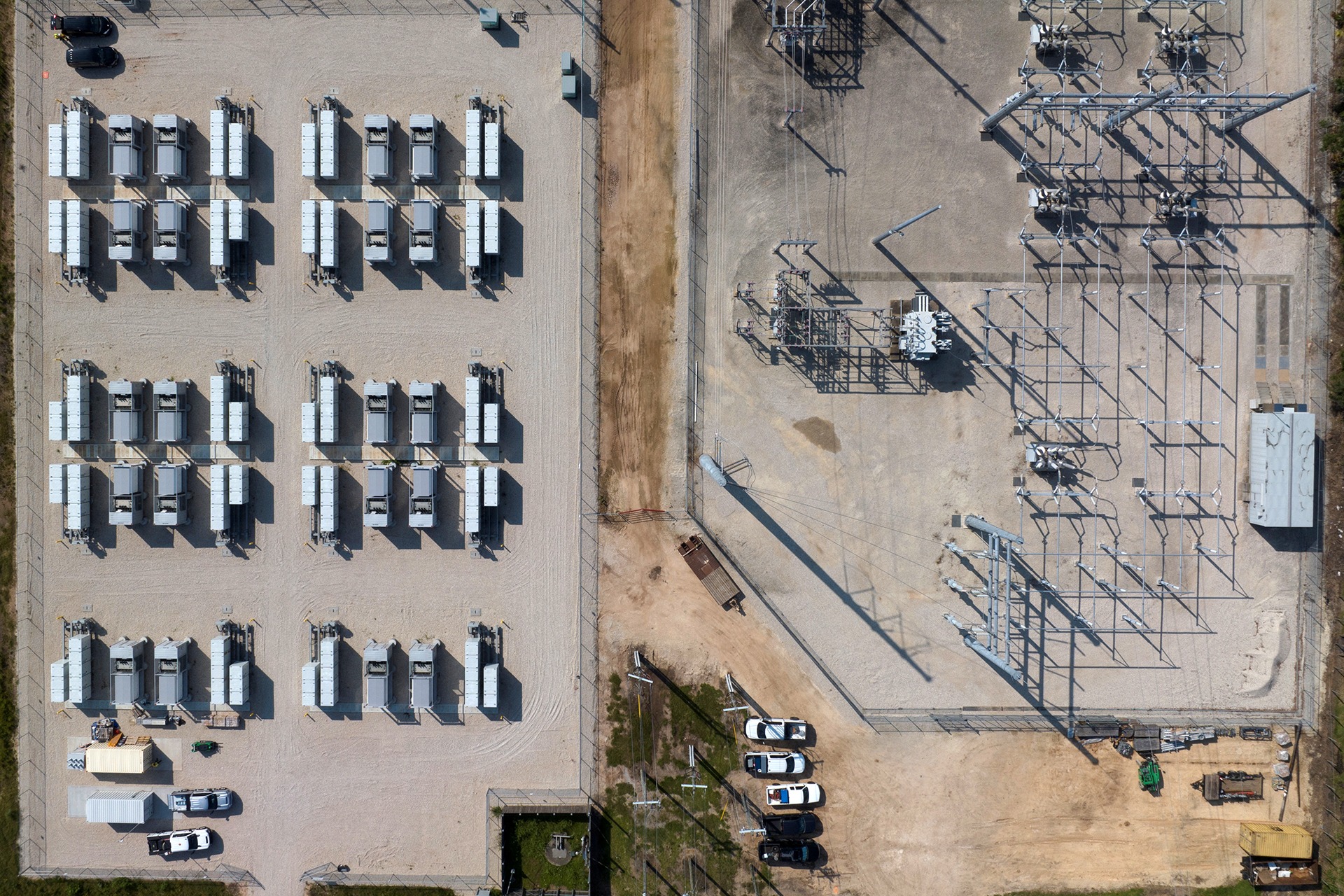
OB3 preserved tax credits for these and other less mature clean energy technologies, and the policy is helping them advance. Enhanced geothermal power leader Fervo raised billions of dollars in an initial public offering of its stock in May, and its filing suggests it is preparing to build eighty to one hundred commercial-scale power plants. Advanced nuclear power companies Kairos, Oklo, and X-Energy are among the firms currently raising money, breaking ground, and signing deals to sell energy over the past year. Similarly, Form Energy, which is building a long-duration iron-air battery, and Antora Energy, which is making thermal storage systems (also known as heat batteries), have ramped up production.
The global impact of these technologies could be immense. They complement the low-cost but variable power production of wind and solar by providing low-emissions power that is either always on or can fill in the gaps. They don’t require as much land, which is scarce and expensive in densely populated areas where emissions are growing quickly. They also might be able to provide heat for buildings and factories as well as power, which renewables can’t.
Trump didn’t sign OB3 into law because of its potential effect on the global climate. And nothing can excuse the president’s unrelenting and deeply damaging attack on the rest of the Biden climate agenda. But, looked at with a year’s perspective, OB3 offers hope that the United States could contribute to cutting emissions in a way that will outlast both Biden and Trump, providing a foundation that their successors can build upon and creating a potential counterweight to China’s dominance of today’s clean energy supply chains.
The world desperately needs its erstwhile leader to have such staying power.
This work represents the views and opinions solely of the author. The Council on Foreign Relations is an independent, nonpartisan membership organization, think tank, and publisher, and takes no institutional positions on matters of policy.