After Gen Z Protests, Bangladesh and Nepal Head to the Polls
A global wave of Gen Z-led protests have called for a fundamental restructuring of government and politics. Upcoming elections in Bangladesh and Nepal could offer young voters an opportunity for meaningful reform.
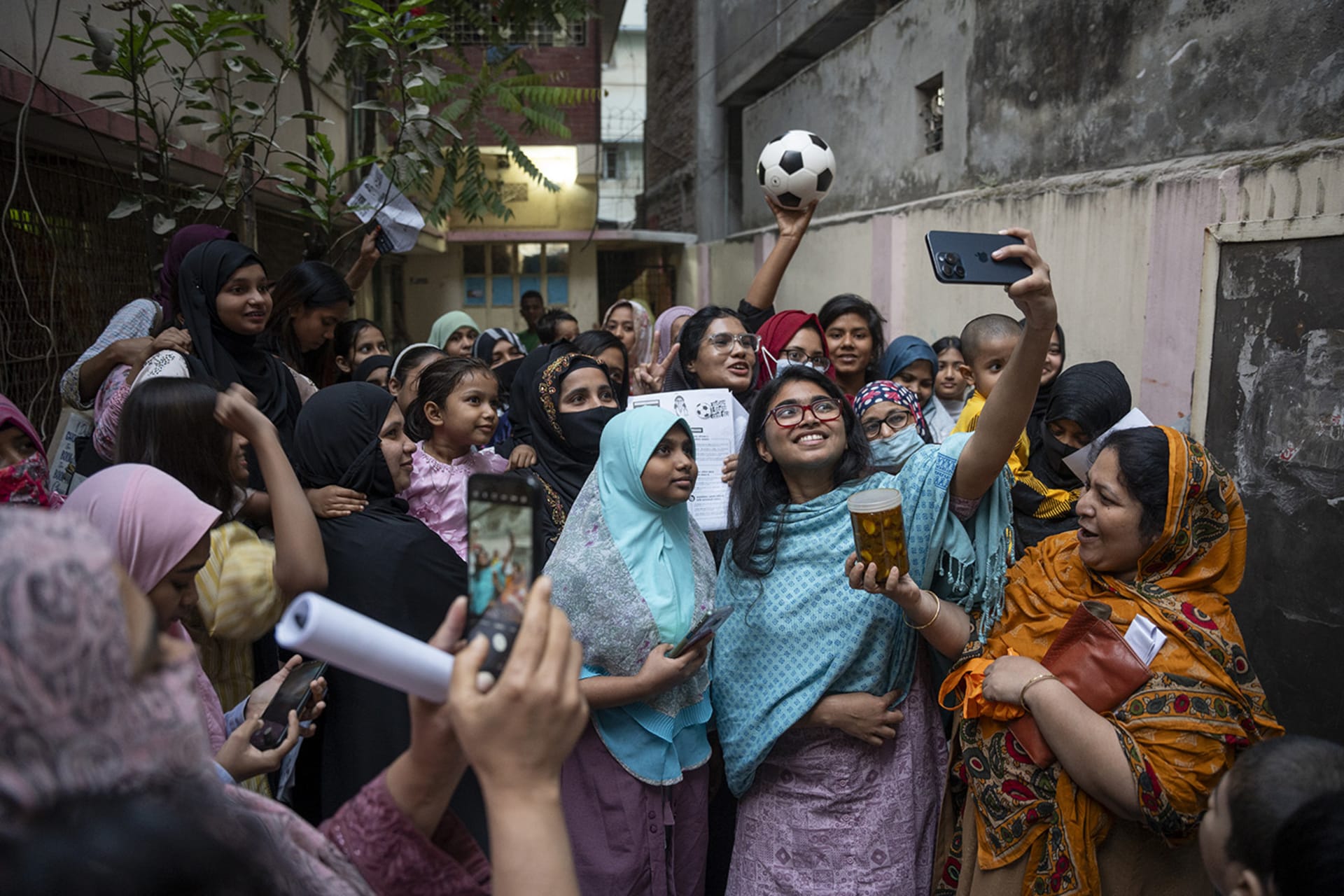
Citizens in Bangladesh and Nepal head to the polls on February 12 and March 5, respectively, for the first general elections since youth-led uprisings toppled both countries’ governments. The two countries are seeking to rebuild their government institutions, but the elections could reflect the political headwinds in the region. Despite similar reform sentiments appearing in Japan and Thailand over the past few years, voters in those recent elections chose to back pro-establishment, conservative parties.
In July 2024, students in Bangladesh protested job quotas favoring those with ties to the previous political party in power, while in September 2025, protests against nepotism erupted in Nepal after social media posts by the children of political elites appeared to flaunt lavish lifestyles and after several social media outlets were banned.
The two movements have had cascading effects. Since 2024, Bangladesh has been governed by an interim administration after protests led to the ouster of former Prime Minister Sheikh Hasina, who fled to India. In Nepal, parliament was set ablaze during the 2025 protests, and Prime Minister K.P. Sharma Oli resigned facing criticism for his crackdown of protesters. Nepal’s so-called Gen Z protest helped spark a wave of youth-led movements under the banner of Generation Z—those born between 1997 and 2012.
Young people, making up a majority of the population in these countries, have taken center stage ahead of the much-anticipated elections. Millions will vote for the first time, and several student and youth activists are seeking elected office. Yet some analysts and observers warn that this energy for reform could face similar institutional skepticism and political hurdles, raising broader questions about the sustainability of post-movement reform.
What’s at stake in these upcoming elections?
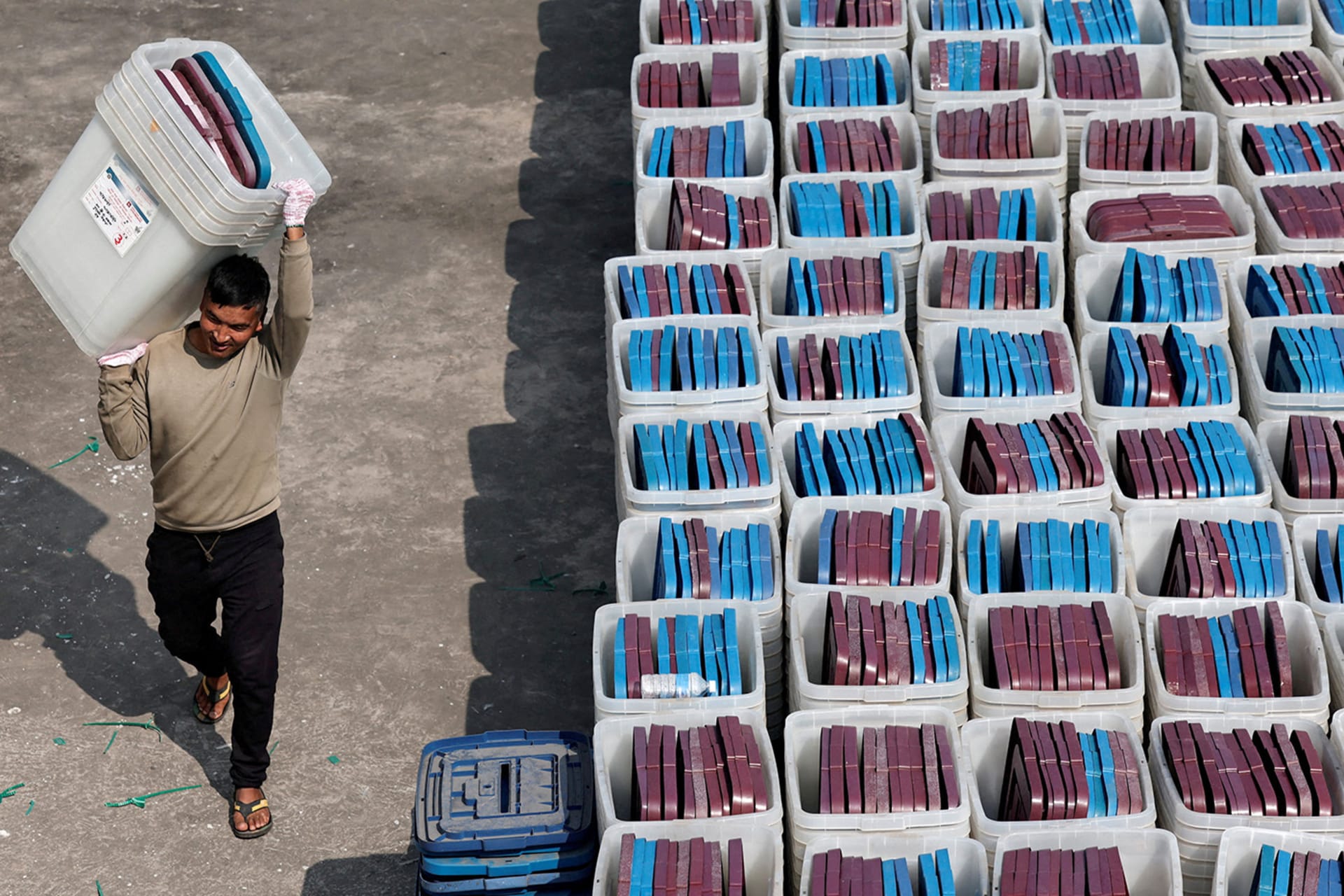
As of early January, Bangladesh’s Election Commission reported that around 5.5 million voters—just under 44 percent of the electorate—are between eighteen and thirty-seven years old. With a total population of 173 million, Bangladesh’s vote will be the “biggest democratic process of 2026,” European Union election observers say. Local election officials also note this is the first time young voters will participate in a competitive election since Hasina took office in 2008; her administration had faced allegations of conducting fraudulent elections.
Also on the ballot is a referendum to implement the July National Charter [PDF], a landmark political declaration that arose from the 2024 protests. It outlines sweeping government reforms—such as proposing term limits on legislators and imposing measures to prevent conflicts of interest, money laundering, and corruption.
In Nepal, the prospect of new leadership has galvanized many young people to cast their ballot. More than 915,000 first-time voters have registered for the March election using a new online system, with more than two-thirds of them representing Gen Z, according to the country’s election commission.
Former Nepalese government officials have warned that Nepal’s election integrity is fragile, especially as the election commission aims to curb the spread of online misinformation. In a supposed attempt to maintain nonpartisanship, they have urged the interim government to ensure a fair election by discouraging interim leaders from running in the elections.
How have young people influenced the political environment?
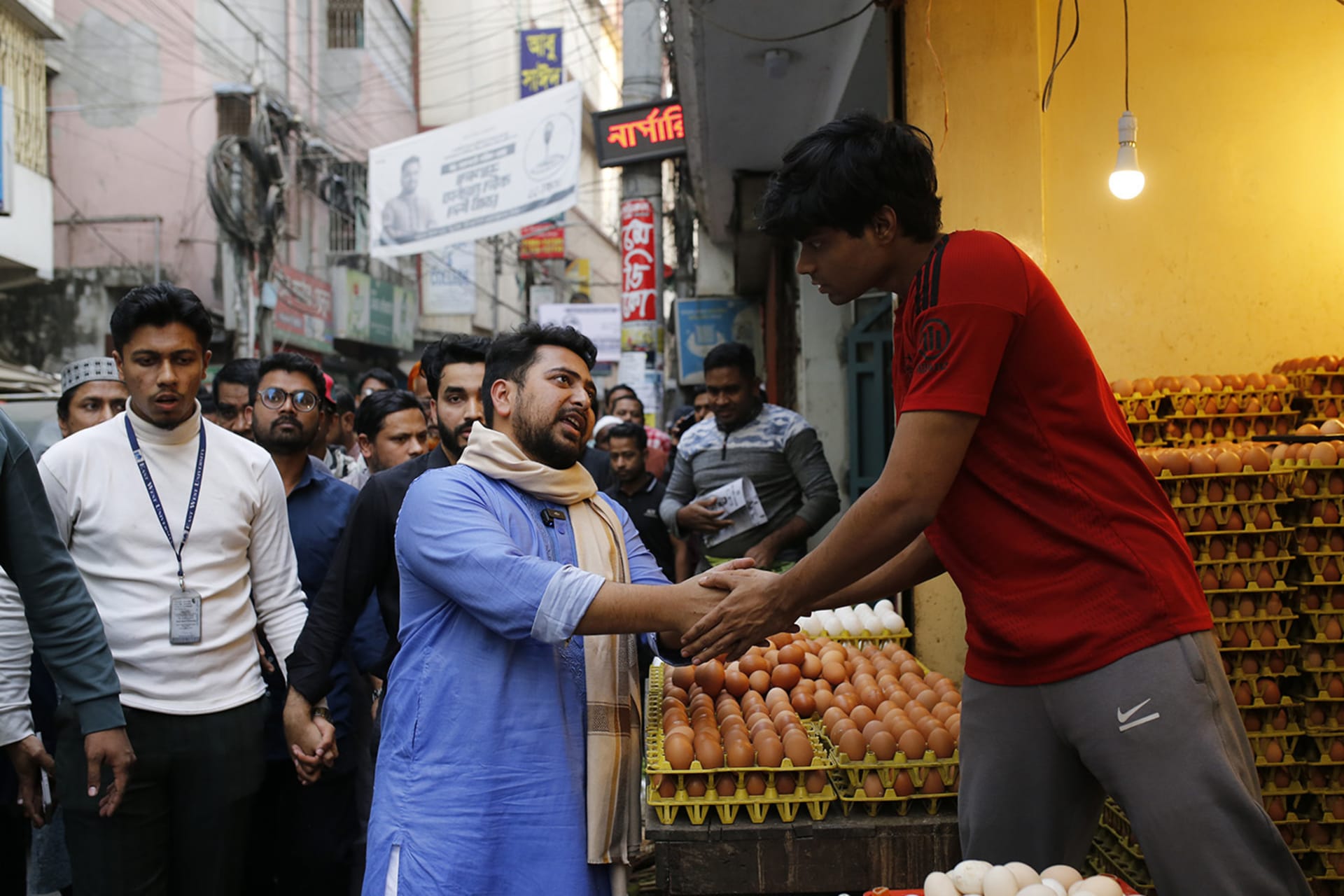
In both Bangladesh and Nepal, several youth leaders have made bids for parliament seats or carved out new political parties. Meanwhile, old-guard and historically fringe parties have sought to win over this new wave of first-time voters who have renewed energy for political participation.
A rise in youth-led parties and political leadership. In February 2025, Bangladeshi student activists who led the 2024 protests formed the National Citizen Party (NCP), pledging to create a “second republic” grounded in national unity, good governance, and an independent foreign policy. The party’s platform includes rewriting the constitution, reforming education and health-care systems, and rebuilding the country’s democracy.
In Nepal, some 120 political parties registered for the March 5 election—with more than one-third emerging after the Gen Z uprising—marking the most parties to participate in an election since the country’s democracy was restored in 2006. This includes a party founded by twenty-five-year-old law graduate Kishori Karki, who went viral online for bringing an injured protester to the hospital during the protests. Sudan Gurung, a main organizer of the Gen Z protests and founder of the youth mobilization nonprofit organization Hami Nepal, also announced his run for a representative seat in his local district.
While experts say it’s unlikely that these youth parties could successfully form a new government, “that does not mean that they have not had any impact on the political process or the political outcome,” Columbia University South Asia scholar Rumela Sen told CFR. Movement parties are critical for agenda setting by aggregating unrepresented societal demands and channeling them into political claims, and eventually into the policymaking process, she added.
Efforts to capture the youth vote. With the former majority parties ousted from power—and in Bangladesh’s case, banned from political participation—opposition groups have appealed to young voters to fill the power vacuum left by the uprisings.
Populist politicians in Nepal have formed a so-called youth alliance aimed at fighting the old guard in the upcoming election. Major figures include Rabi Lamichhane, chair of the Rastriya Swatantra Party (RSP); Balendra “Balen” Shah, a rapper-turned-former-mayor of Kathmandu; and Kulman Ghising, former head of Nepal’s electricity board, credited for reducing nationwide power outages. Shah, the RSP’s pick for prime minister, is running for the same district as former Prime Minister Oli.
The emergence of new political candidates, even through established parties, have led some young Nepalese voters to believe that the election is high stakes for the country’s future. “This election feels different because voters are being pushed to pay attention, and parties are being pushed to change,” twenty-one-year-old Aayush Basyal told the Kathmandu Post.
Young women, who played a visible role in Bangladesh’s student protests, are notably largely unrepresented in the upcoming ballot for major parties. Only 109 of the 2,568 candidates vying for the 300 seats in Bangladesh’s parliament are women—just over 4 percent—leaving many feeling shut out of the process.
Who makes up the old guard, and how are they shaping the elections?
A major catalyst for the protests that toppled governments in Bangladesh and Nepal was long-standing distrust of the ruling parties. Yet many of those established parties are participating in the upcoming elections, leading experts to question the extent of structural change possible in these votes.
Bangladesh’s Awami League, which led the 1971 Liberation War against Pakistan, ruled the country’s cultural and political spheres for fifteen years after Hasina began her second term in 2009. At the time, her victory was celebrated as a return to democracy after a period of military rule, but subsequent years saw the party become increasingly autocratic. It is now banned from the upcoming election, and Hasina has been sentenced to death in absentia for the killing of more than 1,400 student protesters.
But old-guard parties remain popular in Bangladesh. The Bangladesh Nationalist Party (BNP), historically the main opposition party, is polling as the frontrunner, championing itself as a “centrist party” to occupy the political gap left by the Awami League. It’s followed by the Islamist Jamaat-e-Islami party, with the youth-led NCP trailing in third.
In Nepal, several old-guard politicians, including former Prime Minister Oli, will be on the March ballot. Among others, Oli will compete against three former prime ministers who are leading major parties, including the oldest democratic party in Nepal and coalitions of communist parties. Observers say communist parties in Nepal have become synonymous with crony capitalism, as business leaders and construction contractors have taken positions in parliament under their leadership and political figures cultivate ties to the elite.
Will new governments be able to overcome past hurdles?
Regional experts note that while new youth-oriented political parties have amassed significant support, especially through their wide-reaching use of social media, overcoming internal hurdles and translating initial protest demands into policy change could prove challenging. “A grassroots network is vital in converting popular emotions and preference into votes, and youth parties in both the countries have thin grassroots presence compared to the old machines of say, [the Communist Party of Nepal] or the Maoists in Nepal, or Jamaat and BNP in Bangladesh,” Sen said.
One issue facing these newly formed parties is a lack of funding and institutional capacity. In December 2025, Bangladesh’s NCP agreed to form a coalition with the historically traditionalist Jamaat-e-Islami party, a move NCP leaders called “pragmatic” amid funding shortfalls. The decision drove more than a dozen student leaders to resign and several candidates to withdraw from the upcoming elections, fearing that the NCP made an ideological compromise. One former NCP candidate called the move “morally unacceptable.”
New parties also face the challenge of presenting a unified front and distinguishing themselves from existing political entities. Although several “anti-facist” forces were united in bringing down autocratic leadership, “there is no consensus on what post-Hasina Bangladesh should look like,” NCP chair Nahid Islam said in an interview with the Australian Broadcasting Corporation. Instead, the reality of the upcoming election is more likely to reflect “continuity than change,” said Chietigj Bajpaee, senior research fellow for South Asia at Chatham House.
Analysts observe a similar trend in Nepal. The “youth alliance”—most popular among urban, educated, and young voters—lacks a clear roadmap for reform or governance, and experts are skeptical that the post-election governments will avoid the same risks of poor political and economic management. “The state is partially in collapse in Bangladesh and Nepal, and corruption remains a huge problem,” said Josh Kurlantzick, CFR senior fellow for Southeast Asia and South Asia.
Despite concerns from analysts and observers, many young people remain cautiously optimistic. “I don’t expect miracles from a single vote,” Moumita Akter, a twenty-four-year-old master’s student who took part in Bangladesh’s 2024 protests, told Al Jazeera. “But I want to see whether the system can at least function properly. That alone would be a major change.”
Editor’s note: A previous version of this article stated that the protests in Bangladesh occurred in August 2024; it began on July 2024.