China Has a History of Not Trusting Microsoft on Cybersecurity
By experts and staff
- Published
 Adam SegalCFR ExpertIra A. Lipman Chair in Emerging Technologies and National Security and Director of the Digital and Cyberspace Policy Program
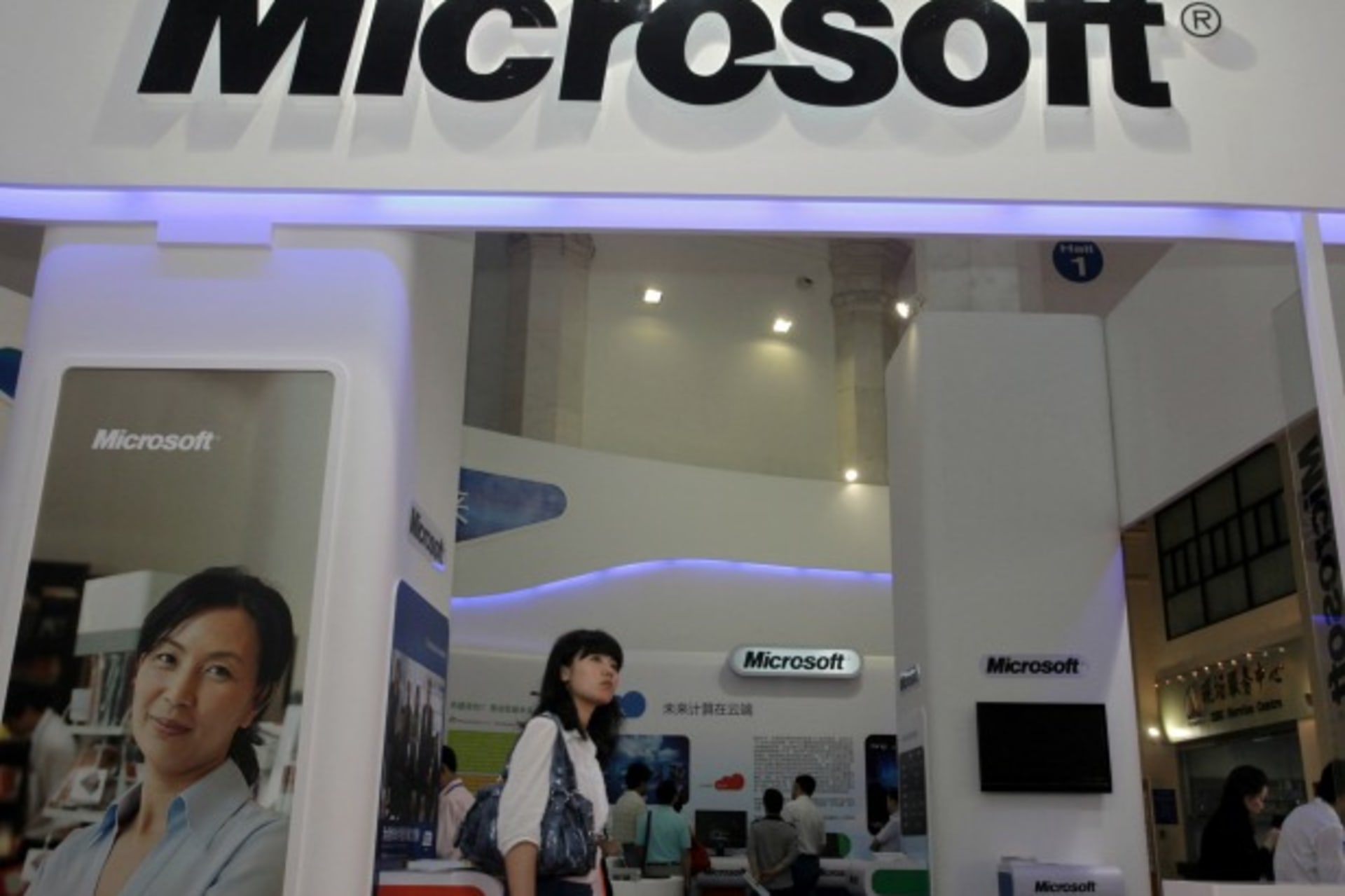
Reports of China investigating Microsoft for possible violations of anti-monopoly laws have tied the action to continuing tensions over cybersecurity. In response to the Department of Justice’s indictment of five alleged PLA hackers, as well as revelations in some of the documents released by Edward Snowden that appear to expose the NSA hacking into Chinese targets, Beijing has increased focus on the security of the products of Microsoft, Cisco, Oracle, Intel, and others. Newspaper articles have called these companies the “guardian warriors,” highlighted the alleged vulnerabilities that China’s reliance on these companies creates, and pushed for banks, government offices, and others to shift to Chinese competitors.
There seems little doubt that the Chinese are exploiting the Snowden revelations for commercial advantages. But it is good to remember that there is a history here. China has never been comfortable with being dependent on Microsoft products:
For at least the last two decades, Beijing has searched for policy tools to reduce dependence on the United States and other developed economies for critical technologies and to create the conditions for indigenous innovation—for Chinese companies to move up the value chain from labor-intensive to high-technology products. And cybersecurity has also always been a priority and a worry.
In the past, because China still needed them, Beijing and the technology companies came to agreements that everybody could live with. The Chinese government squeezed, but the companies got continued access to the market and made large investments in R&D in China to show the government that they were collaborative partners. China still needs the tech companies, but that dependence, or at least Beijing’s view of that dependence, seems to be lessening. If that is the case, then the anti-monopoly investigations and the broader pressure on American companies are both part of a larger history and the start of something new.