China in Latin America: October 2025
In October, Chinese soy imports from Brazil and Argentina increased as U.S. soy was shut out prior to a U.S.-China trade truce at the end of the month. Discussion on Mexico’s proposed tariff on imports from China was paused until November. BYD launched sales of its electric vehicle in Argentina and a Chinese food delivery service started operating in Brazil.
By experts and staff
- Published
- Felipe de BolleIntern, Latin America and Geoeconomics, Fall 2025, Council on Foreign Relations
Tariffs: In the beginning of October, tensions rose between China and Mexico over new proposed Mexican tariffs on Chinese imports. China’s Ministry of Commerce officially denounced Mexican protectionist actions, including new anti-dumping probes on Chinese products. The Chinese Embassy in Mexico City suggested the United States was responsible for Mexico distancing itself from China, calling U.S. action “economic bullying.”
The Mexican Congress halted debate on the proposed tariffs until late November, with the government poised to discuss tariff hikes with China and other affected countries before passing the law.
Guatemala terminated its anti-dumping probe into Chinese galvanized steel, levying no new tariffs.
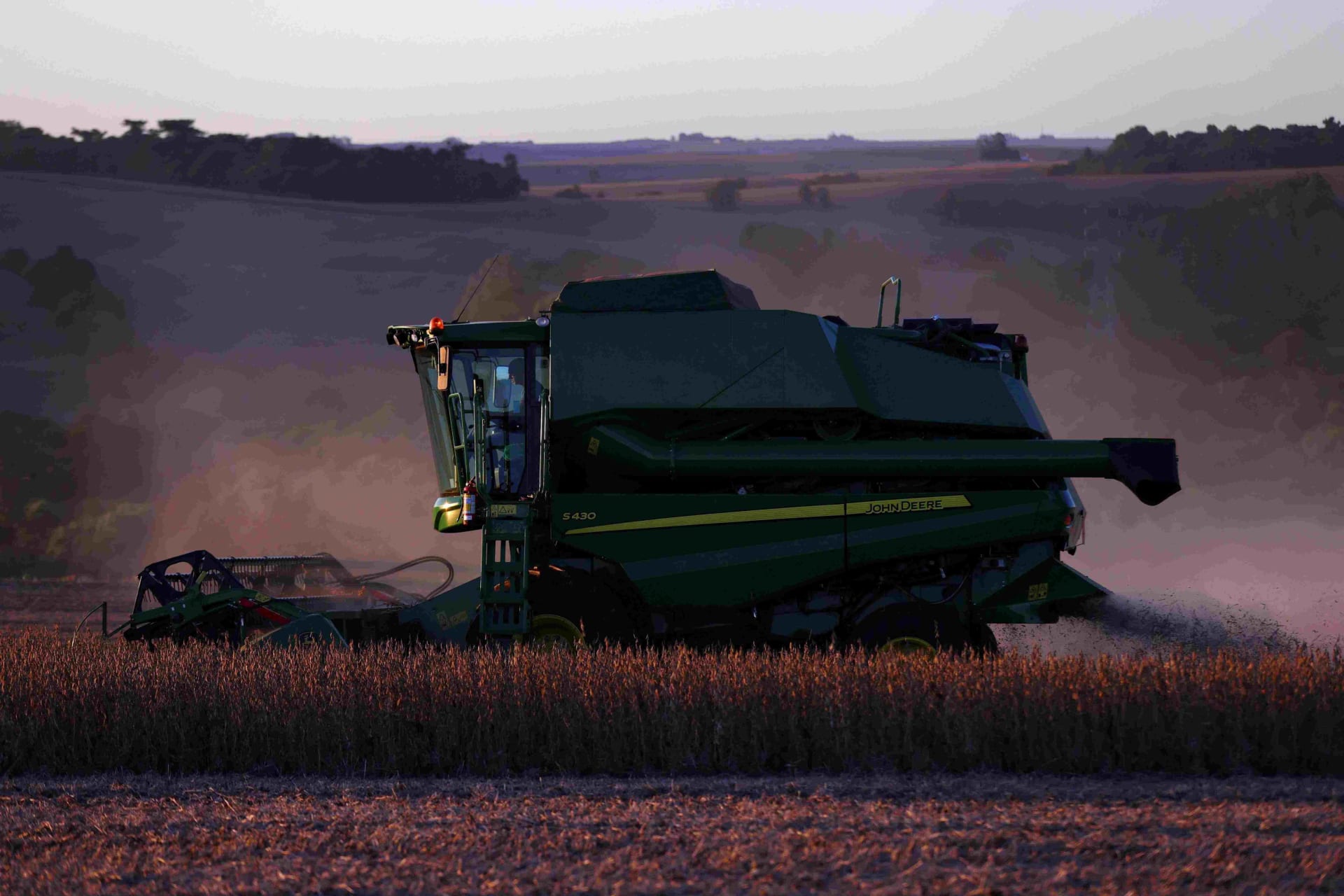
Trade: China did not buy any American soybeans in September, largely replacing them with Argentinian and Brazilian soy. High soybean premiums from Brazilian producers limited the amount of Chinese imports in the beginning of the month, but Brazilian producers have beefed up production to meet increased Chinese demand. A larger Chinese market for Latin American soybeans has led to concerns over potential deforestation to grow more beans.
A U.S.-China deal at the end of October, which includes China resuming its purchases of American soybeans, could hurt Argentina and Brazil’s soy industry. Between September and October, China bought about twelve million tonnes of soybeans from those two countries to replace U.S. soybeans. Brazilian exporters are concerned, but believe the deal will not do significant damage, as Brazil holds around 78 percent of the Chinese soy market. Brazil sends around 75 percent of its soybeans to China, representing about $44 billion in revenue in 2024.
Brazil’s beef exports to China also grew by 38 percent year-over-year as of September, as exports to the United States fell by 41 percent year-to-date amid a 50 percent U.S. tariff on imports from Brazil. China has also committed to buying more deforestation-free Brazilian beef. China’s Tianjin Meat Association, which accounts for 15 percent of Chinese beef imports from Brazil, will buy fifty thousand tons of deforestation-free certified Brazilian beef.
China officially opened to imports of wild-caught seafood from Ecuador, strengthening trade ties. Ecuador is the biggest exporter of shrimp to China, and the product is a cornerstone of bilateral trade between the two countries.
Investment: China’s largest carmaker BYD launched sales of its electric vehicles in Argentina, boosting its fast-growing footprint in the region.
A new Chinese shrimp plant is set to open in Ecuador as packers increasingly compete for raw materials.
Chinese company Meituan launched its food delivery brand Keeta in Brazil, its first operations in Latin America. The service went live in the Brazilian cities of Santos and São Vicente on October 30 and there are plans to gradually expand, entering São Paulo by the end of the year.
The Nicaraguan National Assembly approved a $57.4 million loan from China Communications Construction Company to build a new wind farm. The project is expected to raise the country’s wind-power generation capacity to 241.4 megawatts and reflects the strengthening of the China-Nicaragua relationship since reestablishing diplomatic relations in 2021.
Nicaragua also approved two new mining concessions to a Chinese company, covering over forty-one thousand hectares (101,313 acres) and bringing the total area granted to almost seven hundred thousand hectares (1.7 million acres).
U.S.-China Competition: The Chinese ambassador to Brazil reaffirmed Chinese export certification and investment support for Brazil in order to weather 50 percent tariffs that the United States imposed earlier this year.
China denounced Treasury Secretary Scott Bessent’s statement that Argentinian president Javier Milei was committed to “getting China out” after the U.S. government extended a $40 billion lifeline to the South American country. The Chinese embassy in Buenos Aires accused the U.S. government of interventionism.
Panamanian President José Raúl Mulino alleged that the United States threatened to revoke visas of Panamanian officials over China’s close ties to the country.
Diplomacy: Brazilian President Luiz Inácio Lula da Silva made an unusual public endorsement of Chinese automaker BYD, urging Brazilians to buy the company’s cars and buying a BYD SUV himself. This came as BYD opened a factory in the Brazilian state of Bahia, on a plant previously owned by Ford, which closed its factories in Brazil in 2024. The plant is BYD’s largest factory outside of China and is expected to begin producing 150,000 vehicles a year. It previously faced controversy during its construction phase as Brazilian labor authorities found Chinese workers living in “slavery-like conditions” and temporarily halted construction at the site.
Brazilian Finance Minister Fernando Haddad confirmed that Brazil is negotiating with China and the European Union to establish an international carbon-trading framework ahead of the thirtieth Conference of the Parties (COP30).
China positioned itself against U.S. military buildup close to Venezuela’s Caribbean coast. In a press briefing, China’s Foreign Ministry spokesman Lin Jian affirmed Chinese support for Latin America as a “zone of peace” and denounced unilateral American military action and interference in Venezuela’s “domestic affairs.”