Eleanor Atkins
Stanton Nuclear Security Fellow
Competition with China poses a challenge unlike any the United States has faced before. To meet the challenge, CFR’s new China Strategy Initiative will answer the questions that go to the heart of American China strategy through fresh analysis, granular policy recommendations, and convenings with experts from around the world.
The China Strategy Initiative will launch cross-cutting programs to address four foundational questions.

Inside China focuses on understanding and analyzing developments within the People’s Republic of China.
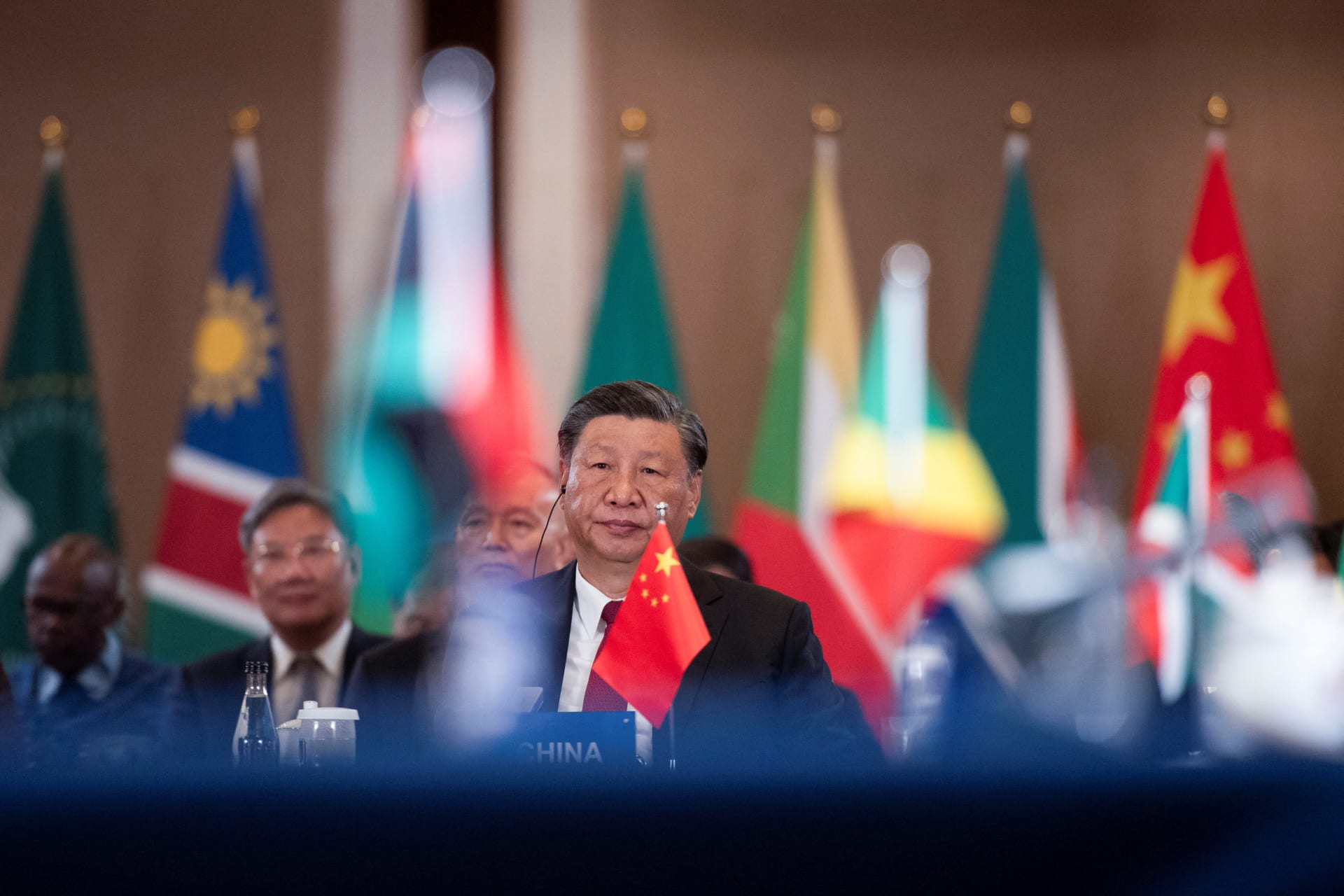
China 360° pulls expertise from across CFR to understand China’s global activities and how countries respond to them.

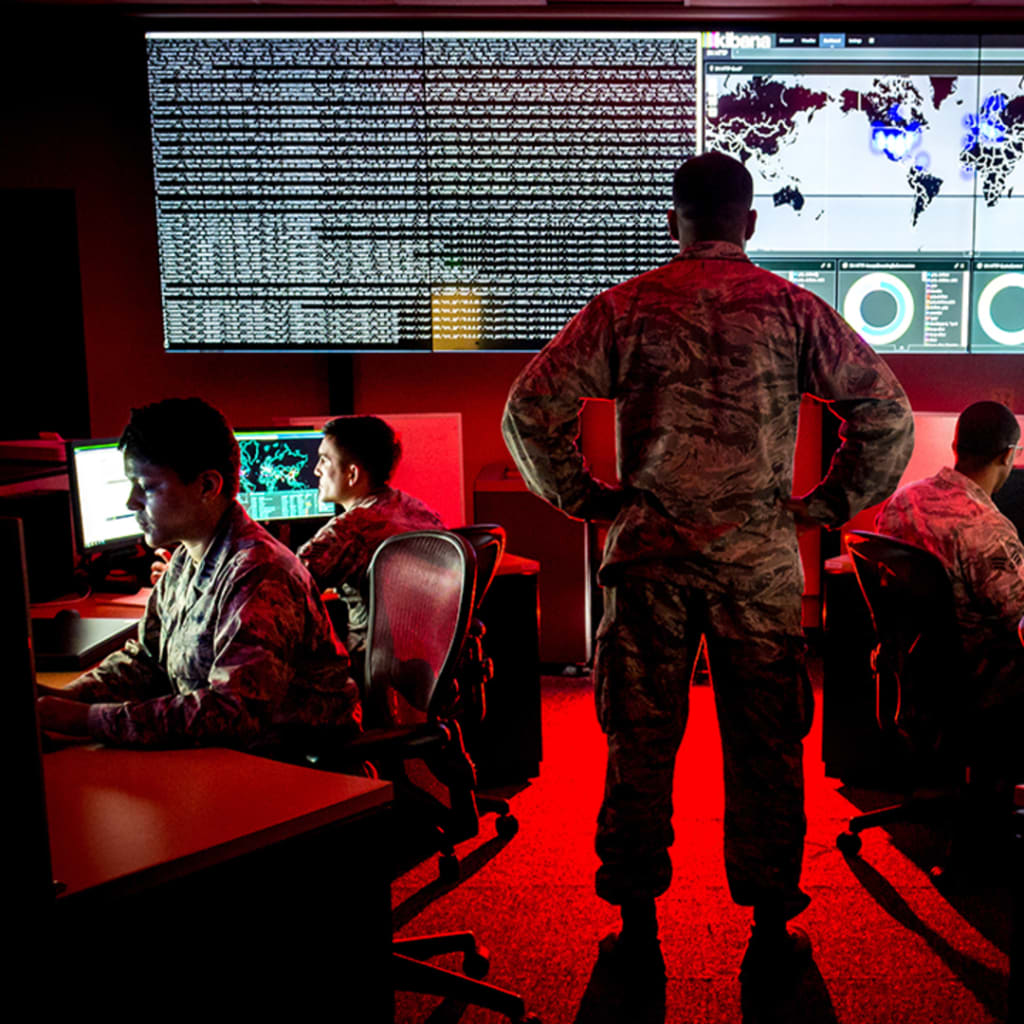
The China Policy Accelerator produces actionable policy recommendations on what the United States should do not just abroad but at home, from fixing the defense industrial base to securing critical infrastructure from cyberattack.
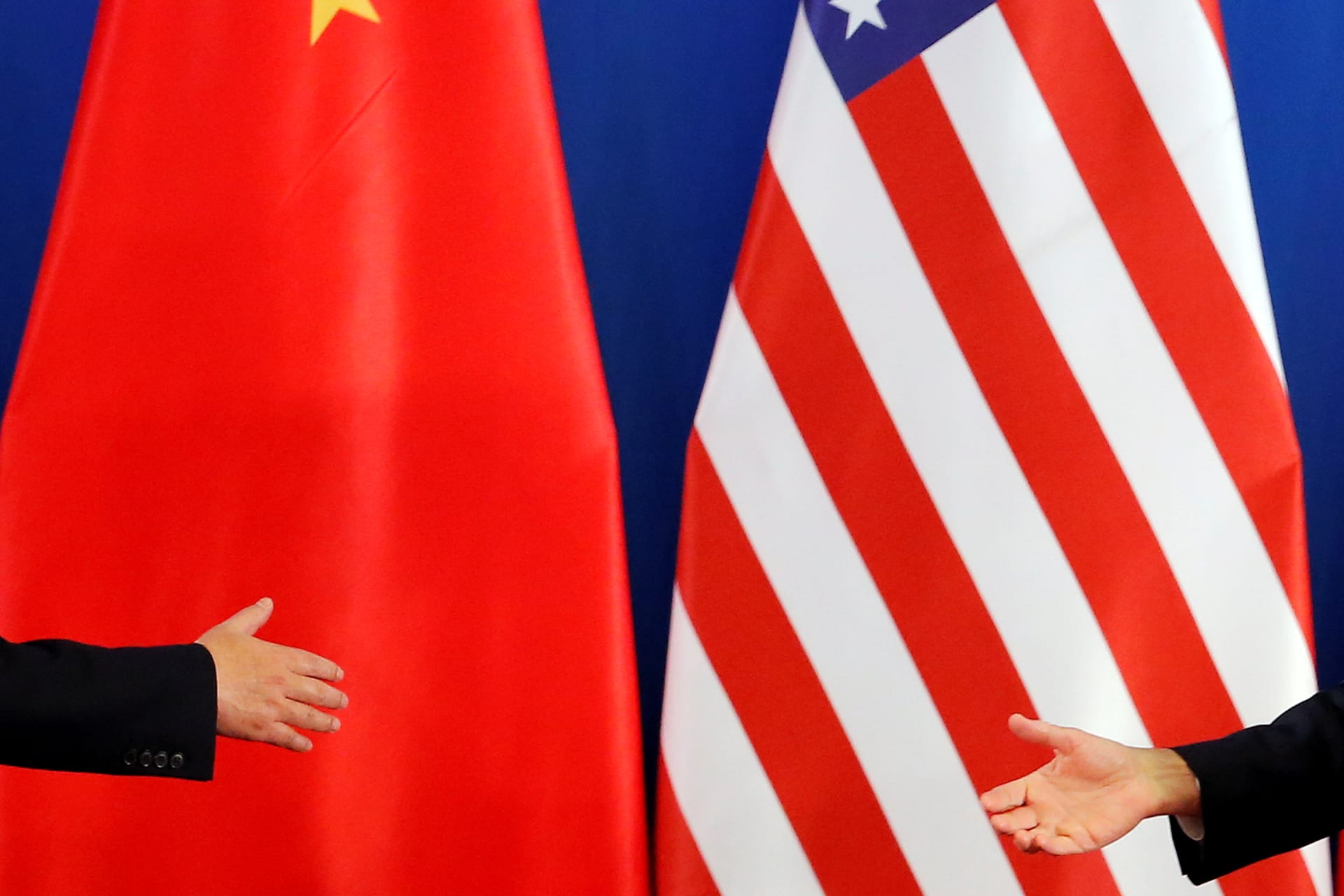
The Global China Forum facilitates conversations with experts from the United States, China, and other countries around the world.
Stanton Nuclear Security Fellow

Senior Fellow for Strategic Competition

Bloomberg Chair in Global Health; Senior Fellow for International Economics, Law, and Development; and Director of the Global Health Program

Senior Fellow for Technology and National Security

Senior Fellow

C.V. Starr Senior Fellow for Asia Studies and Director of the China Strategy Initiative

Stanton Nuclear Security Senior Fellow and Director of the Defense and National Security Program

Former International Affairs Fellow in National Security, sponsored by Janine and J. Tomilson Hill

Senior Fellow for Europe

Fellow for Latin America Studies

Research Fellow

Senior Fellow for Geoeconomics

Senior Fellow for Technology and Innovation and Director of the Defense and National Security Program

Senior Fellow for Global Health

Senior Fellow for Southeast Asia and South Asia

Maurice R. Greenberg Senior Fellow for China Studies

Senior Fellow for China and Emerging Technologies

Senior Fellow

Senior Fellow For China Studies

International Affairs Fellow in National Security, sponsored by Janine and J. Tomilson Hill

Fellow for Asia Studies

Ira A. Lipman Chair in Emerging Technologies and National Security and Director of the Digital and Cyberspace Policy Program

Whitney Shepardson Senior Fellow

Senior Fellow for Asia Studies

Senior Fellow

Senior Fellow for Global Health

China has built a sophisticated hacking apparatus to gain leverage in peacetime and wreak havoc during conflict. Currently, the United States lacks the defenses or the credible deterrent to combat that threat. CFR experts Matthew Ferren, Adam Segal and Rush Doshi argue that it needs to build shared visibility into Chinese campaigns, impose costs on Chinese operations, enhance network resilience, and rebuild federal capacity.
Bringing readers up to speed on key issues in China strategy through explainers and interactives.
 Report
 Report
 Report
Productions from the China Strategy Initiative
 Podcast
 58:21Podcast
 36:47Podcast
 37:08Podcast
 39:24Podcast
 34:37Podcast
362 results
The Free Press
School of War
 Report
 Report
The Wall Street Journal
 Expert Take
 Expert Take
 Expert Take

 Report
 Report

Australian Strategic Policy Institute
BBC Radio 4
 Expert Take