Democracy in Development: Diversifying Global Supply Chains
By experts and staff
- Published
- Isobel ColemanSenior Fellow and Director of the Civil Society, Markets, and Democracy Initiative; Director of the Women and Foreign Policy Program
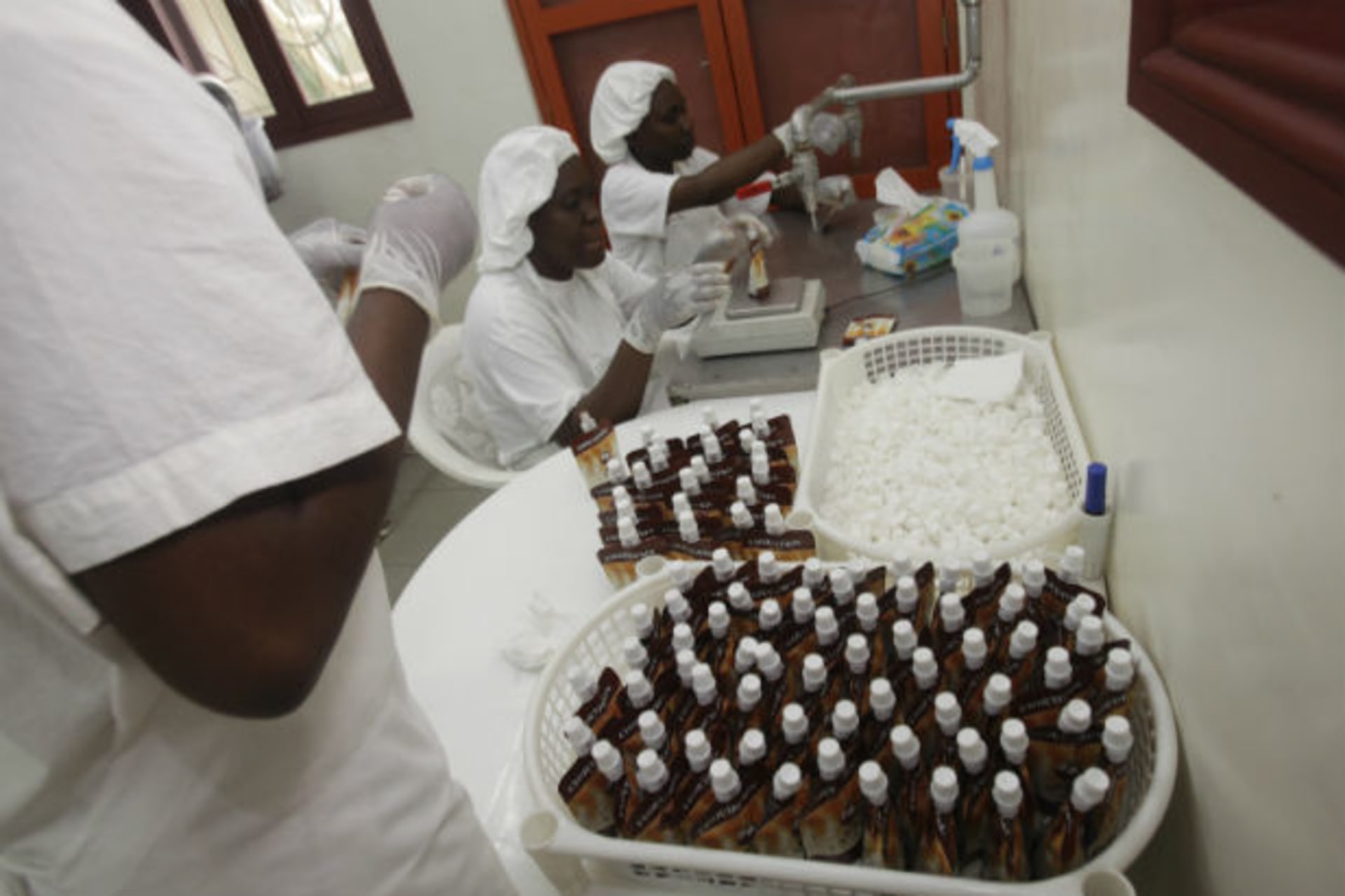
Yesterday on my blog, I wrote about the importance and difficulties of including more women-owned businesses in global supply chains, the topic of a meeting I hosted this week as part of CFR’s ExxonMobil Women and Development Roundtable Series. As I note:
While better incorporating women into global supply chains can be a major lever for change, it’s difficult to do. Women business owners in many markets face strong cultural and structural barriers.
You can read about some innovative solutions to these obstacles in the full post here.