Democracy in Development: An Update on Mobile Technology in Development
By experts and staff
- Published
- Isobel ColemanSenior Fellow and Director of the Civil Society, Markets, and Democracy Initiative; Director of the Women and Foreign Policy Program
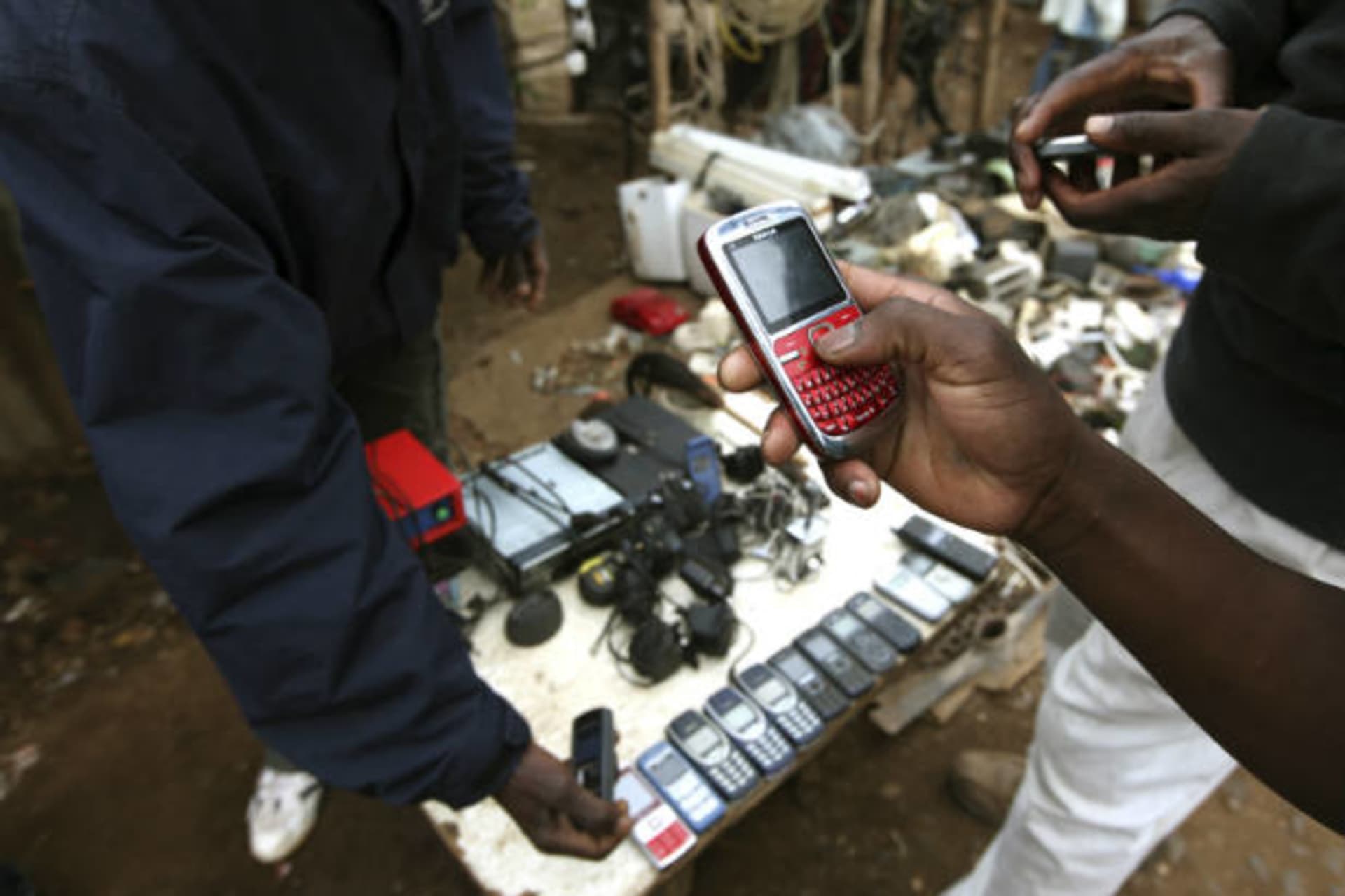
This week on my blog, I featured a two-part series on mobile technology in the developing world. On Tuesday, I wrote about how mobile phones are enabling people in the developing world to access banking services and obtain life insurance. On Thursday, I discussed how mobile technology helps NGOs extend resources and aid to those in need—and how it helps evaluate the impact of these projects. As I write in Tuesday’s post:
In the past, one reason why banks did not court the poor as clients is because the cost of processing their small transactions outweighed any advantage to the bank; but mobile technology is significantly decreasing transaction costs.