Global Human Rights: Miles to Go
By experts and staff
- Published
- Stewart M. PatrickJames H. Binger Senior Fellow in Global Governance and Director of the International Institutions and Global Governance Program
Nearly three years ago, the first arrest warrant for a sitting head of state was issued by the International Criminal Court for war crimes and crimes against humanity. The date was March 4, 2009, and the leader was Sudan’s Omar al-Bashir, who remains that country’s leader to this day. As this glass half-full anniversary approaches and the international community faces what UN secretary-general Ban Ki-moon has called “almost certain” instances of crimes against humanity in Syria, the complex issue of human rights has once again assumed the center stage in world politics.
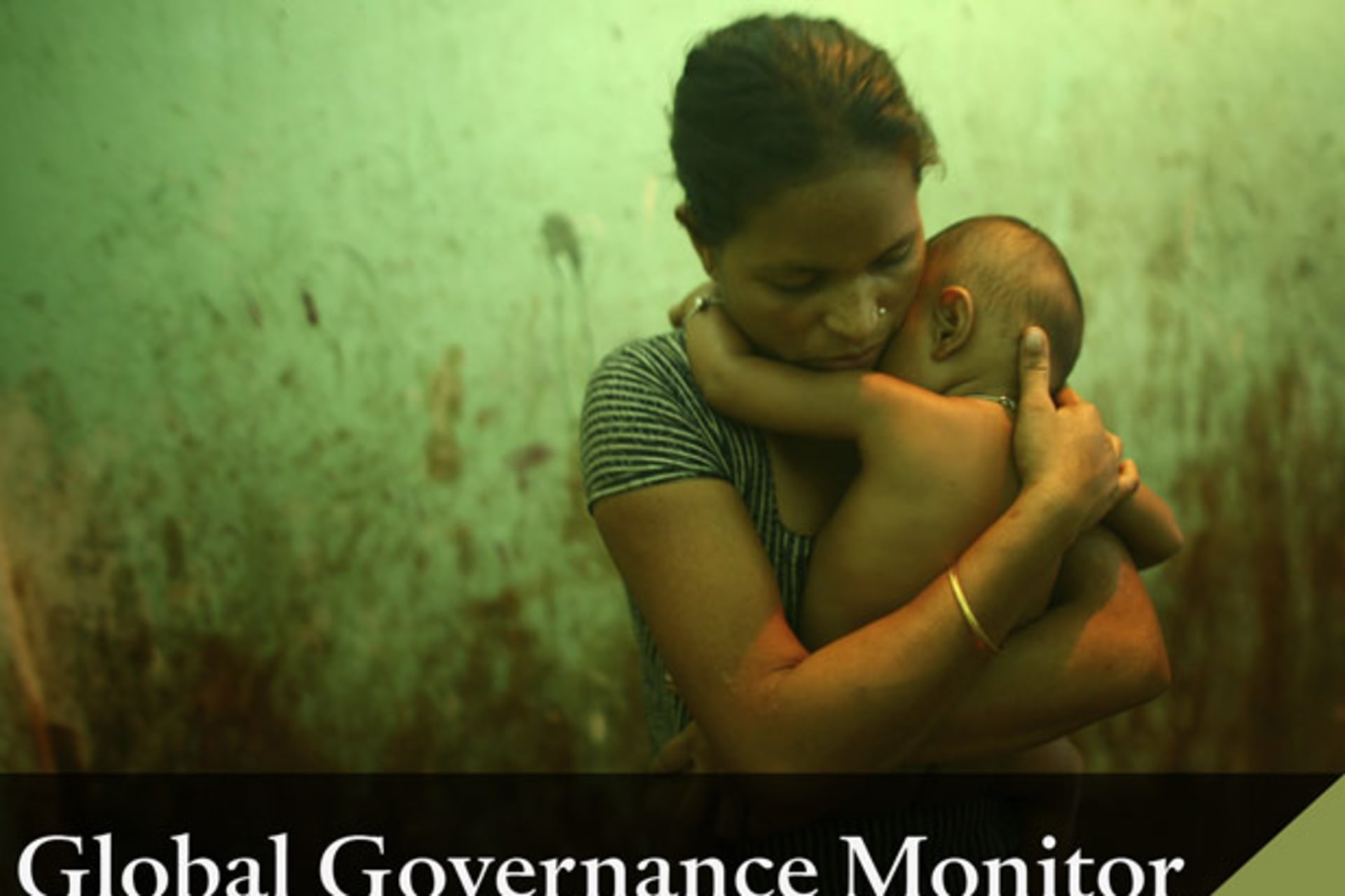
Recognizing the significance of both developments, the Council on Foreign Relations’ International Institutions and Global Governance program has launched the newest expansion to the award-winning Global Governance Monitor: a component dedicated to human rights.
Created in 2009, the Global Governance Monitor tracks multilateral efforts to address global challenges. Similar to the guide’s seven other issue-specific components assessing the nonproliferation, finance, oceans governance, climate change, armed conflict, terrorism, and public health regimes, the new chapter on human rights includes:
The human rights component’s interactive issue brief also features six core policy recommendations to improve and reform the global human rights regime. In particular, it is vital that relevant players within the international community:
Together, myriad issues—whether the ongoing crises in the Middle East, the apparent spike in antigay sentiment across Africa, or calls to make Internet access a human right—highlight the once and future significance of human rights as a critical global governance issue. The Internationalist invites readers to explore the new component.