Global Paradigm Shift: The Wisdom of Robert Zoellick
By experts and staff
- Published
- Stewart M. PatrickJames H. Binger Senior Fellow in Global Governance and Director of the International Institutions and Global Governance Program
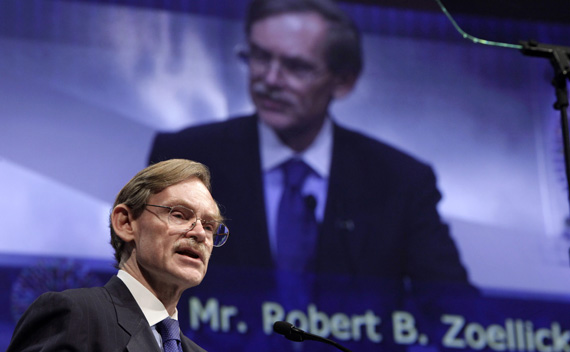
It’s rare that the head of a lumbering international organization delivers a visionary speech about a new world order. But when that person is a polymath and strategic thinker like Robert Zoellick, it pays to sit up and take notice. In a sweeping address at George Washington University earlier this month, the World Bank president identified a “critical inflection point” in world history. Global affairs have been so transformed, he suggested, that we need new paradigms for global governance and global development. Since the speech attracted little media attention, The Internationalist thought it opportune to take a closer look.
When confronted with contemporary dilemmas, Zoellick noted, policymakers are tempted to look to supposed “lessons of the past.” In the current economic and political crisis, many have invoked the post–World War II settlement—including the Dumbarton Oaks and Bretton Woods conferences that created the United Nations, World Bank, and IMF—for guidance. But such nostalgia is misplaced, Zoellick suggests, for the global conditions and problems we confront today are vastly different, both qualitatively and quantitatively. The real relevance of history is to give people a better understanding of how their circumstances have changed from the past.
And change they have. Zoellick makes clear just how much the world has transformed since the days of FDR and Truman—and why the world needs a new multilateralism for a new age:
Zoellick’s take-home message? This is not your grandfather’s multilateralism. Modernizing global governance for the twenty-first century will require a new compact between rising and emerging powers, retiring tired labels like “North” and “South,” accepting the common responsibilities of power, shifting to a world beyond aid, and empowering women to take their rightful place beside men as the prime movers—and beneficiaries—of global interdependence.