The Group of Eight Summit: One Pillar of Today’s “G-x World”
By experts and staff
- Published
- Stewart M. PatrickJames H. Binger Senior Fellow in Global Governance and Director of the International Institutions and Global Governance Program
It has become conventional to assert, following Eurasia Group President Ian Bremmer, that we live in a “G-Zero World.” The international system lacks global leadership. Rather than concerting efforts in common endeavors, we are told, every nation is out for itself. In fact, the “G-Zero” label is misleading—a barren caricature of the rich landscape of international cooperation that actually does exist. What is distinctive about our era is not the absence of multilateralism, but its astonishing diversity and flexibility. When it comes to collective action, states are no longer focusing solely or even primarily on universal, treaty-based institutions like the United Nations—or even on a single apex forum like the Group of Twenty (G20). Instead, governments have adopted an ad hoc approach, coalescing in a bewildering array of issue-specific and sometimes transient bodies depending on their situational interests, shared values, and relevant capabilities. Welcome to the “G-x” world.
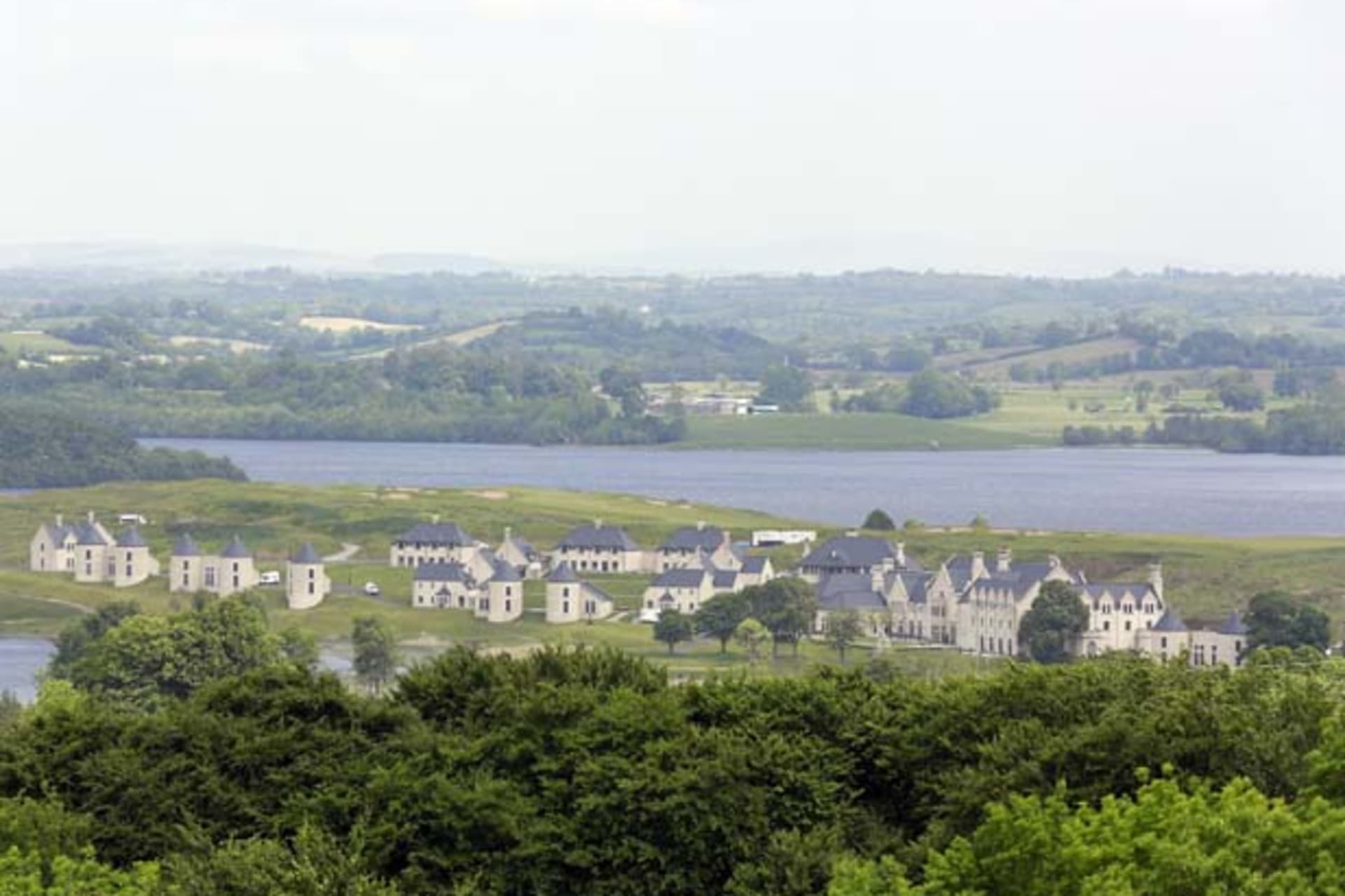
An important pillar of this G-x world is the venerable Group of Eight (G8), composed of the United States, Japan, Germany, the United Kingdom, France, Italy, Canada, and Russia (plus the European Union). The G8’s resilience is something of a surprise. Ever since President George W. Bush elevated the G20 to the leaders’ level in November 2008, pundits have predicted the G8’s demise. Such obituaries remain premature. The G8 retains unique advantages as a minilateral forum for political and macroeconomic coordination among advanced market democracies—notwithstanding Russia’s sometimes fractious relations with its liberal partners. These strengths will be in evidence next week, when the body meets for its annual summit in Lough Erne, Northern Ireland.
One of the G8’s obvious advantages over the G20 is its modest size, which enables the unscripted, candid dialogue that world leaders crave. The first summit of this kind, a G-5 meeting in the Chateau de Rambouillet in 1975, remains the model for this sort of interaction. After intimate discussions over the world economy, the leaders produced a concise declaration of only fifteen paragraphs. David Cameron, this year’s host, is anxious “to go back to those first principles. There will be no lengthy communique. No armies of officials telling each other what each of their leaders think.” As at last year’s Camp David summit, leaders will roll up their sleeves, outside the prying eyes of cameras and reporters, and get down to business.
That business, mercifully, will focus on a limited agenda. Under the theme of supporting “open economies, open governments and open societies,” Downing Street has chosen three topics for discussion: advancing global trade, ensuring tax compliance, and promoting greater transparency. These are all worthy goals and ones where the G8—which represents half of global GDP and the lion’s share of official development assistance—has a natural role to play in mobilizing international action.
This being a meeting of world leaders, the conversation in Northern Ireland will doubtless stray from this focused agenda to high-profile political topics—from the latest developments in Syria to the Iranian and North Korean nuclear programs. If so, one can hope that the intimate setting will offer opportunities to forge common ground—or, at least a common understanding of the stakes involved. In a G-x world, global problem-solving will increasingly occur through concerted action within informal clubs of states.