How Violent Extremist Groups Profit From the Trafficking of Girls
As the world celebrates the power and potential of girls today, on the International Day of the Girl Child, we must also grapple with the significant obstacles that prevent girls from participating fully in society.
By experts and staff
- Published
- Jamille BigioSenior Fellow for Women and Foreign Policy
As the world celebrates the power and potential of girls today, on the International Day of the Girl Child, we must also grapple with the significant obstacles that prevent girls from participating fully in society.
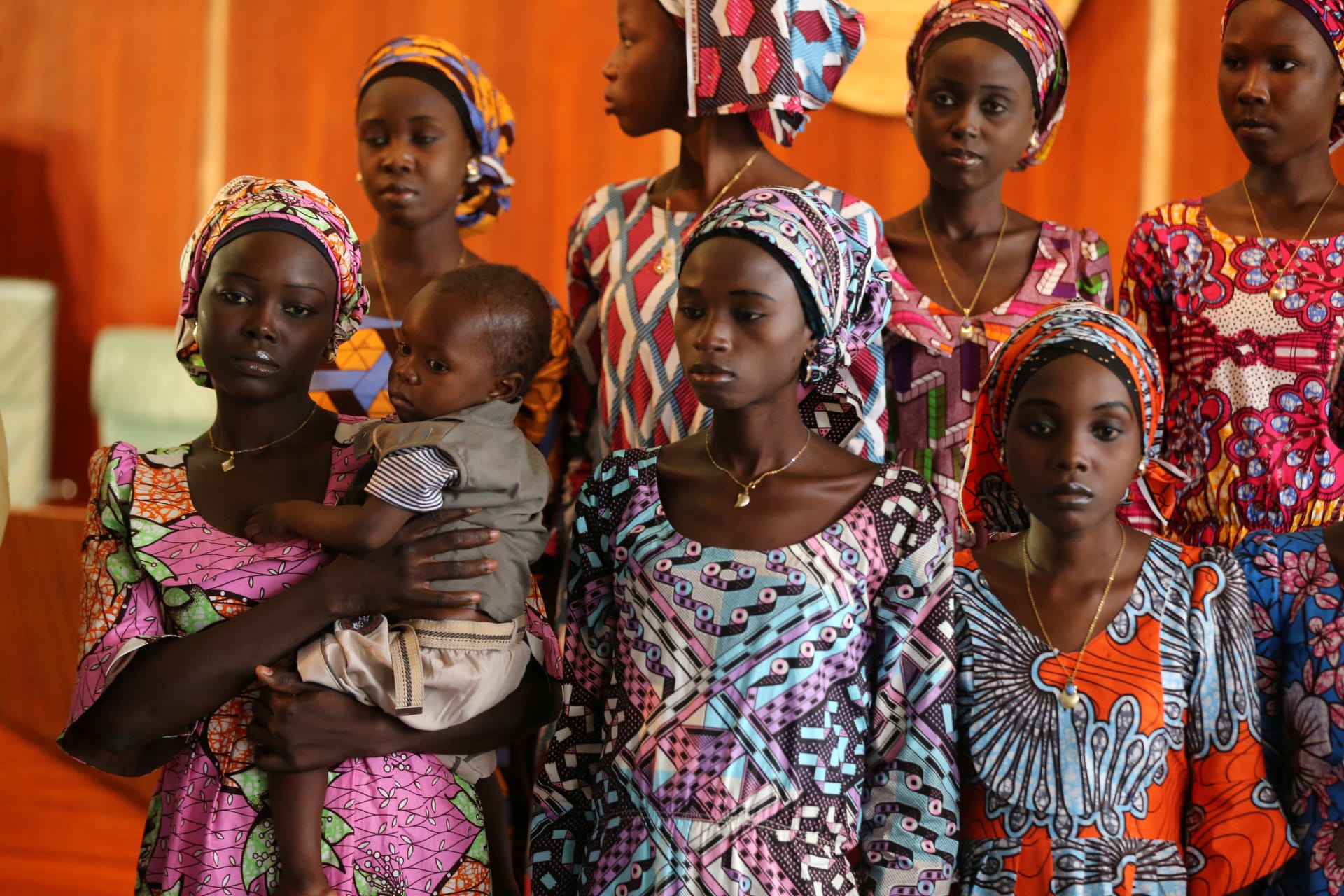
Girls are typically the first to drop out of school, more likely to go hungry when food is scarce, and face staggering rates of sexual violence. And in areas affected by conflict and terrorism—Syria, Myanmar, Nigeria and beyond—girls are at particular risk of enslavement, forced marriage, and exploitation. They represent three out of every four child victims of human trafficking, with extremist and armed groups increasingly targeting them.