Hurricane Sandy: A Lesson in Why Governments Really Matter
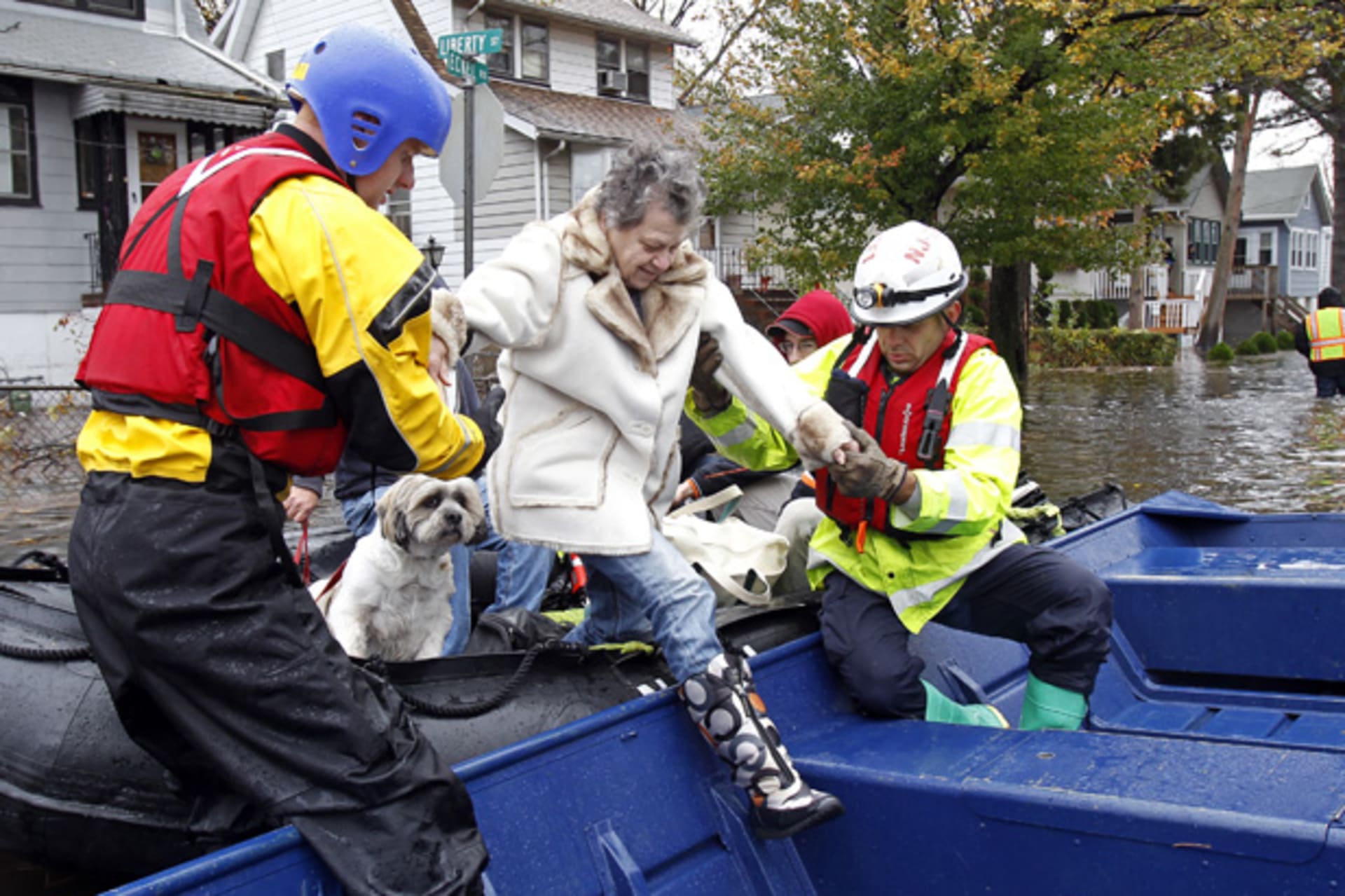

Grover Norquist, the anti-tax crusader, has famously said that he has no wish to eliminate government, but only to “shrink it to the size where we can drown it in a bathtub.” Americans up and down the east coast can be grateful in the wake of Hurricane Sandy that he has not yet succeeded, or they might well have drowned in their own homes.
For those who wonder just what it is our tax dollars pay for, consider just a small list of government actions before and during the storm that made it far less catastrophic than it might have been:
This list could be much longer, but each represents a success born of planning and coordinated action to improve outcomes for large numbers of people – exactly what governments can and should be doing.
The contrast with the failed preparation and response to Hurricane Katrina in 2005 is striking. In the years prior to Hurricane Katrina, the Louisiana Army Corps of Engineers had identified some $18 billion in projects necessary to shore up the levees in New Orleans against hurricanes and flooding. Instead, Army Corps funding in the state was cut in half in the four years before the 2005 hurricane, with predictable consequences. Both federal and state governments failed to preposition supplies as the storm barreled in, there was little pressure on local residents to evacuate, and emergency responders took days to get to the scene after the storm to rescue the tens of thousands stranded in the city.
The vastly improved response this time around shows that governments – like private businesses – can learn from past mistakes. Governor Christie of New Jersey praised the federal government’s response to Hurricane Sandy, calling it “outstanding.”
There are some basic lessons in all this. First, we should invest in government services because we want them to be there when we are in a time of need. Whether it’s a natural disaster that affects millions or a company closure that leaves hundreds out of work, government has the resources to help people get back on their feet and start over. Secondly, governments – like businesses or individuals – can learn to do things better. The preparations for Hurricane Sandy would likely have been much poorer if not for the lessons from Katrina, from Irene, and from this past summer’s “derecho” storms in Washington. Third, the effort to pit state and local governments against the federal government is mistaken; when a genuine crisis hits, we need all three working effectively and in concert.
As with all such disasters, human memory is short. Most of us will quickly forget Hurricane Sandy, move on with our lives, and grumble about high taxes. But if we keep letting them do their jobs – rather than continuing to cut them down -- our governments will be busy preparing for the next time we really need them.