International Day for the Elimination of Violence Against Women
By experts and staff
- Published
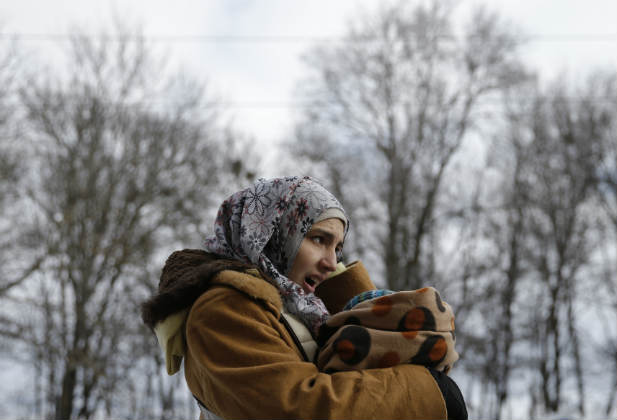
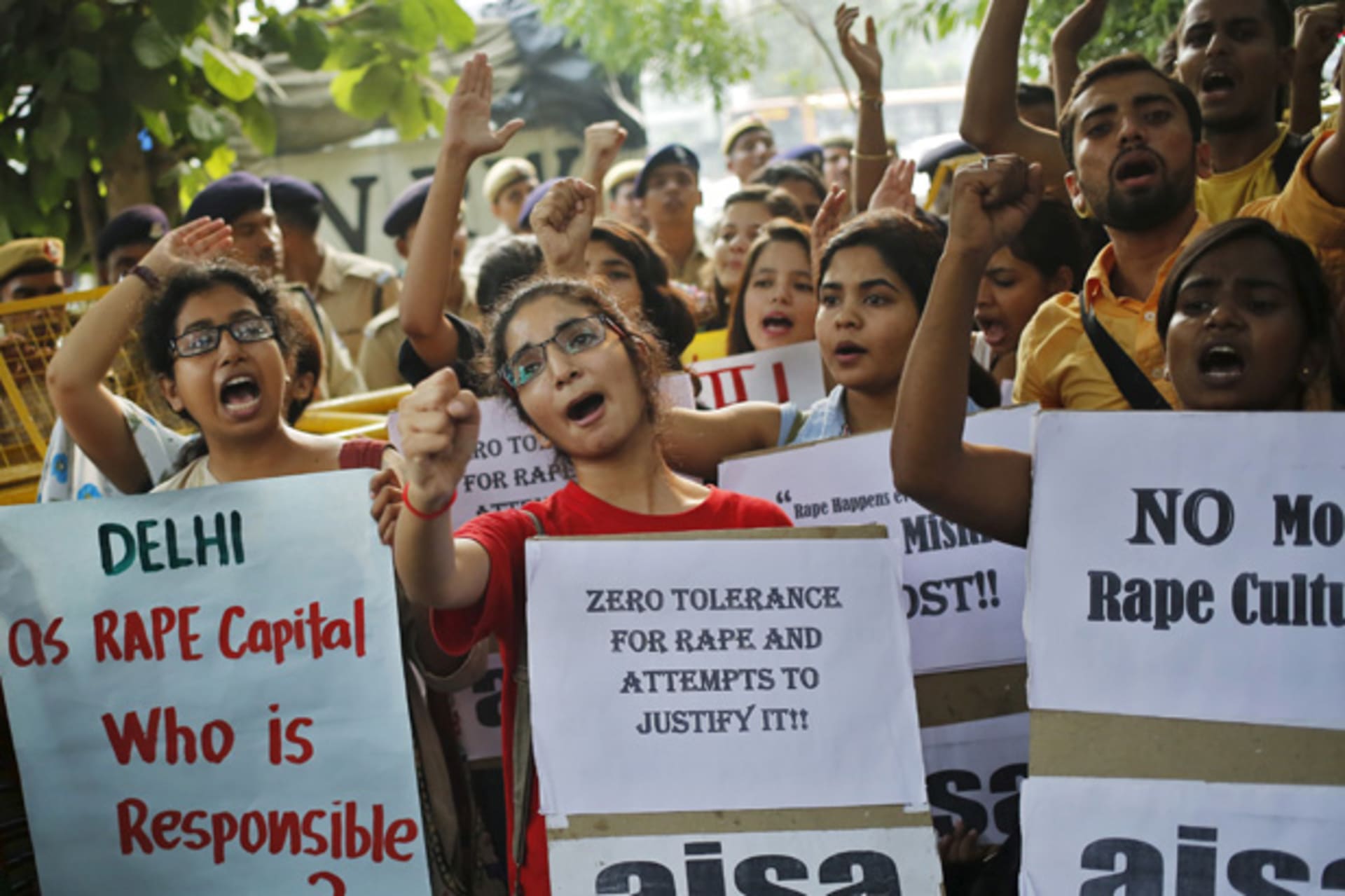
Today, November 25, is International Day for the Elimination of Violence Against Women, an internationally recognized day to elevate combating violence against women on the international development agenda. Learn more about how violence against women relates to U.S. foreign policy interests, including stability and prosperity, in these six publications from the Women and Foreign Policy program.
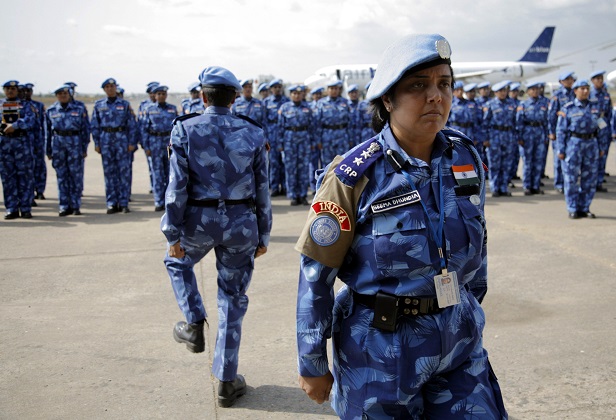
An October 2016 Discussion Paper highlights a growing body of research that suggests that standard peace and security processes routinely overlook a critical strategy that could reduce conflict and advance stability: the inclusion of women. Authors Jamille Bigio, adjunct senior fellow, and Rachel Vogelstein, senior fellow and director of the Women and Foreign Policy program, present compelling evidence about the value of women’s contributions to peace and security efforts and urge increased U.S. investment in women’s participation in peacebuilding, peacekeeping, and post-conflict reconstruction around the world. Read the paper »
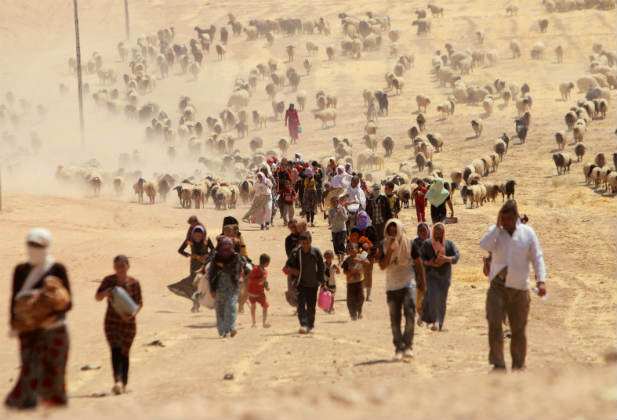
In a CFR roundtable meeting, Catherine Powell and UN Undersecretary-General Zainab Hawa Bangura discussed the use of sexual violence as a weapon of war, notably by the Islamic State group, as well as recent efforts to combat and prosecute its perpetrators. Although the systematic use of rape has been firmly established as a war crime, recognizing rape and sexual violence as a tactic of terror used by extremist groups is a new frontier in international law. Read the blog post on Women Around the World »
Gary Barker, president and CEO of Promundo and member of the UN Secretary-General’s Network of Men Leaders, writes in a guest blog post on Women Around the World about the strategic imperative of including boys and men in efforts to counter violence against women. “A global prevention movement,” he writes, “means that all men and fathers become part of a cycle of change—questioning other men’s violence, speaking out about it, talking to our sons and daughters about it.” Read the blog post on Women Around the World »
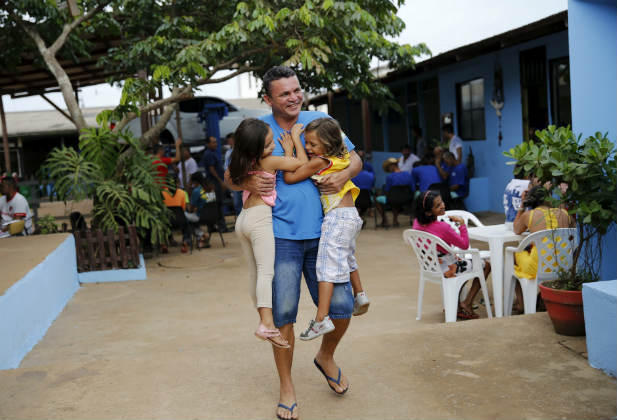
Estimates suggest that gender-based violence can cost 1 to 2 percent of countries’ GDP. But under the Millennium Development Goal (MDG) framework that preceded the recently adopted Sustainable Development Goals (SDGs), funding from major donor countries to advance gender equality was largely confined to the areas of maternal health and primary education, to the exclusion of priorities such as violence prevention. To foster stability and prosperity around the world, “the United States should lead the effort to increase international financing for gender equality,” writes Rachel Vogelstein. Read the Policy Innovation Memo »
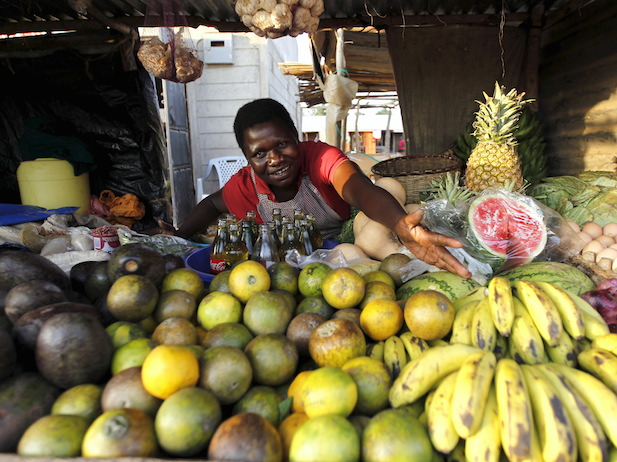
In her bestselling book The Dressmaker of Khair Khana, CFR Senior Fellow Gayle Tzemach Lemmon writes that “war reshapes women’s lives and often unexpectedly forces them—unprepared—into the role of breadwinner.” She chronicles a community of Afghan women who created an entrepreneurial network that has become a model for economic development, in spite of the violence and repression women faced under Taliban rule. Learn more about the book »
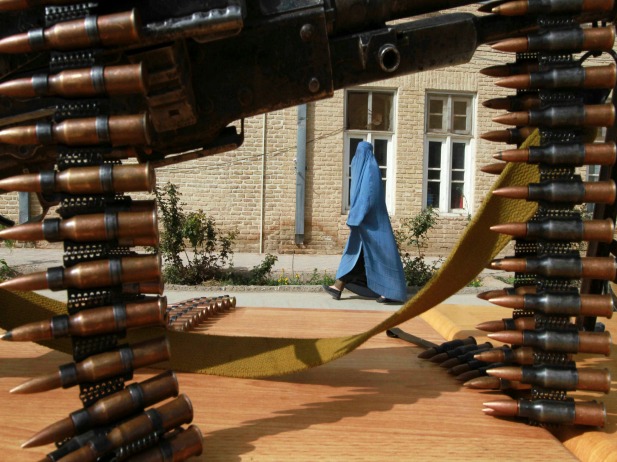
Franziska Brantner, a member of the German Bundestag and spokesperson for child and family policy for the parliamentary group Bündnis 90/The Greens, shares insights on polices that affect women and children in Germany’s escalating refugee crisis. Brantner describes a lack of protection for vulnerable populations in German refugee shelters, lamenting that “[t]here is sexual violence in camps and no formal mechanism to respond to it.” Read the interview on Women Around the World »