The 1964 Gulf of Tonkin Resolution
Congress endorsed President Lyndon B. Johnson’s determination to confront North Vietnam without investigating whether the facts justified that decision.
By experts and staff
- Published
 James M. LindsayCFR ExpertMary and David Boies Distinguished Senior Fellow in U.S. Foreign Policy
“Act in haste, repent at leisure.” “Look before you leap.” “Fools rush in where angels fear to tread.” Warnings against acting rashly are frequently offered. They are just as frequently ignored. The results can be tragic. A case in point is the Gulf of Tonkin Resolution. Congress passed it on August 7, 1964, providing the legal basis for the Vietnam War. Congress acted, however, without investigating whether the facts were as President Lyndon B. Johnson and his advisers had presented them. They were not.
A survey I conducted on behalf of the Council on Foreign Relations with members of the Society for Historians of American Foreign Relations ranked the Gulf of Tonkin Resolution the ninth-worst foreign policy decision in U.S. history.
[Video: https://www.youtube.com/shorts/rttMuZZMJuI]
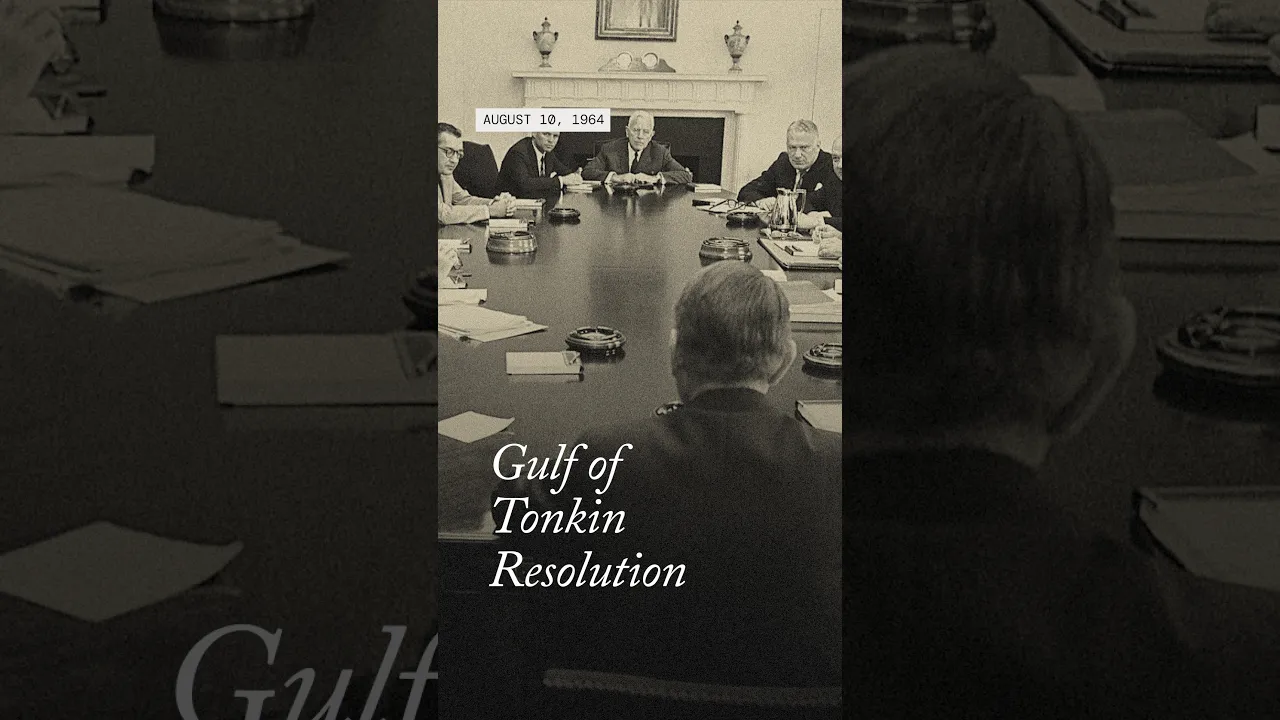
The Gulf of Tonkin Incident
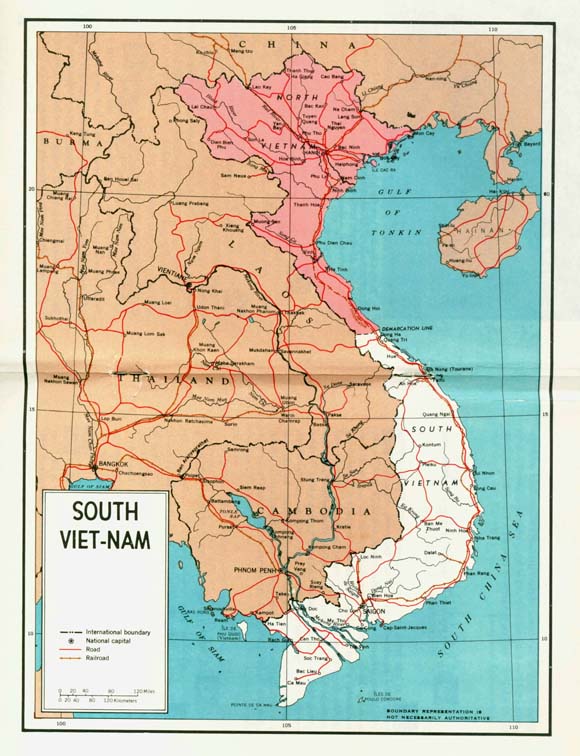
The congressional debate on the Gulf of Tonkin Resolution came in the wake of two incidents off the coast of North Vietnam. On August 2, the destroyer USS Maddox was attacked by North Vietnamese torpedo boats in the Gulf of Tonkin. The Maddox drove off the attackers without suffering any significant damage or casualties. No retaliatory strikes were ordered.
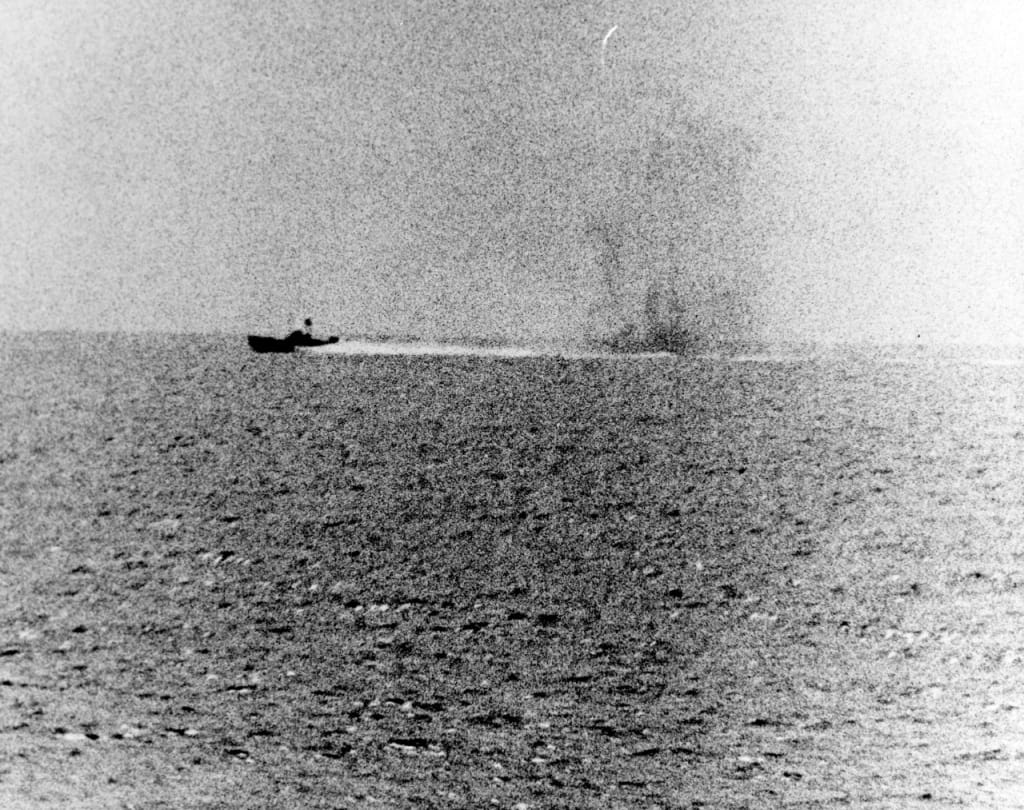
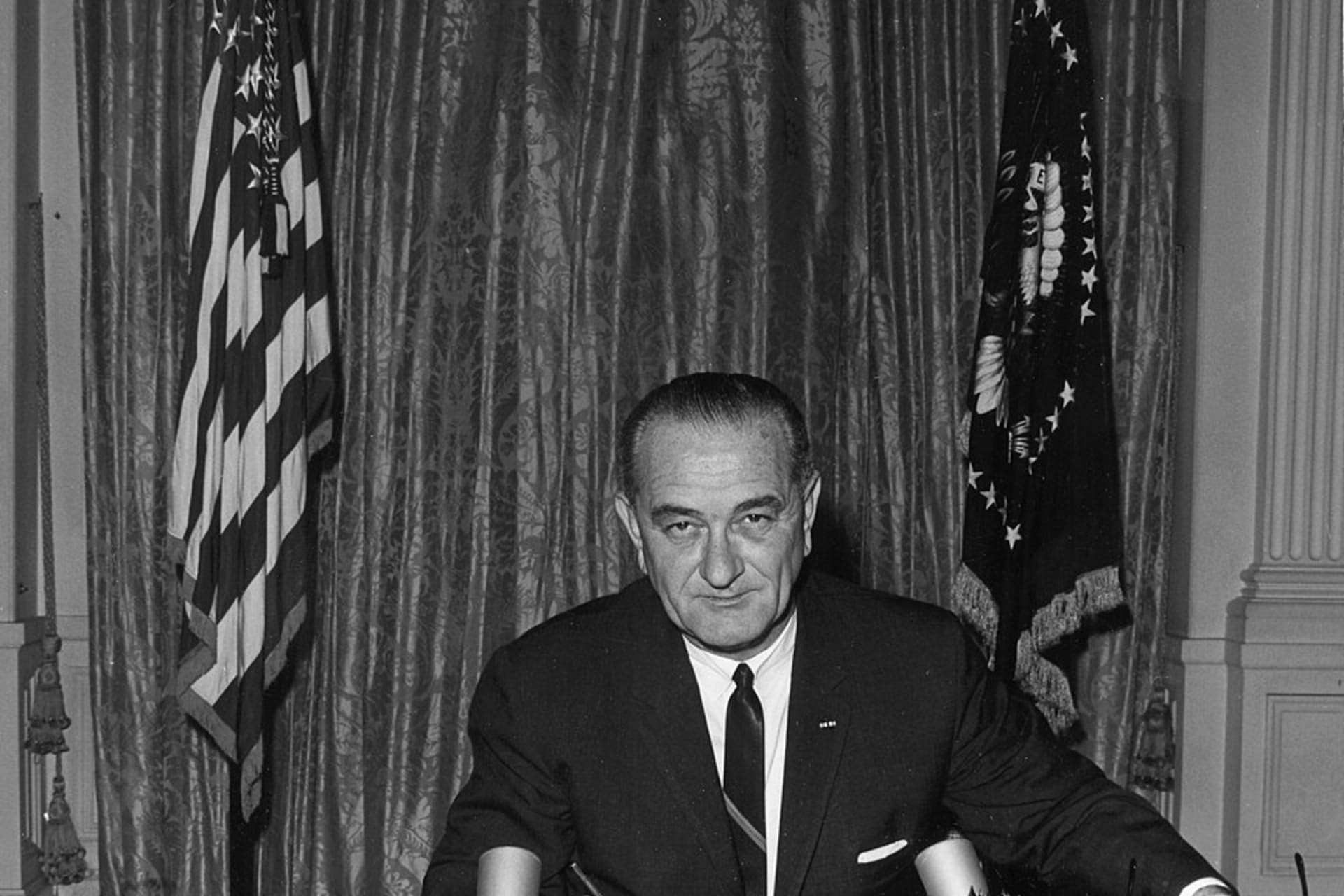
Two days later, the Maddox, which had been joined on patrol by a second destroyer, reported that it had come under attack for a second time. This time, Johnson reacted decisively. In a speech delivered after the late local news on the East Coast, he informed the country of the attacks and of his decision to order retaliatory airstrikes—the first overt U.S. attack on North Vietnam.
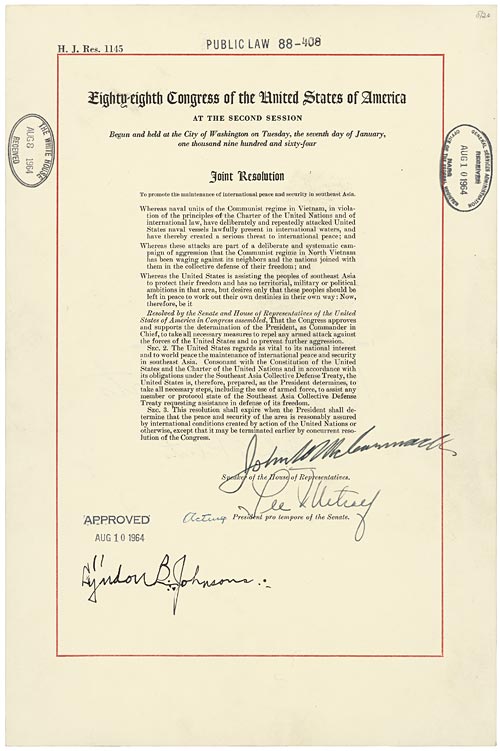
Johnson also asked Congress for swift passage of a resolution endorsing his commitment to confront North Vietnam. The resolution, which administration lawyers had drafted months earlier, stated that “Congress approves and supports the determination of the President, as Commander in Chief, to take all necessary measures to repel any armed attack against the forces of the United States and to prevent further aggression.” Johnson captured the resolution’s expansive nature when he quipped, “It’s like grandmother’s nightshirt. It covers everything.”
Congress Acts Quickly
Johnson got the swift passage he wanted. The House dispensed with holding any hearings. After just forty minutes of discussion on August 6, representatives voted 416 to 0 to approve the resolution.
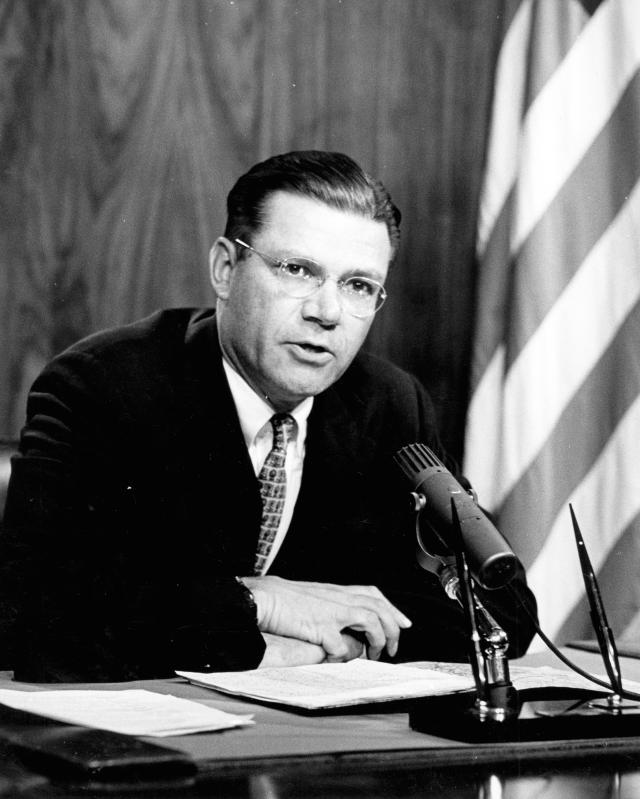
Senate action was glacial in comparison. The Senate Armed Services and the Senate Foreign Relations committees convened an emergency hearing on the morning of August 6 to discuss Johnson’s request. Secretary of Defense Robert McNamara was the star witness. He testified that the Maddox had been conducting routine patrols in international waters and insisted that North Vietnam’s attacks were “unprovoked.” A senator who had been tipped off that there was more to the story asked whether the United States had been assisting any South Vietnamese military operations against North Vietnam that might have prompted the first attack on the Maddox. McNamara flatly denied the suggestion.
The full Senate took up the resolution on the afternoon of August 6. After eight hours and forty minutes of debate that lasted into the following day, the Senate voted 88 to 2 to adopt the Gulf of Tonkin Resolution. Johnson signed it into law three days later.
Buyers’ Remorse
Johnson had pushed for the Gulf of Tonkin Resolution because he wanted to avoid what he saw as the mistake that President Harry S. Truman had made in taking the United States to war in Korea without securing congressional authorization. When the fighting turned difficult, many members of Congress, especially Republicans, turned on Truman. Korea suddenly became “Mr. Truman’s war.” LBJ believed that if he involved Congress involved in the take-off of his Vietnam policy that he would be protected politically if things went sour.
That bet did not pay off. Many lawmakers came to regret their vote on the Gulf of Tonkin Resolution as U.S. intervention in Vietnam escalated, American casualties rose, and evidence mounted that the Johnson administration had misled Congress about what had happened to the Maddox. The attack on August 2 had not been a cut-and-dried case of unprovoked North Vietnamese aggression. Not only had the U.S. military orchestrated an operation in which South Vietnamese commandoes had attacked nearby North Vietnamese military installations, McNamara had told Johnson that “there’s no question” that it triggered the initial attack on the Maddox.
The administration also had good reason at the time to doubt that the second attack had occurred—and it is clear now that it didn’t. The captain of the Maddox had sent conflicting messages during the firefight about what had happened, and a Navy fighter jet sent to aid the Maddox saw only the two U.S. destroyers. The following day neither the Maddox nor its companion destroyer found any debris or wreckage from North Vietnamese vessels.
Vietnam eventually became “Mr. Johnson’s war.” In January 1971, Congress repealed the Gulf of Tonkin Resolution. The move did nothing to stop the war. President Richard Nixon insisted that he had other legal authority to wage it, and Congress continued to appropriate funds to finance it. U.S. combat troops remained in South Vietnam for another two years.
Repent at Leisure
Some of the lawmakers who regretted their vote on the Gulf of Tonkin Resolution later contended that they did not know at the time that they were voting for war. Democratic Senator J. William Fulbright of Arkansas, who managed the Senate floor debate on the Gulf of Tonkin Resolution as chair of the Foreign Relations Committee, wrote in 1979: “I surely did not anticipate” that the resolution “would be invoked as legal sanction for a full-scale war,” and as a result, it “must stand as the only instance in the nation’s history in which Congress authorized war without knowing that it was doing so.”
The text of the Senate debate, however, suggests otherwise. The senators—at least the ones who went to the floor—returned repeatedly to the question of whether the resolution empowered the president to use military force in Southeast Asia as he saw fit. They agreed that it did. An exchange Fulbright had with Republican Senator John Sherman Cooper of Kentucky is indicative:
Mr. Cooper: Then, looking ahead, if the President decided that it was necessary to use such force as could lead into war, we will give that authority by this resolution?
Mr. Fulbright: That is the way I would interpret it.
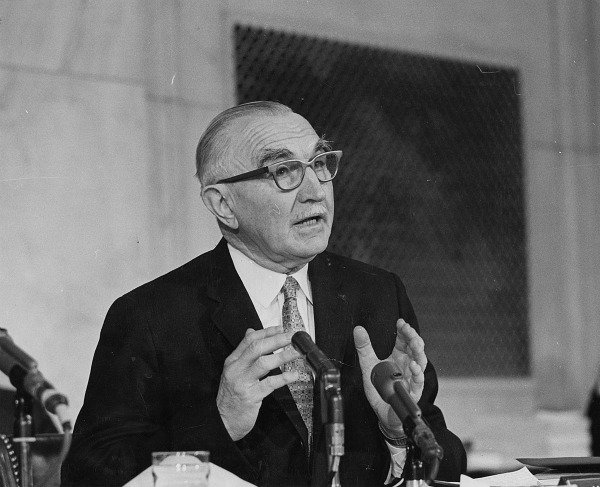
The two senators who voted against the resolution, Democrat Ernest Gruenig of Alaska and Republican Wayne Morse of Oregon, both warned their colleagues that they were approving an undated declaration of war. Morse went as far as to predict:
With the next century, future generations will look with dismay and great disappointment upon a Congress which is now about to make such a historic mistake.
The fact that events proved Gruenig and Morse right did little to help either senator politically. They both lost their bids for re-election.
Oscar Berry and Jack Patton assisted in the preparation of this article.
The United States celebrates its 250th anniversary in 2026. To mark that milestone, I am resurfacing essays I have written over the years about major events in U.S. foreign policy. A version of this essay was published on August 7, 2014.
This work represents the views solely of the author(s). The Council on Foreign Relations is an independent, nonpartisan membership organization, think tank, and publisher, and takes no institutional positions on matters of policy.