Latin America’s Munich No-Show Was a Big Mistake
By experts and staff
- Published
 Shannon K. O'NeilCFR ExpertSenior Vice President of Studies and Maurice R. Greenberg Chair
The crammed hallways of the Munich Security Conference thrummed this year with the usual suspects. And that highlights a problem for the nations of the Western Hemisphere.
What began primarily as a transatlantic fest, with heads of state, defense ministers, national security advisors, and other panjandrums from Europe’s capitals and Washington joining business leaders and academics to advance security, has morphed into something both more global and more wide-ranging in subject matter.
This year, for instance, more than 50 heads of state made an appearance, with entourages to match. Alongside European stalwarts were delegations from across Asia, the Middle East, and Africa. The “Global South,” in the nomenclature of the conference’s organizers, was on full show.
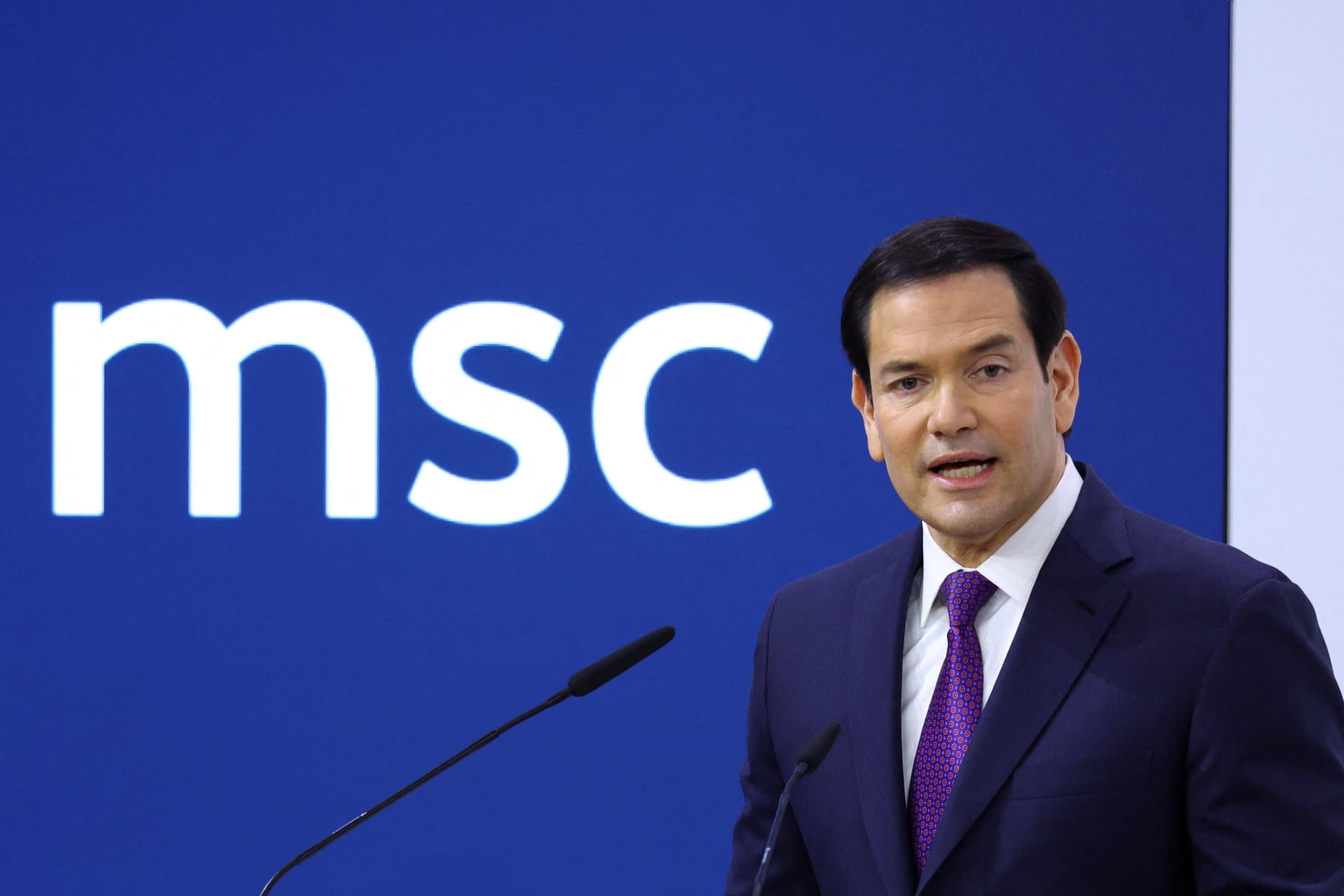
The alarm sparked by the Trump administration’s assault on the liberal international order was doubtless part of the draw. Last year, the conference memorably provided a platform for US Vice President JD Vance to scold Europe for its “retreat” from democratic values and its free-riding on security. This time around, Secretary of State Marco Rubio came to deliver a more diplomatic version of the same.
Yet missing in action was Latin America, the focus of the administration’s National Security Strategy and the locus of some of its greatest norm-busting. No head of state from a continent of more than 600 million people attended.
President Luiz Inacio Lula da Silva chose to be in Rio de Janeiro for Carnival. Mexican president Claudia Sheinbaum stayed home, as she did from Davos. Just a handful of officials from a few other countries in the region made the rounds. What representation there was came mostly from a smattering of professors and think-tankers on the stages and in the halls.
Latin America has never taken much interest in Europe’s security affairs. Yes, its nations buy arms and defense equipment from European providers, but they tend to steer clear of its conflicts. For instance, most nations have avoided choosing sides in the war between Russia and Ukraine (both Brazil and Mexico at various moments proposed peace plans or offered to mediate).
But though rarely discussed or even recognized, Latin American countries are transatlantic actors too, worthy of coordination on maritime security, narcotics, terrorism, and cybercrime, among other areas.
But though rarely discussed or even recognized, Latin American countries are transatlantic actors too, worthy of coordination on maritime security, narcotics, terrorism, and cybercrime, among other areas.
Many Latin American nations have important economic business pending with the Europeans. Lost were opportunities to push the implementation of the EU-Mercosur trade agreement as it awaits a resolution of the last legal judicial hurdle, or to finalize details on the years-long modernization of the EU and Mexico’s free-trade arrangement.
Nations missed the chance to pitch projects for the EU’s Global Gateway funds for green infrastructure projects. And the many conversations around access to and allocation of critical minerals occurred without representatives from nations with a significant bounty.
Latin America also squandered a chance at security diplomacy with the US, as officials were not there to provide their take or make their ask.
With the US launching dozens of military strikes against alleged drug boats, effectively blockading Cuba, and claiming, in one form or another, to be “running” Venezuela, Latin American officials weren’t there to buttonhole the many members of the US congress who made the trek (those from the House of Representatives on their own dime as House Speaker Mike Johnson cancelled the official delegation amid ongoing budget talks) or the Trump administration officials in attendance. Nor could they compare notes with European counterparts also struggling with a more muscular unilateral US military approach.
At best, the region’s absence from the preeminent global security forum was a missed opportunity. At worst, it left the region even further back on the sidelines as other leaders rewrite global security norms and rules.
The Munich Security Conference is in large part a talk shop. But unless Latin American nations want to just take dictation about their place in a changing world order, they need to join the conversation.