NATO: Suddenly Relevant, Deeply Divided
By experts and staff
- Published
- Stewart M. PatrickJames H. Binger Senior Fellow in Global Governance and Director of the International Institutions and Global Governance Program
Coauthored with Daniel Chardell, research associate in the International Institutions and Global Governance program.
When Western leaders gather for the NATO summit in Wales next week, they will be expected to answer calls to revive the old alliance in order to confront Russia’s gradual invasion of Ukraine. Despite this new clarity of purpose, however, the alliance remains profoundly divided.
When NATO was founded in 1949, the alliance’s mission was obvious. In the words of its first secretary-general, Lord Ismay, NATO was designed “to keep the Russians out, the Americans in, and the Germans down.”
From the moment the Berlin Wall fell in 1989, skeptics began predicting that NATO would disappear. Of course, the alliance didn’t disappear—it adapted. It (controversially) took on a dozen former Warsaw Pact countries as new members, growing to twenty-eight countries. It absorbed unprecedented missions in far-flung places from Kosovo to the Gulf of Aden, Afghanistan, and Estonia—including humanitarian intervention, nation-building, counterterrorism, counterinsurgency, counter-piracy, and cyber defense. Rather than going out of business, Ivo Daalder and James Goldgeier noted, NATO went global.
And yet, the alliance has never effectively resolved deeper debates about its strategic rationale in the twenty-first century. The governments and electorates of NATO members often hold dramatically different opinions about the importance of threats, from terrorism to cyberwar. Similarly, they are not equally willing to risk military or civilian casualties, nor do they agree about whether they should shoulder risk to protect increasingly distant allies. And finally, there is extreme variation among NATO members’ willingness to invest in national defense, including expeditionary capabilities.
In principle, Russian aggression in Ukraine should reinvigorate NATO, providing a renewed sense of purpose. For the first time in a quarter century, NATO members—notably the Baltic States—have legitimate cause to fear for their security.
But in fact, the ongoing Ukraine crisis has highlighted NATO’s fissures. Rather than rejuvenating the transatlantic alliance, Russia’s aggression threatens to underscore NATO’s divisions and vulnerabilities.
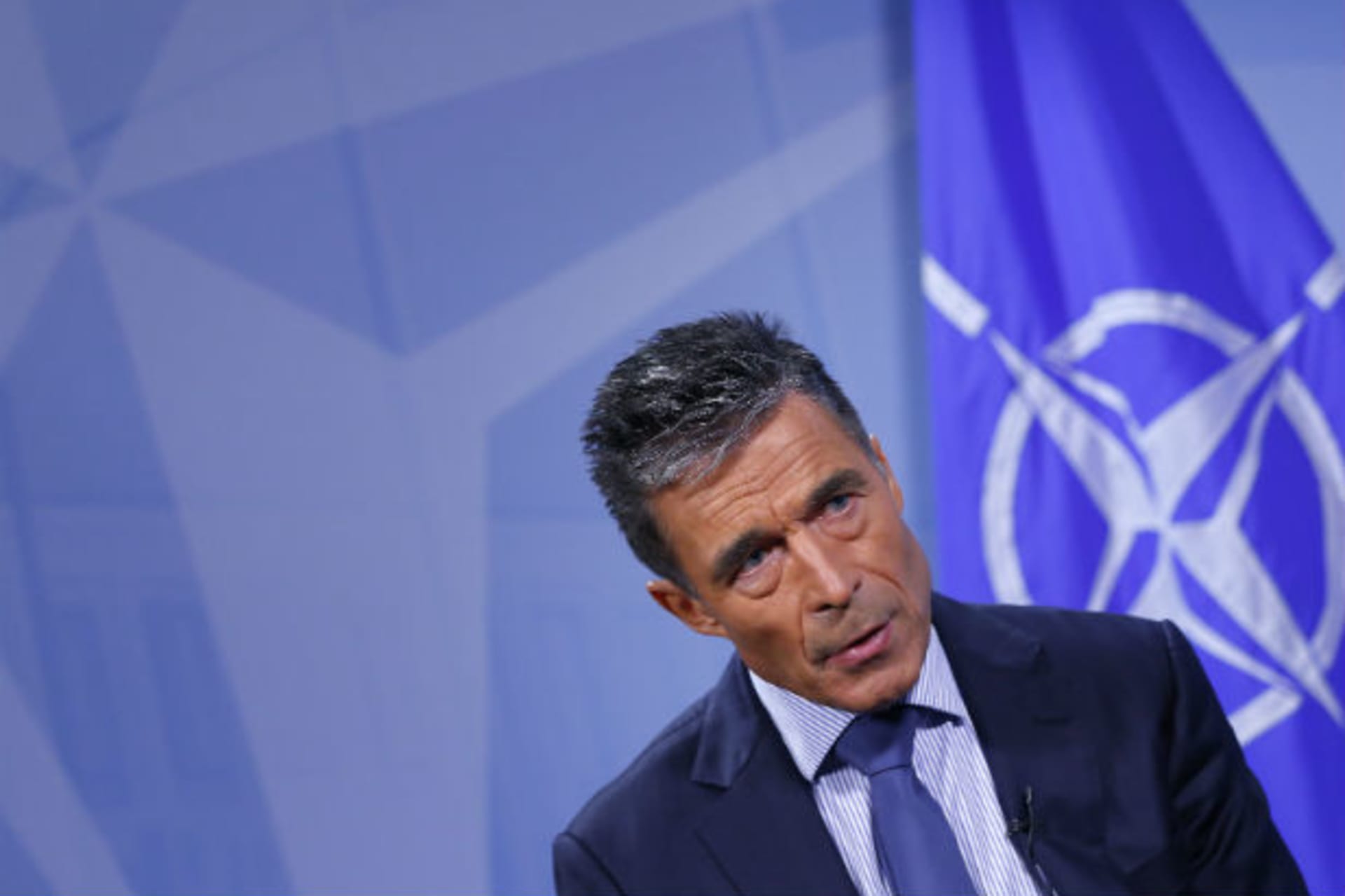
Rasmussen has already announced that NATO will strengthen its presence in Eastern Europe, provide technical and financial assistance to Ukrainian forces, and adopt a robust “readiness action plan,” which will enable allied forces to react more rapidly. In Wales, leaders will invariably condemn Putin’s incursions in Ukraine, reaffirm the indivisibility of the transatlantic alliance, and voice their commitment to the security of their Eastern European allies. These are all encouraging signs.
But shoring up the alliance will require more than projecting force and more than tough rhetoric. NATO faces challenges that are greater than Russia, urgent though it may be. Fortuitously, the Wales summit offers a timely opportunity for Western leaders to tackle these difficult questions and, if necessary, begin reevaluating the future of the alliance itself. They should not let this opportunity go to waste.