Second Trump Term Could Be Disastrous for Southeast Asia
A second Trump term could intensify the rivalry between the U.S. and China in Southeast Asia so that regional countries can no longer delicately dance between the giants.
By experts and staff
- Published
 Joshua KurlantzickCFR ExpertSenior Fellow for Southeast Asia and South Asia
Over the past four years, as relations between the United States and China have chilled and bilateral tensions have risen over issues ranging from control of advanced semiconductors to Beijing’s support for Moscow, Southeast Asian states have played a delicate game. With the exception of the Philippines under Ferdinand Marcos Jr., who essentially has taken sides with the United States despite any blowback from China, other major Southeast Asian countries have attempted to maintain their traditional approach of hedging between the great powers.
So, while Vietnam signed a deal with the Biden administration upgrading the U.S.-Vietnam relationship, it immediately pivoted by hosting Chinese leader Xi Jinping and upgrading the China-Vietnam relationship too. Similarly, while Prabowo Subianto oversaw increasing security links to the United States as defense minister in the second Joko Widodo administration; he made his first overseas trip to China as president-elect.
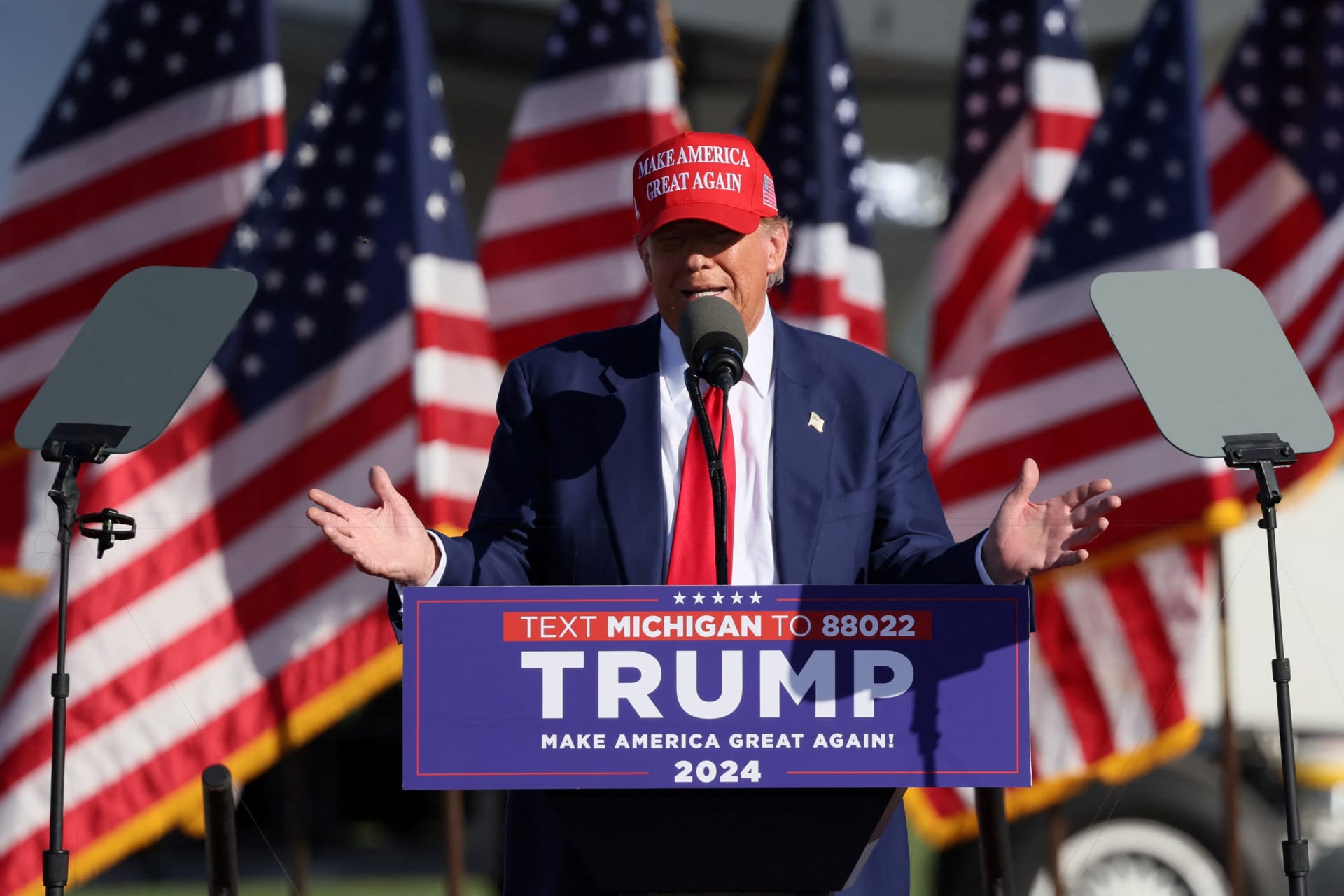
If GOP nominee Donald Trump wins a second term in the U.S. presidential election this November, tensions between the United States and China could reach a point where even Southeast Asian countries, long skilled at balancing, may find it difficult to avoid taking sides. For more on how a second Trump term would affect Southeast Asia, see my new Japan Times column at: What a Second Trump Term Could Mean for Southeast Asia.