Sudan’s War, Africa’s Complicity
Sudan’s horrific war is a toxin infecting its neighbors.
By experts and staff
- Published
 Michelle GavinCFR ExpertRalph Bunche Senior Fellow for Africa Policy Studies
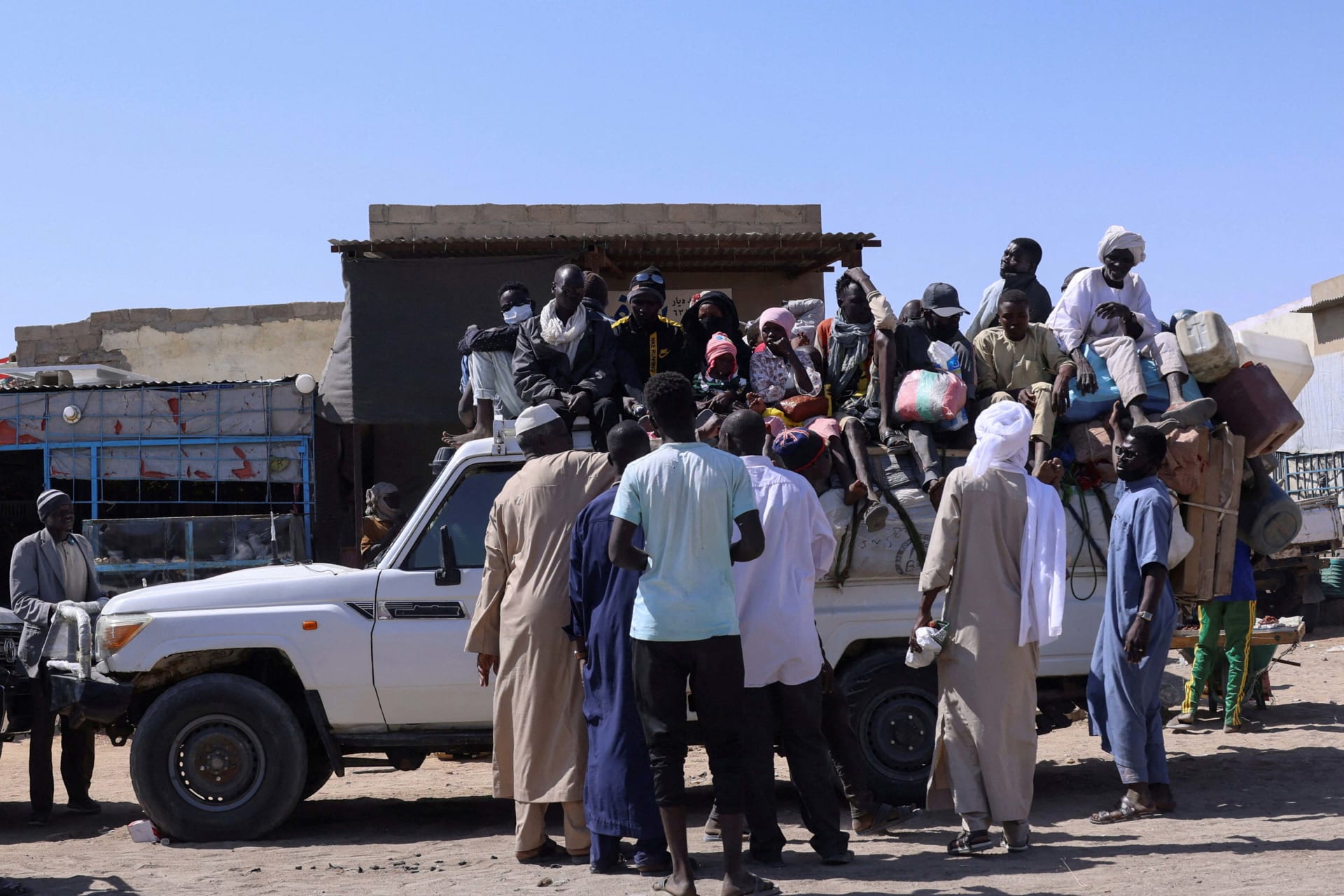
On February 23, the government of Chad announced that it would close its border with war-torn Sudan after Chadians were killed as the Rapid Support Forces clashed with Sudanese Armed Forces-allied groups at the border. Chad’s fragile government has long pursued a policy of ambiguity when it comes to Sudan’s conflict. The United Arab Emirates (UAE) have been extremely generous backers of the Chadian government, committing billions of dollars worth of investment to a country that consistently ranks among the poorest on earth. It’s hard to imagine that there is no relationship between that generosity and the evidence showing that weapons from the UAE, the RSF’s primary patron, have been funneled to the militia through Chad. Yet the RSF is hardly a natural ally of the Chadians. It is a genocidal force that has expressly targeted Sudanese from the Zaghawa ethnic group—the same group that dominates Chad’s political and military class. Money talks, but it can’t completely drown out political reality. Whether or not the border closure will significantly challenge RSF supply lines remains to be seen, but it will almost certainly mean more hardship for desperate Sudanese civilians fleeing to Chad for refuge.
The spillover effects don’t stop with Chad. Earlier this month, Reuters reported that Ethiopia is hosting a training camp for thousands of RSF recruits in Benishangul-Gumuz, which Ethiopian sources say is financed by the UAE. It is no coincidence that Prime Minister Abiy’s government has enjoyed financial and military backing from the UAE, including drones that helped to turn the tide in Abiy’s war with Tigrayan forces. The camp is perilously close to the Grand Ethiopian Renaissance Dam, the massive Ethiopian project to harness Nile waters that so alarms Egypt. Cairo, for its part, is now hosting a drone base that is being used by the SAF to fight the RSF. An already dangerous flashpoint is now even closer to igniting.
Kenyans who are well aware of the RSF’s brutality are asking renewed questions about their government’s relationship with the force after an announcement of U.S. Treasury sanctions on a senior RSF official revealed that the official has obtained a Kenyan passport. But perhaps this development looks less mysterious when one considers the close relationship between the UAE and President Ruto’s cash-strapped government.
It’s worth asking how the situation progressed to a point at which African governments find themselves supporting a force best known for atrocities that target non-Arab, dark-skinned communities. None of these African governments—indeed no serious observer of the Sudan conflict—believes that the RSF is a viable governing entity for Sudan. The argument that it is a bulwark against the Islamist influences in the SAF suggests that somehow a marauding group of rapists and murderers are champions of secular government. Is violent extremism only a concern when it is cloaked in religious fervor? Or is the real issue simply that many African governments are so focused on regime survival and dependent on Emirati largesse that they accept being drawn into this web of destruction driven by external forces so contemptuous of African lives?
As Sudan grows ever more fractured, the surrounding states seem to be waiting for some deus ex machina to present itself and unwind this mess. African peace efforts have been as compromised and ineffective as those emanating from beyond the continent. But the costs of this terrible war, already weighing so heavily on Sudanese civilians, will not be contained by Sudan’s borders.