Syria and the Global Humanitarian Crisis
By experts and staff
- Published
- Stewart M. PatrickJames H. Binger Senior Fellow in Global Governance and Director of the International Institutions and Global Governance Program
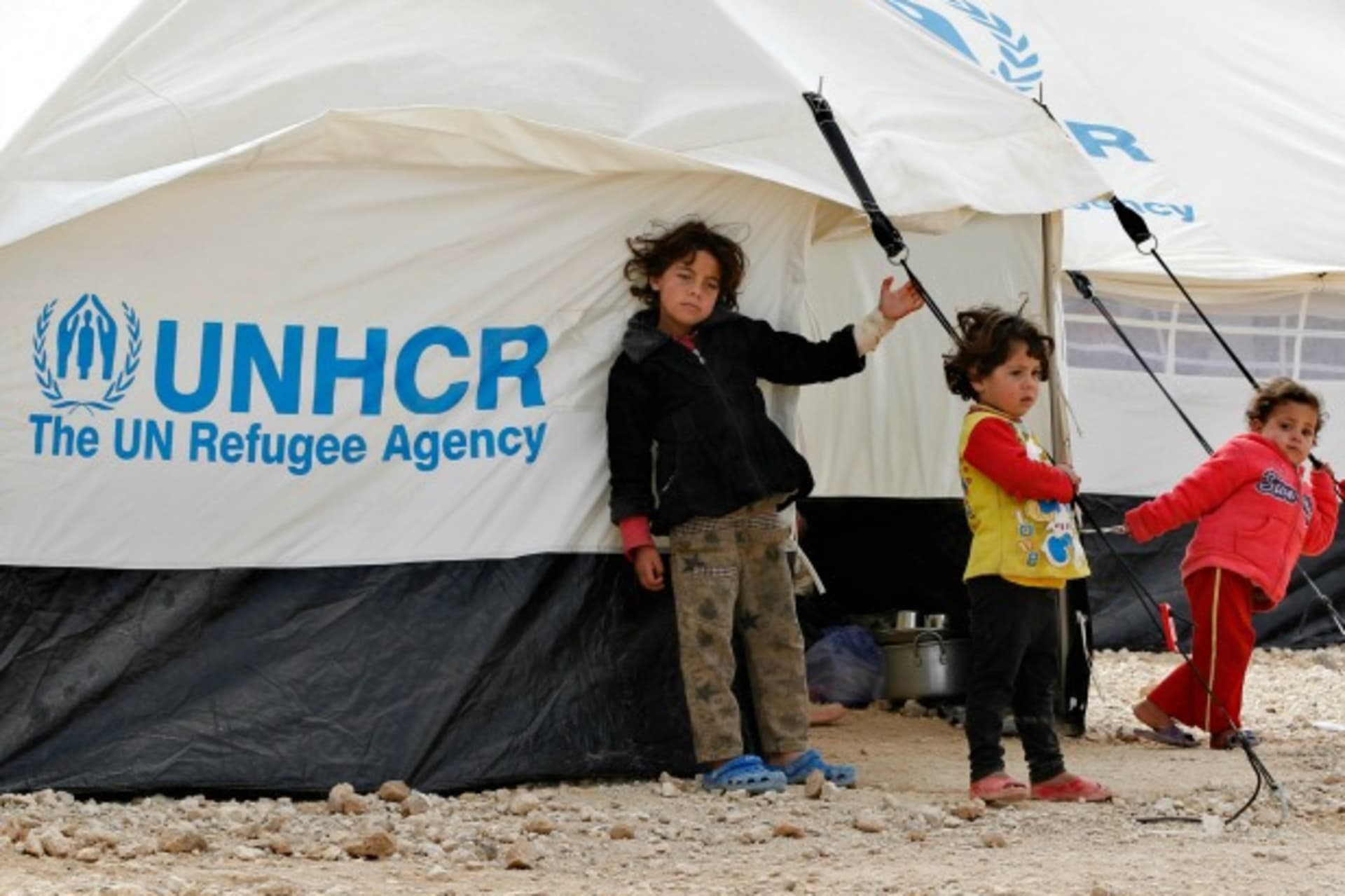
Three years after the outbreak of war in Syria, the agony only deepens for its civilian population. The conflict has already killed 140,000, forced 9.5 million—44 percent of the nation’s prewar inhabitants—to abandon their homes, and led some 2.5 million Syrians to flee to neighboring countries, including Lebanon, Jordan, Turkey, and Iraq. Syrian refugees now constitute more than 20 percent of Lebanon’s population, on top of 400,000 Palestinian refugees already present. In January, the United Nations sponsored a conference in Kuwait City, requesting that international donors provide $6.5 billion in emergency assistance for the victims of the Syria conflict—a figure dwarfing any previous humanitarian appeal. The scale of this effort underscores the magnitude of the human tragedy in Syria. It also points to broader strains and dilemmas confronting the humanitarian enterprise globally.
The war in Syria, and difficulty of providing emergency aid to its population, underscores five major challenges that are facing the United Nations and other humanitarian actors:
The Syrian crisis has exposed critical challenges for the future of the humanitarian enterprise, which—for all its faults—surely represents one of most remarkable achievements to reduce suffering in human history. Around the world, emergency relief continues to save thousands upon thousands of lives. Even in Zimbabwe, ruled by Robert Mugabe’s iron fist, a remarkable 86 percent of people requiring aid have received it, according to a recent report. Syria reminds us just how fragile these accomplishments remain, and how the brutality of civil war can challenge cherished humanitarian principles.