Syria Revives the War Powers Debate
By experts and staff
- Published
 James M. LindsayCFR ExpertMary and David Boies Distinguished Senior Fellow in U.S. Foreign Policy
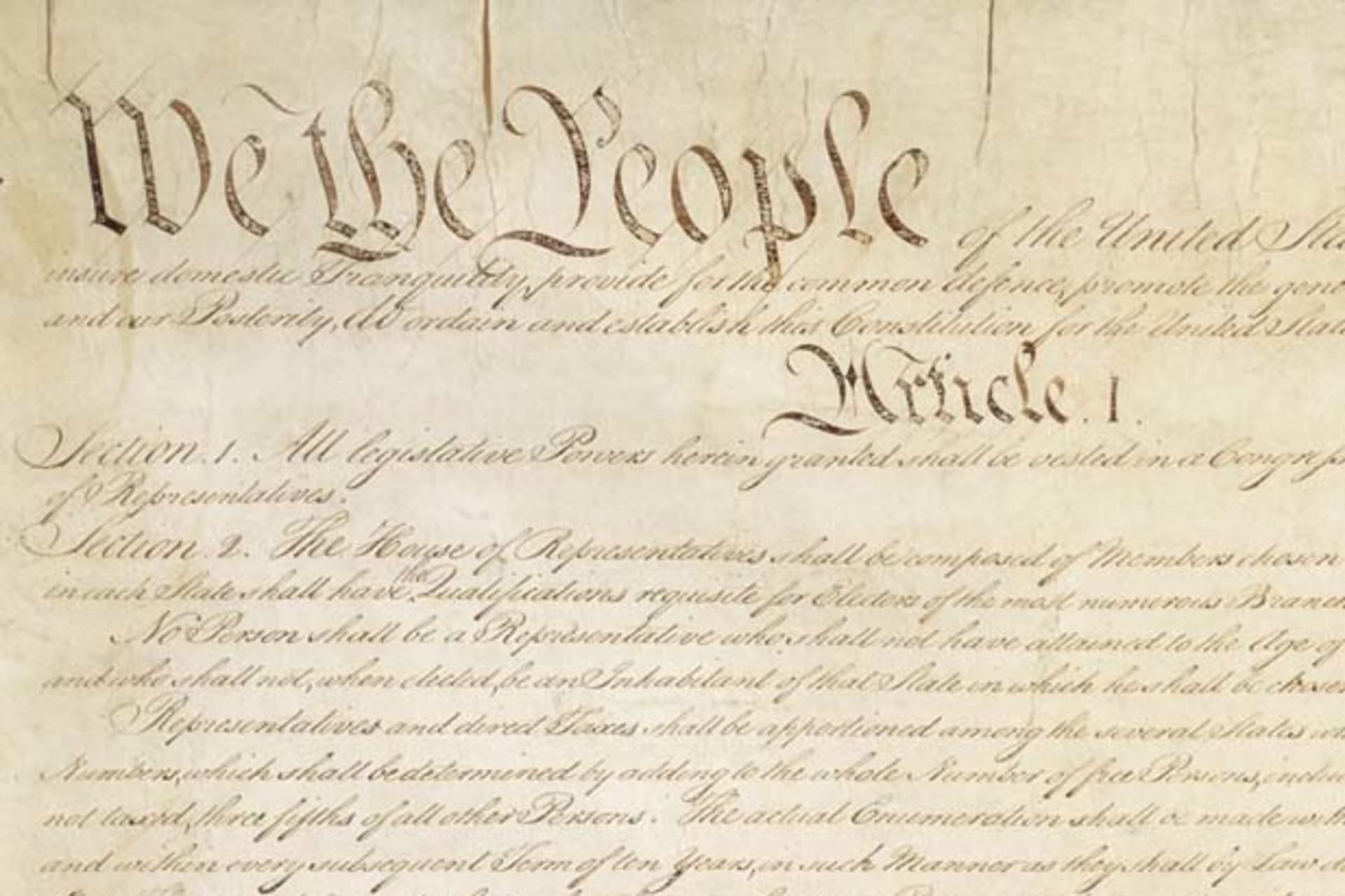
President Obama’s determination that the United States should take military action to punish the Syrian government for using chemical weapons has revived the perennial debate over how the Constitution allocates the war power between Congress and the White House. President Obama says he has “the authority to carry out this military action without specific congressional authorization,” but nonetheless is asking Congress to vote anyway. Some commentators have hailed this decision; others have criticized it for undermining presidential authority.
The question at the core of the debate is, when can presidents unilaterally take the country from peace to war? No constitutional question arises when Congress authorizes the president to use force. Presidential authority is at its zenith when backed by explicit congressional consent. And no one seriously disputes the claim that presidents can order U.S. troops to fight when the country is attacked. The Constitution is not a suicide pact. When neither of these conditions prevails, however, the arguing begins. And there has been a lot of arguing over the years.
When President Obama launched Operation Odyssey Dawn back in 2011, I examined five questions that frequently get asked whenever the subject of unilateral presidential decisions to use force comes up. If you want to brush up on the topic, here are links to the posts with the summary answers appended:
While Syria provides more grist for these debates, it is not likely to settle any of them. So you may want to bookmark this post for future reference. The odds are good that the war powers debate will resurface in the future.