Hormuz and the Energy Transition: Change Doesn’t Just Happen
This is a limited excerpt from the Climate Realism Initiative Newsletter. Sign up to receive monthly insights from the initiative’s fellows and staff, including articles, videos, podcasts, events, and more.
Make It So: Policy’s Inescapable Energy Role
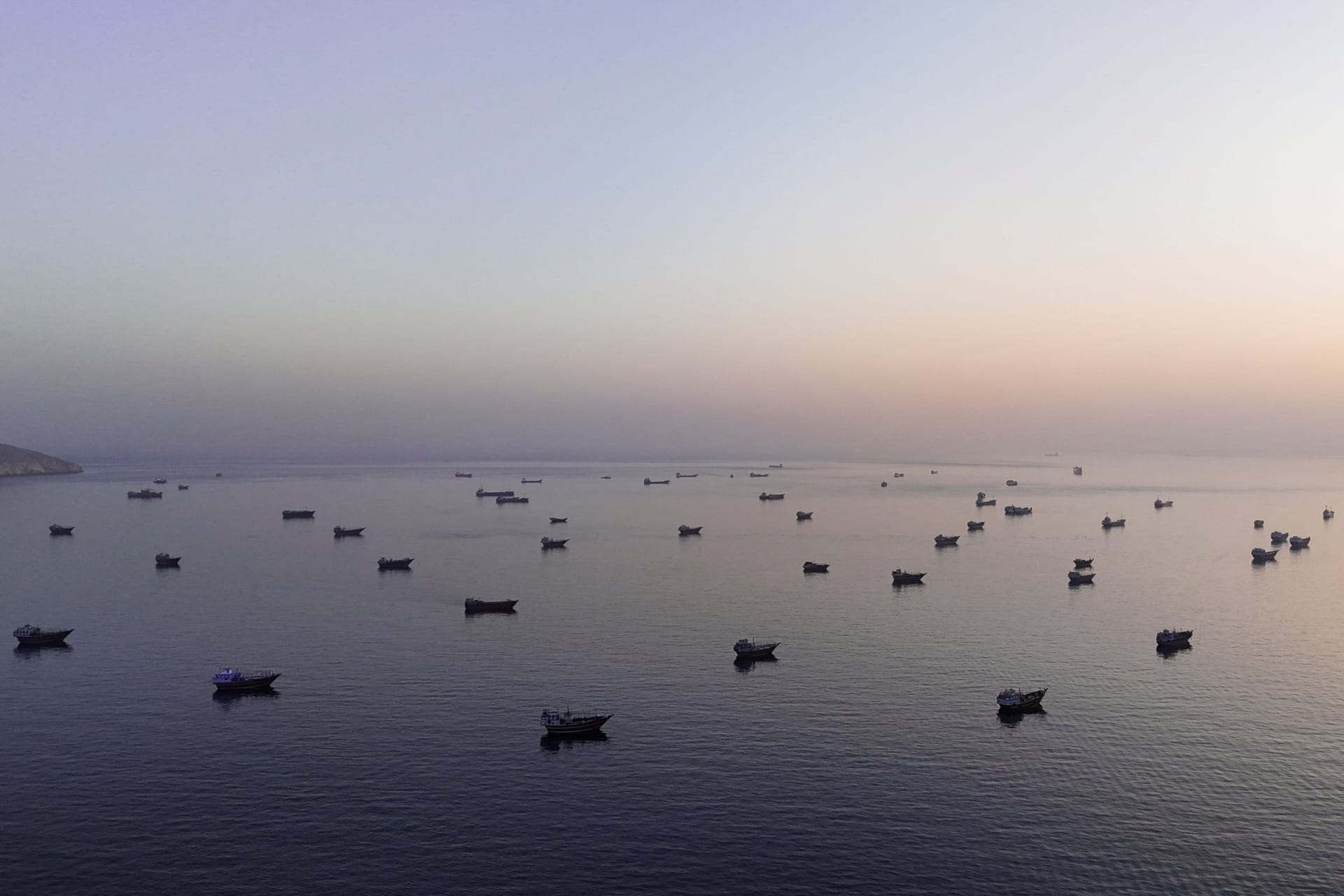
The war in Iran, now entering its fourth month, has settled into an uneasy equilibrium. U.S. and Iranian forces eye each other warily from opposite sides of the Strait of Hormuz, a strategic waterway through which some twenty million barrels of oil flowed each day as recently as February. Despite the ominous presence of two U.S. carrier strike groups, an amphibious ready group, and nearly a dozen other warships, Iran’s fleet of cheap drones, missiles, and mines has been enough to slow shipments to a fraction of their prewar volume.
The White House has spent weeks vacillating between promises of an imminent peace deal and threats of renewed violence, with no apparent progress toward a resolution of the conflict. Whenever or however the strait is reopened, though, the global energy system has been profoundly changed. Energy markets can no longer assume that shipments through Hormuz will be physically safe or governed by the rule of law, which means that importers and exporters alike will work hard to develop alternatives.
For many observers, this moment represents an inflection point in the energy transition. Renewable energy has never been cheaper or easier to install at scale, and what better advertisement for it could there be than a record-breaking crisis in fossil energy markets?
In an interview with The Guardian, for instance, International Energy Agency Executive Director Fatih Birol predicted, “Governments will review their energy strategies. There will be a significant boost to renewables and nuclear power and a further shift towards a more electrified future, and this will cut into the main markets for oil.”
UN Framework Convention on Climate Change (UNFCCC) Executive Secretary Simon Stiell made a similar point at a preparatory meeting for this year’s UN climate summit. “Those who’ve fought to keep the world hooked on fossil fuels,” he argued, “are inadvertently supercharging the global renewables boom…Renewables offer safer, cheaper, cleaner energy that can’t be held captive by narrow shipping straits, or global conflicts.”
There’s an uncomfortable degree of deus ex machina implicit in all of this, though. The energy transition today faces many of the same challenges it did before the crisis, including grid constraints, regulatory delays, and supply chain dependence on China. Some hurdles, arguably, have become even higher. New, large-scale energy infrastructure costs money, and in many countries the Hormuz crisis is driving up both the costs of borrowing and public demand for government support to offset high energy prices.
It is undoubtedly true, as Birol went on to say in his Guardian interview, that “The vase is broken—the damage is done.” But this blow to the oil markets, however severe, will not automatically redound to the benefit of renewables. Change doesn’t just happen; it still has to be made.
The history of the 1970s oil shock, to which the Hormuz crisis is frequently compared, is instructive here. After the 1973 Arab oil embargo, oil prices in the United States quadrupled, and never again fell to their precrisis level. Long lines at gas stations were more politically salient to many voters than the still-gathering Watergate scandal, and high energy prices contributed to soaring inflation. Horrified by the geopolitical implications of the oil weapon, and under intense public pressure to lower prices for consumers, the Nixon administration (and, later, the Carter administration) took dramatic steps to curb oil consumption, diversify the U.S. energy supply, and develop new sources of energy.
Vehicle fuel efficiency improved by nearly 50 percent over the course of the decade, driven by tightening federal standards. Nuclear power generation surged during the 1970s, while electricity generated from coal nearly tripled between 1970 and 1980, as prices and government rulemaking combined to force a reduction in oil burned for electricity. Federal investment in research and development for clean energy soared [PDF]; Jimmy Carter famously installed solar panels on the White House roof.
“No one,” Carter said at the panels’ dedication, “can ever embargo the sun or interrupt its delivery to us.”
As time wore on, though, public memory of the 1970s oil crises faded and the political wheel turned. The Reagan administration and the conservative resurgence of the 1980s ushered in a new era of deregulation and minimal government, reshaping U.S. energy policy. Fuel efficiency improvements slowed during the 1980s and actually reversed during the 1990s and early 2000s; the U.S. auto fleet in 1987 averaged twenty-two miles per gallon, a level not again reached until 2009. The United States diversified its oil supply, importing much more oil from Canada, Mexico, and other non-OPEC countries, and commercializing the fracking technologies that revolutionized domestic oil and gas production in the 2010s. Public investment in renewable energy R&D plummeted.
Carter hoped the United States would rely on solar power for 20 percent of its energy by the year 2000. In 2025, it generated about 7 percent. Policy matters.
As the closure of the Strait of Hormuz drags on, countries are hungrily seeking alternatives, but there is nothing intrinsic about this crisis that guarantees those alternatives will be carbon-free. The United States, Canada, the United Arab Emirates, and other large oil and gas exporters are all racing to bring new supplies to market. And countries with large domestic coal supplies are capitalizing on them to keep the lights on and the air conditioners running.
Hormuz will be a catalyst for change, but the type of change remains uncertain. If renewables are to be the crisis’s big winner, policymakers can’t take their eyes off the ball.