The UAE Announces Exit From OPEC
By experts and staff
- Published
Welcome to the Daily News Brief, CFR’s flagship morning newsletter summarizing the top global news and analysis of the day.
Top of the Agenda
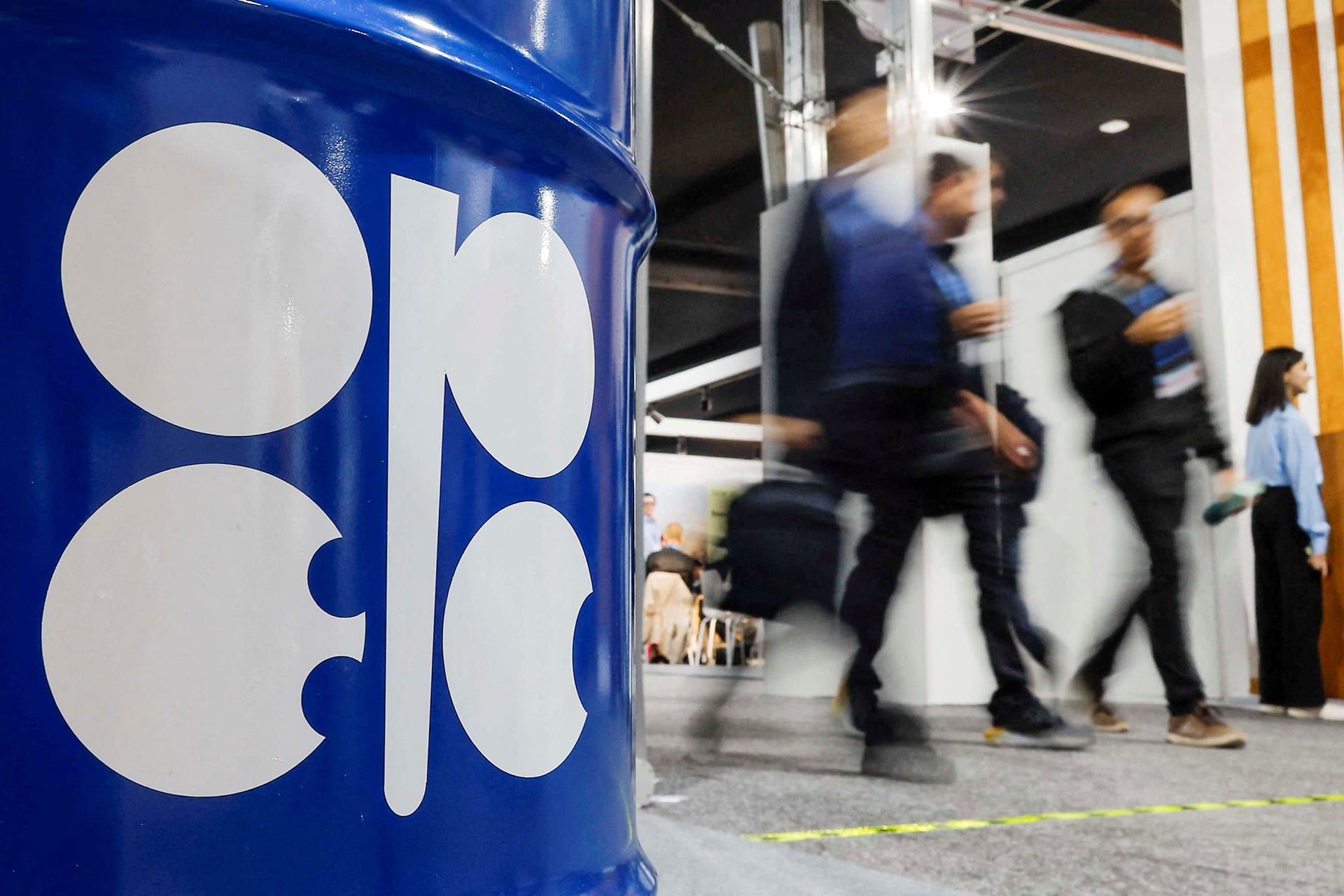
The UAE announced its exit from the Organization of the Petroleum Exporting Countries (OPEC), potentially weakening the more-than-sixty-year old group’s ability to influence the global supply of oil. The UAE has long voiced discomfort with OPEC’s requirements that members cap oil exports. Abu Dhabi’s exit, set for this Friday, adds to the unpredictability in global oil markets as the war in Iran shows no signs of resolution. OPEC’s power had already decreased as the United States and other nonmember countries grew their share of world oil production in recent years. Notably, U.S. President Donald Trump has argued that his administration’s pursuit of energy independence means Washington does not rely on Middle Eastern countries for oil.
The cartel. Since the 1960s, OPEC has coordinated the amount of oil that its members export to world markets in an effort to influence oil prices. In more recent decades, it acted in concert with a larger group known as OPEC+, which Abu Dhabi said it would also leave. OPEC countries supplied more than a quarter of global oil prior to the Iran war. Trump—echoing prior U.S. presidents—has long criticized the group’s work to boost oil prices.
Abu Dhabi’s case. The UAE is one of OPEC’s largest producers. Its energy ministry said the government wanted less constraints on its energy policy and that the world “needs more energy,” but added that the UAE would remain a “responsible producer.” The move comes as the country’s foreign policy is diverging from that of OPEC’s de facto leader, Saudi Arabia. The countries have supported opposite sides of the war in Yemen. In the Iran war, both have condemned Iranian attacks on their soil—but Saudi Arabia has worked with other Middle Eastern countries to seek a peace deal, while the UAE has suggested Gulf countries should take a stronger stance against Tehran.
“The Emirates had been weighing a break from the cartel for several years now. A war, a conflict in Yemen, and a collapsed partnership with Riyadh gave them their reason to act.”
—CFR Senior Fellow Steven A. Cook in an Expert Take
Across the Globe
The king’s speech. King Charles praised NATO and called for “unyielding” support for Ukraine in an address to the U.S. Congress yesterday. Charles’s visit came after Washington criticized London’s hesitance to fully join its war in Iran. In his remarks, he underscored the bilateral relationship, and said the United States and the UK could do great things for their own citizens and for the world when they work together. Trump called it a “great speech.”
New U.S. sanctions on Iran. The Treasury Department yesterday announced it was upping its economic pressure campaign on Iran by sanctioning thirty-five people and entities accused of aiding the country’s war efforts and working to evade other sanctions. Separately, it warned that banks working with Chinese refineries that process Iranian oil could also face sanctions.
Blowback to Russian tech curbs. The Russian government’s restrictions on popular internet apps such as Telegram have prompted a wave of anti-government sentiment in recent weeks, the New York Times reported. A state-run pollster found that President Vladimir Putin’s approval rating has fallen for seven weeks straight. Moscow is trying to push its citizens to use a state-built messaging app instead.
Afghanistan university struck. Afghanistan’s Taliban government accused Pakistan of carrying out strikes in its border province of Kunar on Monday that wounded dozens of people at a university and in residential neighborhoods. Pakistan’s information ministry called the accusation a “blatant lie.” Unnamed Afghan and Pakistani officials told Al Jazeera that the countries have been firing at each other across their shared border, even after a China-mediated ceasefire.
Eastern Europe prisoner swap. A prominent Polish-Belarussian journalist was among those freed in a multicountry prisoner swap yesterday, Polish Prime Minister Donald Tusk said. Russian state media reported that some Russians were also freed. Moldovan President Maia Sandu announced that two Moldovans were being released from Russian captivity and said that Washington was instrumental in the swap.
EU trade official exits. Sabine Weyand, who has led the European Commission’s trade department for seven years, will be replaced by June 1, the commission said yesterday. Weyand publicly contradicted higher-ranking European Union (EU) officials’ claims last year that the bloc’s trade deal with Washington was compatible with World Trade Organization rules. Ditte Juul Jørgensen, who has been serving as energy department director, will take over the trade post.
Armenia-Turkey talks. The two countries held talks in Turkey yesterday to discuss restoring a defunct rail line between them, the latest in broader steps toward normalizing their economic ties. For decades, Turkey and its ally Azerbaijan spurned business with Armenia due to tensions over an ethnic Armenian exclave in Azerbaijan, but Azerbaijan occupied and dissolved the area in 2023. Trump presided over the signing of a peace declaration between Armenia and Azerbaijan last August.
China’s mining plans in Ecuador. Chinese mining firm CMOC signed a $1.7 billion deal to build a gold mine in Ecuador, Ecuador’s mining ministry said. The deal adds to China’s dominance in Ecuador’s mining sector. The Trump administration has urged Latin American governments to reduce economic ties to China. Ecuadorian President Daniel Noboa has generally aligned the country with the Trump administration, though he is planning a second state visit to Beijing later this year.
What’s Next
- Today, Hungarian Prime Minister-elect Péter Magyar visits Brussels.
- Today, a global conference on phasing out fossil fuels concludes in Colombia.
- Today, the U.S. Federal Reserve issues a decision on interest rates in Washington, DC.
- Tomorrow, Antigua and Barbuda holds parliamentary elections.