Trump, in His Own Mad Way, Has Forced a Real Debate Over Transatlantic Ties
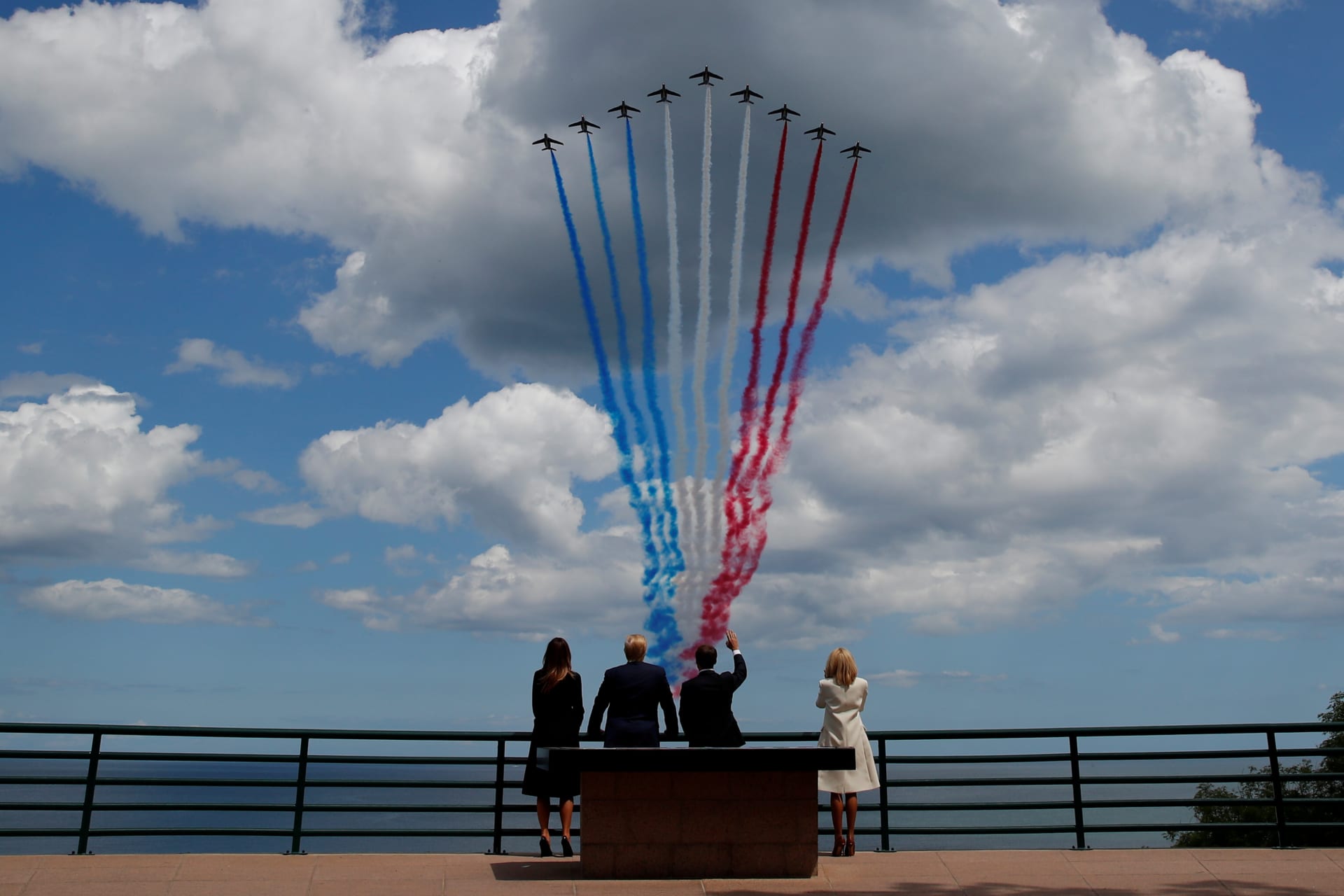
Seventy-five years after the D-Day landings at Normandy, U.S. President Donald J. Trump is forcing Europeans to confront long-postponed dilemmas of self-reliance and defense.
By experts and staff
- Published
- Stewart M. PatrickJames H. Binger Senior Fellow in Global Governance and Director of the International Institutions and Global Governance Program
In my weekly column for World Politics Review, I reflect on D-Day and examine the challenges and trajectory of contemporary transalantic politics.
Last week, President Donald J. Trump joined world leaders to commemorate Operation Overlord, history’s most ambitious amphibious invasion and a portent of the extensive U.S. international engagement that was to come in the wake of World War II. The pageantry of the event, which marked the 75th anniversary of D-Day, and the poignancy of the Normandy landings’ last surviving veterans, could not conceal the brutal truth: The ties that have bound the United States to its European partners in the decades since that war are badly frayed.
For the first time in the postwar era, an American president has repeatedly undermined transatlantic solidarity and the open, rules-based international order built upon it. It will be up to Trump’s successor to persuade Americans that modest U.S. global retrenchment need not imply jettisoning the free and open world that the allied invasion of Normandy made possible.
Read the full World Politics Review article here.