Defense and Security

Wars and Conflict

Experts in this Topic

Zeb B. Beasley II

Military Fellow, U.S. Marine Corps

Richard K. Betts

Adjunct Senior Fellow for National Security Studies

Biddle Headshot
Stephen Biddle

Adjunct Senior Fellow for Defense Policy

Max Boot Headshot
Max Boot

Jeane J. Kirkpatrick Senior Fellow for National Security Studies

Bruce Hoffman

Shelby Cullom and Kathryn W. Davis Senior Fellow for Counterterrorism and Homeland Security

Michael Horowitz Headshot
Michael C. Horowitz

Senior Fellow for Technology and Innovation

Ed Husain Headshot
Ed Husain

Senior Fellow

Christopher M. Nyland

Military Fellow, U.S. Army

Linda Robinson Headshot
Linda Robinson

Senior Fellow for Women and Foreign Policy

Gideon Rose

Adjunct Senior Fellow

David J. Scheffer

Senior Fellow

Paul Stares
Paul B. Stares

General John W. Vessey Senior Fellow for Conflict Prevention and Director of the Center for Preventive Action

Joseph Torigian

Senior Fellow for Asia Studies

Roxanna Vigil

International Affairs Fellow in National Security, sponsored by Janine and J. Tomilson Hill

  • Venezuela
    Trump Can Break Maduro’s Hold of Venezuela Without a War
    The opposition and the Maduro regime will face a new variable at the negotiating table: the United States and its heavy military presence off Venezuela’s coast. As a direct party, the Trump administration now has an opportunity to learn the lessons of the past to bring a potential conflict to a close. 
  • Democratic Republic of Congo
    Ceremonial Foreign Policy
    In shallowly engaging with Kinshasa and Kigali, Washington does little to promote peace and risks insulating leaders from accountability.
  • Thailand
    Conflict in Cambodia and Thailand Resumes—With No End in Sight
    Weeks after a Trump-negotiated ceasefire fell apart, the two countries seem far from finding another pause in the fighting. In fact, the border conflict is likely to get worse.
  • Venezuela
    Open to Debate: Should the United States Militarize the War on Drugs?
    Play
    In a collaboration between CFR and Open to Debate, panelists debate the legal, moral, operational, and diplomatic trade-offs of the Trump administration's recently authorized military strikes against suspected drug trafficking vessels and its designation of certain cartels as foreign terrorist organizations. Supporters argue this is a necessary deterrent and part of a broader strategy to treat narcotrafficking as a national security threat. Critics claim it violates domestic and international law, undermines sovereignty, risks civilian harm, and may provoke dangerous escalation. Under what circumstances, if any, is military force justified in combating drug trafficking networks? Open to Debate is the nation’s only nonpartisan, debate-driven media organization dedicated to bringing multiple viewpoints together for a constructive, balanced, respectful exchange of ideas. Open to Debate is a platform for intellectually curious and open-minded people to engage with others holding opposing views on complex issues. Please note there is no virtual component to this meeting. The recording of this debate will be posted on the CFR and Open to Debate websites and broadcast on NPR stations nationwide.
  • Sudan
    What Is the Extent of Sudan’s Humanitarian Crisis?
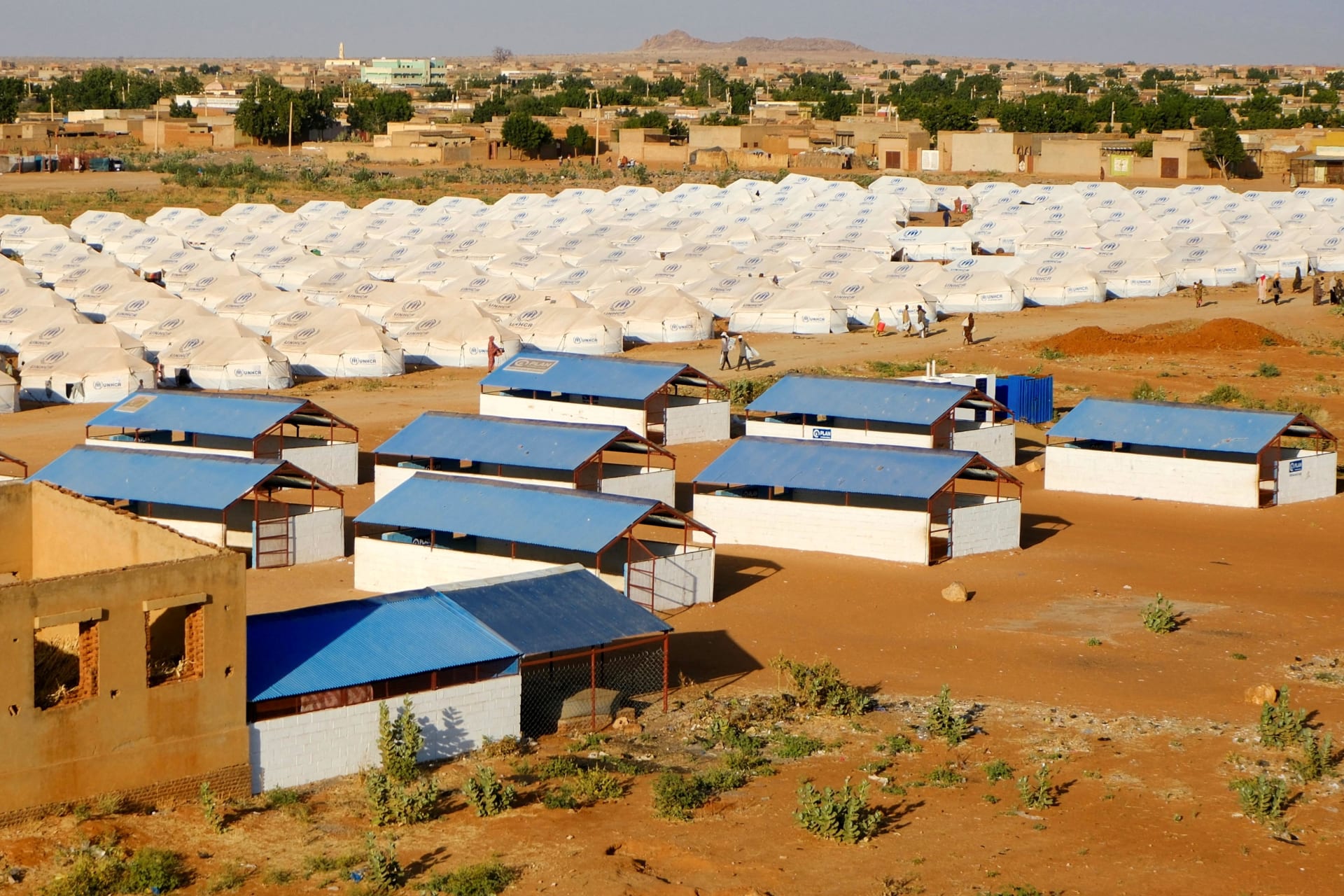
    More than two years into the civil war in Sudan, about twelve million people have been forcibly displaced. Yet experts say the country’s devastating humanitarian crisis is still not getting the international attention it deserves.
  • Sudan
    Shelling, Drones, and Hunger in El Fasher
    Regional and international actors should approach the crisis in Sudan with the urgency it demands. 
  • Defense and Security
    Are We Ready? | The China Reckoning, With Rush Doshi
    Podcast
    Rush Doshi, the C.V. Starr senior fellow for Asia Studies and director of the China Strategy Initiative at the Council, sits down with James M. Lindsay to discuss how the United States is reckoning with the rise of China and a world of renewed geopolitical competition.
  • Food and Water Security
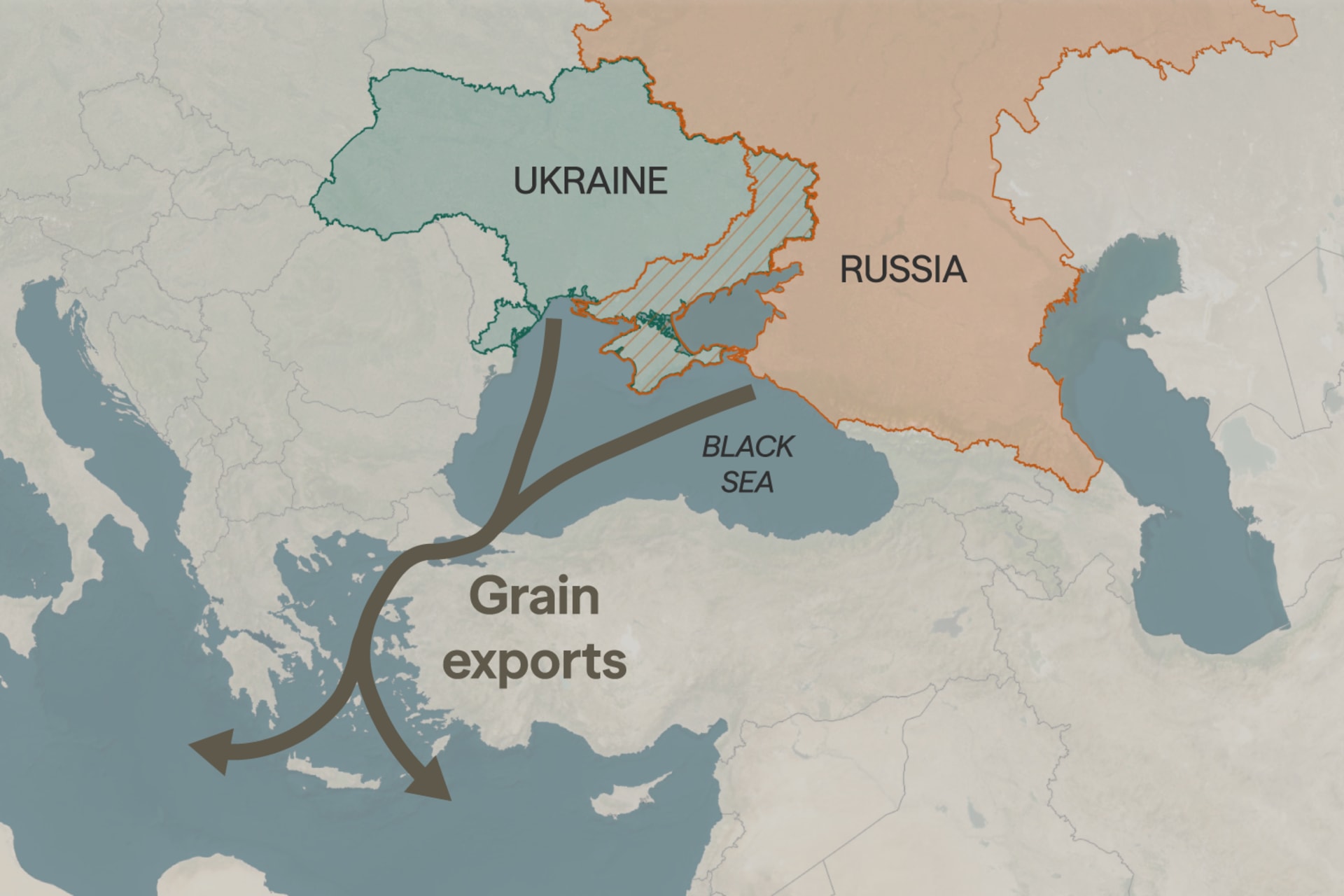
    How food is being used as a weapon in Gaza, Sudan, and Ukraine
    Play
    Experts, physicians, and humanitarian workers point to an alarming pattern that spans across regions, countries, and conflicts: food is being weaponized. And that weaponization is evolving—shaped by technology, globalization, and the politics of power.
  • United States
    Secretary Hillary Rodham Clinton, Dean Keren Yarhi-Milo, and Ambassador John Sullivan on 'Inside the Situation Room'
    Play
    In partnership with Columbia University's School on International and Public Affairs, panelists discuss what effective crisis decision-making looks like in practice, how to understand America’s adversaries, and lessons for future leaders navigating crises in national security. Secretary Hillary Rodham Clinton and Columbia SIPA Dean Keren Yarhi-Milo's new book, Inside the Situation Room, offers a window into how presidents and policymakers weigh risks, build consensus, and communicate their decisions to the wider public. Blending fresh case studies with insights from political science, and inspired by their popular class at Columbia, the book offers a framework for understanding leadership under pressure and the art of managing crises in real time. Copies of Inside the Situation Room will be available for purchase during the event. The David A. Morse Lecture was inaugurated in 1994 and supports an annual meeting with distinguished speakers. It honors the memory of David A. Morse, an active Council on Foreign Relations member for nearly thirty years.