Community Responses to the Conflict with Iran
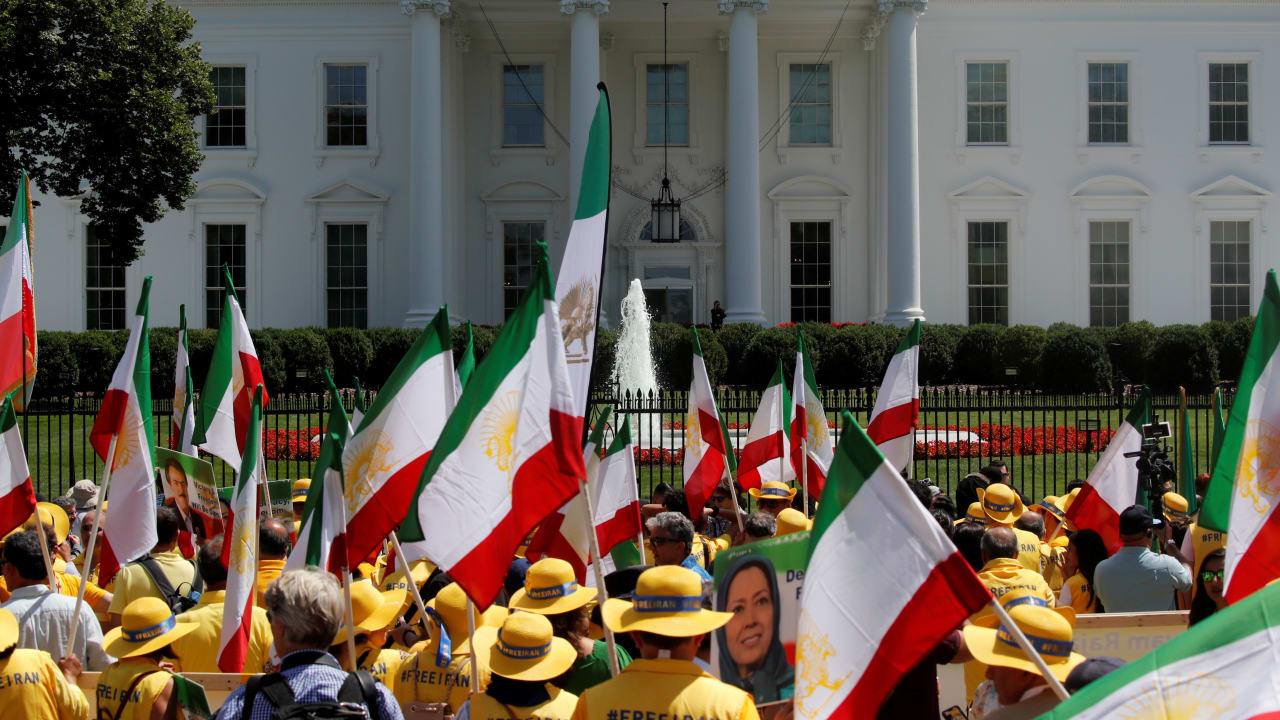
Event date
Speakers
- Communities Reporter, KERA
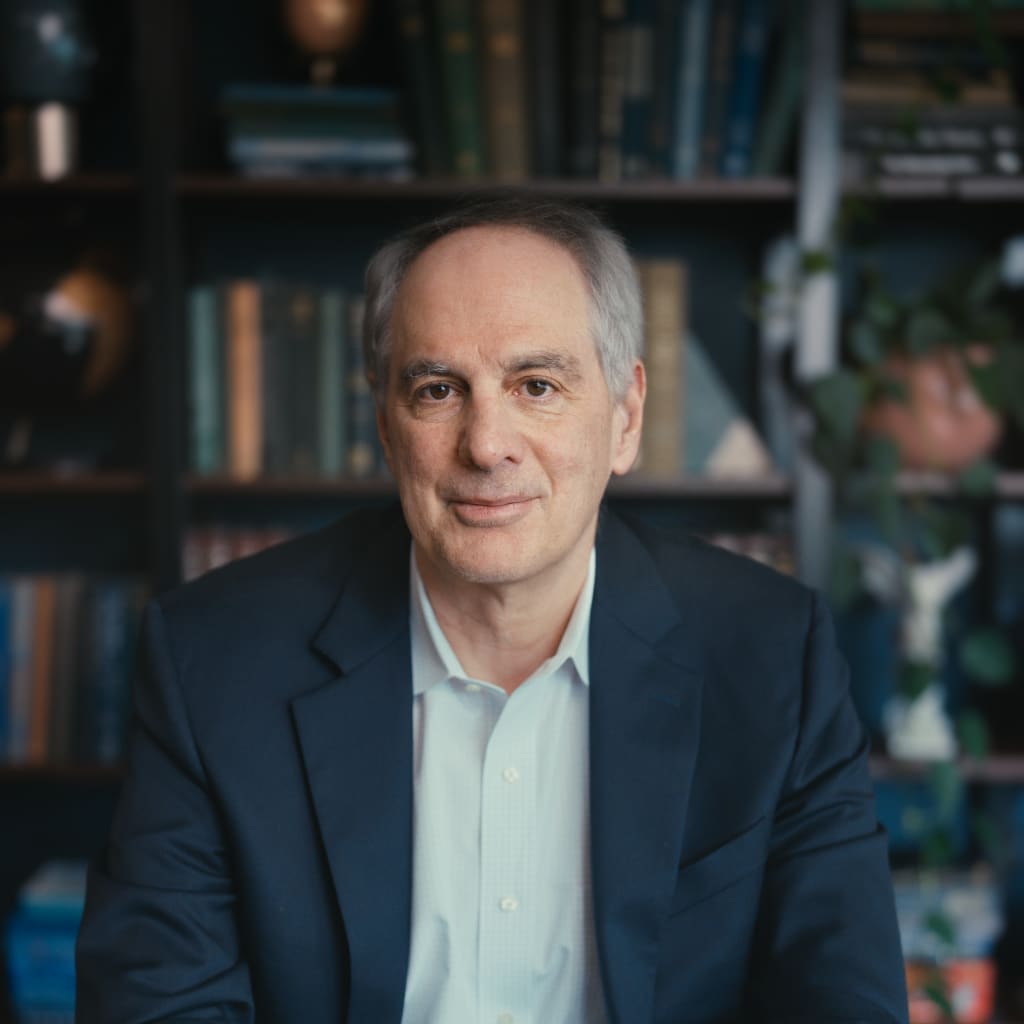 Ray TakeyhCFR ExpertHasib J. Sabbagh Senior Fellow for Middle East Studies, Council on Foreign Relations
Presider
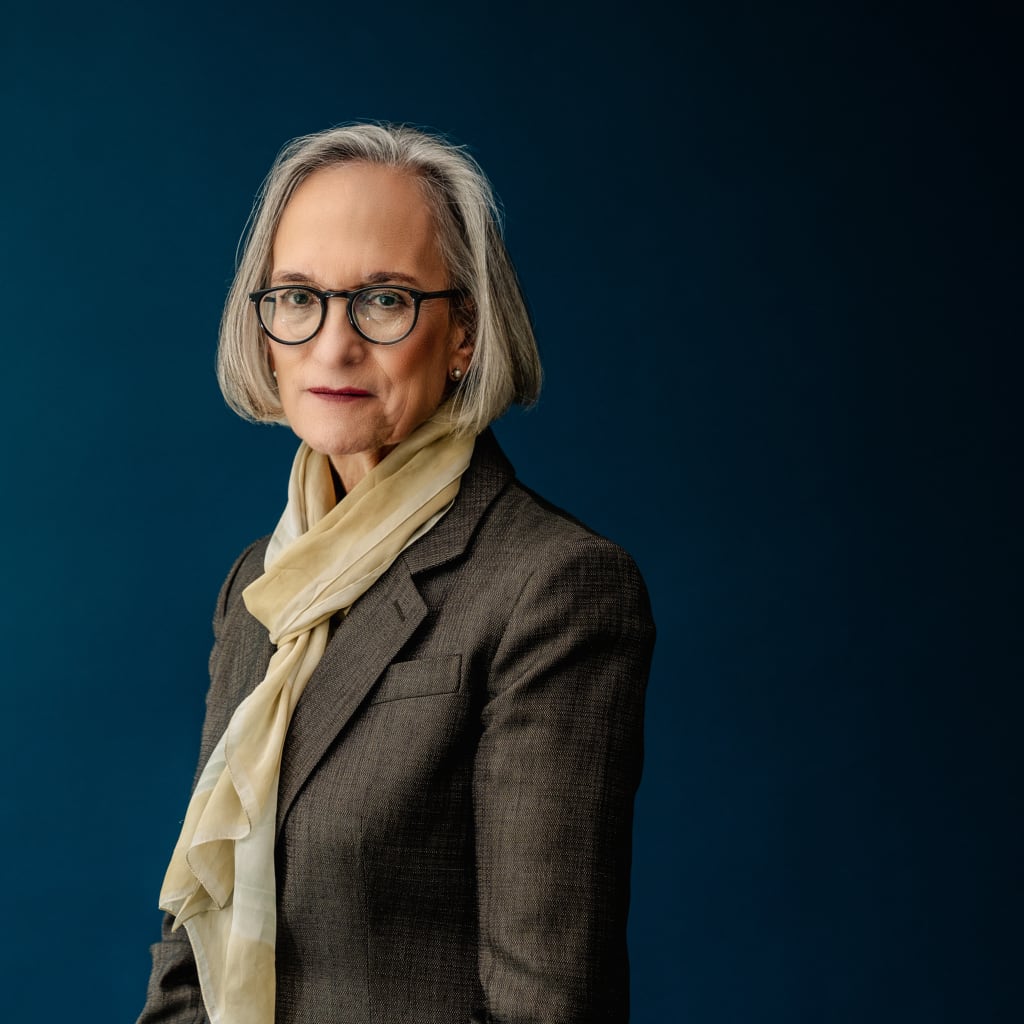 Carla Anne RobbinsCFR ExpertSenior Fellow, Council on Foreign Relations
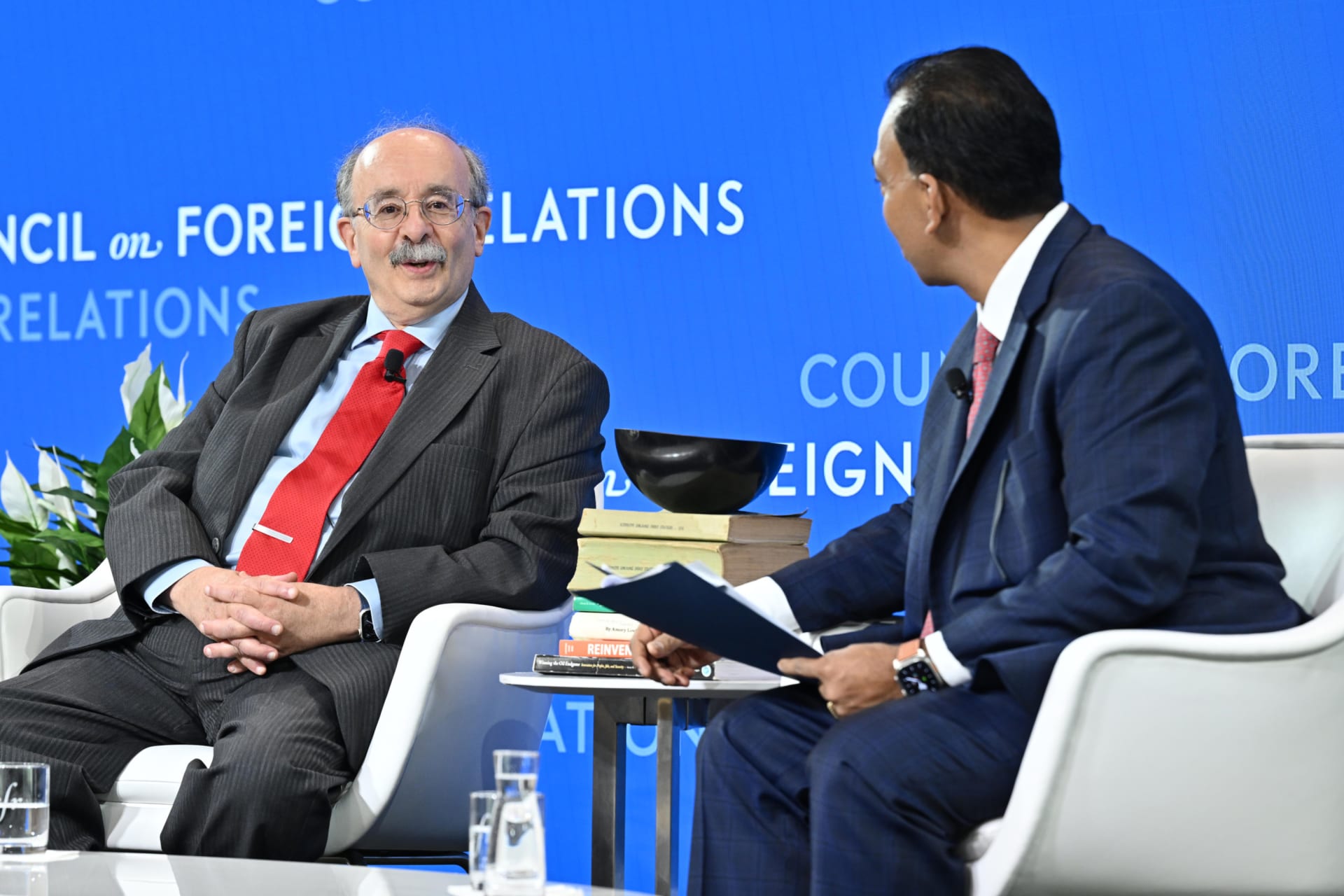
Ray Takeyh, the Hasib J. Sabbagh senior fellow for Middle East studies at CFR, speaks about the U.S. and Israeli attacks on Iran, regional effects, and implications of the conflict for Iranian communities throughout the United States. Priscilla Rice, communities reporter at KERA, speaks about her experience covering diaspora responses to the Iran war in North Texas and best practices for journalists reporting on this subject for local audiences. The host of the webinar is Carla Anne Robbins, senior fellow at CFR and former deputy editorial page editor at the New York Times.
TRANSCRIPT
FASKIANOS: Welcome to the Council on Foreign Relations Local Journals Webinar. I’m Irina Faskianos, vice president of the National Program and Outreach here at CFR.
CFR is an independent, nonpartisan national membership organization, think tank, educator, and publisher focused on U.S. foreign policy. CFR generates policy-relevant ideas and analysis, convenes experts and policymakers, and is the publisher of Foreign Affairs magazine. As always, CFR takes no institutional positions on matters of policy.
This webinar is part of CFR’s Local Journalists Initiative, created to help you draw connections between the local issues you cover and national and international dynamics. Our programming puts you in touch with CFR resources and expertise on international issues and provides a forum for sharing best practices. We’re delighted to have over seventy journalists from thirty-three states and U.S. territories with us today. So thank you all for taking the time to join the discussion. The webinar is on the record and we will post the video and transcript after the fact at CFR.org/localjournalists.
We’re pleased to have Ray Takeyh, Priscilla Rice, and host Carla Anne Robbins with us.
Ray Takeyh is the Hasib Sabbagh senior fellow for Middle East studies at CFR. His areas of specialization include Iran, U.S. foreign policy, and the modern Middle East. He is the author of several books. And his most recent one is entitled The Last Shah: America, Iran and the Fall of the Pahlavi Dynasty. And prior to joining CFR, Dr. Takeyh served as senior advisor on Iran at the State Department.
Priscilla Rice is a community reporter—communities reporter at KERA News in North Texas. Her experience spans radio, television, translations, performing arts, and community involvement. So we’re really excited to have her insight into reporting from Texas.
And Carla Anne Robbins is a senior fellow at CFR and host of the Local Journalist Webinar Series. She also serves as faculty director of the Master of International Affairs Program and clinical professor of national security studies at Baruch College’s Marxe School of Public and International Affairs. And previously she was deputy editor editorial page editor at the New York Times and chief diplomatic correspondent at the Wall Street Journal.
So welcome, Ray, Priscilla, and Carla, for this timely discussion on Iran. Carla, I’m going to turn it over to you to engage Ray and Priscilla in conversation. And then we’re going to open up to all of you for your questions. So please do raise your hand. You can also put your questions in the Q&A chat, but we would rather hear your voice. So, Carla, over to you.
ROBBINS: Irina, thank you. And I’m going to let you cut back on that—on that introduction for me. I’ve got too many titles in that. (Laughs.) But thank you. And I want to thank everybody else for joining us today. I know deadline madness right now, given what’s going on in the world. And in this country as well, given all the political madness. But, Ray, I want to start with you. And Priscilla, thank you so much. It’s great to have you here.
So, Ray, what is going on with Iran? I mean, can you give us a read of where we are? How seriously should we take this talk of a diplomatic process, a fifteen-point plan, a gift from Iran that the president is talking about? Because with all this talk about diplomacy, at the same time we’ve got 2,500 Marines aboard three warships steaming toward the Gulf, and now another 2,000 troops from the 82nd Airborne on their way. Is it diplomacy in our time, or we are the verge of a war—even larger war?
TAKEYH: (Off mic.)
ROBBINS: You’re muted.
TAKEYH: (Off mic)—terms, the administration did or what appears to be the administration point, and the Iranians have responded with their own number of points. And I should say at this point, particularly given this is a roundtable of journalists, it’s very difficult to get news out of Iran because of the internet lockdown. So sometimes newspapers come online, and they quickly go down. And sometimes they come online, but they’re not updated. So the black box of the Islamic Republic has just gotten darker. If you look at these two documents, you put them next to each other, there is points of convergence here.
ROBBINS: Can you say what the documents are? Because you were muted in the beginning.
TAKEYH: The documents put out, the terms by the Americans and the Iranians. So there are points of convergence here. For instance, they both agree on the safe passage through the Gulf. They have different things. If these documents are issued as a means of off ramp, where the two sides can say, OK, there’s enough points of convergence here for us to talk about—I’m not quite suggesting that there’ll be an agreement—but if both sides are looking to step back from a war that is costly for both sides, in different ways and for different reasons, then this offers you a way forward. There are some American points here that are so abstract that they require—a commitment to never achieve nuclear weapons. That’s one of the points that Americans offer. Well, sure. (Laughs.) We can do that. Let’s talk about that. You know, transparency oversight by the IAEA, International Atomic Energy Agency, over Iran. That’s something that Iranians can agree to, and that requires negotiating with Rafael Grossi. So if you want an off ramp, this gives it to you.
Now, so far, in terms of the American approach to this, at least, usually diplomacy has been breached by war. The president establishes—that was true in June. That was true in February. There are negotiations taking place between the president’s emissaries and usually Iran’s Foreign Minister Abbas Araghchi. At least the Iranians suggest that progress is being made, and another round of negotiation is scheduled on X date. And before the next day, there’s the use of force. So is that the pattern that we’re seeing today? As you mentioned, there’s a lot of movement of hardware and personnel into the Gulf. There’s two ways that can be evaluated. Number one, the president is looking for leverage in prospective negotiations. Number two, the president is looking to strike Iran in a different, creative way. So all I can say is if the two sides want to have discussions, not as a means of resolving their dispute but as a means of standing back, these two fairly amorphous documents, with some inflammatory language in both of them, offers a path.
ROBBINS: So we have a reasonably good idea about who’s negotiating on the American side. There is very little process, as we know, from this administration. It’s all being driven by the president and maybe the secretary of state/national security advisor. You’ve been inside government. I don’t think it’s as elaborate a group. But who’s negotiating on the Iranian side? Who’s in charge over there? And who gets to make the decision at this point?
TAKEYH: Well, that’s an interesting discussion. Technically, and presumably, the Supreme National Security Council that operates under the auspices of the supreme leader. That’s the sort of flow chart. Now today that seems to be a depleted gang of people. (Laughs.) There’s a supreme leader that no one has seen, although he has issued various communiques and issued various decrees. I suspect these negotiations are being ran through the Foreign Ministry at this point. Abbas Araghchi is out there. He’s very talkative to the American press. He is constantly on American TV and elsewhere. The new secretary of Supreme National Security Council, General Zolghadr, that’s not an appointment for diplomacy. Usually that appointment had been used as a nuclear negotiator, there were in the past. But today that’s an internal security appointment.
So I suspect it’s going through Foreign Ministry, but possibly some sort of a coordination between others however they meet. They have—the Iranian government is making decisions. They make all kinds of decisions. They’re issuing communiques, making decisions, and so forth. So the system is functioning. How exactly it’s functioning is not obvious to me, in the best of times. And these are certainly not the best of times, because you have such limited access to the country. But they do seem to be making decisions. And they are willing to engage in diplomacy. Foreign Minister Araghchi has been in touch with a variety of his counterparts. The Pakistanis are mediating. He’s been in touch with the Russians and others. So the system is moving. Now, the Islamic Republic never moves efficiently and in a linear way. So in that sense, there may be a lot of gaps here.
ROBBINS: So, Priscilla, you cover communities. What are you hearing, first from the diaspora, which I know you’ve reported on? What’s the reaction? Are people thrilled that the U.S. is hitting Iran? Obviously, people must be anxious about their family members. But what’s the base reaction so far to this war? It certainly came as a surprise to a lot of us, but what are you hearing from the people you cover?
RICE: All right. Can you hear me all right?
ROBBINS: Absolutely.
RICE: OK. Well, you know, I heard a community organizer call it a window of hope. Obviously, there’s deep concern for the future of the country. And, you know, I’ve been—I’ve been hearing from community members that, you know, you can’t really rest. For, you know, the last few months that people have been on edge, worried about their family members. I’ve heard several community members call it a time of collective mourning, because everybody’s been affected in one way or another, is what I’m hearing, whether it’s the loss of a neighbor, or a friend, or a family member. And there’s deep concern for the relatives that are still living in the home country. So it’s people are very vigilant, hopeful. I’ve heard, you know, that were used a lot, but also very concerned.
I’ve heard—you know, so while there’s been varying perspectives from the people that I’ve talked to of what should happen next, one thing that everybody I’ve spoken to can agree on is everybody is overwhelmingly against the Islamic Republic. That’s been the common thread. There has been varying—you know, the diaspora is so diverse. There’s been so many varying perspectives. But the common themes that I’ve heard is collective mourning, hope, also deep concerns. People are on edge constantly. There’s times that people cannot get in touch with their family members. The internet connection goes out. So there’s always this sense of uncertainty. And people have told me, well, like, how can—how can I rest? How can I go about my day? How can I even sleep at night? So it’s just people are definitely on edge and just trying their best to support their family members back home.
ROBBINS: And when you say there are disagreements on—or different expectations of what comes next, what are you hearing from people? What are their different scenarios about what comes next?
RICE: Well, I mean, I’m definitely not an expert, right? Ray can probably speak better on that, I’m sure.
ROBBINS: But you’re interested in what people are saying, not—
RICE: Sure, sure, sure.
ROBBINS: None of us knows what’s coming next.
RICE: Yeah, absolutely. Like, who should lead, you know? There’s such deep emotion behind it. I’ve spent hours just listening to people. And, you know, one group might not agree with the other group. And there’s deep emotions, even to the point of, like, well, I don’t think you should include that voice. And my job as a reporter is to include many voices, you know, that represent various voices of the diaspora. So I’ve had to deal with that conflict as well. But as a journalist, you know, I go in with an open mind. I don’t have—like, this is not a community I grew up in, right? So I go in there with an open mind and an open heart and just wanting to listen to what people have to say. So, yeah, there’s been—there’s been a bit of even hurt feelings, you know? And I just listen. I understand that there’s very deep emotions and deep concerns. And I do my best to just listen and be empathetic to all of it.
ROBBINS: Thanks. So, Ray, here’s something that really puzzles me about—and this is in the what was expected to come next question before we talk about what you think is going to come next. The Trump administration, or at least the president, spoke about it that way, with some expectation that there was going to be a national uprising, that we were going to facilitate this. And it appears that the Israelis, who I had always assumed had an even better take on what was actually going on inside Iran. I mean, God, they killed Haniyeh in Tehran. I mean, they seem to have penetrated the entire Iranian nuclear program. And they have the most extraordinary intelligence take on Iran. But they seemed to also expect that there was going to be some sort of a national uprising in the face of an attack on the top of the regime. Did you think there was going to be a national uprising? Do you think that they just completely miscalculated on this?
TAKEYH: Well, I think that Israeli theory of the case, and that’s the most consistent argument on along those lines, is that by systematically weakening the security apparatus of the regime, and decapitating its core leaders, you can sufficiently weaken the regime, so when an uprising comes it has a greater chance of success than before. So to some extent it’s an untested argument. The one thing that we can be somewhat certain of, there’s no reason to be certain of anything, is that there will be another protest movement in Iran at some point. Because there’s always one—2017, ’19, ’22, this past January. And the question for the Israeli leadership, or the American leadership as such, is whether that body has been sufficiently weakened that the virus can actually kill it. That’s unknown. Nobody can tell you if it’s true. Nobody can tell you if it’s false. But that seems to be the theory of the case.
And if you look at the Israeli targeting, they’re more focused on personnel than the Americans are. Maybe that’s a division of labor. The Americans are focused on military batteries and missiles, and the Israelis are going after individuals that they perceive to have competence in the security apparatus. And let me just say something about killing Ali Khamenei, the supreme leader for thirty-seven years. That has got to be a profoundly discombobulating experience for the people of Iran. Sixty percent of them are under thirty-five. So for 60 percent, that’s the only leader they know. And I know what it’s like, you know, when a leader of thirty-seven years, Shah Pahlavi, left. It’s a discombobulating experience. That’s the only leader you know, is commemorated. And there’s an aura to that authority. Then when he’s killed, the way he’s killed, there’s a demystification of the regime, especially since his successor has not even been seen.
So this kind of psychological displacement does not produce immediate uprising. But the idea is, when it does it has a better chance of success. That’s not a crazy argument. I don’t know if it’ll work. But that’s the theory of the case for the Israelis. The American objectives seem to be varied, shall we say. (Laughs.) There are different arguments different days. So that’s less consistent.
ROBBINS: I want to come back to you on the other arguments that the Americans have made. But I want to ask Priscilla about this. When you talk to people that you cover, and I’m not just talking about the diaspora but the people that you cover, what is their explanation for why the U.S. started this war? What do they think—why do they think we did it? And what do they think the goals are? What would they think a success would be if this offramp is taken? Do people understand what we’re doing? Which would put them ahead of me.
RICE: You know, that question—what people have talked to me about, more than anything, is their deep concern for their family and the future, and not so much detailed about what is happening. It’s more of, I guess, the emotional side of the displacement, of not being able to go home, of their family not being able to go home.
There was this one person that I interviewed. You know, all of her family came from Iran. And she was able to bring her whole family throughout the years. She’s been here since the ’70s. And due to the travel ban issued by President Trump last June, her brother was set to come to the U.S. and he wasn’t—he wasn’t able to come. He went for his appointment in Dubai at the American Embassy. And, like, the day before his appointment he was told that he can’t come. You know, that there’s a travel ban. So he had to find a way to get back to Iran by boat. And it was during—there was—it was during airstrikes.
So it was—I’ve heard more of those personal connections than of why they feel that this is happening. So I’ve made—you know, that’s just an example of one of the personal stories I’ve heard. So I’ve heard more of that more than anything.
ROBBINS: I think what I’m asking you more generally is that you talk to people more than just the diaspora. And so people where you live and people, and who you deal with, do they have an explanation for why we are going to war in Iran, and what a definition of a reasonably successful operation would be?
RICE: The opinion that I’ve mainly heard is, what are we doing there, you know? I don’t think people truly—the people that I talk to, different community members, do not seem to be in support of this war. Obviously, there are some people that are in support, but the people that I’ve talked to have been against it from the beginning.
ROBBINS: Against it because they’re just generally against wars, or because they don’t understand why, or because they weren’t prepared, because they were surprised? I’m just sort of wondering. There is typically a rally around the flag effect. So I’m sort of trying to figure out what—because the polling data is quite interesting. Because the polling data is there’s sort of partisan, you know, support among Republicans, because they support what the team is doing. But also some confusion generally about what the goals of it are. So you’re doing a lot more on the ground reporting than I am, so that’s what I’m trying to figure out, what you’re hearing from people.
RICE: I understand. Yeah, I feel like there’s also a sense of, like, I’ve even heard people talk about, well, you know, we have no business in Venezuela. We have no business in Iran. So I don’t feel like there is a—that people truly—that people that I talk to truly understand why we’re there and what the outcome is. That’s been the general response that I’ve—that I have heard.
RICE: OK. So, Ray, offramp. You know, if there were some sort of a deal right now, what do you think the U.S. could say that it had accomplished? Heavily damaging Iran’s military capabilities, but the regime is battered but so far still in control, still has the ability to control the Strait of Hormuz? They may agree to, you know, reopen it, but they could still close it again. One of the things I think, that puzzles me more than anything else is this started with the assertion that the Iranians were days, weeks away from being able to make a nuclear weapon. We don’t hear much talk from the administration about the nuclear program at all. What’s been accomplished and what hasn’t been accomplished, if we are close to an offramp?
TAKEYH: Well, first of all, I’m not suggesting there’ll be an agreement. I’m suggesting there’ll be a process that allows both sides to step back from their positions. There was no nuclear urgency that required armed intervention. I think the president has, at some point, said Iran is two weeks—was two weeks was two weeks away from a bomb. That almost certainly was not true. So that’s—but have been many explanations. I would say this particular war has demonstrated how the American system has broken down. The president has offered no explanations for that, before the war. He has offered evolving explanations since then, usually in social media posting. His Cabinet secretaries have offered their own explanations, but it’s not clear on behalf of whom they speak. The United States Congress has held no hearings on this. If they’re not doing this, then what are they doing?
So the American political system seems to have broken down. And this is why there’s such national ambivalence about this. The president does have a story to tell. (Laughs.) He can say he has degraded Iranian missile force capabilities. He can say he buried their nuclear program in rubble. He can say that he decapitated leaders that menaced their own public and the Americans for forty-seven years. There’s a story to tell. He doesn’t seem to be able to tell it. So whether that story will be satisfactory, given the fact that this was a military intervention in search of an urgency, and like all military interventions, like all diplomatic forays, have conclusions that are uncertain. And the ironic aspect of it is the Iranians have a narrative of success. They can say they withstood the military reprisal from a much superior regional power and a superpower. Their system lost many of its leaders, but it remained functional and intact. And they proved that with primitive technology they can menace the global economy. So they have a story to tell.
And in a situation where both sides have narrative of success, usually that means there’s another round of conflict between the two because the underlying problems are not resolved. So this is the problem that we face. Now, the question is—the question always is with these conflicts—how does this end? And, as I said, if the two sides want to have offramps, they can. But the president’s approach to diplomacy is maximalist demands with very compressed timelines. And when those timelines are not met, they’re not relaxed, but force is used. And then let’s go back to the table again to talk about the same issue.
If the two sides come back to the table, they’re both going to talk about nuclear enrichment. And the American position is, Iran is not permitted to enrich at home. And the Iranian position is, yes, they are. That’s exactly where they were before the war—(laughs)—before the June war, before the February war, before the next war. So, so long as that’s the case this conflict seems rather inconclusive. And that’s, I think, what troubles many people who are paying attention to his cost, both in terms of actual amount spent and is its impact on the American economy and the global economy.
ROBBINS: That’s a great summary, if not a happy one.
So we want to throw this open to our group. Being reporters, of course, we have questions, which is great.
So can we start with Pamela McCall, who’s the host of All Things Considered for KUER NPR, Utah.
Q: Hello. Hi. Thanks so much for this session. It’s fascinating.
Ray, if I might ask you to speak to the role that the UAE and Saudi Arabia are playing in this conflict?
TAKEYH: Both—all the Gulf states, not just UAE and Saudi Arabia, wanted initially for this war to be avoided. They had worked hard to maintain some sort of a détente with the Iranian government. And then, of course, the war comes. And to be fair, the Iranians are doing exactly what they said they would do. They said they would regionalize the conflict and intercede with maritime traffic to the Gulf. That wasn’t a mystery. They said, this is what we’re going to do. You don’t need an intelligence breakthrough. You just need an internet connection to figure out their war aims.
I suspect that—you hear a lot in the news media about how the Gulf states are antagonistic toward Iran, how they all have come together again in their resolution against it, given the Iranian attack on their territory. I suspect at the end of this conflict the Gulf states will go back to where they’ve always been, trying to balance the relationship between the United States and a menacing Iran, and even perhaps offer themselves as a mediation. That’s just the way their geography lends itself, because of their proximity to the Iranian power and their concern about the reliability of America’s intentions. So in a sense, this war, as extraordinary as it is, may not have provoked a realignment.
What’s interesting about this? There’s this war that has enormous cost, yet afterwards it appears everybody goes back to exactly the same position they were in before. (Laughs.) Iranian regime is intact, aggrieved. Americans are cautious and suspicious. The Israelis are antagonistic. The Gulf states are trying to mediate and figure out their balances. It’s a weirdest conflict I have seen, because the endpoint potentially looks exactly like the beginning point, except a number of Iranian leaders are no longer there, of course. And so the regime is undergoing some sort of a transition, and we can talk about that. But it’s a sort of a Seinfeld war, a war about nothing. (Laughs.)
ROBBINS: Another costly worry about nothing, but yeah.
Q: Thank you.
ROBBINS: Thanks for that.
Diego Lopez. Diego, do you want to voice your question? And I think it’s a question both for Ray and for Priscilla, because I’d be very interested in how she’s getting her information as well. Diego, do you want me to read it or do you want to voice it?
Q: Sure. Hi there, Carla. No, thank you, Carla, thank you, Ray, and thank you, Priscilla, very much for all your time.
So a lot of what you guys are talking about is very high level. Our responsibility, of course, is to boil it down to our community’s level, in about 600 words or less. And for a community newspaper like mine in rural Cibola County, we’re only a weekly newspaper. So fitting a whole week’s worth of news into a single article is very difficult. I’ve been using the Institute for the Study of War and their Critical Threats Project, their reports and data to help guide my conflict reporting. But I’m wondering, what are the best sources out there for those of us reporting on the issue from rural America? We don’t have contact, and I would feel really weird quoting somebody off of a Discord post. What are the best sources that we can use in guiding our reporting? Thank you very much for your time.
ROBBINS: Priscilla, where are you going to get—I mean, I know you’re going to the community to talk to people in the community, but are you going to experts in local universities? Are you going to—how are you getting your sources? Because I know people like—they don’t just want Washington sources. They want sources from their own community.
RICE: Yes. Thank you. Thank you so much, Carla. So, yeah, I have—I do have a source that I reach out to. He is an academic. He’s a professor, a sociology professor, at Texas Women’s University, Dr. Mahmoud Sadri, who has extensive knowledge in this. And he has, you know, been published all over the world, internationally. And he also has a deep connection to Iran. He’s from Iran and his family is still there. So I’ve been able to do check-ins with him to see, you know, what’s going on. You know, explain to me in simple terms because I’m not—(laughs)—a sociology professor, you know, that I could understand of what’s going on. But also, the emotional impact and how his family is feeling in Iran. So, you know, I do encourage, I think, reaching out. Universities, public universities, have a lot of resources, a lot of sociology professors and people that could be able to speak on that.
And also, you know, I’ve been able to make some contacts. I’ve found, like, community groups on social media. And I’m just sending—you know, sending a message. Like, hey, I’m a communities reporter. Do you have time for coffee? Do you have time for a call? And then just establishing that trust, because I’ve seen—and I know it might be challenging if you’re in a rural in rural area. I’m originally from a rural area in South Texas. So, yeah, maybe even having—offering to have a Zoom call. And I think, to be able to report on communities, establishing that trust. Because I’m an outsider. They don’t know me. How to—you know? So it’s been a combination of both, of trying to find organizations or groups that are organizing.
Like, you’ll see—you know, I’ll get a press release, or I’ll see on social media there’s a protest. I’m like, OK, let me see who this organizer is. Let me reach out to them and see what’s going on. Let me invite them to coffee, like, do a zoom call or something like that. So, yeah, just being—reaching out to people. You know, keeping my eyes and ears open, or also reaching out to colleagues. You know, who do you know? Who can I talk to? So it’s just been a combination of, I guess, being resourceful, but I do believe that reaching out to our public universities, that a lot of the professors are willing to talk and share their experiences. And Dr. Sadri at Texas Women’s University is definitely an example. Hopefully that was helpful. (Laughs.)
ROBBINS: Ray, what do you think are the—that’s great, Priscilla. And I would add to that, if I were doing this right now, I’m really interested in what veterans groups are saying about this. And I think there’s—I’m picking up—I’m not paying a lot of attention—but I’m picking up a profound ambivalence, because people are still sorting through how they feel about Iraq and Afghanistan. And profound ambivalence also—and there’s a very good story in either the Times or the Post today about people feeling very uncomfortable with the way the administration is sort of using social memes to describe the war. You know, the whole sort of social media presentation of the war, which is also turning it into a video game. Which I think is—if you haven’t read that story, I really recommend it. So I’m intrigued with the way veterans groups are dealing with it as well, if you want to talk about community response. So not just the diaspora, but also we have lots of different communities in this country who were involved in this as well.
So, Ray, what do you think? You know, the Institute for the Study of War is great for information. What other sources of information would you recommend for people?
TAKEYH: Well, I look at a lot of Persian sources, because they tend to reflect different points of view of political tendencies within Iran. But BBC Persian is actually a very good source. The reason why I say that, because the regime really hates it. By the way, both the monarchy and the Islamic Republic hate the BBC Persian. So in terms of American press, it’s just—for thirty-five years I get up every morning and I look at the New York Times. So that’s where the day for me always starts. And I look at the Journal, less so the Post, which is our hometown newspaper. And I think the English language newspaper that covers this well is actually the Financial Times, because they have a correspondent there. And they seem to do as good of a job as you can do under these circumstances.
I don’t look at the Israeli press. I really don’t. But I do know that they tend to cover it a lot. And I’m not sure what the nature of the debate is in that. But, as I said, I like to, to the extent possible, access Persian—the Iranian newspapers and sites as such, because just the way the media landscape is fostered in Iran—for instance, if you want to know what former President Hassan Rouhani thinks, you go to his news site, Afzaoui (ph) News. Now, that hasn’t been up for a long time. News site that was associated with the late Ali Larijani was Habr (ph) Online. That’s no longer relevant because he’s dead. (Laughs.) If you want to know what the Revolutionary Guard is thinking you can go to a newspaper called Javan, or Etemada Emrooz (ph). That’s where they essentially express themselves.
So Iranian press, when it’s active, it’s not free but it is competitive. In a sense, you get different narratives from different political tendencies. As you can see, that process is very much haphazard today because of the shortage of the—because of the information blackout. But you can get a feel for it. And I would say one more thing about this, and that’s certainly true about people like me. One of the things that we have missed in terms of Iran, and perhaps is now increasingly going to be in the case of China, is we don’t have personal connections there. People don’t go back and forth. We don’t have embassies. The Times reporter, if they go, goes for a week and leaves. For instance, lot of times, as I was saying, just names—you don’t have to know these names. Ali Larijani and Saeed Jalili were two officials in Iran. And people like me think they’re in disagreement because of ideological discord. Maybe they just don’t like each other. Maybe it’s not even ideology. We don’t know these people as human beings. We know them as people on the internet site. We have access to their public declarations, not their personal conversations.
And I will say that’s true about the intelligence services as well. I think access to a country that you don’t have—and analyzing it from this far is a very inadequate exercise. And I would say, as a way of warning, as we enter a new cold war with China, we are beginning to see the same sort of a curtain come down in American-Chinese relations. Last year my son went to Shanghai for a semester. And what I said to him he might be one of the last generation of Americans to do that, to go to Shanghai, get on the train, go all over the country, and actually see it in practice. I would say that’s a very bad thing for scholarship, for analysis, for assessment, and for understanding. And I tend to believe, in my personal case, that my understanding of that country is profoundly inadequate. And I always say to my son, and one day long after I’m gone when the archives come out you guys are going to say, wow, how wrong that guy was. (Laughs.)
So that’s about all I can offer you. I don’t know if there’s a different reality in our future, but the absence of access to Iran—a country that today equates research with espionage—has been a huge loss for our understanding of its politics and its people. It’s a country of ninety million people. And too often I think we are treating it as, like, a free fire zone. We’re just going to bomb it. It’s a country of ninety million people with kind of a wide variety of opinions, and personalities, and cultures, and ethnicities. And you don’t think of it as a collection of human beings, but as a place that have centrifuges that need to be bombed. (Laughs.)
ROBBINS: So, Ray, you know so much more about this than I do, but I’m going to dare—
TAKEYH: Not really.
ROBBINS: I’ve got a kind of daring question for you here. Why are you not reading the Israeli press, when Israel, as I said, you know, I believe they’ve deeply penetrated Iran with their intelligence? I’m not saying that their intelligence analysis is correct, but we know that they had great technical success in the past for targeted assassinations and all, and knocking off a whole bunch of scientists and some leaders. And we also know that Israel is—for all of their flaws—they also have a pretty robust media, and a considerable amount of debate, and lots of leaks. Why would you not read the Israeli press? We also know they’re a driving force. That Trump listens to Bibi.
TAKEYH: Yeah. I look at Times of Israel occasionally. But, honestly, it’s just a question of time management, because I used to have to plow through so much—so much Iranian sources, which is not always easy for me given the—my language—rudimentary nature of my own language skills. So some of that was just a question of how much time you have. I would say one thing about Israeli intelligence assessments. I think to be able to penetrate a nuclear plant is different from assessing the political temperature of a country. Those are two different skill sets. The shah’s police was very good at penetrating cells, but it wasn’t good at assessing the political temperature of the country.
So I think the Israelis are also devoting a lot of resources to this. The Israelis have finally—that wasn’t always the case. They tend to be very realpolitik. And post-October 7, I think they are regime changers. They don’t believe that their problem with Iran will be terminated until the regime has been terminated. So they’re making some very big decisions. But some of it is, honestly, just time management. Some of it is I don’t have Hebrew language sources, so I have to look at the English language sources they have, and that sort of a thing.
ROBBINS: So, Priscilla, for your editors, I mean, this to a certain extent—I’m not saying it’s easy work, because it’s hard to have empathy and to develop sources and communities. And if you’re not from the community, to develop trust and to get the nuances of the fact that not all Iranians think the same way in Texas. But, and because the default position of editors, having been one, is, you know, go out and find some Iranians and tell me how they think about it. You know, that’s always the default position. That’s always the first story. What’s the second story in the third story for people? Because this war is continuing. And what’s the second story in the third story for your editors, that may be for you or maybe for your colleagues, because this is an important thing. This is—our country is at war. What else do they want to know? Or what else should they be assigning so that everybody else who’s on this knows how to go and pitch it to their editors, to tell them they should be paying attention? I’m turning you into an assignment editor, Priscilla.
RICE: It’s OK. I’ve been an assignment editor before. Now I’m in radio, but I used to work in TV so—and I that was my role before. But, no, and I love being an assignment editor, but I love being a reporter, too. So I think, you know, being—because sometimes I feel like, as reporters, when we go into something we have already the story in our head. Oh, we’re going to get this, this, and that. We have—you know what I mean? We have—the graphs are—but I think kind of like putting that aside and just, you know, going into the—going to your sources and checking—you know, periodically checking in with them and saying, hey, this is what—this is what we talked about last time, but what’s really happening now? You know, just being open to those conversations and doing those check-ins.
You know, I think also it’d be interesting to do, you know, because obviously the Iranian community, the diaspora, is not a monolithic group. You know, just like every community has so many varying opinions. And, you know, and to just say, like you said, oh, get a reaction from the Iranians. But, I mean, there’s such a diverse group, with so many different opinions. So, you know, I’ve learned to check-in with just different people, and hopefully trying to—you know, putting myself out there, and trying to go to community meetings, even informally, just to get a grasp of what’s going on. So I think, to answer your question, the next story is just how—in my opinion, I would like to do a story on how, you know, when the war—when the war started, and where people are now, has anything shifted? You know, what’s going on now? Do you feel the same way you felt before? What are your hopes now? Now that we know this, what are you hoping—what are you hoping for the outcome? How is your family doing back home? Have things changed? Are they—do you feel that they’re safe?
So just it’s hard to say, but I think just continuing the conversation with the sources, of being open to new sources, being open to just show up. Because, you know, I’ve been told, and I know too, that reporting just doesn’t happen sitting behind a desk. Like you just have to go out there and see what people are truly saying. So and also being very sensitive. You know, I’m careful when I talk to people. I don’t want to just be a demanding reporter and say, hey, I need pictures, I need this, and I need that, because I know we’re on deadlines and stuff like that. But also, but just listening. So if reporting on this has taught me anything, is to be a better listener. And I’m still working on that. So. (Laughs.)
ROBBINS: We’re all still working on that. (Laughs.) So thank you for that. So—and I would say that I would broaden that out, everything that you’re bringing to the diaspora I would bring to the wider community, because there are many other communities that are affected by this, because this is a national war and people are getting mobilized. And we’re putting troop—going to be putting troops in the field. And there—people are getting mobilized and experiencing this. This is—it might have started as a stealth war, but it’s penetrating the national consciousness. So I think there’s going to be more stories out there the longer this continues.
So we have a question from Robert Chaney from the Mountain Journal Montana Free Press, who emailed in. I’m going to read it: Before the start of current fighting, Tehran was on the verge of running out of its water supply. The rest of the country was also facing severe water shortages. How have hostilities affected this problem? And might it be a factor in negotiations? I think, Ray, that’s a question for you.
TAKEYH: The water shortage stems, some of it, from climate change, some of it’s from ecological changes, some of it from poor management of the agricultural sector. There were real—there was projections that even Tehran was going to run out of water this summer. They were already doing rationing, in a sense that there were—offices were being closed and because they couldn’t heat them. All those problems are there, and actually they have been compounded. I will say, one of the things that has been talked about is increasingly attacking Iran’s civilian infrastructure. And the president, I think, talked about the power grid. I think all American people should be cautious and cognizant of humanitarian catastrophe that something like that could bring about. This is a very serious effect on the country, to cripple its infrastructure.
At some level, for both the Americans and the Israelis, this war began in order to emancipate the Iranian people from their current predicament. Such an attack on infrastructure will actually make that predicament even more dire, and their situation even more hazardous. And this is something people should be talking about and thinking about. As the war expands, and you want to put military pressure on a recalcitrant regime, you may actually consider targets that will have serious humanitarian effect.
And that aspect of this is not always discussed, even essentially crippling the country’s oil facilities and ability to export oil. The Iranian economy was already in difficulty with high inflation rate, high unemployment rate, the stagflation as we would call it in this country. And all those problems have been exacerbated by this war, and by the mismanagement and corruption that engulfs the Islamic Republic itself. The Iranian people stand in the middle of all these cross currents. They’re abused by their rulers, misruled by them, and at the same time under stress by those who seemingly have their welfare at heart.
ROBBINS: Pamela McCall, you had your hand up. Do you have a quick question?
Q: I do, provided there’s no one else in the queue. Yeah, I just—I’m wondering about—I’m kind of facing difficulty in actually getting editors and the like to buy into the need for local coverage, despite the fact that Hill Air Force Base is here, a multitude of defense contractors. Defense stories don’t necessarily do well with clicks on the web, and the like. So it seems—and they think that, at least here, it’s a national story. Whereas I have—you know, I’m a stalwart in believing that the impact, clearly, is on everyone. Any ideas as to how to, you know, bridge that gap?
ROBBINS: Can I jump in on that one? (Laughs.) I mean, first of all, there’s a lot of money that’s going to be involved in this because of—for defense contractors. This war is really testing our capabilities and running down our stocks. And so it depends on which defense contractors are in the sound of your voice. But I think there’s certainly stories to be talking about that. You know, who’s being deployed is another question, whether or not this is—they’re mobilizing people in your region. But I think there are a lot of veterans who are—as I said this before—who were experiencing this war in a very personal way, because this is basically the first big thing since Iraq and Afghanistan. And people hadn’t really fully processed Iraq and Afghanistan. You know, what are the lessons learned from it?
We do know that this whole sort of retrenchment and the argument—a lot of people voted for Trump because they thought we weren’t going to fight another war like this. And so I think there are veterans groups, local veterans groups, it would be really interesting to talk to them about how they are seeing and experiencing this. I mentioned the story, I think there was in the Times today, about the memeification of the wars that are going on. How do people feel about that? There’s some really—you go—this is this is community reporting, so it goes everything from the hundreds of billions of dollars that are being spent, what it means for defense contractors, to mobilization, to how people are experiencing the war itself.
And then you got gas prices. (Laughs.) Which the economic impact is, you know, potentially enormous. Whether—people see gas prices as a very direct thing, but the longer range economic effect is also something that you could certainly talk to people about. So I think there’s a lot of local stories right in there. Ray looks like he’s got something to say.
TAKEYH: Oh no. I will only say one thing, because it really is a privilege for me to be here for the following reasons. There are a lot of professions that if they disappear you won’t notice them, like mine. But journalism is actually very critical to the functioning of American democracy. And my younger son, who’s the editor of his high school newspaper, Bethesda-Chevy Chase High School Tattler, and that newspaper in the high school actually has an actual news desk. That’s where he works. So it’s a noble profession and never been more important. That’s what I would say.
ROBBINS: Priscilla, before we add last word to you, do you have—you have this—you have another story that you want to you want to pitch for Pam?
RICE: Well, I think the continuation also about, you know, the war—the travel ban I think is such a huge issue, people not being able to go back and people not be able to come here. I think that that’s something that is not covered enough, you know, and how it’s affected families. So I think that’s definitely a topic that’s overlooked.
ROBBINS: That’s great. Thank you so—thank you so much for—thank you, Ray, and thank you, Priscilla. And I’m going to turn this back to Irina. Thanks, everybody, for great questions.
FASKIANOS: I second that. Thank you all, really a great conversation. Again, we will send a link to the webinar recording and transcript so you can review it and share it with your colleagues. We will also include some of the sources that Ray and Priscilla mentioned. As always, we encourage you to visit CFR.org, ForeignAffairs.com, and ThinkGlobalHealth.org for the latest developments and analysis on international trends and how they’re affecting the U.S. And I welcome your suggestions for future webinars. You can email us at [email protected]. So thank you all again today for your time. We appreciate it. And we look forward to continuing the conversation.
ROBBINS: And send us your stories.
FASKIANOS: Yes.
(END)