Military Analysis of the War With Iran
Event date
Speakers
- Senior Fellow, Reimagining U.S. Grand Strategy Program, Stimson Center
- Former Commanding General, U.S. Army Europe
- Distinguished Professor of the Practice and CETS Senior Fellow, Sam Nunn School of International Affairs; Former Supreme Allied Commander, Europe, North Atlantic Treaty Organization
 Max BootCFR ExpertJeane J. Kirkpatrick Senior Fellow for National Security Studies, Council on Foreign Relations
Presider
- Principal, Georgetown Global Strategies; Senior Advisor, Inter-Mediate; Counselor, Middle East, Dragoman; CFR Member
Defense analysts and former military leaders discuss the current state of the war from a security perspective, providing their expertise on the challenges on the ground.
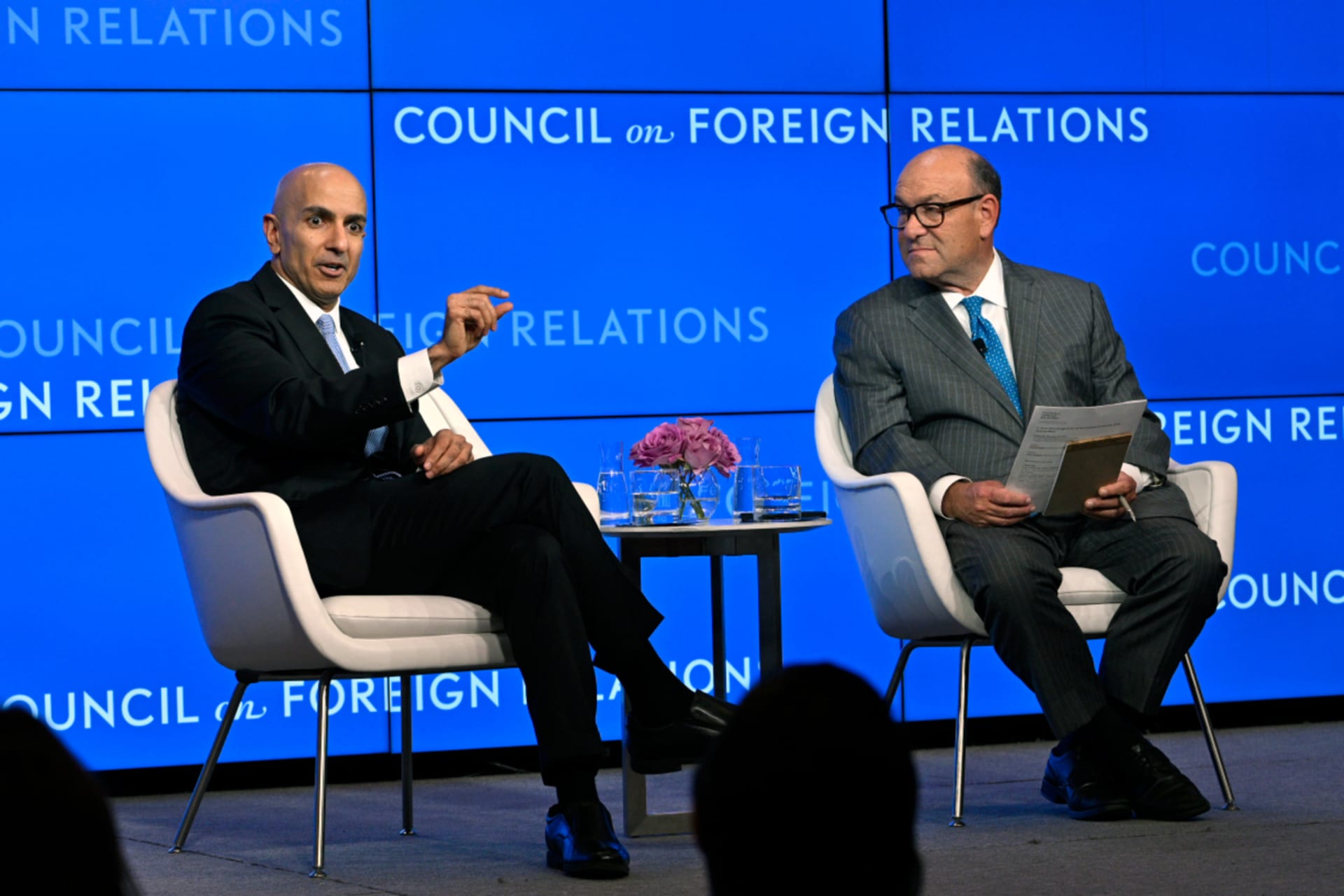
DANIN: Well, hello, everyone. I’m Rob Danin. I’m a principal and Georgetown Global Strategies, and I had the honor of being a senior fellow at CFR for over ten years, and I’ll be presiding over today’s discussion.
Today we’ll be looking at the military aspect of the Iran war and the strategic perspective, and we have a great panel lined up with us. You should have their biographies. You should have received them via email previous to this, so I’ll just give a short introduction.
We have Max Boot, who’s a senior fellow here at the Council on Foreign Relations.
We have General Philip Breedlove, who is a distinguished professor at the Nunn School of International Affairs.
We have Kelly Grieco, who’s a senior fellow at the Stimson Center.
And we should be having shortly General Fred “Ben” Hodges, former commander of U.S. Army Europe.
So, with that, let’s go ahead and start. And let me just kick this off with a sort of simple question, if you will, which is: How do you assess the military efficacy of the military campaign so far? What has been achieved? What has been done, if you will, to Iranian capabilities and to the various issues of concern and targets that the U.S. has set forward, as well as Israel, in the campaign? How effective has airpower alone been in achieving these objectives? And how does it compare, say, to other uses of airpower in other theaters, for example in Ukraine?
So, with that, let me kick it over to you. General Hodges, why don’t we start with you since you’re the ranking officer here. So, please—(laughs)—why don’t you start the conversation?
HODGES: OK. Thank you.
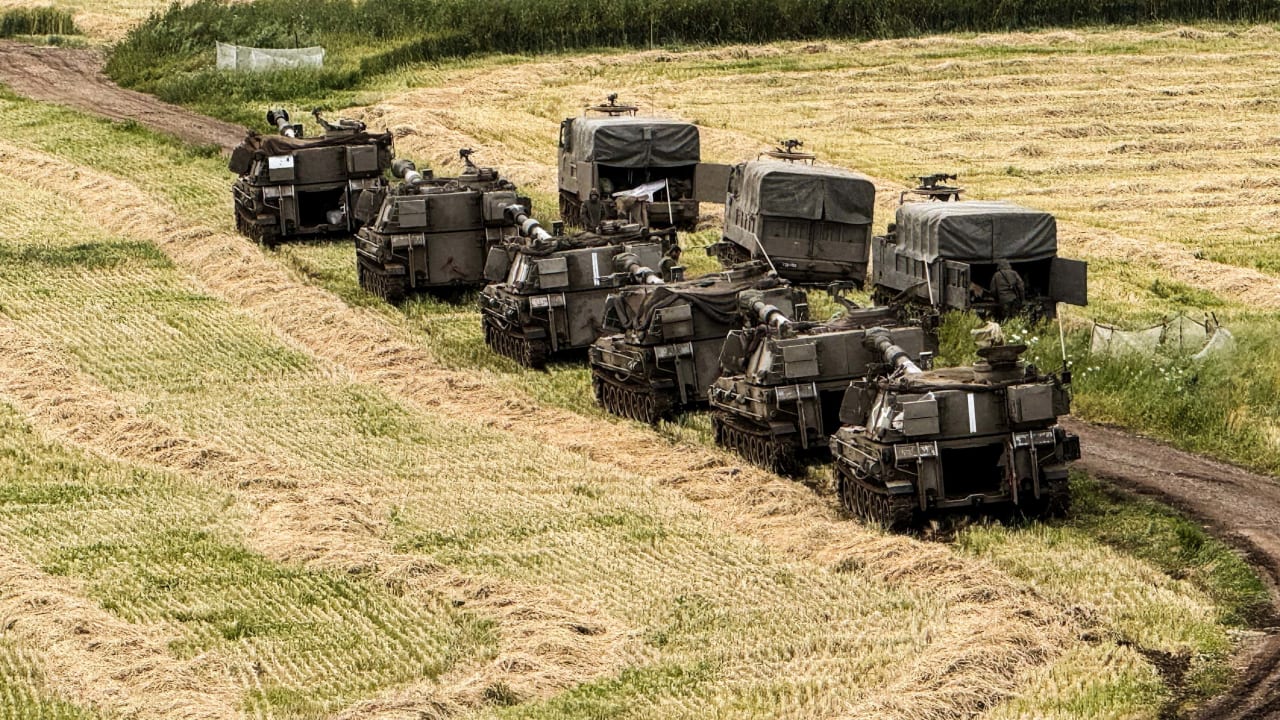
Well, first of all, I think our Air Force, and Navy, and special operators, and intelligence community have done a very good job of carrying out the tasks which they’ve been assigned. There’s no doubt that significant damage has been done to all of Iran’s traditional or conventional weapons capabilities. And of course, they did this in conjunction with the Israeli Defense Force as well, taking advantage of Israel’s excellent intelligence services.
The problem is that’s almost irrelevant to what this is all about. Despite the enormous damage being done by our armed forces to Iran’s capabilities, it almost doesn’t matter how many Iranian vessels have been sunk or how may launchers have been destroyed. The fact is Iran still dictates what goes through the strait and they still are able to attack shipping. They still are able to launch missiles against sites throughout the region.
So it’s important to pay attention to what the military campaign is doing and also its ability to sustain this. The president just told his staff to need to think about a long-term naval blockade. So the Navy—the Navy will do that, but this is going to be a very resource-intensive effort as well, and we don’t know for how long.
DANIN: Thank you.
Kelly, why don’t we move over to you?
GRIECO: Great.
So I think I am in a large agreement with Ben in many respects about how to think about this. I might just sort of frame it a little differently and say that there—this has been an air war but there have actually been two air wars that have been fought largely simultaneously.
The first is what I would call the war of destruction, and this is the one that’s been measured in targets destroyed or degraded. And on that, you know, the United States has performed relatively well. You know, we’ve heard the statistics about, you know, the sinking of the fleet; you know, the destruction to Iranian launchers, at least many of them being buried. Things like that we’ve done relatively well. But I would just note that that is the war that the United States Air Force was built to win. The United States was able—Air Force was able to gain air superiority over large parts of western and southern Iran relatively easily, and it was able to employ U.S. airpower to be quite destructive to achieve that objective.
The problem, though, is that the war that has really mattered—the air war that has really mattered is a different one. It’s the war of disruption. And that war—air war has been happening much closer to the surface, in what Max Bremer and I have called the air littoral, so at lower altitudes closer to the surface where Iran has been particularly relying on these things like Shahed drones and missiles. The United States has not performed well. Essentially, Iran has been able to achieve air denial. It has not been able to achieve air superiority over the Strait of Hormuz and parts of the Strait of Hormuz, but it has been able to deny that air superiority to the United States. And as a result, you know, traffic is not flowing through the Strait of Hormuz, and that has been the decisive point of this war. And so, ultimately, Iran has won the air war, in a sense, that has mattered more in this conflict.
DANIN: Max, why don’t we get your take?
BOOT: Well, I mean, I fully agree with Ben and Kelly. I think this war has been another reminder of the limits of airpower, even airpower as sophisticated as the—as the air forces of the United States and Israel. Remember the objectives that President Trump set out at the beginning of this conflict in late February. Two of those objectives—regime change and an end to Iran’s nuclear program—have not been achieved, and they show no sign of being achieved any time soon.
In terms of other objectives, I mean, I think we have had a fair amount of success in degrading the Iranian navy and conventional forces and their—and their missile forces, their missile production, missile factories, those kinds of things. Very predictably, the—you know, when you do have air superiority, as Kelly said, you can go and bomb their factories. You can go and bomb their navy ships. But it’s not achieving the political objectives that Trump set out, which is the only thing that counts.
And in a way, this is kind of the story of American military power writ large over the last fifty, sixty years. We’re tremendously good at tactical military operations. We always have success at the tactical military level. But we’re really, really bad at translating that into any kind of operational or strategic military success. We’ve been failing at that since Vietnam, more recently in Iraq and Afghanistan, and now in Iran.
And I think what we’re also seeing is another lesson from the Iran war which echoes what we’ve been seeing, really, since the 1960s, because we are once again facing a much weaker adversary that is much more skilled at waging asymmetric warfare and finding the weaknesses in American military power. In the past we’ve seen, you know, different manifestations of asymmetric warfare. You saw kind of classic guerilla warfare in Vietnam. In Iraq and Afghanistan, you saw some guerilla tactics and then some, you know, use of IEDs, roadside bombs, all these things meant to negate American military superiority. And now you’re seeing another version of that, more high-tech and kind of a naval and air version of guerilla warfare using drones, using speedboats, using mines.
And you know, the U.S. and its—and its allies in the Persian Gulf have been shockingly unprepared to defend against Iranian drones, these Shaheds, even though we’ve had years of seeing them operate in Ukraine. But nevertheless, we’ve been reduced in many instances to firing, you know, $3.5 million PAC-3 missiles against $35,000 Shaheds, and the math of that simply does not—does not add up. And the Iranians have managed to cause considerable damage to energy infrastructure. They’ve caused considerable damage to U.S. bases throughout the region.
And at the end of the day—even though Pete Hegseth loves to give these chest-beating press conferences about all the targets that we’ve blown up, at the end of the day if you read the leaks from the U.S. intelligence community they suggest that Iran still has about half their missiles, about half their drones, about half their speedboats. So they still have considerable residual capacity. And it doesn’t take much to close the Strait of Hormuz and close down 20 percent of the world’s oil, which is what they’re doing now.
DANIN: Great, great. Thanks.
I’d like to welcome to our discussion General Breedlove. Had some technical issues. He’s the distinguished professor of practice at the Sam Nunn School of International Affairs and former supreme air (sic; allied) commander. Welcome to General Breedlove. I won’t put you on the spot yet.
Let me pick up on what—something you raised, Max, from the—at the very beginning, which has to do with the basic issue of objectives, and—the U.S. objectives, as well as our partners’ objectives, in this war. And how would you say our objectives have been revealed by the military conduct in the war? Have they shifted over the course of the war so far? And do they contrast at all with Israel? And looking ahead, as some speculate, may they diverge should hostilities resume?
So, Ben, why don’t we go back to you. Start with the question of just objectives and how they’ve evolved, and have they been revealed through our conduct much less than through the president’s remarks or comments about them all.
HODGES: So the administration, I think, has not done a very good job of clearly identifying the strategic objective for why we went to war with Iran. You used the word “reveal,” which is an interesting choice of words, but that’s kind of how it’s been. I mean, there were two or three different justifications given before actual attacks started, and then since then we’ve heard new explanations or justifications. Everybody listening can remember this was we want to help the protesters, then it was—became about nuclear. And then, even after it started, I can remember Admiral Cooper, the excellent commander of CENTCOM, saying, hey, we may have to open up the strait. (Laughs.) Well, that’s become the main effort now.
And so I think this is not some war college or staff college drill here; this is the most important task for our civilian leadership if we’re going to use combat forces, is to lay out the objective. We failed to do that in all of our recent wars except for Desert Storm. And if you don’t have the objective right, then it’s almost impossible to get the right policies in place to—when you start talking about capabilities you’re going to use. It also makes it difficult to sort out budget, how much you’re going to spend to accomplish this objective. And then, of course, you know, we’re coming up—I think Friday is day sixty, when the president is obligated by the War Powers Act to actually go to the Congress and explain what it is we’re doing. I doubt they’re going to do that, but if you still after two months don’t have a clearly defined objective with everything supporting that then you end up with, well, we may have to extend the blockade, or we may have to do this.
Over.
DANIN: General Breedlove, why don’t we come to you?
BREEDLOVE: OK. So, thanks. Sorry for the late add. The Central time zone throws a lot of computers off.
So I want to join and agree with much of what Ben just said. I don’t want to say the goalposts have shifted, but we have gone through exactly the litany that Ben brought up about what we’re doing here. And I think that that has a lot of implications, and one of the implications of that is if you can’t really nail down the objective you’re probably going to pick the wrong tools to get to that objective.
And so we started off using tools that we know we can use well, and then we started talking about our successes in relation to how those tools are being used and how effective they’re being. The tools have been extremely effective if you’re looking at military objective of destroying military capabilities. But the tools have been less effective if you start to judge them against: Have we stopped this regime killing its own people? Have we changed the position of the nuclear materials that are often referred to as dust? You know, these kinds of things, if we use those measures, the effectiveness of our operation is very different.
So I think that, as Ben said, if we were grading our own paper, if we had nailed down truly upfront what the objectives were, we might use a different formation of the tools to get to those objectives.
DANIN: Right.
So, Kelly, let me shift to you and Max. In terms of those objectives, I mean, have we seen an evolution, in your opinion? And what about our ally in this war, Israel? Do you see a different set of objectives there? And what about the likelihood of—or the—any appearance of differing objectives between us and the Israelis?
GRIECO: Yes. So, you know, I have a bit of a different take on this in terms of U.S. objectives. I think U.S. objectives going—the U.S. objective going into this war I think was quite clear, the U.S. and Israeli objective. It was regime change, and I think you see that based on the target set early on. It was an attempted decapitation. And in a sense, they succeeded in the sense of killing a significant number of senior leaders. The problem was that the mechanism didn’t work the way that they hoped in terms of causing strategic paralysis, causing elite defections, causing political—you know, popular uprising, to actually result in a change in the regime.
And I think what you see is within about seventy-two hours there seems to be recognition on the part of the administration that this is not going to actually work. And we see them actually trying to figure out what the actual objective is going to be because, now that the war has started—and they settle on, you know, essentially, three or four intermediate military objectives, as were mentioned, which essentially are about, you know, destruction of conventional military capabilities. The problem being is they never answered the question of: OK, and then what?
So what is that serving in terms of, like, a political end state? Because if that becomes the end state, you can already see what’s going to happen. You’ve degraded a lot of capability, and if the war ends at that point, well, then, six months, a year, two years from now are we going to go back and, essentially, mow the lawn again, and degrade their capabilities again? So it’s not clear what they were trying to achieve in terms of that political objective.
And I think that then, you know, in some sense stuck ever since in trying to figure out what that is—you know, to get some kind of deal, clearly. But I would just note that I think, really, the unstated objective at this point, frankly, is to get out of the war, and to try to get out of the war in some way that saves as much face as possible. They’re not going to say that publicly, but I actually think that is the number-one goal at this point in this war.
DANIN: OK.
But to be fair—and let me turn now to Max—I mean, wouldn’t the administration say that’s not right in the sense that, sure, we may be looking for an exit strategy now, but look at all what we have achieved; it’s not the same as if to say the war has been useless. We’ve degraded them. We’ve done—we’ve had all these marvelous achievements. So, yes, now’s the time to exit the war, but it isn’t to say we’re going back to the status quo ante should we open the strait. So, Max, over to you with that.
BOOT: Well, I mean, there’s no question that the U.S. and Israeli aerial campaign has degraded Iran’s production capacity, has degraded their conventional military forces. But I think it’s backfired in two major ways, the first being that instead of resulting in regime change in terms of a more pliable regime that would make a deal with us, instead it’s resulted in a more hardline regime where you have a cabal of IRGC generals who are now in command and they’re, basically, not willing to make any concessions, or very few. And there’s also divisions within the senior ranks between the more moderate and more hardline factions, which Trump has acknowledged in several tweets. So it’s certainly not producing a Delcy Rodriguez, which is what Trump seemed to imagine would happen.
And the other way in which the U.S. campaign and Israeli campaign has backfired is it’s suddenly given Iran a weapon of mass economic destruction. Because while it was always theoretically possible for Iran to close the Strait of Hormuz, they’d never actually done it before and nobody knew what would happen if they tried. Well, now they’ve done it and they’ve done it successfully. Guess what? The U.S. Navy is afraid to go through the Strait of Hormuz. They refuse to go through the Strait of Hormuz, which I would assume is an acknowledgement that the risk of doing so is too high. And so Iran, which is really a fifth-rate military power, has managed to exert a stranglehold over 20 percent of the world’s oil, and Trump doesn’t know what to do about it.
And I think Kelly is right Trump’s number-one objective right now is to get out of this war, but while saving face. And so that’s why he’s not just ending the war right now, because that would leave Iran in control of 20 percent of the world’s oil. But he doesn’t know how to end the Iranian blockade, and so he’s replied with a U.S. blockade. So now we’re blockading Iran and they’re blockading everybody else. And essentially, according to the Wall Street Journal reporting this morning, Trump is just going to let that ride for a while because I think he seems to be under the misapprehension that Iran is on the verge of economic collapse and will certainly—and will soon capitulate to all his demands, which I very much doubt for a variety of reasons.
And it’s essentially now a question of which side is more susceptible to economic pain. Is it going to be Iran, which is facing this blockade, or is it going to be the U.S.? And although it’s certainly the case that Iran is going to feel more economic pain and they’re feeling it right now already, I would suggest that my money would probably be on Iran having the longer time horizon here because it’s not a democracy. They’re willing to let their people suffer. And for the Iranian regime this is an existential conflict, whereas for Trump this is a little excursion that he wants to get out of. And as the war—as the—as the twin blockades continue for week after week, oil prices are going to keep going up, the stock market is going to sink, we’re going to be on the verge of a recession pretty soon, and I don’t think that Trump has that kind of—that kind of pain tolerance. But we’re going to find out because I think the two sides are, basically, engaged in a game of chicken right now to see who—you know, who veers away first from this economic confrontation.
DANIN: Sure. Well, thanks.
Just a reminder, we’re trying to stay focused in this conversation to the military and strategic dimension of this, and in doing so looking ahead. Should war resume, how would you assess our capabilities to return to conflict? And in particular, how effective could we be in the future, addressing a few specific metrics that were on the agenda from beginning which—not just opening the straits, but addressing Iran’s nuclear capabilities and securing HEU, addressing the missile issue and the stockpiles, and the biggest surprise I suppose has been the drone capabilities? What would it—what could we do? What would it require? To open your aperture, let’s say we were to introduce, you know, ground troops. What would it entail to actually achieve serious objectives here? Ben, let me start with you again.
HODGES: Well, first of all, whenever I hear somebody talk about ground troops, I always want to ask: To do what? I mean, what is the purpose? You know, sending in the troops or the Marines or whatever, that’s not a strategy; that’s another tool, like F-35s or submarines or whatever. And so—
DANIN: Let me just reframe it different. I’m just saying don’t take the troops off the ground. What could we do to achieve our goals? And if it requires troops, then, you know, please explain how that would factor in along the objectives that I was, you know—or are these just unrealistic even no matter how much force we were to deploy and pull out all the stops? I’m sorry.
HODGES: It’s OK. Look, there are plenty of tasks that you could use landpower, Marines, or special operators to do of a very temporary nature—in a raid, for example, something like that. But the idea of land forces going into Iran like we did into Iraq I think would be probably the biggest catastrophe in American history since, certainly, we lost 50,000 people getting killed in Vietnam. This is a different—this is not Iraq. This is not Kuwait. This is a much bigger country with a much bigger population. And I don’t think there are a couple of places that we could seize and then somehow that would solve our problem.
So, again, at the risk of sounding like a broken record, you have to go back: What is our objective? And I think if we talk about opening the strait, probably—or, I think what we’re going to end up doing is this phrase that Kelly used earlier, mowing the lawn. The Iranians are not going to say, oh, OK, we changed our mind; bad call on our part. They can see how desperate not only the U.S., but the rest of the world is to get it going again. The Chinese, obviously, are.
And so I think we’re going to have to settle for something like what Caesar did when he built a bridge across the Rhine by Koblenz back in 55 B.C. He was tired of these German barbarians coming across the Rhine and burning Roman farms, so he built a bridge in ten days, and then burned everything on the other side, came back, took the bridge down, and said I can keep doing this as long as we need to. And I think that’s what we’re going to have to do. We’re going to have to keep being prepared to resume these strikes unless there is a dramatic regime change.
DANIN: Phil?
BREEDLOVE: A couple of things that have fallen out of the conversation that we talked a little bit.
First, when we were—when one of the more prominent objectives was to try to stop the killing of innocent Iranians, one of the things we talked about is to try to get what would it take to get the Iranians to rise up, you know, and to challenge the theocracy. And we’re in a tough place now. How do you target this country for more infrastructure targeting if you have to think about preserving the hearts and minds of those Iranians who want to be Western and even militaries, of the more conventional military, that want to serve their nation, not the theocracy?
And so when you have—when you give the joint force air component commander or the main targeteer sale for this what might happen in the future, this is a tough problem to get past. It’s one of the reasons why I think the idea of knocking every bridge down is not a good one and the idea of knocking every power station out is not a good one, because now you will drive the people that you want to run the country in the future away from a solution that might allow that to happen. And so I don’t envy those who are being asked to develop the target set for future strikes.
So it gets all the way back to something, then, that we’ve all been talking about. It might be a really good time now to sit down and address what are our objectives, clearly transmit them to the United States electorate, and explain to them what it is and why, and then move out with a set of tools—maybe, maybe not land tools, but a set of tools that could get us to that objective. And if the objective is to empower a new set of leadership in the country from the people, we’re going to need to be very careful in the target sets we choose.
DANIN: Right.
BOOT: May I just add something very quickly, Rob? Because you’re asking about—
DANIN: Yeah, yeah.
BOOT: —further military action. And we need to recognize—
DANIN: Yeah, I’m trying to get a sense of just, Max—what I’m hoping we can go to a little bit is, sure, the generals have talked about sort of the ideal state, but we have the government that we have, the administration we have. In fact, to just add to it, what’s the sense of, should hostilities resume, what will it look like? Will we just do more of the same, or do you see a different trajectory?
BOOT: If I could just add very quickly on that—on that point in terms of whether hostilities resume, remember that a major limiting factor on that is we’ve burned through a massive number of our stockpiles of advanced munitions over the course of this war. This was something that General Caine and the—and the Joint Staff tried to warn about before the war even started, with leaks warning about our low levels of advanced munitions. And those concerns have been amply justified, where we’ve fired something like over 1,100 Tomahawks—
DANIN: But, Max, if the commander in chief orders them to go, what happens?
BOOT: I mean, they’ll fire more. But it’s going to be—it’s going to be a critical shortfall in terms of the deterring Iran, deterring Russia, and it’s going to take years to manufacture what we’ve burned through in the course of a few weeks with Iran. So I think there’s going to be a deep reluctance on the part of the military to engage in more high-intensity combat operations with Iran, especially because, as the two generals have said, it’s not clear what we’re going to achieve and it’s not clear how you translate any military action into whatever our objectives might be, which have—which have shifted.
At this point I agree with Kelly; I think the number-one objective is to get the strait open and to end the war without a massive amount of embarrassment. But it’s not even clear to me how through military action the U.S. can reopen the Strait of Hormuz without risking major casualties, which again is why the U.S. Navy has not gone through the Strait of Hormuz. I mean, they could, but they would be risking the loss of Navy ships, which Trump is not prepared to do.
DANIN: Right.
Kelly, if you have a quick follow up, please do. I’m aware that we are about at the time to turn to our members, so go—
GRIECO: Well, I was just going to say I think we’re not acknowledging the part of this that, you know, some of the limitation here is due to force-structure choices that have been made as well. You know, the United States has invested in, you know, an Air Force, for example—same is true of the Navy—that is built around a relatively small number of expensive, exquisite aircraft, and therefore we can’t afford to lose many of those aircraft because we attrit significant capability. And what you’re talking about—like, trying to reopen the Strait of Hormuz—is an extraordinarily risky operation where you would take attrition.
The other part of that is also that these kind of aircraft also need gas. They’re gas-hungry. So they can’t loiter for long without gas which means we don’t have persistent presence, an ability to have persistent presence at tolerable cost over the Strait of Hormuz to be able to try to gain the kind of air superiority that we really need to allow shipping to resume. You know, we just haven’t built—we neglected this portion of the airspace, and this is one of the consequences.
And so I think, you know, we can continue trying to, you know, do something with the military here. But I would just note that, like, you know, Clausewitz advises, you know, when your costs are disproportionate to the value of the political objective you’re trying to achieve, you should stop. And so I think the smartest thing we can do right now is actually accept that this is a strategic loss. And we shouldn’t compound it because I think, you know, what Max is saying is really important, in the sense that if we keep sinking more resources into this today, it’s going to generate significant strategic risk for years in other theaters.
DANIN: All right. Well, at this point I’d like to invite our members to join the conversation with their questions. As a reminder, this meeting is on the record. And our operator now will give a brief review of how the Q&A will work before we take our first question.
OPERATOR: (Gives queuing instructions.)
We will take the first question from Jane Harman.
Q: Thank you and good morning to everyone.
Unless I missed it, there has been absolutely no mention of the United States Congress. There’s a reason for that, because the United States Congress isn’t really doing anything. And my acronym now is COCO, Congress always chickens out. But the deadline on the authorization to use military force, the sixty-day deadline, is, I think, tomorrow or the next day. And I’d love the panel to address what, if anything, they think Congress should or could do at this point to conduct meaningful oversight here, and also review the costs. In case I missed this, Congress is the one that appropriates funds for this war. And so far as I know, there is no serious communication of what it is actually costing.
DANIN: Let’s go in reverse order. We’ll start with Max.
BOOT: Well, good to hear from you, Jane. I mean, I think you know the answer to your own question, which is that there’s a lot that Congress could do, but very little that they actually will do as long as Republicans remain in charge. I think it’ll be interesting to see this morning. I think as—I think Pete Hegseth and Dan Caine are actually on the Hill, so they’re going to have to answer some questions. But, I mean, clearly, it’s a massive abdication of congressional oversight and responsibility. And, you know, Trump is basically getting to run U.S. foreign policy like a king. And unfortunately, that’s working out about as well as English foreign policy did in the days of King George III.
DANIN: Phil, you have some thoughts here?
BREEDLOVE: Well, I’ll let other folks talk to the political piece, but I think that Jane has an important question. And it addresses concerns that Kelly and Max have. And that is, if we truly are concerned about the number of exquisite resources we’re using, then we’ve got to figure out how to address the shortfall and not be in this position in the future. So Congress can help us by determining how they incentivize the primes to create excess capacity and begin to populate our magazines with replacements faster. In the past, our laws have restricted that. If you were contracted to build a hundred widgets and you build a line that could build 120 widgets, you could actually end up legally in trouble for that. And that’s addressing past sins, if you want to put it that way. But the bottom line is, we have got to figure out how to incentivize industry to be able to respond at the speed and timing we need them to respond. And that’s going to take, I think, changes in our laws or the way we oversee the way that investments are made out there.
GRIECO: Sorry, can I just add something on that? Just that, you know, I agree in terms of the need to, you know, incentivize industry and to address this problem. I’ll just note that sometimes the administration depicts it as though, well, by spending more on this—you don’t need to worry about what our expenditure is in this war, because we’re going to, you know, buy more well. We’ll have them built more quickly. It’s not that simple. We still are not avoiding a problem where it’s going to take years for this to happen because there are certain bottlenecks in that process, even when you have—you give money to it. Like skilled personnel to make them, the rare earths that are coming from China, some of the subcomponents that are only made at one or two, you know, mom and pop factories. So we can’t avoid the strategic tradeoffs here if we continue this war. There’s no way around that in this one.
DANIN: Thanks. Ben, if you had anything you wanted to add, go for it. Otherwise, we’ll go to another—the next question.
HODGES: Yeah. Only that, Jane, I did mention that Friday is the—by the War Powers Act, the administration is required to report to Congress, because we are at the sixty-day mark. And I would expect that the Congress will have—would be holding hearings about the very topics we’ve been discussing. And they might also be asking, what has the administration done to increase production? I mean, they’ve been in charge now for about fifteen, sixteen months. Have they thrown money at the various primes who produce what it is we need? And then finally, it sure would be nice if we had a lot of allies with us that we had been working with ahead of this, not only in the region but other allies. Instead, the administration failed to do that until after the fact.
DANIN: Thank you. Sophia.
OPERATOR: We will take our next question from Rodolphe Costanzo.
Q: Yes. Hi. Thank you very much.
I just want to get your feel or your understanding, from a military perspective, what the value is going forward. Or how the value of the Fifth Fleet will be assessed going forward, given its location within the strait, and given what we had discussed about the concerns about going through a Strait of Hormuz, and whatever control the Iranians will have going forward on the strait. Thank you.
DANIN: Anyone?
BREEDLOVE: Well, I’ll jump on the hand grenade a little bit, and maybe incite unpleasant conversation, but it’s bigger than the Fifth Fleet. Everything we have done in this war is joint. All of the ballyhoo about how air power was doing business in the beginning of this thing, there was not a lot of talking about how much the Navy was doing in shooting down drones and providing information and targeting-level data to all of the allies to be able to defend themselves. And now we’ve sort of shifted around to, this is all about a blockade. And people are forgetting all the things that not only the land forces but the air forces do to make the blockade work. So I—Rodolphe, I understand your question, but what those of us who have been in this business for a long time remember that is we don’t fight single service. It’s all about joint warfare and multidomain operations. The buzzword of the future is joint on steroids. So this is a joint team. The Fifth Fleet has got a huge piece of it, but they are being enabled and helped by the other two forces. Over.
DANIN: But can I just build on this? Because it raises, perhaps, a larger strategic question. Which is, you know, we’re hearing out of the gulf voices that are saying—starting to question the utility of having our forward bases in the gulf, both because they serve as also targets that draw enemy fire to them and also the fact we’re not necessarily even staging out of all of the bases that we have in theater. So do you anticipate any strategic rethink about our forward basing approach in the gulf after this war? Kelly, you’re nodding. I’ll go—I’ll put you on the spot.
GRIECO: I mean, I certainly hope so. And we should. I mean, I think this is actually an opportunity for the United States to radically rethink its posture in the Middle East. I mean, some of that might be forced on it because of gulf states may decide that they don’t want to host American forces anymore. I would just say, though, that I actually don’t think that we should necessarily rebuild those bases and continue to have the kind of presence onshore that we’ve had. I don’t see there is a need for it. It seems like one of the justifications for this war was a notion that our bases were vulnerable, and therefore we had to strike first. Which is—you know, the Department of Defense likes to call that a self-licking ice cream cone, right? I just don’t—I don’t see the argument here for what we’re trying to achieve.
We’re not the source of stability in the region, that is clear. And I think that it’s time for us to actually try to reconcile means and ends. And that means focusing on what the top security threats are to the United States. And that’s not in the Middle East. That’s actually in the Indo-Pacific. And we clearly are not able to pivot, so one way is to actually make a real choice here to pivot and to draw down that presence. And I’ll just note that one of the things we have to really consider towards the way that—depending on how this war ends, is that we don’t actually have a fleet that’s in the Persian Gulf anymore. You know, I could see that at a negotiating table being one of the things that ends up being negotiated, is that there’s a U.S. military presence that will not remain, that we’re going to have a carrier strike group, you know, in the Gulf anymore. We don’t currently during the conflict, but I could see that being something that, you know, the Iranians try to negotiate to end the war.
DANIN: Phil.
BREEDLOVE: Well, I think the basic question of, should we rethink, we should always be rethinking. We should be rethinking in every theater. And I think that making a decision about whether we’re a calming or peaceful influence in any theater right now is—yes, that’s important to think about, but the fact of the matter is we can be a stabilizing influence in all the theaters around the world. I would never give up on any forward basing based on today. You know, America is before the current administration. I don’t care who’s the current leader, any president. America is before them, during them, and after them. Administrations are temporary, and America is not. And America can be a calming and helping influence around the world. And as a practitioner, having served in Asia three times, having served in Europe eight times, in all three of our war zones, we cannot—we cannot project either peaceful or kinetic power around the world without forward basing.
GRIECO: Sorry, can I just respond to that directly, though? And just say that this is—we have not been a calming force, a stabilizing force, in the Middle East for thirty years. So it’s not, I think, one administration. If you talk to our own partners in the region, they would suggest that, you know, operations in Iraq, what it unleashed, right? What Libya unleashed. You know that—you know, Syria. Like, we have not actually been a stabilizing force. But I think just taking a step back from that to think about U.S. interests, what objectives do we have? What is our objective in the Middle East? It’s to prevent a regional hegemon, particularly because of the importance of energy there. There is not a contender for regional hegemony. It’s certainly not Iran. And it’s not Iraq. And so there isn’t a need for the United States to have an active forward presence to prevent a regional hegemon in the region. That’s a good thing. Which means that we don’t need to have a large forward permanent presence.
BREEDLOVE: So Kelly, I agree—fundamentally disagree with you on that point. I mean, the bottom line is, you’re right. We haven’t been a calming influence for a while. That does not preclude that we could, OK? And I wouldn’t give up on it. And having that connection to the people in the theater went a long way to what I have watched being—having participated with the Israeli Air Force many times in my life, and flown out of their bases. You know, there was a time when they were making some pretty good partners out of those around them, largely because of the opportunities that we put out there. We’re our own worst enemy in this respect. And I think that we should not give up on the possibilities in the future.
BOOT: Well, I could just jump in with a quick thirty-second intervention. Putting aside the political debate, which is a good one to have, I think just from a military standpoint the vulnerability of U.S. bases in the gulf region is something that’s going to make the Chinese think like, whoa, what about the vulnerability of U.S. bases in the Far East? What about Okinawa? What about Guam? What about all these bases? We need to be thinking about that too, because our bases are not nearly as secure as we think. And we would be—and obviously in Asia we’d be facing an adversary in China about a million times more powerful than Iran. So they could really exploit these vulnerabilities, even way more than Iran has done.
GRIECO: If I could just plug, I wrote a study on this in 2025—(laughs)—looking at Chinese threats to Indo-Pacific bases, for people that are interested.
BREEDLOVE: Well, I would just—I would just interject that we’ve been thinking about this for a long time. I commanded at Kunsan in ’93, and we were talking about this then. So it’s not like we haven’t been thinking about it.
DANIN: OK. We can’t have three backs and forth on one question. We’ve got over 600 people online, so let’s let some of them get in here. Sophia.
OPERATOR: We will take our next question from Trudy Rubin. Trudy, please accept the unmute now prompt. We will take our next question from—
Q: Yeah, I have—I have unmuted. I’d like to pick up on our using up such a high percentage of munitions. And ask whether you think the war so far has shown up our total inadequacy in producing drone interceptors. And why, when Ukraine has made this offer so many times, and private companies are interested, the U.S. refuses to scale up? And also, one other thing. There’s been a lot of loose talk about the U.S. going in now and taking out the stores of highly enriched uranium in Isfahan. Is this just a dangerous pipe dream?
DANIN: Thank you. Any takers?
HODGES: Well, I’ll say this. Part of the reason or explanation of why we have not taken anything from Ukraine is the arrogance of the secretary of defense, the disdain that they have for Ukraine—from the White House on down, but particularly in the Department of Defense. And, you know, no telling how much more effective we could have been if we’d have been working closely with Ukraine. So this is something that—and, by the way, in the previous administration there also was an arrogance about, you know, what could the Ukrainians possibly teach us? So we are not a learning organization as we like to think we are.
DANIN: Arrogance is bipartisan. Phil.
BREEDLOVE: So, Trudy, first of all, great to hear from you again. Love our collaborations in the past. I think that we are finally learning. As I understand, we’re in some point in a process of bringing a Ukrainian firm to New Jersey to start building interceptors and other things. And I think that’s really smart. The most important decision I think we have to make now is not to back up to where we are in this business and spend money catching up to Ukraine. We bring Ukraine in and start from where they are and move forward with their learning in our pocket. And I think if we’re smart enough to do that—on multiple levels, not just the interceptors—there’s a lot of things that Ukraine can teach us about fighting right now.
DANIN: Great.
BOOT: Just to pick up very quickly on Trudy’s other question about taking the highly enriched uranium out of Isfahan or other locations by force, it’s pretty clear that’s a nonstarter. It’s that’s clearly something the administration has considered very seriously and decided it was way too risky, because it would involve probably thousands of U.S. troops on the ground for weeks in the middle of Iran. Likewise, a lot of armchair strategists have been saying, like, let’s go seize Kharg Island, or let’s do something else in the Persian Gulf region. And, again, I think the administration has looked at that pretty carefully, and Trump has basically decided, too risky, too much risk of casualties. And so but—and I think that’s right. But when you have no credible threat of ground action, you’re really limited to one instrument of war. And we’re seeing now the massive limitations on what air power alone can achieve. You’re always going to be more successful with the joint force, but we can’t risk a joint force operation against Iran because we have no—we have no tolerance for any casualties.
DANIN: Great. Why don’t we go to the next question, Sophia.
OPERATOR: We will take the next question from John Jumper.
Q: Thank you. Am I coming across OK? Good. I’m John Jumper. I was the seventeenth chief of staff for the Air Force, and the guy who taught General Breedlove everything he knows, so. (Laughs.)
Once again, let me just start with a comment. I think we have started off, again completely misreading our enemy. We have a habit of this. We’ve tried to address a strategic problem with the transactional attitude here that—and we’re paying the price for that. The minute you say “unconditional surrender,” the people inside of Iran who live in a 2,500 year old culture that has survived and absorbed invaders and others who have come at them for centuries, and are attached to a brand of Shiism that venerates suffering and long suffering, as well as the ability that they demonstrated through their culture to suffer, all they have to do is fail to lose. And that’s—and that’s where we are.
And I think we’re—personally, I think we’re past the point of no return, where they will continue to absorb punishment. I think the specter of economic collapse is not there. And the only way out of this in the long term is diplomacy of some kind. And so I put to your—to all of you, especially Max, who I respect greatly, and Kelly, who’s has some great insights here, where are the diplomatic skills that we need to be able to engage the right people on the other side of the table, which I also don’t think we are doing, to get to a place where we can find common ground? Where are those skills? Do we have them in this transactional atmosphere we’re operating in?
DANIN: Thank you. Before we do, I just want to note something I’ve never seen in over a decade at CFR. We’ve been granted about a three-minute extension. So we’ll go just a minute or two over for those of you who’d like to stay on. General Jumper posed a question. Max, Kelly, go for it.
BOOT: Well, those skills may exist somewhere, but I’m not confident that Steve Witkoff and Jared Kushner are the repositories of those skills. This is the team that’s supposed to be solving the war in Ukraine, the war in Gaza, the war with Iran. They haven’t had a lot of success. I mean, there was a ceasefire in Gaza, I’ll give them that, but they’re clearly in, you know, over their heads because they’re not experts on nuclear issues. I don’t know what they’re experts in—real estate, really. But that has no bearing on dealing with Iran. And so they’ve—you know, I think most experts would agree, they’ve completely mismanaged the negotiation so far. And I don’t—I don’t have a lot of confidence that they’ll have much more success going forward. I guess maybe even Trump is showing some doubts by getting J.D. Vance involved.
I don’t understand why the secretary of state is not leading these negotiations and why they’re not utilizing whatever experts they may still have left at the State Department after all their purges. And I think we have to acknowledge it’s going to be a lengthy undertaking. I mean it took something like two years to negotiate the JCPOA in 2015. All the issues with Iran are not going to be solved overnight, which is why I think it’s I think it’s—I think we should adopt an open for open posture in the meantime, which is to say that if Iran fully lifts their blockade of the Strait of Hormuz, doesn’t try to charge tolls, we will lift our blockade. And I think that will create some breathing room on both sides to engage in a lengthy back and forth over the nuclear negotiations. Again, not going to be solved overnight. The Iranians are not going to capitulate anytime soon. So we have to make some concessions. They have to make some concessions.
DANIN: Right.
GRIECO: I’ll just say, I think that we should not underestimate the importance of Pakistan here, having—just because of my own conversations. I think—
DANIN: But on the question of—the question was about our capabilities.
GRIECO: Right, I understand. But I think that actually—(laughs)—because of our limitations, right, I think actually the Pakistanis become more important. At this point, they don’t trust the United States either. And there’s a reason they only want to really deal with Vance. And I think one of the things that—regardless of our own limitations—and that’s clear, right? This is a consequence of gutting your State Department too—I would just say that the absence of trust is a major barrier that we’re probably going to have to require something that has tit-for-tat moves, which is what essentially the Iranians are proposing. But whatever is proposed, ultimately, we can’t get around the fact that this is going to be decided by the president, whether he’s going to accept it or not. And so even if you get the best deal, I think what Max and I are suggesting is that this is going to be a strategic loss. And so how is the president going to swallow that bitter pill and be able to sell it as some kind of victory? I think that’s really what the White House probably needs to figure out.
DANIN: OK. I think we have time to squeeze in one more question.
OPERATOR: We will take our next question from Madison Schramm.
Q: Thank you very much for sharing your insights.
And I think this question follows really closely on the last. So given everything that—in terms of the military campaign. And, as several of you mentioned, this seems to be repeat of previous poor decision making. In an interest of hopefully improving future decisions like this, what do you think it was that the administration was considering that convinced them that this might be a success, militarily or strategically? It seems to me that on the military side what is happening has been fairly consistent with what a lot we’re predicting. Similarly, politically. Folks who are familiar with the regime structure were saying regime change was very unlikely. So I’m just curious what your thoughts are on this. Again, hopefully in the interest of improving decisions going forward.
DANIN: Can I just add to this one question that’s struck me in the over the course of this conversation? Which is I’ve been listening over the course of the war to a number of former CENTCOM commanders describe the war as it’s unfolded. And the tone that came through from their discussions is markedly different from the tone that’s come through in this one. (Laughs.) What I’ve been hearing from them has been just a very strong litany of success upon success and future capabilities to achieve whatever mission is there. Obviously, that has not been the tone here. So especially, generals, if you could help elucidate why that—why the gap? So please, with Madison’s question. Any takers?
HODGES: I’ll go. I think the administration thought that they could accomplish in Iran what they did in Venezuela, and bring about their objective that they wanted just by taking out the leadership. I think—I am pretty confident that the chairman and the commander of CENTCOM and others cautioned against that, but the secretary of defense, I think the way he speaks that I could imagine how he was portraying to the president what he thought the president wanted to hear, and therefore saying they can do it. And that’s why there’s some serious friction now inside the administration between the vice president and the secretary of defense. But the vice president is letting it be known he doesn’t trust the secretary of defense because of this. And I think this contributed to a terror terrible misunderstanding of how Iran might actually react.
BREEDLOVE: I would just add a small piece, that we often see in—as the press and others discuss this, a confusion between accomplishing our strategic objectives and the military accomplishing the objectives they’ve been given. And they’re not the same thing. And that’s why I opened in my very first talk about are we using the right tools in the right way to get to our objectives? So we all, I think, agreed along the way, a reevaluation and a sort of a re-publication of our objectives would really be good for Americans to understand what it is we’re about. And then when we really understand what it is we’re about, we can look at how to use the military tool. If you just measure the successes of the strikes, the PK on the targets is incredibly high. So the objectives are being accomplished in a pure are we destroying the target. But the real question is, is that contributing towards a movement towards our strategic objectives?
DANIN: OK. So this is our last round. And so I’ll just turn to Kelly and Max to finish up. Kelly, please.
GRIECO: I would just say I love the question, Maddie. I think part of this is that the U.S. Air Force for decades has made it look so easy in air operations. And I think one of the unfortunate parts of that enormous success is that it has led policymakers to think that air power is cheap, relatively easy to use, and it’s created outsized expectations around what air power can do. And I think we actually need policymakers that understand air power a lot better. If they’re going to always reach for their air weapons, they need to understand both its opportunities and its limitations so that we’re more realistic about what it can achieve.
DANIN: Thank you. Max. over to you.
BOOT: Well, just very quickly, I think Trump himself has learned the limitations of American air power and American military power, sadly, over the course of this conflict. And that’s why he’s not rushing to restart the war. I mean, that’s why he makes all these blood-curdling threats about we’re going to blow up their energy infrastructure, we’re going to blow up their bridges, blah, blah, blah. And he’s not actually doing that. Why? Because I think he understands that if we do that, the Iranians are going to start targeting gulf energy infrastructure in an even more massive way. And what we already have, which is already the worst energy crisis on record, is going to become about a thousand times worse. So he is essentially, I think, by his decision making right now, he is recognizing the limits of American military power.
And, as Kelly says, all he wants, I think, is a safe face—a face-saving way out of this conflict that he blundered into, and probably regrets doing so by this point. But the problem is, in the past it was very easy for the U.S. to pull back from tariffs on China or other foolhardy actions that Trump took, and the other side would reciprocate, and the crisis would be over. But in this case the Iranians aren’t reciprocating because all of a sudden they realize, hey, we control the Strait of Hormuz. Let’s leverage that. And Trump just can’t figure out any military way to end the Iranian control over the strait. He’s now trying this blockade. I don’t think that’s going to work. It’s going to come back to I think what General Jumper alluded to, which it’s going to take diplomacy. I don’t think there’s any alternative to a diplomatic solution to this crisis.
DANIN: Well, this has been a terrific panel. Had really first-rate speakers, an embarrassment of riches here. And I think we could go on a lot longer but, alas, our time has run out. I want to thank all of you online for joining us for this virtual meeting. And special thanks to our distinguished panelists. You all have been terrific. So thank you very much.
(END)
This is an uncorrected transcript.