Screening and Discussion of “Atomic Echoes: Untold Stories From World War II”
Event date
Speakers
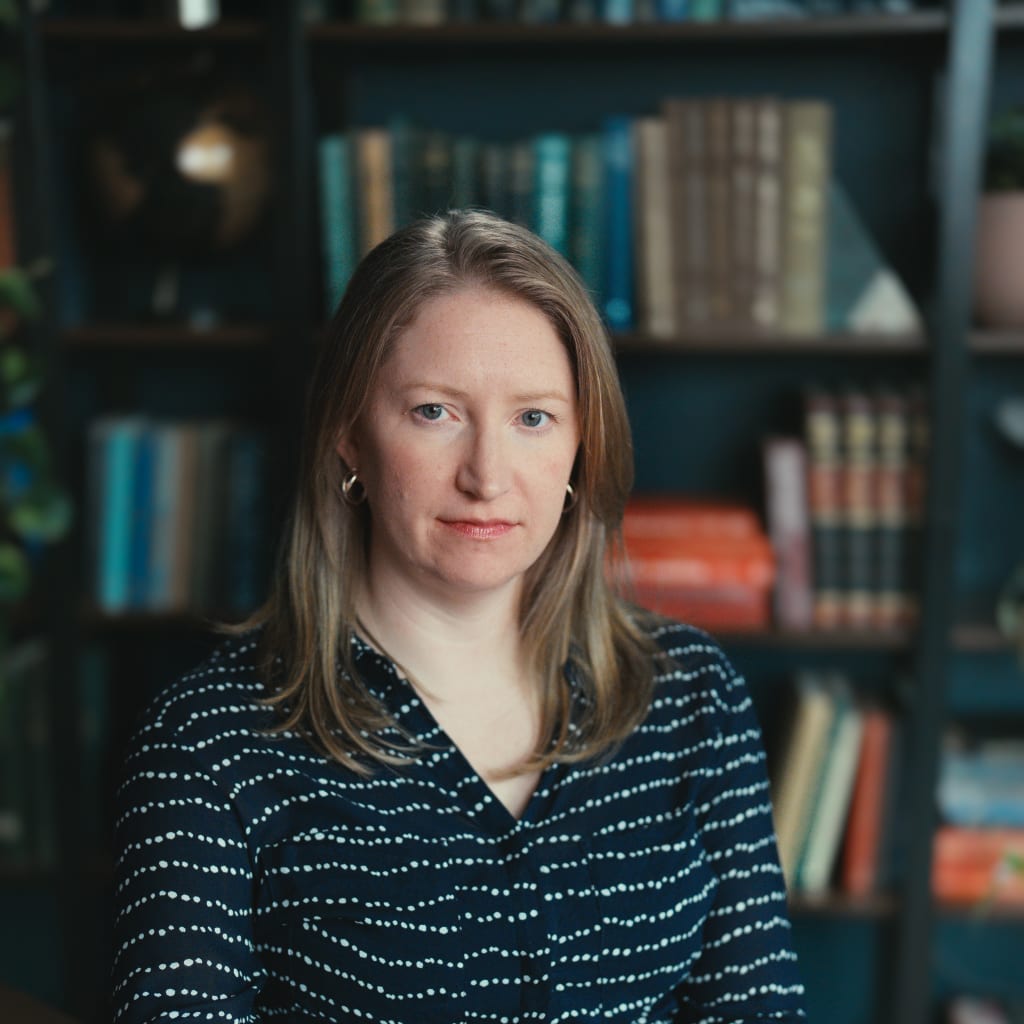 Erin D. DumbacherCFR ExpertStanton Nuclear Security Senior Fellow, Council on Foreign Relations
- Author; Coproducer, Atomic Echoes: Untold Stories From World War II
- Deputy Vice President, Communications, Nuclear Threat Initiative
- Novelist and Journalist; Coproducer, Atomic Echoes: Untold Stories From World War II
Presider
- Partner, K&L Gates LLP; General Counsel, Association of U.S. Cyber Forces; CFR Member
Introductory Remarks
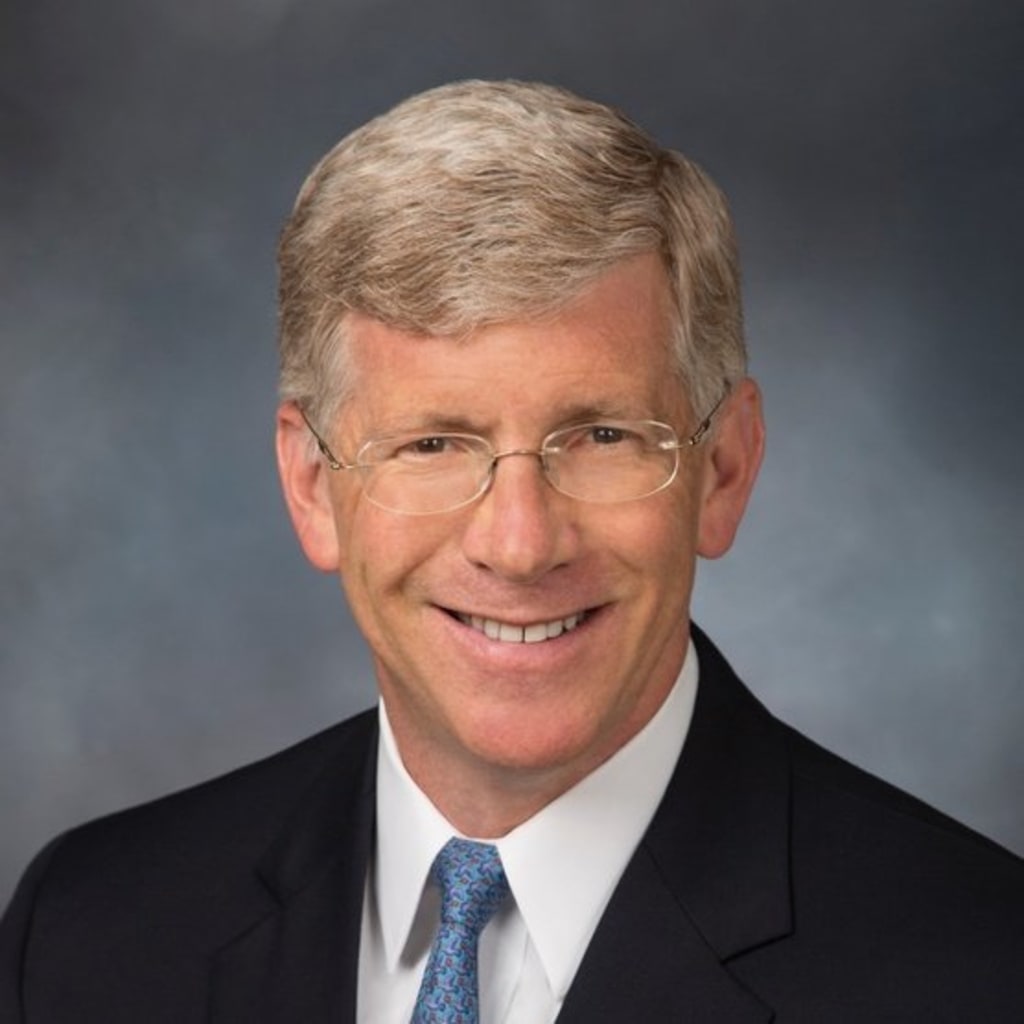 Senior Fellow, Council on Foreign Relations
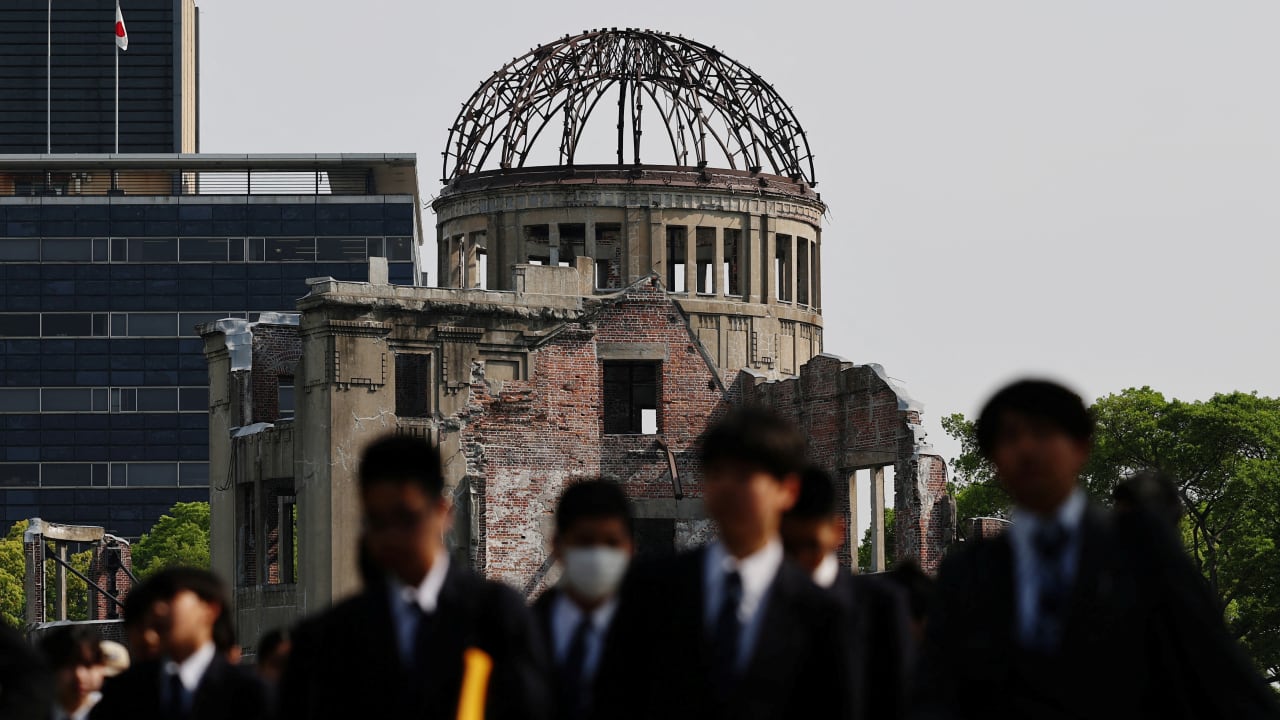
We invite you to a special screening of the documentary Atomic Echoes: Untold Stories From World War II, followed by a panel discussion on the lasting human, political, and global consequences of the atomic bombings on Hiroshima and Nagasaki.
The film follows two friends connected by family histories on opposite sides of World War II as they explore the lasting trauma of the bombings. Through the stories of Japanese hibakusha (survivors of the atomic bombings) who endure lifelong health complications and psychological scars, alongside American atomic veterans who witnessed the aftermath and continue to struggle with radiation-related illnesses and PTSD, Atomic Echoes offers an examination of memory, responsibility, and the lasting impact of nuclear warfare.
This program is made possible through the Daniel B. Poneman Meetings Program on Nuclear Energy, Climate, and National Security.
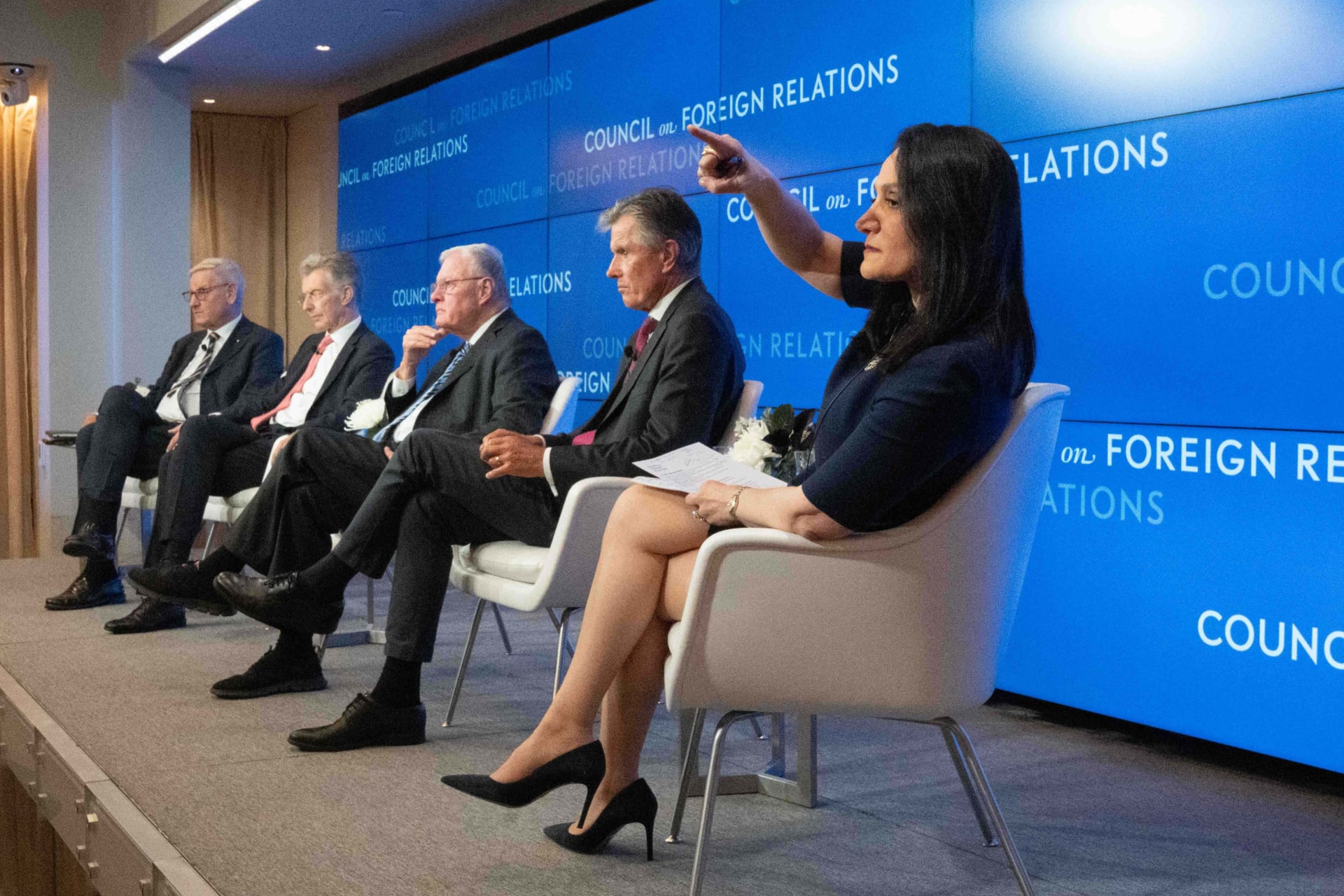
CHRISTENSEN: Welcome to I think what’s going to be a powerful and fascinating conversation with the producers, the creators of this very, very compelling documentary. So the way this works, I think most of you are regulars of the Council on Foreign Relations dinner series, but you know, we are going to have a conversation and then we’ll open up to the members.
But I want to welcome you all. Obviously, we’re having a discussion about this wonderful production of Atomic Echoes, the untold stories. And I—(background noise)—oh, getting a little bit of feedback there. The untold part, I think we’re going to—we’re going to touch on that.
So my name is Guillermo Christensen. I have been a member of the Council for many years. I was the CIA fellow at the Council in New York. I’m now a practicing lawyer at a law firm called K&L Gates.
I want to thank the Daniel Poneman Meetings Program on Nuclear Energy, Climate, and National Security for helping to put on this program.
So you have the bios for all of our panelists tonight, so I’m not going to go through the amazing backgrounds that they have. But I do want to in particular call out—obviously, you’ve seen them on the screen, so you’ll recognize them quite easily—Victoria and Karin. And we’re also joined by Elise Rowan, who’s in the—on the communications side of the Nuclear Threat Initiative, and perhaps you can say a few things about that when we start the conversation. And then Erin, who is here at the Council, senior fellow—the Stanton senior fellow on nuclear security, and also a term member I might add, which I think is one of the best programs that the Council has. For those of you who are term members, you know that already.
So I think perhaps one place to start—and I’ve seen the documentary twice, and I will say that I think I could probably watch it several times and see things that I didn’t pick up each time because it’s a very complex story. But one of the comments that is very striking to me is from one of the veterans—it’s not Archie, I think—who says, I’m not very enthusiastic about humanity. Which is—I think it’s a sentiment probably many people have for many reasons, but you end the story on an uplifting point. And one of the things that strikes me is in 1945 we have two atomic bombings. Obviously, we have the Trinity test before that. Then, in 1949, the Soviet Union joins the nuclear club and we go from a monopoly to really where the threat becomes. And now, more than eighty years later, we have a lot more—we have many more members of this nuclear club, but we’ve never had another use of an atomic bomb, which if we’re not enthusiastic about humanity, well, maybe we should be because we’ve been smart enough to avoid that. We haven’t been smart enough to avoid chemical weapons or biological weapons. And right now in Ukraine we’re doing all kinds of things with weapons that are equally terrifying in some ways. But I’m curious from your—Karin and Victoria, from your perspectives, when you end the production on this uplifting note, is it also a recognition that maybe we’re not quite as messed up—(laughter)—in this respect, or are you thinking that it’s the reminders that this could be so horrifying that keeps us from making this mistake?
TANABE: Yeah, that’s a very layered question, and I think it’s an important one. I think the reminders are very much there. I think the Japanese survivors, the hibakusha, have done incredible work. It’s an incredible sacrifice to just really commit their lives to telling their story, and telling their story, and telling their story all over the world, and it’s a very big ask that we make of them. And I think it has had impact, as you saw with the Nobel Prize.
I also do think—I’m a glass-half-full person and think we did learn a lot from what happened in Japan. I think, you know, so much of it was classified for years, but the John Hersey New Yorker article that came out after that, after the bombings, and then became a book, and then really got into the public psyche, I think these stories that we were—that we managed to tell despite so much of it being classified did make a big difference.
And I’m sure on a policy side there’s a lot that influenced that as well.
KELLY: Yeah. I mean, also, like, I think there’s a problem with people feeling so helpless, too, about this topic, because they’re, like, well, I’m not in the room, you know, and maybe some of you are in the room. I don’t know; hopefully. (Laughter.) But I think, like, in general in the world there’s, like, a very big feeling of helplessness, so we wanted to really combat that and give people maybe a sense of optimism with this film, because, why, if we were to end it on, like, you know, there’s no hope, like, then what’s the point of it all? And, obviously, that’s, like, something that Elise is working on that’s so important, is just changing the national mindset of, like, how we see our involvement in this topic and feeling like people have a lot more agency to make change. So that’s—I mean, that’s something I think we were, like, trying to do with the film too.
CHRISTENSEN: And I think if I remember correctly you have been friends since 2017.
TANABE: That’s correct. You remember correctly.
CHRISTENSEN: OK. At what point did this—the germ of this idea begin in your—you know, in your discussions to undertake this? Did you think that you were going to undertake such a production? And then, how many years did this take?
TANABE: Oh, years. Let me tell you, everything you saw except the very beginning, Archie, all of it was filmed in 2025. And then it was on PBS August 2025. So everything except the first scene was shot within six months—five months.
So, obviously, our idea was a little late. We have been friends since 2017. We were sort of, like, set up on a friend date by our mutual publisher. We’re both novelists. And I read Victoria’s bio, and it’s very impressive, and I was, like, she’s going to be super boring; I’m not going to like her—(laughter)—because she worked too hard in college, clearly. But then I did really like her. But most of our conversations were about books, you know, and about publishing, and the highs and lows. And then when Oppenheimer came out, the Hollywood film, we just organically had this conversation about it and I was like, you know, I really think they had an opportunity to show the aftermath of the mushroom cloud and they didn’t take it. And she was like, yeah, I agree; you know, my grandfather was there. And I was like, what are you talking about? And I never knew her family had been in Japan. I never knew. I didn’t know about American atomic veterans. I learned a lot more about the Japanese side of the war. My mom is from Belgium, so a first-generation American, I just didn’t know very much. And when we got to talking and felt very similarly about what Oppenheimer missed, we were like, perhaps we can do something about this.
But this was going to be an article and maybe a five-minute iPhone video, and then it kind of escalated quickly from there. As you can see, it’s better than our five-minute iPhone video. (Laughter.)
CHRISTENSEN: Absolutely. No, so your counterpart here thought you were going to be a boring person and you turned out not to be. (Laughter.)
TANABE: She’s not a boring person.
KELLY: I was a—I was a lot more of a mess than she thought.
TANABE: I’m sorry everyone who—(inaudible). I’m sure you all thought—
CHRISTENSEN: No, no. (Laughs.)
KELLY: And so I think that was helpful. She’s like, oh, you don’t have your life together, so. (Laughter.) And I was like, no. (Laughs.)
But, yeah, no, I mean, I think, like, my—yeah, I mean, my grandfather’s story is just very, very sad. I mean, he came home and he just, like, immediately became an alcoholic, and my mom’s entire memory of him is his alcoholism. And he died from it, and he just never was able to recover, ever. And it—my grandmother never forgave him. She never remarried. It’s just, like, a really sad story. And you know—and I think it’s just, like, there are a lot more victims to this bomb than people realize, and—you know, and then that kind of, you know, echoes through the generations too, you know? I mean, three kids in my mom’s family grew up without a father, you know, and there is just, like, a lot of bitterness toward, you know, the whole war and that whole experience.
So, yeah, I mean, I think it’s just a sad—obviously, he was the—he was the lucky one, you know? He, like, was not, you know—he wasn’t Japanese, but, like, I think that there are just so many stories that aren’t told about what happens when these weapons are used. And a big part of what we wanted to do was to be like, we were the country that used the bomb and we have so many people whose lives were absolutely destroyed by the bomb that nobody knows. And they’re still being destroyed every day—the survivors, I mean, the people involved in the testing. I mean, my God, like, we’ve met them. They’re—I mean, they—devastated by the effects of that. So, you know—and so there’s just, I think, a lot more to a bomb than, you know, just the day it goes off, really. So, yeah.
CHRISTENSEN: And I think when I mentioned, you know, coming back to the point about the untold stories, because I think the sort of stereotypical perception of the World War II veteran from the Pacific war and to some extent the European theater is they returned home, they went to work, the economic miracle that was after the war; they didn’t talk much about the war. And it’s only later on that we have all of these oral histories—you know, Stephen Ambrose books, et cetera—that begin to bring that story back in. But you really don’t hear that much about the GIs who were in Japan after the bombings and experienced it. That’s the part—and you mentioned this is classified as well. But what other stories that you did not get a chance to include in the documentary do you think, you know, made a deep impression on you from some of the other veterans?
TANABE: Yeah. I mean, talking about the homecoming, the American atomic veterans came home much later, so they didn’t come home to this celebration that a lot of the veterans came home to. They came home to pretty much nothing, no celebration, and then the jobs are taken, and then they couldn’t talk about it until the ’90s. It was classified till then. So they had a very different homecoming and probably carried a lot more trauma because they didn’t come home in a celebration—no ticker-tape parades, no ability to say a thing.
And Victoria’s grandfather is a perfect example of that. I mean, we talked about it. He couldn’t even take the subway when he got back to New York City because of the amount of trauma he had.
So what you saw of Michas was probably ten minutes in Minnesota, but we talked to him for six hours. And it was such a difficult conversation, if we could have just made a film all about what he said we could have a sequel. I think—I think these people who are very close to the Japanese teams—like, he worked with the doctors—I wish we could have told more of that story.
And then the veteran you see at the very end, Larry in South Carolina, PBS limits you to fifty-six minutes and we couldn’t—like, very specifically, fifty-six minutes. We couldn’t include too much of his story, but he told us so much about, like, what the day to day was like for those soldiers, that they were just like, oh, you can’t drink the water, but then they would just be in the river, and then they’d shower in it, and then these Geiger counters that would just go off without stop. So just learning about how much radiation they were exposed to.
And then, of course, the American atomic testing veterans is a whole different story we would have loved to dive into but just couldn’t.
CHRISTENSEN: Yeah.
So, Erin and Elise, from your perspective, obviously, the human story, the human narrative is very powerful. And I think we already alluded to the fact that talking about statistics and numbers and things like that just doesn’t tell the story. With your communications background and all of your background in nuclear security, what is your impression of the kind of message that this documentary can deliver? And a little twist on that—Karin and I were talking about this—how do you think this plays in, say, the Midwest or—and I know you’ve already shown it in Texas, but in places where the feelings about the conflict with Japan are still more rooted in, you know, the thinking of what happened before the war, before the bombings, which obviously is a huge part of the story that you don’t have to get into in this documentary? But curious about your thoughts about the first—sort of the first-person narrative as an impactful way to tell this.
ROWAN: Yeah. Well, actually, I am from the Midwest, so I—
CHRISTENSEN: There we go. (Laughter.)
ROWAN: We have a firsthand account here.
You know, humans are hardwired to respond to storytelling, and I think stories like this—I think anyone who watches something like this you can put yourself in the shoes of these people. I think it taps into our empathy. They’re essential. And I think especially as the atomic veterans—we lose atomic veterans, we lose hibakusha, remembering—and I think this goes back to are we optimistic about humanity with these weapons being used again or not—it’s up to us to pass these stories down so people remember what happened.
And you know, I think people of all different backgrounds, you know, when you see a child—those scenes when you see those children suffering over time, it gets me. You know, I think of my own children. I think of, you know, these young people who were not involved in starting the conflict or being part of the conflict.
And another survivor story that I—that I love, this is a quote from another Nobel laureate, Setsuko Thurlow, who in 2017 in her Nobel speech she said, “Every second of every day everyone we love and everything we love is endangered by nuclear weapons.” And just a reminder of, you know, stories like this, even I loved knowing—I didn’t know that you first started talking about this, I don’t think, because of Oppenheimer, which is exactly, you know, the point. Stories, movies, they get us talking about the issues, and that’s what my work at NTI is about through storytelling, and making sure that people experience and can see the horrors of these weapons through stories that they can relate to and talk about. That’s really important.
CHRISTENSEN: So, Elise, there used to be something called the Doomsday Clock.
ROWAN: And there still is.
TANABE: Still is.
CHRISTENSEN: There still is?
TANABE: Oh yeah.
ROWAN: Yes.
CHRISTENSEN: OK.
TANABE: Not in a good place.
CHRISTENSEN: Do we know where the hands are?
TANABE: Yes. The—
ROWAN: Eighty-five.
CHRISTENSEN: Eighty-five, OK.
ROWAN: Eighty-five seconds to midnight, the closest we’ve ever been, yes.
CHRISTENSEN: The closest, OK. That’s not very encouraging, is it? (Laughter.)
DUMBACHER: It’s not.
CHRISTENSEN: What’s your take on where we are in this moment, tracing back to 1945 the threat of nuclear weapons, the threat of nuclear war, in a day and age when, frankly, most of the newspapers are about the threat from AI, right, the existential threat from AI, or energy security, or the like?
DUMBACHER: Yeah. I think Dan introduced this in a really thoughtful way. He gave you some statistics, because for those of us who are not natural storytellers and who are honored to sit amongst them I kind of see our job—perhaps some policy folks in the room or veterans can empathize with this, but I see our job as trying to pick up the ball, and run with it, and figure out what to do with these stories and how we can all move forward.
And so I do agree. I think we are in a world now where some of the foundational building blocks from a policy perspective that the U.S. led with and built in the post-World War II era are crumbling, faltering, have some cracks—like, pick your analogy. This is where I need you all to write it for me. (Laughter.) I really feel like for some period of time—most of my lifetime, let’s say—we were focused on whether or not North Korea would build their own nuclear stockpile and weaponize it. We were focused on Iran. We were focused on proliferation risks sort of beyond the nine, the countries that do have weapons. And I think today we need to be thinking about the core. We need to be thinking about the core of the nonproliferation regime, if countries that are allied with the United States don’t feel like our nuclear umbrella is protective enough and feel they need to move out and build their own stockpiles and weapons. We need to be thinking about what it means that we don’t have guardrails or limits on the world’s largest nuclear stockpiles in the United States and Russia because we can’t come back to the table or we don’t have a sort of follow-on plan from the New START treaty, which just expired last week. What day is it? Ten days ago. So I think we’re now in a place where we’ve got to go a little bit back to basics from a policy perspective.
And that offers us opportunities, I’ll say; you know, glass half-full. Like, I think there’s a lot of policies and practices in the United States, certainly, that were put in place in a very Cold War sort of mutually assured destruction environment. My favorite to talk about is the fact that we in the United States—you mentioned a room where the decisions are made. There could be a room, but there’s only one person who matters. Only the United States president makes the decision about whether or not we launch a nuclear weapon, by law. And the reason for that was at the time that we set up the structure—a couple reasons. One, Truman and others were concerned that a rogue commander might run off and do something that they’re not supposed to do. So we centralized the power.
But then also we set up—we have, you know, the need for—the need for assured second strike capabilities. And so we made sure that within a very short period of time—it wouldn’t take much time for one person to make the ultimate decision, and we delegated that as a nation, as a citizenry, to the United States president. I don’t know how many Americans think about that when they’re putting their vote in the ballot box, digital or otherwise, because I think fundamentally we make a choice when we vote about, you know, whether or not that person will make the right decision on our behalf on the very worst day.
CHRISTENSEN: Yeah. That’s a very sobering thought. We’re going to—I’m going to get out of the way here in a minute and let you have the opportunity to ask questions. But I’m going to tee up one more question, and then please be ready. You all know the drill. Please identify yourselves, your affiliation, and ask a question. A tiny little comment before the question is appropriate, but nothing too long because we don’t have that much time. But the final question I wanted to ask Karin and Victoria is, you obviously have a lot more material. Is there a director’s cut, a second version that we might benefit from? (Laughter.)
TANABE: Yeah, there’s a lot of footage of me screaming that we have no time to make the movie, and no money. (Laughter.) But Victoria was very good at calming me down. We have talked about it a lot. We don’t have a lot of people knocking on our doors for the director’s cut right now. But we are interested in making a film about American atomic veterans for testing. So we were just in Las Vegas with Congresswoman Dina Titus, who did a screening out there. And she’s working on the PRESUME Act, which is getting veterans—presuming that their cancers or PTSD come from nuclear testing exposure. So that’s a whole different side of the story that we’re very interested in. And then hopefully screening it in Japan. We’re aiming for next summer. We were just a little too tight to do it this year, but there’s more—we had to hit the eightieth anniversary for PBS in the U.S., but in Japan we’d like perhaps for the eighty-first.
CHRISTENSEN: All right. Your turn now. We’ll have mics, so please put up your hand. Please, here at the front.
Q: All right. I don’t think—thank you. My name is Amie Hoeber and I’m a consultant on national security issues.
I’d like to challenge your premise that atomic weapons, nuclear weapons, have never been used since the explosions. I think they’re used every day, diplomatically, politically, for deterrence. Does that change any of the prism through which we look at any of this material?
CHRISTENSEN: And my opinion does not matter here. The opinion of these four brilliant women does, so I invite them to.
DUMBACHER: I think it’s all a matter of how you look at it, right? And I think that in the United States we have multiple prisms by which we get to evaluate some of our major policy decisions. Absolutely, I think any structural change I think has to be cooperative, on some level, if we want to reduce the total number of weapons in the world. I think that’s the reality. The United States has a—has a core practice of strategic deterrence. But what does that look like? How risky is it? Are our systems cybersecure? Do we modernize in exactly the same way that we did in the past? Right now, we have a program of record, many of you might know, we are building a brand new triad. We’re modernizing the entire triad. That’s going to be 400 new ICBMs.
I should mention here too that the kilotonnage, of course, that was actually dropped in Japan was fifteen in one city and twenty-one in the other. And each of our average weapons now are over—on an ICBM, let’s say, it’s over 300 kilotons, one single weapon. So there are matters of degree that I think we can—we can reasonably sort of open the door to debate on. And I personally don’t think, from a U.S. defense perspective, that it makes a lot of sense for us to move forward with any notable changes to a deterrent posture if China is growing in their total number of weapons, and Russia has the exact same as ours all on prompt launch. But that doesn’t mean that there’s not some policy changes that could be very, very safe and secure for us to be thinking about.
CHRISTENSEN: Middle table, please.
Q: Hi. I’m Roya Hakakian. And I’m a fellow at the Moynihan Center at City University of New York.
I’ve been thinking about the issue of the Japanese culture, and the very thing that you referred in the film to as somewhat miraculous, something that’s inexplicable, which is, how did this nation manage to forgive us? And more than that, become one of our closest allies? I ask this because we’re living at a moment when the United States is possibly about to start a war with Iran. And for something that the United States supposedly did through the CIA, you know, nearly ten years—or, less than ten years after what happened in Japan we have yet to be forgiven for the coup of 1953. And it was a much, much, much smaller thing. So what is it, in your view, having spent so much time, that makes the Japanese people, the Japanese culture, capable of this sort of forgiveness?
TANABE: Yeah. Well, I can talk about it on a personal level. I had never really talked to my dad about American occupation. He was born in 1943. And he went to an American Jesuit school in the Oklahoma. And I was like, what are your memories of occupation? Like, why did you go to an American school? And he was, like, well, they had the food. So my mom sent me to American school where they had food. And I was, like, well, what are your memories of occupation? And he was, like, honestly, joy, because it was such a devastated country. You know, a lot of the especially rural areas or other areas were really facing famine. And they had just been fighting this war for so long, I think they were just incredibly ready for something else.
And, I mean, this is just my family’s perspective, but both of my grandparents went to work for the Americans afterwards because they needed jobs. And it wasn’t anything but we need money, we need food, we need survival. And then my dad has these very vivid memories of American rock and roll and they’re very positive. And I think a lot of it is they were sick and tired of war, like Archie says in the film. And coming in with food, with medicine, with music, with education, turned the tides pretty quickly. Because they didn’t have a choice about American occupation. Like, it was happening. And they had all these things they hadn’t seen in, what, six years. So I personally think that was a big part of it. I don’t know from a policy perspective. I’m sure there’s many other things that you all can talk about, but that was my family’s reaction to it.
CHRISTENSEN: Victoria, I know that you were not able to engage with your grandfather on his views, but do you have any sense for how he viewed the Japanese after the war? I mean, the war had been fought with a ferocity that was incredible, right?
KELLY: Yeah, it’s interesting. I mentioned it in the film, but when he died our house—the house had just been put up for sale because they were about to lose the house, and his family had no money, and basically he had gambled a lot of it away. And then he died, and the debts were in his name, so my grandma kept the house. But I find it really interesting, those flags actually sold for a lot of money in the years after the war. They were very valuable. And he never sold it. And I find that really interesting. And I don’t know why he never sold it. And, I mean, it could be a matter of—I know now, I’m pretty sure, that he got it during the occupation. They would go house to house searching for weapons. And I’m sure that he found it in a house. And we know that the family did not—was about to go into the military, and then the war ended, so the guy whose flag it was didn’t go in. So I’m sure he found in a house searching for weapons. But, like, why didn’t he sell it? I don’t know. Was it guilt? Was it—I don’t really know.
I do—like, actually, one of my, like, military friends made a comment to me. And he was—like, he had fought in Afghanistan. He was like, you know, like, I real problem with you, like, saying your grandfather, like, would be happy the flag was returned. He’s, like, because if my daughter one day, like, returned something I took from, like, the Taliban, I’d be, like, really pissed in my grave. (Laughter.) And, like—and I was, like, that’s a really interesting point. And you’re probably right that he would be pissed. But I think that it was, like, a totally different war. I think it was—each side was told things about the other side that they then found out were not true. About, like, the Japanese culture, about the American culture.
The Japanese were told that the Americans were going to come in and torture them and rape them. And lots of them committed suicide. Then the Americans came in and they were like, oh, they’re, like, not doing those things, but our emperor told us they were going to. And so it was, like, a very different kind of mentality of, like, these people just, like, literally forced into war. And I just think the way we fight war today is, like, so different. And so, yeah. I mean, I just think that—I do think he would—I do think he would have wanted the flag to be returned. I do think that, like, the peace that we found is, like, a goal—you know, like a world goal, you know, that maybe we could find one day. But, yeah, I don’t know. He kept that flag. And they had nothing else, and that somehow it was still around. So I don’t really know why.
DUMBACHER: I’ll just mention that I think you mentioned sort of history being retold in a new way. I think in recent years historians have taken fresh eyes and gathered more original sources and more oral histories. And so for those of you all who are here and interested in learning more there’s some really phenomenal new books out by historians who will help shift the story a bit from what some of the initial narratives were like in the United States in the ’40s and ’50s. And I might not read them right before bed. (Laughter.) But they’re worthwhile.
CHRISTENSEN: All the way in the back, please.
Q: I’m Jason El Koubi. I’m the head of economic development for Virginia.
First, to Karen and Victoria, thank you for this extraordinary film. Powerful story. Extremely vivid, about the horror of what nuclear war is in the moment, but also its echoes many generations later. For the nuclear experts, I recognize this might require a little bit of, you know, assumption. What would nuclear war look like today, if it were waged? Are the weapons the same? Are the weapons dramatically different? What would that look like, as we consider this warning?
DUMBACHER: Oof. (Laughs.) So we have more weapons—yes. I’m sorry to interrupt you.
We have more weapons and there are—and they are larger, and potentially more destructive, much more quicker—faster we could strike if the United States president determined it should be so. The United States president could strike on Moscow or one of the Russian nuclear sites within roughly thirty to thirty-five minutes. So it’s much more dangerous.
I think the—there’s a couple of pathways that most people are most worried—are worried about. So there’s sort of the Cold War era, they’re going to launch at us so we need to make sure we have secure second strike to launch at them. And that led to, as Dan said, many, many more weapons than even what we have on the planet today. I think a possibly more likely path in the current environment is what we talk about as miscalculation risk, or inadvertent escalation, or inadvertent nuclear war. Which I think a lot about in my own research looking at crises that could escalate very quickly because of some sort of misunderstanding.
So let’s say one of the U.S. early warning satellites goes down, or we lose the feed. Maybe it’s being jammed, maybe it’s being rendered inoperable by something the Russians or the Chinese have in space, or maybe we just lost connectivity. But what do we do with that information? How does that get filtered through the various processes? And then the decision makers are in a pickle to try to decide exactly what to do, to put it lightly. So I think inadvertent is often what’s sort of most discussed. And, of course, that has come up in the context of Russia’s assault on Ukraine. Russia has been quite liberal in their use of nuclear threats, or nuclear mentions, or reminders to the West that they have a very large stockpile.
My optimism in this is that it does seem like even though we are in a New START—a post-New START era, where we don’t have any guardrails on the total quantities in the United States and Russia, it does seem like there is a possibility of continued negotiations. And, for example, the New START treaty, it wasn’t just the limits. It also had some aspects within it that were meant to sort of build other transparency and stability. For example, an agreement to not interfere with one another’s national technical means. Which is a wonky way of saying spy satellites and all those early warning systems that we rely on to make sure no one is striking us. So that went away with the treaty too, but if we could find a way to keep things like that, even if we continue to make some political commitments without verification measures in a legally binding way, I think that would be beneficial.
ROWAN: I just want to quickly weigh in and just say, one thing that my colleagues and I talk about is that a nuclear weapon used anywhere would have repercussions across the world. And, you know, there’s some—like, whether that’s rule of law, supply chain, you know, just the ways that it would change life now, and the way that we live, and the interconnectedness of the world. But even—and this is a good segue into Dan Poneman’s connection of nuclear energy, climate, and national security. You know, there’s studies that show that even a limited nuclear exchange, say, between India and Pakistan, of, you know, like, a small amount of bombs, could cause soot in the atmosphere that would darken the sun and destroy crops and agricultural output for—and put billions at risk through famine. So, I mean, the thing—the idea that it happens over there and it doesn’t affect me, like, just does not exist. And, you know, it would—it would be really, really bad.
CHRISTENSEN: All the way in the back, please.
Q: Hi. Thank you. The name is Mercedes Fitchett.
I have the honor of having my father here, Delbert Fitchett. And there are two stories that he would share with us growing up. And I’m going to pass the microphone to him. One is about actually watching the atomic test with his younger brother when they were living in California, the testing in Nevada. And then going to the concept of kindness and reconciliation. My grandfather, who would—who was a truck driver for the Coca-Cola into the Japanese incarceration camps. So over to dad.
Q: She already told the story. (Laughter.) They used to have the tests over in freshman flats in the 1940s. And they’d always announce the tests, the A-bomb tests. And so we could get up at 3:30 in the morning and go out in the San Joaquin Valley and watch. The Sierra Nevadas, the mountain chain, all silhouetted by the atomic blast going off over in Frenchman Flats.
Now, the story about the—my dad was a Coca-Cola driver during the war, the early part of the war. And he used to deliver the Coca-Cola out to the internment camps that the Japanese, the Nisei, were living in when the war started, because they were all grouped together. You remember, putting, excuse the expression, concentration camps, and then after that they were sent off to the middle of this—the middle of the country. I was living in California, the San Joaquin Valley. But my dad got along quite well with them. They always gave him little gifts, like handmade kites that they made. And, of course, we have a large Nisei history in California. But thank you.
CHRISTENSEN: Well, may I just say, Dad, you might have a staring roll perhaps in—(laughter)—you’ll have to cards.
TANABE: We’ll have to talk. We’ll have to talk afterwards.
CHRISTENSEN: So one—we’ll go with one last question here at the front because, of course, the Council has the ironclad rules of time, unless it’s a very short question and we have a short answer then maybe we can get one more. Oh, please grab the mic.
Q: Yes. I’ll be quite short. David Aaron.
Jonathan Schell wrote a wonderful book called The Fate of the Earth, in which he described the consequences of a nuclear exchange, this is back in the 1980s, between the United States the Soviet Union. And he said America would become a republic of insects and grass.
CHRISTENSEN: Hmm. All right. So we’ll take one more question. And let’s make it a positive ending. (Laughter.) The pressure is on.
Q: Thank you. I’ll make this as short as I can. My name is Alex Thew. I serve in the U.S. Army. I’m a nuclear officer. So my professional career is the full spectrum of nuclear military enterprise activity.
What I wanted to ask was that—I first wanted to say thank you for this important work. I’ve taken my fair share of nuclear weapons effects courses over my career, but I’ve never had the human aspect of the atomic bombs and how they affect humanity, for lack of a better phrase here.
But anybody that studies deterrence—Erin would know this—understands how paradoxical a lot of the strategy becomes when you incorporate nuclear weapons into military strategy. So my question for you is, in your documentary a lot of the shared humanity and the shared human experience that you’re documenting with Koko and some of the other characters is only a result of the wake of an atomic bomb. So how do you think that we can achieve shared humanity in the absence of the use of these weapons?
TANABE: Well—(laughter)—that is a very good question. Thank you very much for your service. And we’d love to talk to you for also our sequel film. (Laughter.)
I think—you know, it’s funny because we did mostly talk to survivors on both sides. But when Victoria and I were going to talk to them we were like, oh, my family fought on the other side of the war, and now I’m talking to this person. And I was, like, just say he was a medic. I’m, like, just continuously repeat the word “medic.” And we were both just very nervous about it. You know, I was nervous talking to Archie, our first interview. Victoria was nervous going to the museum in Nagasaki. She had her album out like this. I was, like, say trauma. Also say Harvard. I was like, say “Harvard,” “trauma,” and “medic.” And they were just so welcoming, particularly Nagasaki. Just so welcoming to us. And we really made lifelong friends there. I think—I say it in the film, I don’t think we were in the room at the time when it happened, but what’s the—Archie’s line? Every—or, Archie’s line?
KELLY: Oh, person is a stranger you haven’t met yet.
TANABE: Yeah, every person is this is a friend you haven’t met yet.
KELLY: Every stranger is a friend you haven’t met yet.
TANABE: Every stranger is a friend you haven’t met yet.
KELLY: That was it.
TANABE: And I think that there’s just so much truth to that. Is talk to people who live differently than you and experience things that are outside of your, you know, everyday, and just think outside of your bubble. You know, Washington, it’s tough. We are very much a bubble. But experience things, see things, meet people that are different than you. And I think that’s how we do it. So that’s a hopeful note.
CHRISTENSEN: Very. Well, thank you all very much. Please join me in a round of applause to our panel. (Applause.)
(END)
This is an uncorrected transcript.