Cuts to Early Warning Systems Are Leaving the U.S. Unprepared for Summer Floods
The extreme costs and death toll of recent floodings across Texas, New Mexico, and the Northeast have put into question the future of the United States’ emergency preparedness amid major budget and staffing cuts to critical risk-reduction agencies and programs.
By experts and staff
- Published
 Alice C. HillCFR ExpertDavid M. Rubenstein Senior Fellow for Energy and the Environment
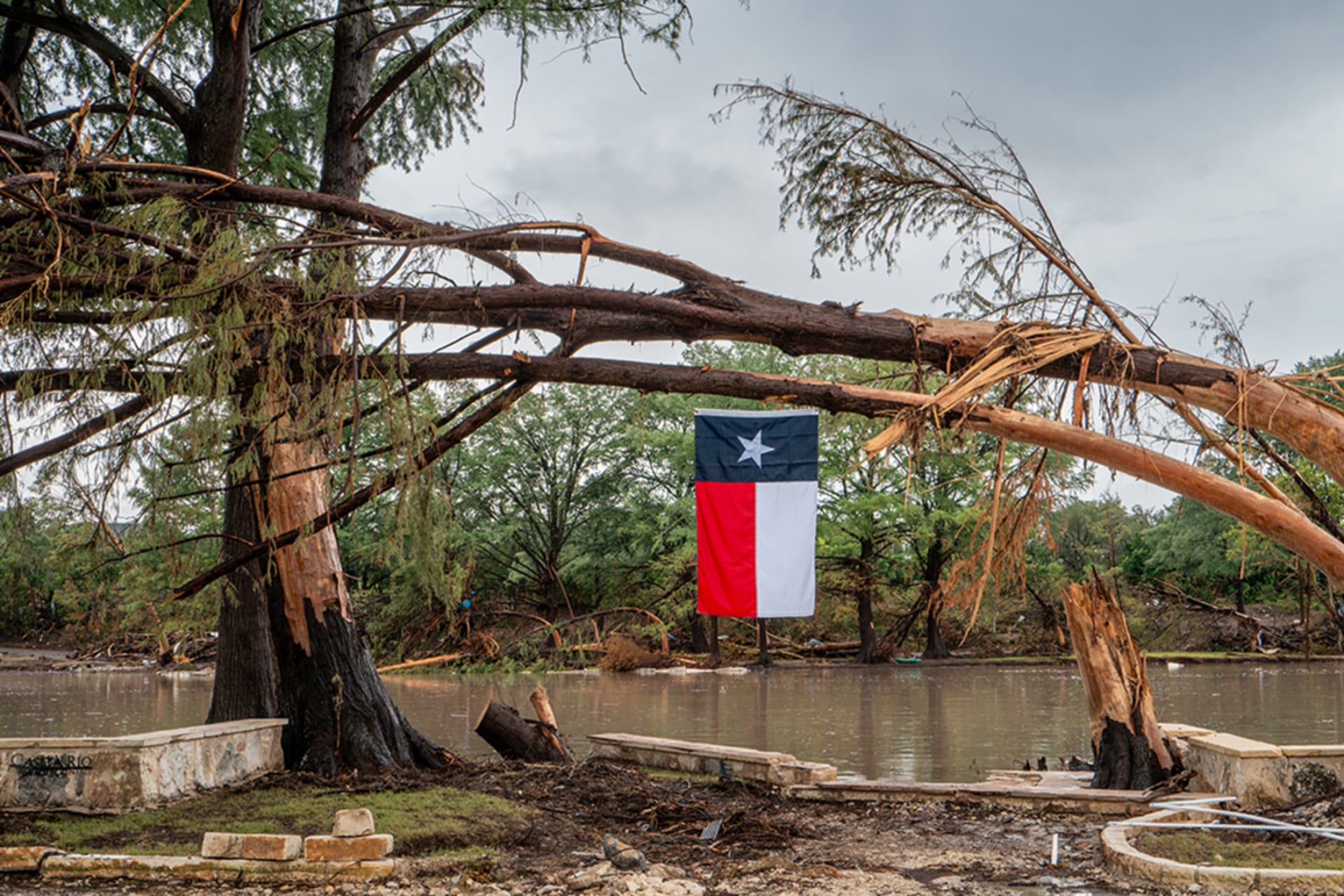
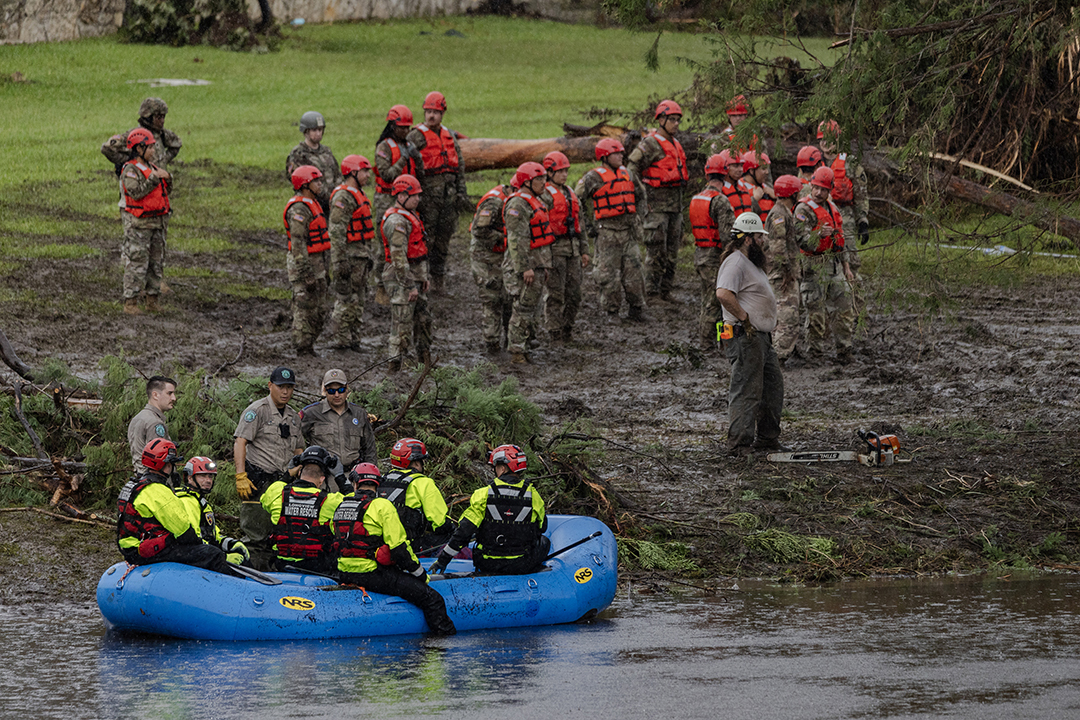
Flash floods in Texas Hill Country killed at least 130 people earlier this month, while New Mexico, New York, and New Jersey experienced flooded transit systems, blocked roads, and even swept away homes in the past several weeks.
The United States has seen intense rainfalls this summer—at least four that are thought to have a roughly 0.1 percent chance of happening in a given year. As temperatures rise, the atmosphere can hold more water vapor: for every 1°F of warming, the air can hold 4 percent more moisture. This added moisture can make rain fall heavier and faster, leading to increased flooding.
Partially to blame for the vast devastation and damages across the country is the lack of effective warning systems, despite efforts from state officials to seek state funding to bolster preparedness. Early warning systems save lives, livelihoods, and property during and after disasters by allowing people to seek shelter and take action to protect property. That may mean evacuation or sheltering in place, boarding up windows, moving animals and vehicles to higher ground, or protecting critical infrastructure like the electric grid. However, the Trump administration’s cuts to the necessary agencies that assess the risk of emergencies, develop weather forecasts to inform early warning systems, and provide disaster relief threaten the safety of Americans in the face of increasingly extreme weather events.
How do early warning systems work?
Early warning systems alert people to imminent threats in their immediate area. Typically issued by government agencies, an early warning gives individuals, communities, and organizations time—anywhere from minutes in the case of an earthquake to days in the case of a hurricane—to reduce risk of harm before disaster strikes.
The first step is identifying the risks posed to a particular region or sector. Historical disaster data can provide insights as to how future hazards may unfold. However, climate change is rapidly altering the intensity and/or frequency of certain hazards—including wildfires, extreme rainfall, storms, and drought. That means that the worst flood that happened in the past may no longer be a good guide for estimating the scale of flooding in the future.
Once authorities identify potential risks, experts monitor those risks by analyzing data for signs of changing conditions and to detect imminent threats. Data sources include rain and wind gauges, seismic sensors, buoys, and satellite observations. Artificial intelligence (AI) has also been increasingly assisting in the data analysis process.
If a threat emerges, authorities will issue a forecast—often accompanied by warnings— indicating the expected impact of the hazard. The goal is to ensure that the warning reaches “the last mile,” namely in time for those who can use the information to take protective action. Dissemination can involve a wide range of channels, including text messages, sirens, radio, television, social media, door-to-door visits, and community networks.
How can early warning systems reduce disaster harm?
Early warning systems can reduce the death toll of extreme weather events. Consider Bangladesh: Ever since Cyclone Bhola killed close to a half a million people in 1970, the people in Bangladesh have built an extensive cyclone early warning system, even in the absence of deep financial resources. It uses multiple channels of communication, including loudspeakers mounted on boats, bicycles, and in religious centers. Tens of thousands of volunteers receive training on how to deliver cyclone warnings house-to-house. The results speak for themselves: In 2020, there were only about thirty deaths during Cyclone Amphan. With early warning, people living in vulnerable coastal areas had adequate time to evacuate.
As part of disaster planning, communities, governments, businesses, and other organizations should have in place plans to act on early warnings. Evacuation routes and emergency shelters should be identified in advance. Training and public awareness efforts to inform people how to respond to a warning can save lives. For example, during the 2011 Great East Japan Earthquake and Tsunami, survival rates in one school district where children had received tsunami evacuation training were as high as 99.8 percent. Today, Japanese schools conduct tsunami evacuation drills multiple times a year, often using actual warning sirens, and have students practice evacuation routes to pre-determined safe areas.
How can early warning systems help with climate adaptation and resiliency?
With climate change bringing greater weather extremes, establishing early warning systems is low-hanging fruit for adaptation. The Global Commission on Adaptation has found that just twenty-four hours of advance warning can reduce damage by 30 percent. It estimates that an $800 million investment in multi-hazard warning systems in developing countries would prevent annual losses of up to $16 billion. In 2022, the United Nations and the World Meteorological Organization launched the Early Warnings for All Initiative with the goal of building early warning systems for environmental hazards worldwide by 2027. According to the UN Environment Program, only about 50 percent of countries report having the capability to warn their citizens of hazardous weather conditions in advance. Coverage is even more sparse in less developed nations and small island developing states.
What has been the Trump administration’s policies around emergency preparedness?
The Trump administration has taken steps that will curtail national emergency preparedness and reduce the ability and capacity of the United States to effectively respond to natural disasters. This includes halting research and publications on disaster risks and funding cuts to major disaster prevention programs.
Reducing access to climate change information. The White House has stopped work on the congressionally mandated National Climate Assessment, which is the nation’s premier climate risk assessment. That report, prepared about every four years, provides authoritative public information about the risks, including increased flooding and heat, posed by climate change to geographic regions, public health, and critical infrastructure, among other things.
The administration has also stopped publishing information about weather-related disasters that have cost more than $1 billion in damages. Economists, insurance companies, and policymakers have long used that information—which the federal government had tracked since 1980—to understand the level of damage suffered by the United States. It provided impartial evidence of extreme weather trends that could inform decisions about infrastructure investments, disaster preparedness, and future land use and building practices.
Slashing investments to risk-reduction programs. The U.S. Chamber of Commerce estimates that every dollar invested in pre-disaster preparedness and resilience saves communities $13 in damages, clean-up costs, and other economic losses. In April 2025, the Trump administration terminated the Building Resilient Infrastructure and Communities program (BRIC), the nation’s primary risk reduction program. It stated that it will rescind about $880 million in yet-to-be-spent funding for resilience projects. Ironically, BRIC came into being during Trump’s first term, providing stable funding sources for communities to support disaster risk reduction. The program proved wildly successful with states.
The Trump administration has also scaled back the Hazard Mitigation and Grant Program, which has provided funding to protect people from disasters since 1989. Funding from these programs went to elevating flood-proof homes, fortifying medical facilities and power plants, building tornado-safe rooms, and making homes less likely to ignite in a wildfire, among other projects. The administration has also ended a grant program authorized by the 2022 Inflation Reduction Act that funded projects to protect vulnerable residents from climate-worsened extremes such as heat and flooding.
How might Trump’s policies affect the United States’ ability to respond to disasters in the future?
Ultimately, the Trump administration wants to shift responsibility for disaster response and recovery from the federal government to the states. Doing so with little or no warning to states leaves communities without sufficient time or money to prepare for increased responsibilities. For example, the Federal Emergency Management Administration (FEMA) has long offered extensive training to state and local emergency managers and first responders. But the Trump administration has significantly reduced in-person training, including hurricane preparedness workshops and National Fire Academy classes. Although it substituted some online courses, emergency management experts have opined that they are less effective for the training and relationship-building essential to emergency response. Similarly, FEMA helps fund emergency management efforts in states. The federal government supplies more than 90 percent of Wyoming’s emergency management budget and 82 percent of North Carolina’s, mostly through FEMA grants.
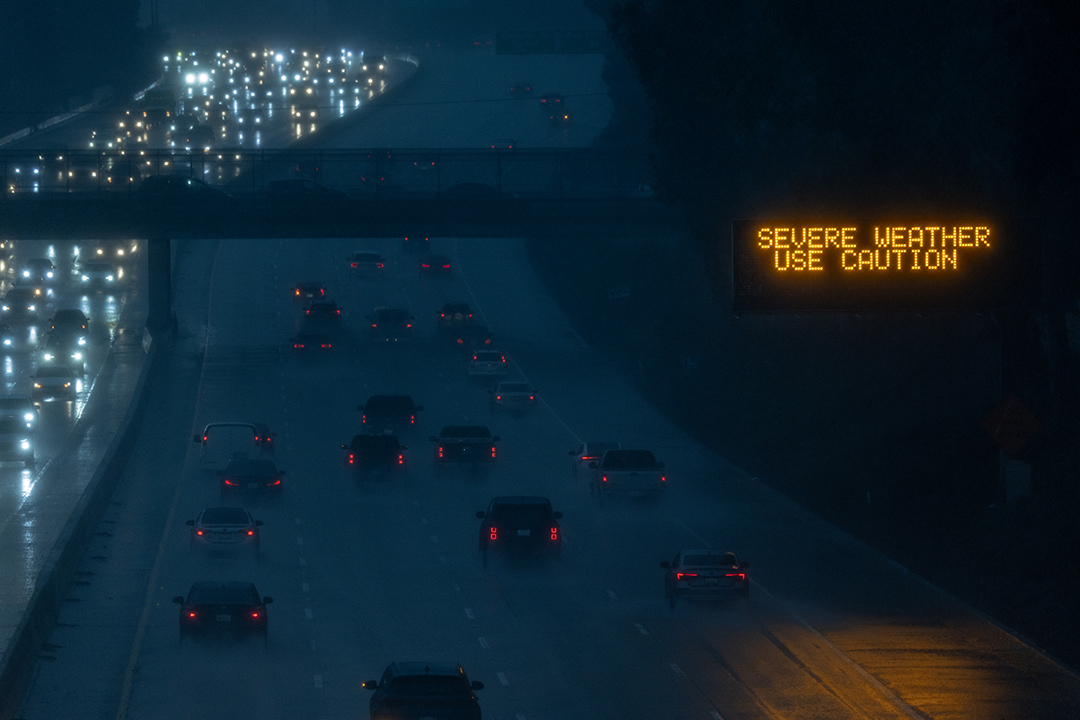
The administration has also cut staff at the National Oceanic and Atmospheric Administration (NOAA), including meteorologists and technical staff. This leaves fewer trained personnel to refine and improve weather forecasts. NOAA enjoys global recognition as a top-tier meteorological service. It collects data from a wide variety of sources to develop weather forecasts, which inform business decisions regarding everything from shipping routes to supply chains. Its information also serves as the foundation for early warning. But without adequate staffing, the national weather service may suffer gaps in its ability to generate and disseminate severe weather forecasts and alerts.
The Trump administration has proposed closing ten NOAA laboratories that conduct research on how climate change affects things like water availability and alters weather patterns. It also plans to reduce data collection on hurricanes and floods—events worsened by climate change. These closings would dismantle the agency’s scientific research division, further slowing the advancement of improvements to weather forecasting.
Harm will come from these cuts. People may well die as a result. Investments in pre-disaster risk reduction are among the most cost-effective steps communities, businesses, and individuals can take to reduce harm from climate-worsened extremes. Early warning is fundamental to reducing disaster damage.