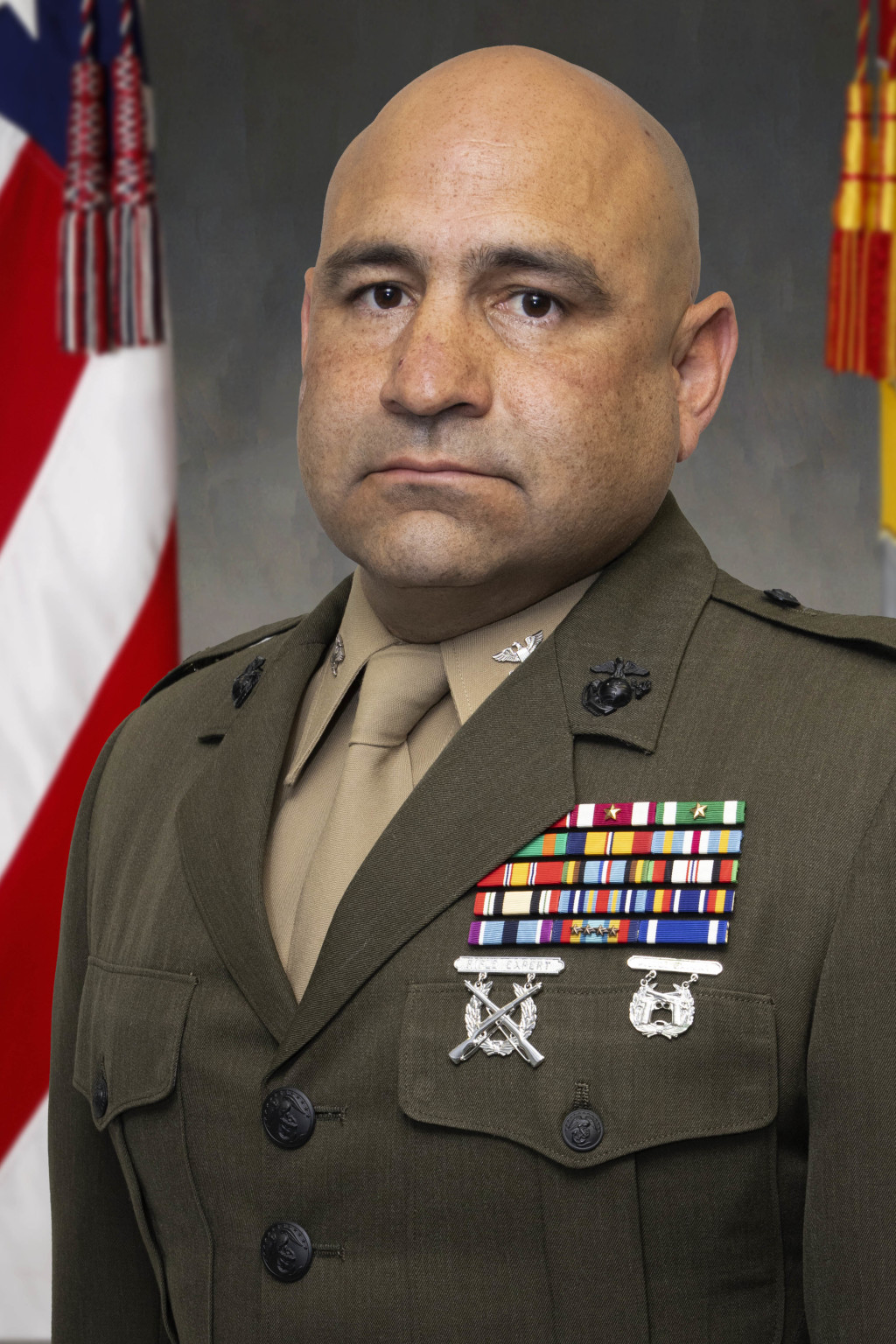
Colonel Zeb B. Beasley II, U.S. Marine Corps, is a military fellow at the Council on Foreign Relations, drawing on a distinguished twenty-five-year military career marked by exceptional leadership and expertise in operational art and national strategy. He consistently excelled in command at every level, from captain to colonel, culminating in his command of the Marine Corps’ Chemical Biological Radiological Incident Response Force. His vast experience includes supporting peacekeeping operations in Haiti and Asia; combat operations in Iraq, Afghanistan, and Africa; and fostering security cooperation with U.S. allies and partners worldwide.
Decorated for his service, Colonel Beasley’s awards include the Legion of Merit, Bronze Star Medal, Meritorious Service Medal, Navy and Marine Corps Commendation Medal, and the Combat Action Ribbon.
Academically, Colonel Beasley holds a bachelor’s degree in history from The Citadel, a master’s in operational art from Marine Corps University, and a masters in National Security Strategy from National Defense University. His research interests explore the intersection of national military strategy and economics in Southeast Asia, specifically examining U.S. national security interests and economic relations with Association of Southeast Asian Nations member states.