Region

Asia

As China’s growing regional presence challenges U.S. commitments to Taiwan and freedom of navigation, the South China Sea and Taiwan Strait have become the likeliest flash points for U.S.-China military conflict. North Korea’s advancing nuclear and missile programs also remain a persistent threat to regional stability. And Myanmar’s civil war continues to fuel one of the world’s worst humanitarian crises, displacing millions and driving refugee flows into neighboring Bangladesh.

In South Asia, interstate rivalry and cross-border militancy continue to threaten regional stability. Tensions between India and Pakistan have recently renewed, heightening fears of military escalation between the two nuclear-armed neighbors. Persistent militant violence has driven Pakistan to declare war on Taliban-ruled Afghanistan, contributing to one of the region’s most dangerous and rapidly evolving conflicts.

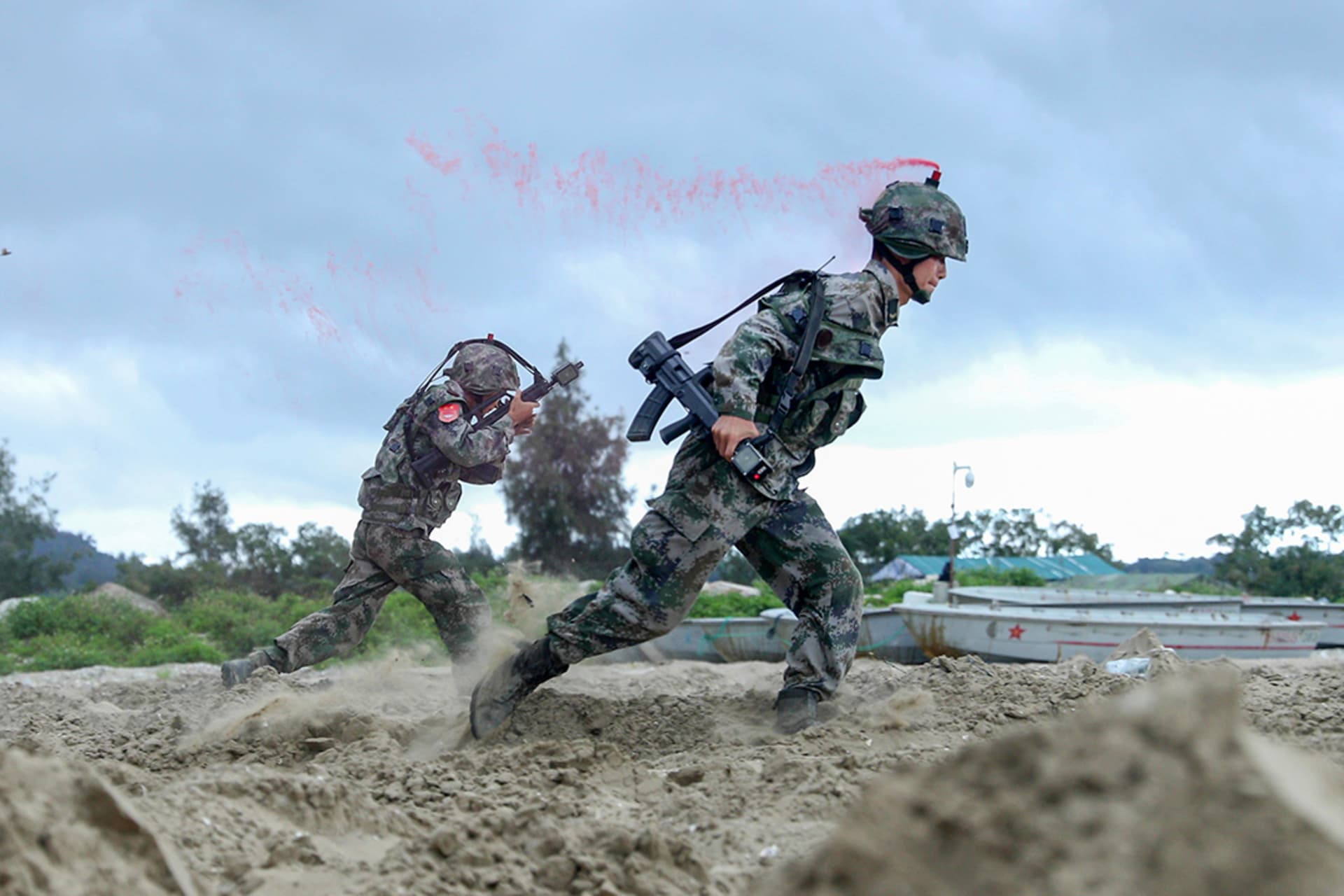
Two soldiers run through sand.

Confrontation Over Taiwan

Type
Interstate War
Impact on U.S.
Critical
Status
Developing

China’s claim to sovereignty over the island of Taiwan and President Xi Jinping’s stated objective of “re-unification” by 2049 have driven an escalating campaign of grey zone pressure, including air defense zone incursions and expanding Coast Guard operations. Trump’s contradictory statements on U.S. defense commitments have deepened uncertainty in Taipei, while a recent PLA missile test signals an enhanced nuclear second-strike capability. A conflict would devastate global semiconductor supply chains, with severe economic consequences.
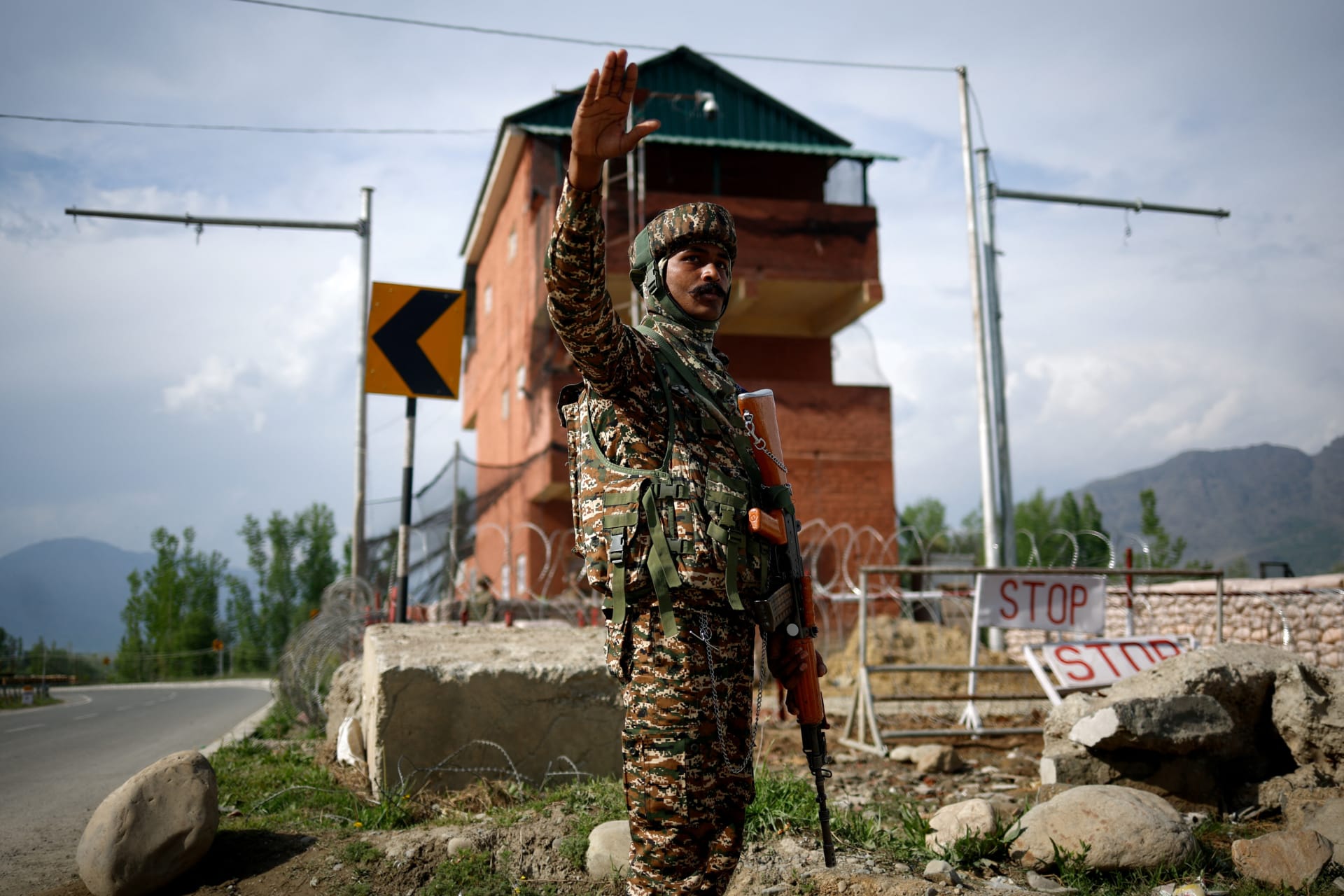
An Indian soldier raises his right arm up while holding a gun in the other at a border crossing in the mountains.

Conflict Between India and Pakistan

Type
Interstate War
Impact on U.S.
Significant
Status
Unchanging

Nearly eight decades after the 1947 Partition ignited conflict over Kashmir, India and Pakistan fought their most serious military confrontation since 2019 after a militant attack killed twenty-six tourists in Indian-administered Kashmir in April 2025. A U.S.-brokered ceasefire has held since May, but India’s suspension of the Indus Waters Treaty has prompted Pakistan to warn that water coercion could have serious consequences for regional peace.

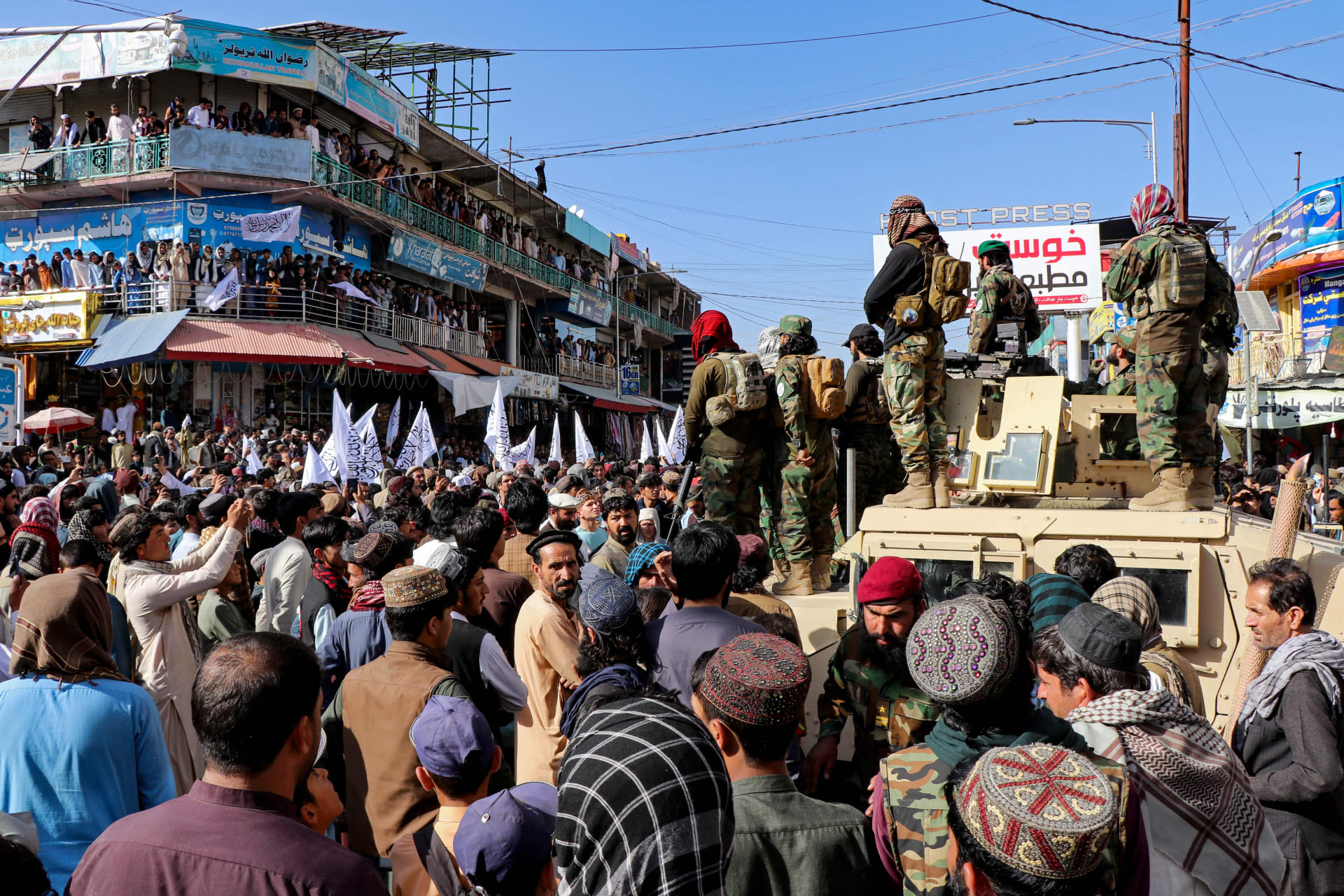
A crowd of many people stand in an urban area facing toward men on tanks.

Violent Extremism in South Asia

Type
Interstate WarTerrorism
Impact on U.S.
Limited
Status
Unchanging

Relations between Pakistan and Afghanistan are strained by cross-border militancy, with Islamabad attributing a surge in deadly attacks to Tehrik-e-Taliban Pakistan (TTP) fighters operating from Afghan territory, an accusation the Taliban government denies. Pakistan has responded with strikes on Taliban military facilities, declaring “open war” in the most direct military confrontation between the two governments to date.

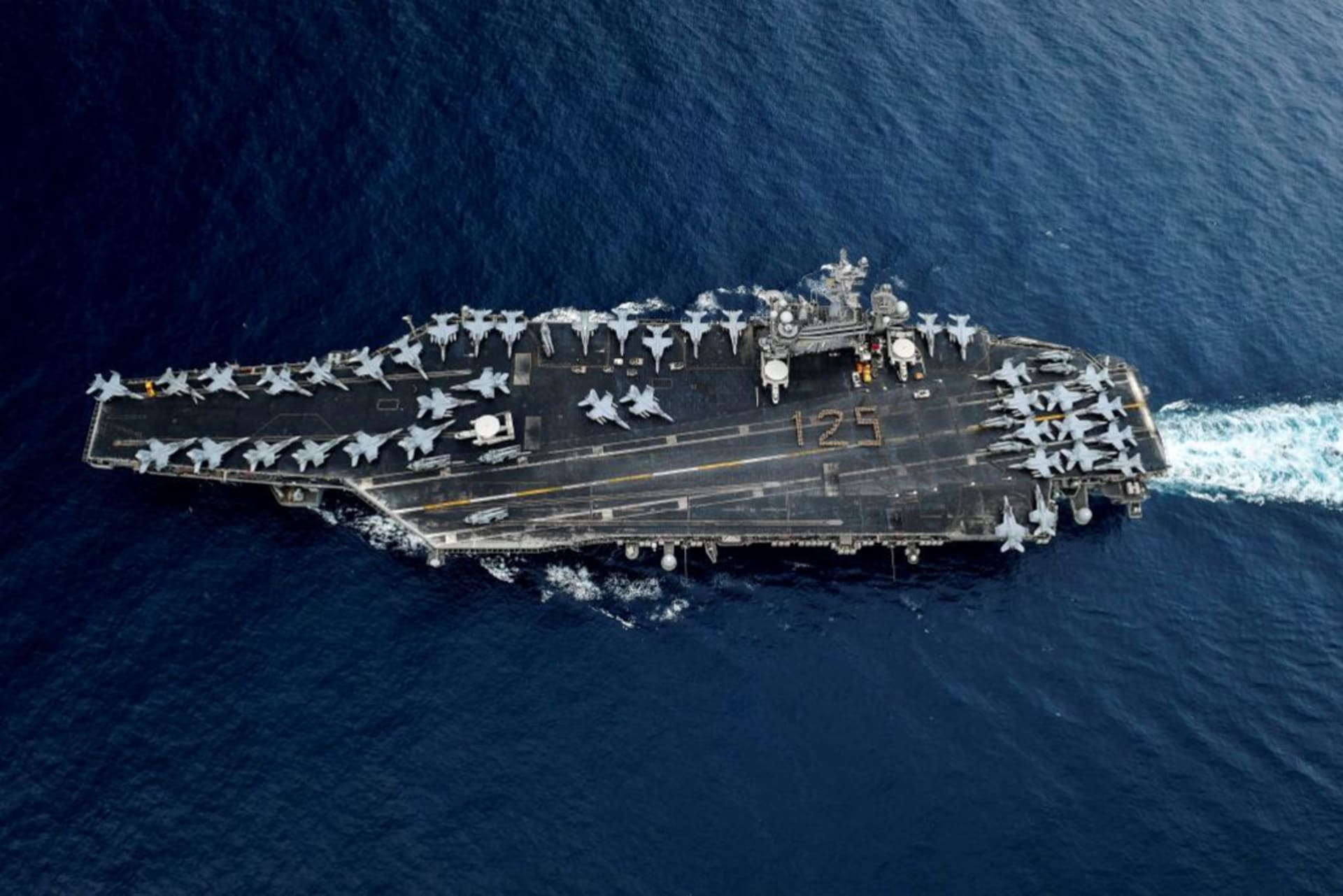
U.S. Navy aircraft carrier USS Theodore Roosevelt in the Strait of Malacca on April 1, 2018.

Territorial Disputes in the South China Sea

Type
Territorial Dispute
Impact on U.S.
Critical
Status
Unchanging

China’s sweeping territorial claims in the South China Sea, rejected by a 2016 international tribunal ruling, have fueled persistent maritime disputes with the Philippines, Vietnam, and other claimant states. China and the Philippines clashed three times in a single week in July 2026 at Scarborough Shoal and Second Thomas Shoal, prompting joint U.S.-Philippines-Japan maritime drills. Diplomatic talks remain stalled, with daily friction at sea outpacing progress toward a Code of Conduct.

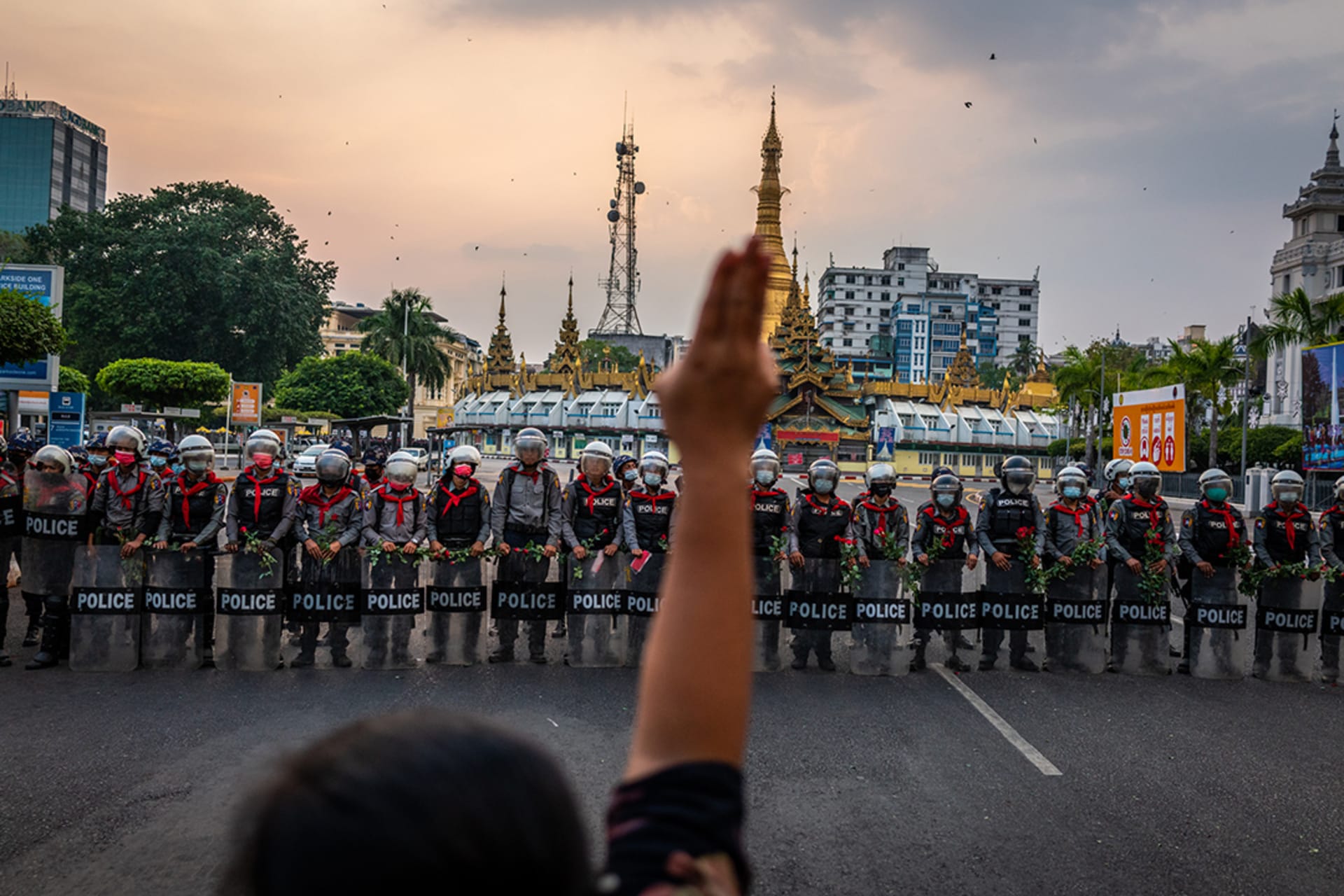
A protester makes a three-finger salute in front of a row of riot police, who are holding roses given to them by protesters

Civil War in Myanmar

Type
Civil War
Impact on U.S.
Limited
Status
Unchanging

Myanmar’s military seized power in a February 2021 coup, triggering a civil war that has killed over 100,000 people and displaced 5.2 million. Resistance forces and ethnic armies control an estimated 42 percent of the country against the junta’s 21 percent, though the conflict has entered a stalemate with neither side holding a decisive advantage. Junta leader Min Aung Hlaing assumed the presidency in April 2026 under a nominally civilian government widely dismissed as a façade for military rule.

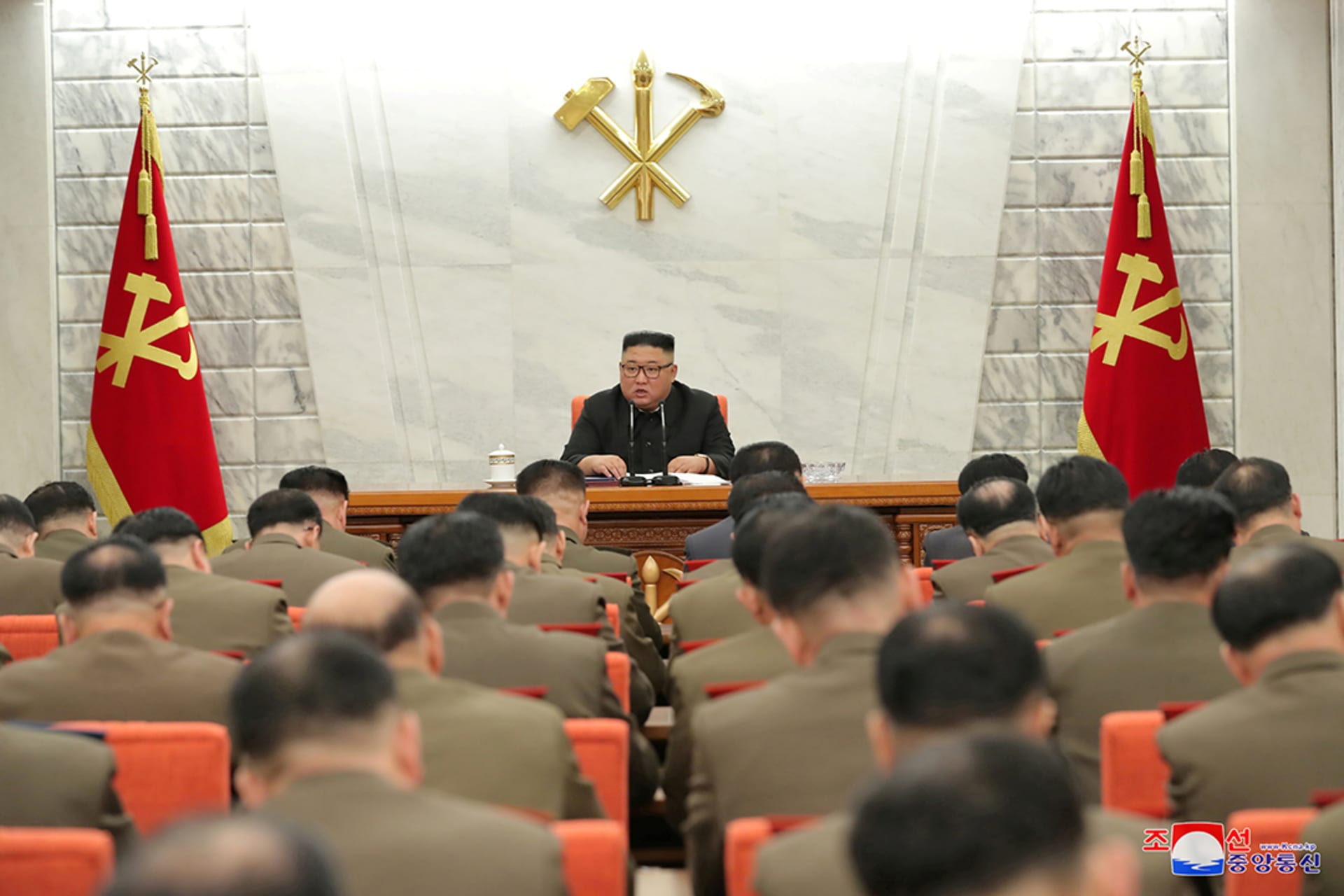
Kim Jong-un wears a white shirt and sits in front of a white wall with red and yelow flags while men sit facing him wearing tan jackets.

North Korea Crisis

Type
Interstate War
Impact on U.S.
Critical
Status
Unchanging

Under leader Kim Jong-un, North Korea has pursued nuclear weapons and ballistic missiles to guarantee regime survival, posing an acute threat to South Korea and Japan—both key U.S. allies. Kim has deepened ties with Russia, providing artillery and troops for the war in Ukraine, while silencing domestic opposition through mass detention and political purges.