Human Rights

Human Trafficking

  • Human Trafficking
    Spotlight on Brazil: What Works to Address Modern Slavery
    This post is part of the Council on Foreign Relations’ blog series on human trafficking, in which CFR fellows and other leading experts assess new approaches to improve U.S. and global efforts to curb trafficking and modern slavery. This post was authored by Nesrien Hamid, programme officer at United Nations University Centre for Policy Research. How do you identify best practices to end modern slavery, human trafficking, forced labor, and child labor in the context of a particular country or industry? Delta 8.7—a global knowledge platform—hosts country policy research workshops focused on that question. In order to identify and scale up action, each Delta 8.7 workshop explores a particular country or a particular sector or issue within a country and brings together policymakers, researchers, and members of civil society to discuss “what works” to effectively address modern slavery in that specific context. The workshops are closed-door and conducted under the Chatham House Rule. The first Delta 8.7 workshop focused on Brazil. Focus on Brazil Brazil is a global standout in the fight against modern slavery. Since 1995, when the Brazilian government acknowledged the existence of the problem in the country and set up the institutional architecture and devoted resources to combat slave labor, more than 55,000 individuals have been removed from conditions analogous to slavery in Brazil.  Brazil’s extraordinary achievements with addressing cases of slavery in the past twenty-five years were facilitated by innovative and effective initiatives that seek to root out the problem. An example is the renowned “dirty list”— a public register of entities found to employ slave labor in their supply chains—which has proven to be an effective naming and shaming tool to hold businesses responsible for the incidence of slavery in their supply chains. Brazil is also well ahead of other nations on providing publicly available data that illustrates the nature and extent of modern slavery. Such initiatives as the Labour Inspection Secretariat’s Radar and the Brazilian Digital Observatory of Slave Labor (SmartLab), for example, track the number of individuals rescued, their places of origin, and the sectors in which they were employed, among many other indicators. Brazil thus presents a rich and productive context for identifying the most effective measures to combat all forms of modern slavery. The Delta 8.7 workshop on Brazil brought together an array of policymakers, including from the government’s Federal Labour Prosecution Office, the Public Prosecutor’s Office, and the Ministry of the Economy; from the International Labor Organization; and from civil society and research institutions, both from Brazil and elsewhere. Delta 8.7 worked with a local convening partner, Repórter Brasil, to conduct research and organize the sessions. Recommendations Experts identified recommendations to make progress on the following five priorities: Slave labor in supply chains Prevention and reinsertion Child labor Human trafficking and slave labor Data, research, and monitoring and evaluation Implement robust prevention and support policies with survivor expertise Involving survivors and vulnerable communities in research, policymaking, and program design and implementation is critical. Survivors and members of vulnerable communities are best able to identify their needs and often are in possession of creative solutions to reduce their vulnerability. Most importantly, survivor-centric policy and programming ensure that any anti-slavery agenda prioritizes prevention and survivor support rather than reacting after exploitation occurs (or reoccurs). Harness research synergies to identify solutions In order to more efficiently deploy scarce resources as well as to enhance prevention efforts, policymakers should better coordinate and leverage the lessons learned around distinct forms of modern slavery, such as efforts to combat child labor and the slave labor that affects adults. Effectively addressing child labor requires that families and communities are made resilient to extreme poverty and have access to adequate schooling. It is, therefore, not enough to focus programs on children without consideration of the wider context within which they live. Furthermore, combatting child labor in supply chains may be aided by incorporating tools that have proven effective in combating slave labor, namely the dirty list. Fill the research gaps Research gaps should be addressed in order to facilitate evidence-based policymaking. In Brazil, more research is needed to: assess the extent of the worst forms of child labor; examine the types of slave labor affecting women and girls; and track, through a systematized repository, criminal and labor justice data for all identified cases of slave labor. The future of anti-slavery research As the COVID-19 pandemic deepens vulnerabilities to modern slavery and decreases the available resources to address it, targeted research is needed to prioritize effective anti-trafficking investments. Delta 8.7 workshops provide this platform, from Brazil to Malaysia to India. Future Brazil-focused events might prioritize: identifying synergies between combating slavery and deforestation; incorporating gender considerations into extant anti-slavery policies; and implementing regulations of the informal market as part of post-COVID recovery. A January 2021 workshop focused specifically on migrant workers in Malaysia. A March 2021 workshop focused on forced and child labor and human trafficking in the context of the textile and apparel industry in India, as the country finalizes its National Action Plan on Business and Human Rights. These workshops examine how local contexts interact with national and international policies, with the goal of prioritizing effective anti-trafficking solutions during a particularly challenging time for vulnerable communities. The full Delta 8.7 workshop report on Brazil can be found here.
  • Human Trafficking
    Collaborating to Break the Cycle of Modern Slavery
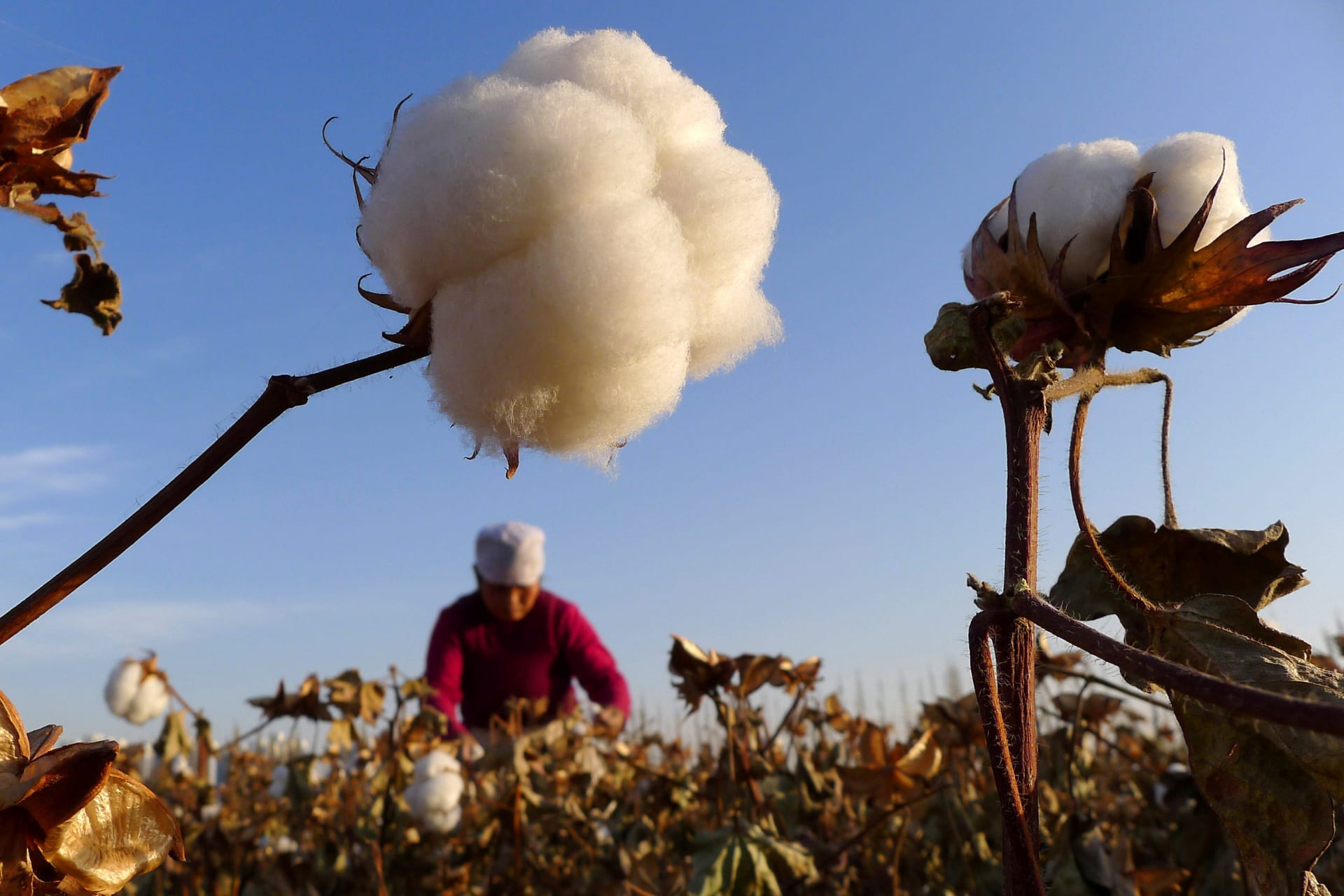
    This article was authored by Richard Samans, director of research at the International Labor Organization and chairman of the Climate Disclosure Standards Board. He served previously as managing director of the World Economic Forum; director-general of the Global Green Growth Institute; and special assistant to the president and NSC senior director for international economic affairs in the White House.  Today, March 25, is the International Day of Remembrance of the Victims of Slavery and the Transatlantic Slave Trade. Forty million men, women, and children remain in modern slavery today, of which twenty-five million are in forced labor and fifteen million in forced marriage. The majority are women and girls, including nearly all of the 4.8 million victims of forced sexual exploitation. The first international convention on forced labor was adopted by the International Labor Organization (ILO) in 1930 (Convention 29). It states that forced labor is a “service which is exacted from any person under the menace of any penalty and for which the said person has not offered himself voluntarily.” The world’s only tripartite multilateral organization, the ILO celebrated its centenary in 2019, marking one hundred years of governments, workers, and employers working together to achieve social justice. Its close collaboration with the U.S. Department of Labor over the past twenty-five years has helped to expand the International Program on the Elimination of Child Labor (IPEC) and bring ninety million children out of work. Progress on forced labor has been slower, but the adoption in 2014 of a Protocol and Recommendation to Convention 29 has provided fresh impetus. It sends a clear message to all stakeholders and countries that forced labor and human trafficking are serious human rights violations and crimes and need to be dealt with as such. The ILO, the International Organisation of Employers, and the International Trade Union Confederation organized the “50 for Freedom Campaign” aimed at expanding ratification of the 2014 Protocol on Forced Labor. The campaign reached its goal just last week, on March 17, when the protocol received its fiftieth ratification. Fifty member states from all parts of the world have now committed to “develop[ing] a national policy and plan of action for the effective and sustained suppression of forced or compulsory labor in consultation with employers’ and workers’ organizations.” Nevertheless, the challenge remains daunting. The COVID-19 pandemic, armed conflict, climate change, and natural disasters have put the most vulnerable members of our societies, including migrants, at greater risk. They often face physical and sexual violence as part of an atmosphere of coercion and intimidation, which can include the withholding of wages or important documents like passports, or debt bondage resulting from recruitment costs. In many parts of the world, irregular migrants as well as most labor migrants working in lower-skilled sectors such as agriculture, manufacturing, construction, and domestic work do not have access to the legal protection necessary to prevent and address such repression and abuse. Most forms of modern slavery are motivated by the prospect of financial gain, just as during the colonial era. Unfortunately, human trafficking for labor exploitation remains a lucrative business. Every year, it generates an estimated $150 billion in profit while devastating the lives of millions of women, men, and children and undermining the vitality of national economies through the loss of taxes, remittances, and human potential. Ours can be the generation that ends forced labor, but only if we recognize that this stubborn, complex problem requires a holistic—i.e., whole-of-government and multi-stakeholder—response that begins with providing education for all, ensuring livelihood opportunities, empowering women and girls, protecting the most vulnerable, and upholding labor standards through stronger labor inspection and law enforcement. Strengthening the voice and participation of workers is critical. Freedom of association and collective bargaining are fundamental and universal rights that help to ensure safe and healthy working conditions and enable workers to obtain a fair share of the wealth generated by the enterprises in which they are employed. Since workers in the informal sector are particularly vulnerable to exploitation, formalization efforts are critical and can be advanced through smarter enterprise registration and regulatory practices, expanded social protection systems, and skills training and job matching services coordinated with local labor market dynamics. Real impact comes from cross-sector collaboration and shared expertise, with businesses, governments, and civil society working together. We are already seeing this happen, with corporations in the same sector sharing best practices and collaborating with organizations that specialize in the fight against slavery. A growing number of firms perceive forced labor as a serious risk to their operations and reputations, and they are exercising greater diligence in their recruitment strategies and processes. As important as preventive measures like these are, we also have to protect victims. This means doing a better job of identifying and freeing them as well as providing shelter, medical care, and psychological support. Access to justice and compensation is essential, as are ongoing efforts to expand access to quality basic education, training, and decent work. This also requires standardized procedural guidelines, common operational indicators, national referral mechanisms, and overall coordination. In assisting policymakers, better data and targeted research are central to guiding more effective policies and practices. Slavery remains a cross-border phenomenon, so improved international coordination and cooperation are essential. A prominent example is Alliance 8.7, a global multi-stakeholder partnership committed to achieving Target 8.7 of the Sustainable Development Goals, which requests “immediate and effective measures to eradicate forced labour, end modern slavery and human trafficking, and secure the prohibition and elimination of the worst forms of child labour… and by 2025 end child labour in all its forms.” Alliance 8.7 seeks to accelerate progress by scaling effective solutions, driving innovation, and leveraging and maximizing the impact of resources. The United States has taken a leading role in the fight against forced labor and human trafficking through its trade policy, development assistance, and the State Department’s annual Trafficking in Persons report. It could build on this record by promoting stronger country-level employment frameworks that protect labor rights and enforce fair recruitment practices, as well as ratifying the ILO forced labor convention and its accompanying 2014 protocol. Today, March 25, marks the International Day of Remembrance of the Victims of Slavery and the Transatlantic Slave Trade. The abolition of slavery and forced labor was one of the first human rights struggles in modern history. Grounded in an abiding commitment to human dignity and social justice, its fundamental vision remains unfulfilled but can be realized within the next decade through the intensified collaboration of all states and stakeholders.
  • Nigeria
    Nigeria’s Internal Security Problem
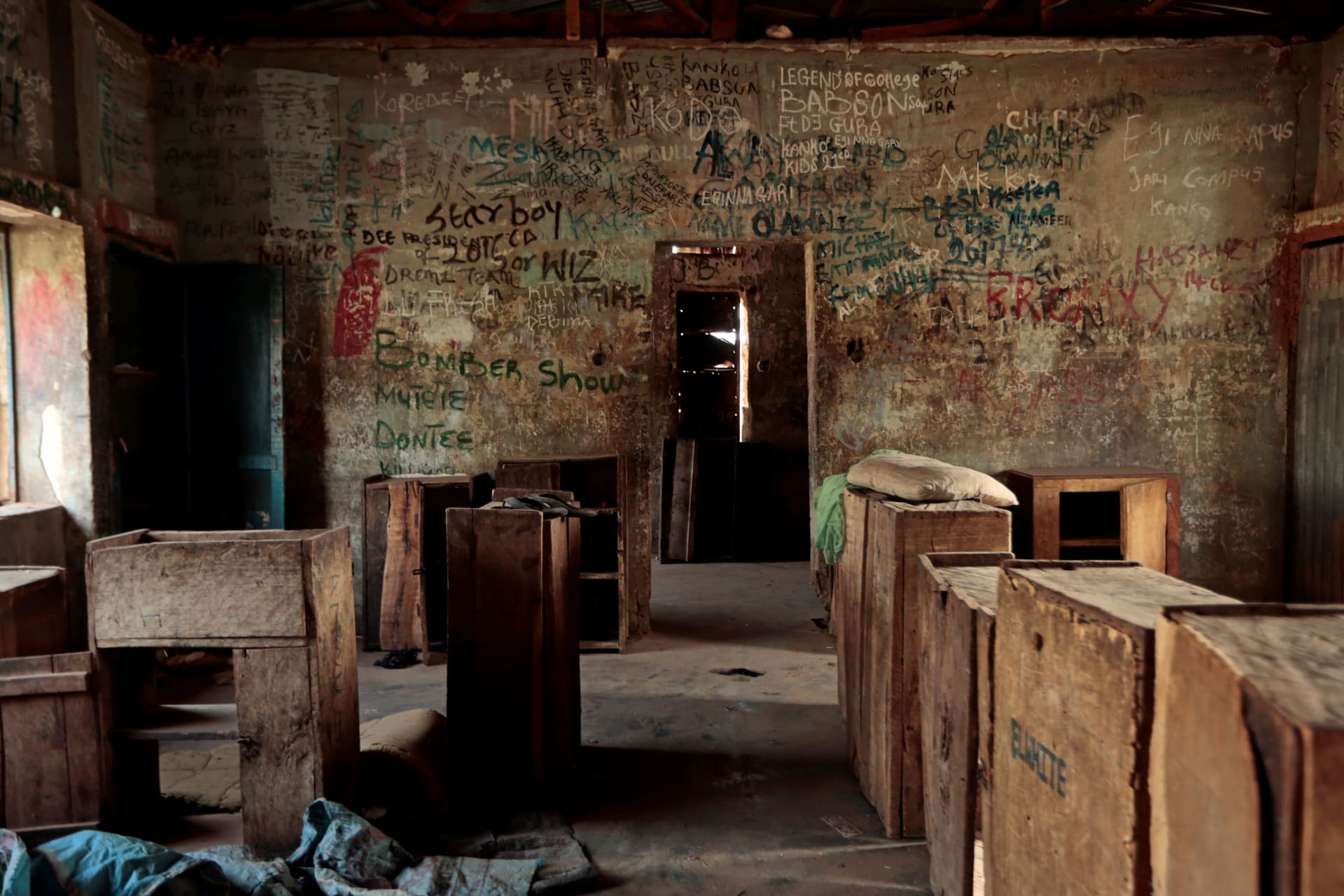
    Nkasi Wodu, a New Voices Fellow at the Aspen Institute, is a lawyer, peacebuilding practitioner, and development expert based in Port Harcourt, Nigeria. The Nigerian minister of defense recently enjoined Nigerians to take up arms to defend themselves against marauding bandits in their communities. The minister’s statement aligns with the grim reality that Nigeria has a serious internal security problem—and nobody knows exactly how to solve it. Nigeria has experienced devastating attacks from armed bandits for more than two years. While these attacks initially started in the North West region of Nigeria, they have since spread to other parts of the country. Armed bandits frequently kidnap unsuspecting members of the public before using their captives to secure huge ransoms in return for their release. Ransom frequently comes in the form of opaque government payments, a strategy that tends to undermine government authority. The level of coordination in the attacks seems to betray some type of paramilitary training or, at the very least, organization by leaders with military training. Making the problem worse, bandits have recently taken to targeting softer targets, such as schools, illustrated most recently by today’s mass kidnapping in Zamfara State, where gunmen took captive over three hundred schoolgirls. The kidnapping is the latest in a string of incidents. In December 2020, eighty students were kidnapped from an Islamic school in Katsina State, although they were later rescued or released. Last month, over forty-two people, including twenty-seven students, were kidnapped from a secondary school in Niger State—signaling a geographical expansion into the North Central region, part of the Middle Belt. The targeting of schools, worrying in itself, also further discourages students in a country with dismal rates of school attendance and completion. Banditry alone fails to explain the full scale of Nigeria’s internal security problem. For much of this decade, a murderous conflict between herders and farmers has plagued Nigeria, particularly in the Middle Belt. According to the Global Terrorism Index 2015 [PDF], Fulani militants—the most violent actor in the Middle Belt’s farmer-herder conflict—were adjudged the fourth-deadliest terror group in the world. In 2018, Fulani extremists were responsible for [PDF] 1,158 fatalities in Nigeria—a majority of terror-related deaths in the country that year. Intense violence perpetrated by militant herdsmen has since begun to expand further, towards the South West and South East regions, as herders search for grazing routes for their cattle. Unfortunately, a combination of drought occasioned by the rapid disappearance of Lake Chad, political instability driven by Boko Haram, and banditry made herders’ southward march an inevitability that will be difficult to reverse. A common feature of these attacks is the perceived lack of response—even complicity—from security agents. Recent rhetoric from the presidency against the response by some state governors to stem the tide of attacks from herdsmen further promotes this perception and impels communities to take up arms to protect themselves. This reality has already come to pass: southern Nigeria hosts armed, non-state actors such as the Eastern Security Network (ESN), the Western Nigeria Security Network—also known as Amotekun—in the South West, and several armed groups in the South South region. Proliferation of small arms and light weapons, a troubling feature of Nigeria’s security landscape, make the situation yet more combustible. Clashes between “self-defense” militias and herdsmen in the South East and the South West are on the rise, and they will continue to intensify as long as security agencies are beset by inaction and ineffectiveness. Layered on top of this conflagration is the ethnic dimension, with entire ethnic groups subsumed into conflicts and pitched against one another. In Oyo State, Hausa/Fulani communities have clashed with indigenes, while Nnamdi Kanu’s ESN continue to see attacks as a northern agenda against the Igbos. Nigeria’s troublesome security forces are, at present, ill-equipped to tackle frequent clashes between non-state actors. To address the worrying array of interlinked security threats, President Muhammadu Buhari needs to first shed his characteristic apathy and lack of empathy. In doing so, he should address the nation, pleading for national unity; his aides, meanwhile, should endeavor to appear neutral in their rhetoric rather than buttress perceptions of siding with particular groups. Below the state level, political actors from the various tribes would do well to see that their words and actions play an impactful role in either exacerbating or improving violent conditions. Consequently, they should eschew divisive action and instead pursue constructive solutions to the issues at hand.
  • Human Rights
    Kidnapping and Ransom Payments in Nigeria
    On February 17, a gang of "gunmen" kidnapped more than forty students, teachers, and administrators from a secondary school in Niger State. At least one student was killed. Niger State Governor Abubakar Sani Bello has appealed for assistance from President Muhammadu Buhari, who has ordered all four service chiefs to go to Niger State to coordinate rescue operations. In December, "bandits" kidnapped some three hundred schoolboys from a school in Kankara, located in Katsina State. There have been several other mass kidnappings, though none has acquired the international notoriety of the 2014 kidnapping of more than two hundred school girls from a school in Chibok. (More than one hundred are still missing, but some recently escaped.) Most—not all—of these mass kidnappings appear to be purely mercenary. These kidnappings are different from Boko Haram attacks in the past decade where the goal was to kill those who were benefitting from Western education. In these recent instances, kidnappers are after ransom, and appear to try to keep their victims alive. Nigerian federal and state authorities always deny paying ransom. Yet they often do so. Schoolboys and bandits involved in the Kankara abduction contradicted official denials that ransom was paid. Reports suggest the Katsina State government paid N30 million (about $76,000) to recover the schoolboys. Hence, the expectation should be that unless the Kagara victims are quickly recovered, which is unlikely, either the state or federal government will pay ransom to secure the release of those who have survived. Kidnapping in Nigeria and across the Sahel can be an extraordinarily lucrative enterprise in what is one of the poorest regions in the world. "Bandits" particularly prize citizens of the European Union. As rich countries with governments susceptible to emotional public opinion, EU member states can pay enormous ransoms while always denying that they are doing so. Jihadi and criminal networks overlap in the Sahel, so kidnapping can also provide both funding and manpower for jihadi groups. At Kankara, Boko Haram's Abubakar Shekau claimed his group was behind the kidnapping, though it appears to have been purely a criminal enterprise. The United States as a matter of policy never pays ransom. The U.S. government had previously threatened to prosecute private individuals who seek to do so. Refusing to pay ransom may provide some cover for American citizens that find themselves in the Sahel. However, Americans are few in number in those areas where kidnapping is rampant.
  • Human Trafficking
    What Role Should Anti-Trafficking Play in U.S. Development Efforts?
    This post is part of the Council on Foreign Relations’ blog series on human trafficking, in which CFR fellows and other leading experts assess new approaches to improve U.S. and global efforts to curb trafficking and modern slavery. This post was authored by James Cockayne.
  • Women and Women's Rights
    The Threat of Human Trafficking to National Security, Economic Growth, and Sustainable Development
    This blog post was authored by Jamille Bigio, senior fellow in the Women and Foreign Policy program, and Elena Ortiz, intern in the Women and Foreign Policy program. Despite widespread condemnation, human trafficking persists globally—an estimated 25 million people are trafficked worldwide, producing $150 billion annually for perpetrators—and the threat is only growing due to the COVID-19 crisis. To mark National Freedom Day on February 1—the culmination of January’s National Slavery and Human Trafficking Prevention Month—we have compiled CFR resources that explore how human trafficking threatens national security, economic growth, and sustainable development, and propose steps for governments, the private sector, and civil society to combat it.  The Security Implications of Human Trafficking  Human trafficking fuels conflict and undermines international security. In this CFR discussion paper, Senior Fellow Jamille Bigio and Douglas Dillon Senior Fellow Rachel Vogelstein take stock of the multidimensional threats posed by human trafficking and outline steps for the U.S. government and its allies to promote stability by reducing human trafficking in conflict and terrorism-affected contexts.   Human Trafficking Helps Terrorists Earn Money and Strategic Advantage  Exploring the ways in which human trafficking enables terrorist and armed groups, finances criminal organizations, and supports abusive regimes, Bigio argues in Foreign Policy that ignoring its spread undermines our collective security. As the Global Economy Melts Down, Human Trafficking is Booming  Analyzing how the COVID-19 pandemic has amplified economic instability worldwide and increased risks of human trafficking and forced labor, Bigio and Research Associate Haydn Welch recommend in Foreign Policy how governments, the private sector, and civil society can better protect communities most at risk.  Modern Slavery: An Exploration of its Root Causes and the Human Toll  The CFR interactive on modern slavery offers key statistics, definitions, graphics, and case studies. This multimedia resource is a powerful introduction for those seeking to learn about the driving forces and consequences of modern slavery.   Guest Blog Series on Human Trafficking  The Women and Foreign Policy program’s guest blog series on human trafficking features insights from leading experts on new approaches to improve U.S. and global efforts to curb human trafficking and modern slavery. Topics include opportunities for the Biden administration to combat human trafficking; analysis of the effects of the COVID-19 crisis on human trafficking risks; reflections on the twentieth anniversary of the Palermo Protocol—a landmark international trafficking instrument; steps to curb child labor worldwide (recognizing 2021 as the International Year for the Elimination of Child Labor); how technology can help combat forced labor in global supply chains; and opportunities for data-driven decisions to end modern slavery.    CFR General Meetings on Combatting Human Trafficking In January 2021, NBC’s Cynthia McFadden moderated a discussion with Sharan Burrow, general secretary of the International Trade Union Confederation; Angel Gurría, secretary general of the Organization for Economic Cooperation and Development (OECD); and Paul Polman,  cofounder and chair of IMAGINE and former CEO of Unilever on the role of the private sector in eliminating human trafficking and forced labor. Last year, Kathleen Hunt guided a conversation with Bigio, Rohingya activist Wai Nu, and former Ambassador-at-large John Cotton Richmond on the security implications of human trafficking.  CFR Podcast Episodes To mark July 30 as the United Nations’ World Day Against Trafficking in Persons, James M. Lindsay, podcast host of The President’s Inbox and CFR's director of studies, spoke last year with Bigio on the spread of human trafficking and global efforts to address it. CFR’s Why It Matters podcast explored the human cost of labor trafficking in an episode hosted by CFR’s Gabrielle Sierra. What is the Kafala System?  Traced to a growing demand in Gulf economies for cheap labor, the kafala (sponsorship) program gives companies in Jordan, Lebanon, and most Arab Gulf countries complete control over workers’ immigration and employment rights. CFR’s Kali Robinson describes the modern slavery risks intricately embedded within the kafala system.  
  • Human Trafficking
    Preventing Stolen Childhoods: How the U.S. Department of Labor is Combating Child Labor Trafficking
    This post is part of the Council on Foreign Relations’ blog series on human trafficking, in which CFR fellows and other leading experts assess new approaches to improve U.S. and global efforts to curb trafficking and modern slavery. This post was authored by Marcia Eugenio.
  • Human Trafficking
    Combating Human Trafficking and the Biden Administration
    This post is part of the Council on Foreign Relations’ blog series on human trafficking, in which CFR fellows and other leading experts assess new approaches to improve U.S. and global efforts to curb trafficking and modern slavery. This post was authored by Sarah E. Mendelson.
  • Public Health Threats and Pandemics
    Eliminating Human Trafficking: The Role of the Private Sector
    Play
    Our panelists discuss the role of businesses in eradicating human trafficking and modern slavery. This meeting is cosponsored with CFR’s Women and Foreign Policy Program.
  • Women and Economic Growth
    Women’s Economic Empowerment and Trade
    "As our Nation and the world continue to respond to COVID-19, we should look ahead to how we will create a safer and more equitable economic recovery for workers in the United States and around the world...It should be a priority of the United States government to advance the rights of women around the world. To that end, our trade laws should be modernized."
  • Human Trafficking
    The Palermo Protocol and the Next Twenty Years of the Global Fight Against Modern Slavery
    This post is part of the Council on Foreign Relations’ blog series on human trafficking, in which CFR fellows and other leading experts assess new approaches to improve U.S. and global efforts to curb trafficking and modern slavery. This post was authored by Dr. Jean Baderschneider, inaugural-CEO and Chair of the Board of Directors, Global Fund to End Modern Slavery (GFEMS).
  • Local and Traditional Leadership
    Nigeria Schoolboy Kidnapping Likely Criminal, Not Boko Haram
    The kidnapping of hundreds of schoolboys from the Government Science Secondary School in Kankara, located in Nigeria's northwestern Katsina state, recalls Boko Haram's 2014 kidnapping of Chibok schoolgirls, of whom more than one hundred are still in captivity. The Kankara school had an enrollment of over eight hundred students—perhaps more than 1,200, according to some reports. Like Chibok, it is a state-run boarding school. According to the Katsina state governor, 333 students are still unaccounted for. Unlike at Chibok, security forces responded quickly to the attack, facilitating the escape into the bush of many of the boys. Abubakar Shekau, the chief of a Boko Haram faction, allegedly is claiming responsibility for the kidnapping. However, in the past, when Boko Haram factions attacked schools, it enslaved the girls and murdered the boys. At Kankara, no boys were killed, and one boy who escaped told the media that he heard an organizer order that none were to be. Boko Haram factions, up to now, have not been active in Katsina state. Criminal gangs, however—called “Fulani” in the media—are ubiquitous and frequently carry out kidnapping for ransom. Hence, the likelihood remains that the kidnapping was carried out by criminal gangs rather than a Boko Haram faction. Katsina is the home state of President Muhammadu Buhari, who has denounced the kidnapping. Yet Kankara residents are complaining to the media that the state, in failing to protect its citizens, has shown itself to be of little value. Beyond the personal tragedy, that may be the significance of Kankara: it further undermines confidence in the Nigerian state.
  • Human Trafficking
    How Innovation Can Help End Forced Labor in Global Supply Chains
    This post is part of the Council on Foreign Relations’ blog series on human trafficking, in which CFR fellows and other leading experts assess new approaches to improve U.S. and global efforts to curb trafficking and modern slavery. This post was authored by Dan Viederman, managing director of the Working Capital Fund.
  • Human Trafficking
    The Global Health Crisis and Human Trafficking Are Correlated–But How?
    This post is part of the Council on Foreign Relations’ blog series on human trafficking, in which CFR fellows and other leading experts assess new approaches to improve U.S. and global efforts to curb trafficking and modern slavery. This post was authored by Philip Langford, President of IJM United States, and Peter Williams, Principal Advisor on Modern Slavery at IJM.  
  • Human Trafficking
    Addressing Child Labor in a Pandemic: Notes from the Field
    Last year, the UN General Assembly adopted a resolution declaring 2021 the International Year for the Elimination of Child Labor. Despite such commitment, recent global estimates project child labour to be on the rise, with cases surging by up to 50 million in the next five years.