How I Got My Career in Foreign Policy: Roxanna Vigil
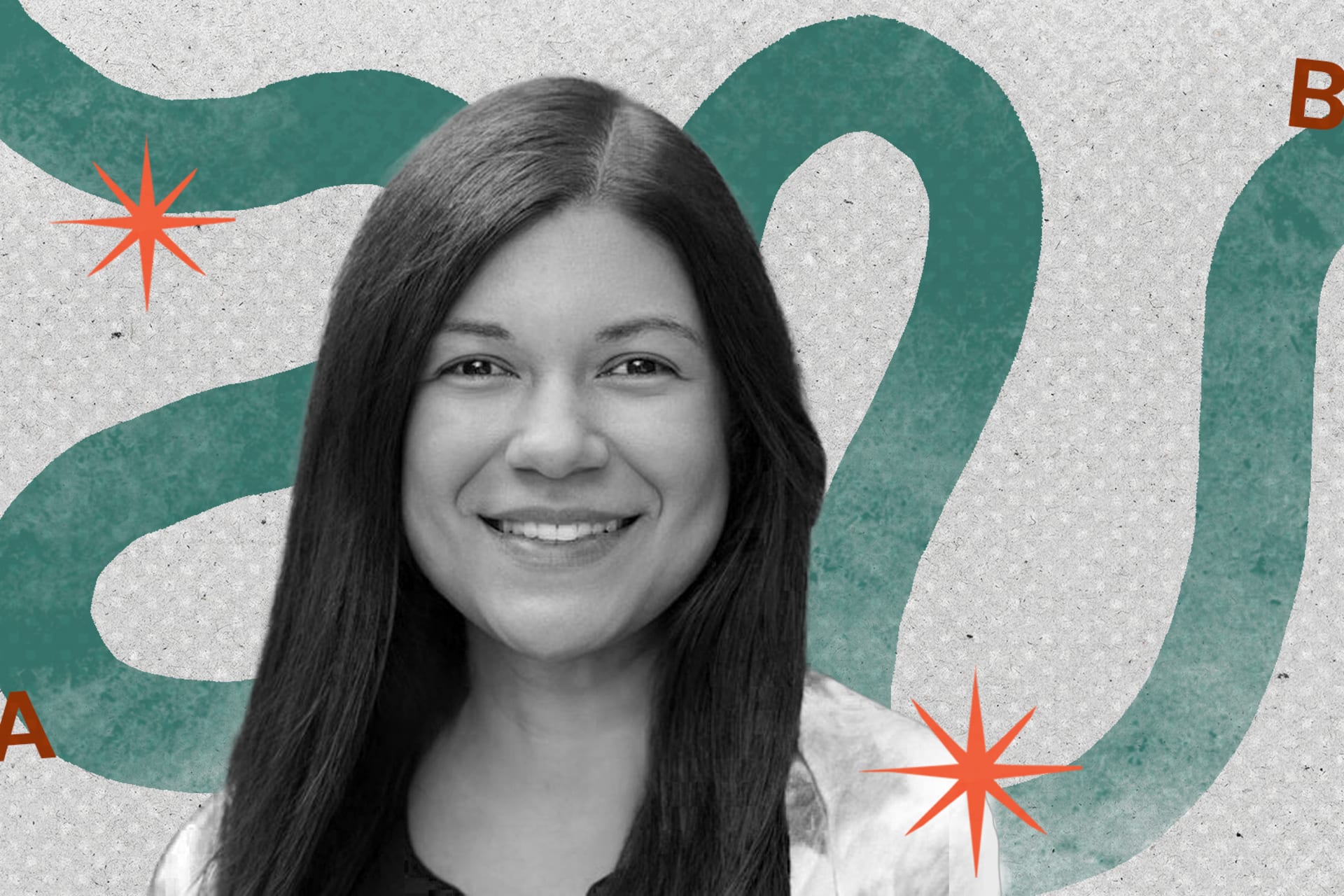
Roxanna Vigil spent more than a decade in the U.S. government working on Latin America policy. She chatted with CFR about the unexpected opportunities that shaped her career and why continuing to learn is essential.
By experts and staff
- Published
- Editor
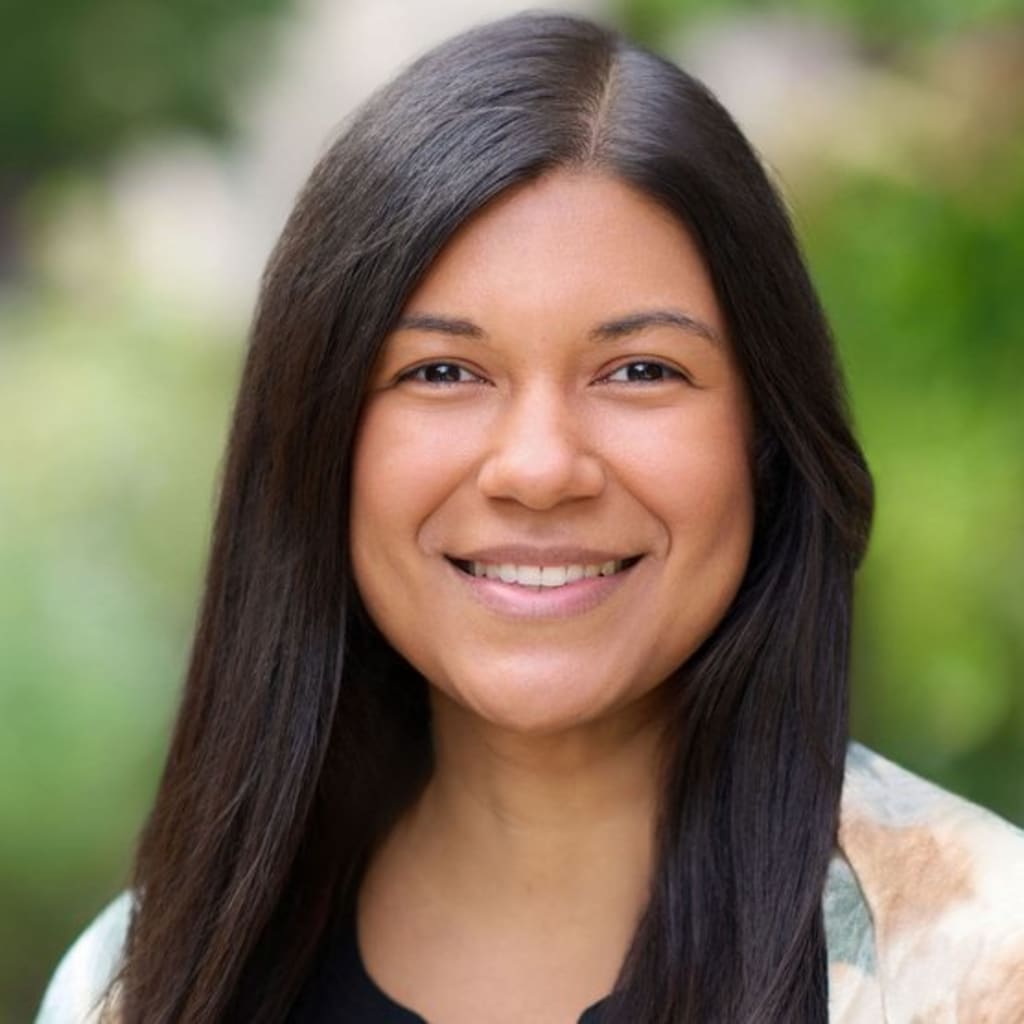 Roxanna VigilInternational Affairs Fellow in National Security, sponsored by Janine and J. Tomilson Hill
The adage “when one door closes another one opens” is one Roxanna Vigil knows well. When her plans to pursue a PhD in Spanish literature didn’t pan out, she found herself pursuing a master’s degree in Latin America studies. The detour kickstarted her fifteen-year career in the U.S. government, focusing on Latin America policy. Now she is an international affairs fellow in national security at CFR. Read more about her favorite part of working in government and what aspect of Latin America policy discourse she feels often gets overlooked.
Here’s how Roxanna Vigil got her career in foreign policy.
What did you want to be when you were little?
I think the typical little kid stuff, like a teacher. But by the time I was a teenager, I was really interested in robotics.
I went to high school in the Chicago area and I competed as part of my school’s robotics team. One of my best friends was on the team with me, and so I thought I’d be an engineer. But then I didn’t get into an engineering program.
So then I was thinking of the next thing that I really liked, and I really liked reading literature and writing about it. I had a teacher—my high school Spanish teacher, Señor Fernandez—and he said to me one day, “You’re writing really nice essays.” And I was like, “Oh.” So then I thought, “Okay, maybe I should try this.”
I ended up going down the path of history—Latin American history—reading Latin American novels, literature, stuff like that.
When did you know that you want to pursue Latin America foreign policy as a career?
It all sort of happened by accident.
When I graduated from college, I thought I would get a PhD in Spanish literature. I applied to all these programs in Spanish literature and, sort of by accident, to a master’s program at a school where I was also applying to the PhD program. They basically said, “We’ll just get your application. You don’t have to submit a second application.” I was like, “Oh, that’s great.”
I didn’t get into any programs for the PhD. But I ended up getting into this master’s program in Latin American Studies in DC. Not what I had planned, not something I had thought about that much. But I was also just happy to have a little bit of time to figure this out.
So I did the Latin American Studies program, and I kind of saw it as a two-year job search. Growing up, I had no clue what the State Department was. I had no clue what any government agency was. That was just not part of my world. Both my parents immigrated from El Salvador in the early ‘80s, right around the time the civil war in El Salvador was really heating up. They came over to Chicago—that’s where we grew up. So this was very outside my world.
I was applying to all the government jobs. I thought it would be really nice to do something with Latin America, but I also was pretty desperate for a job, so I was going to take any job. And I sort of got lucky. I was able to be in the U.S. Embassy in Guatemala in between my first and second year of graduate school. That really opened up the door to this world. I worked with really awesome people who took the time to get to know me, and I still talk to them today. And that put me on the State Department path.
So my first job out of school was at the State Department, and I was there for seven years.
You were at the State Department for a long time and then you transitioned to the Treasury Department. Tell me about that transition.
When I first got to State, I got in through a student program. After that, I transitioned to a full-time employee. I worked on public diplomacy programs at first, an English language scholarship program for teenagers to learn English. I did that for a few years, and then eventually found my way to more of a Latin America policy job.
So I was in that Latin America policy lane, and someone from Treasury reached out—cold email, random—saying, “Hey, got your name through the grapevine. We have this opening. We need someone that has experience on Venezuela. If you’re interested, reach out to this person.”
I was interested, because at that point, I was sort of itching for something new. And I reached out. At first I was like, “Is this a scam?” But it wasn’t. It was legit. So I ended up making the move from State to Treasury, and was there for about five years before I went to the White House.
That job at Treasury was awesome. Part of the reason I went there was because part of the job focused on technical anti-money laundering and counter terrorist financing issues, which were new to me. I had the experience on the region, but I didn’t have the technical experience that the office did. And they said, “We’ll teach that to you.” And so that was fun to learn, something I’d never learned before. And then after several years of that, I was ready for something new.
How did the move to the White House—on the National Security Council (NSC)—come about?
I had applied for other jobs at Treasury and didn’t get them.
But I really believe the stars aligned, and that those were not the right jobs. So once I said, “You know what, I’m going to try for an NSC job. Might as well go for it,” I asked my office to support me. Because so much in bureaucracies depends on your leadership, and if you don’t have the right support, it doesn’t happen.
So before I did anything, I said to my office, “Hey, will you support me? I want to go to the NSC.” They said, “Yeah, we’ll support you.” So once I had the support, and once I had reached out to some of my mentors—including a mentor from my time in Guatemala—to put in a good word, I reached out, and it just came together really quickly. I started in 2022.
Is there anything that surprised you about moving to the NSC? What year did you start?
Well, I’ll tell you what I love about government. Government is rough around the edges. On the outside, it might look glamorous. On the outside, things look very well put together. But having fifteen years of experience under my belt, one of the things that I love is knowing the backend work, because I’ve been that person doing all the backend work throughout my career. Very, very messy, very rough around the edges, and very unglamorous. But that’s a good thing. I think that’s how it should be.
Going over to the NSC was this interesting mix of just some of the most capable, kind, and funny people. Some of the friends that I met during my time at the White House are some of my closest friends, and they’re just so sweet. From that relationship side, it was such a wonderful place.
What else surprised me? People had warned me of the workload, and I have, throughout my career, kind of been drawn to these burnout jobs—which is actually one of the reasons why I love this fellowship, because it’s time to slow down and think, time to reflect about all the different issues.
This series is geared for young people who are interested in foreign policy. I’m curious, for those who are interested in doing Latin America foreign policy, what advice would you give them?
I found that, a few years into my first job, I really missed learning. There was a lot to do, but I didn’t feel like I was learning about the region in a way that I was used to learning, for instance, in school.
Then I heard about a program at State where you can go back to school. So I ended up doing a weekend master’s program. More than anything, I really missed being in the classroom. It took me a really long time to finish that program—many years. But it was sort of this way to—”okay, during the day, I have my work, and I’m going to do all the things that need to be done. And then on the weekend, I’m going to go learn about the region, be back in the classroom, but now with this new perspective of being in the government.” That really helped me, and it’s using a different part of your brain.
There’s so much policy talk around Latin America. I’m curious if there’s an issue you feel is overlooked or under-talked about.
Yes! I feel extremely grateful to be at CFR, from a professional standpoint, where I get to—after fifteen years of “go, go, go, do, do, do”—now think.
In the Latin America space, the Caribbean doesn’t get the attention that it deserves for lots of different reasons. In my career, I focused on the Andean region, and really Venezuela. And now, I’m doing a lot on Colombia. But I’m also thinking about this question you just asked. Coming into this fellowship, I was asking myself, “What are those regions or topics that I just haven’t had the chance to work on, and I don’t know very much about, and I’m really excited to learn about?” For me, that was the Caribbean.
It’s such an interesting place, with so many different countries, so many different cultures. In thinking about the Caribbean and really spending time here at CFR talking with other people who track the region really closely, what are those issues that we should be thinking more about? Especially as Latin America followers, but the U.S. government as well?
For me, I’m spending some time learning about Guyana. Guyana is a rising energy power in the region. And I think over the next few years, we’re just going to be hearing a lot more about Guyana and the whole Caribbean region. I’m also interested in learning more about the clean energy transition in the region.
Right. So we always like to end on something fun. I assume over the years you’ve probably traveled a lot for work and gotten to do some interesting work trips. Is there a most memorable trip or meal that you can share with us?
I grew up speaking Spanish, and because my family is from El Salvador, there’s something a little familiar with traveling in the region. So the trips that really stand out to me are when I traveled outside the region.
In my first State Department job, I traveled to Cambodia and Thailand. That was a part of the world I had never been to, it’s so far away, and the people were just so warm and so sweet.
I really loved, in Bangkok, taking the train to the market with some of the other participants for the conference that I was there for. Just spending time with the people there.
This interview has been edited for length and clarity. It represents the views and opinions solely of the interviewee. The Council on Foreign Relations is an independent, nonpartisan membership organization, think tank, and publisher, and takes no institutional positions on matters of policy.