Leaders’ Medical Secrecy Harms Public Trust
Long, mysterious absences promote the idea that unaccountable forces are at the levers of power.
By experts and staff
- Published
 Michelle GavinCFR ExpertRalph Bunche Senior Fellow for Africa Policy Studies
Aging leaders. Mysterious medical appointments. Elected officials’ long absences from public duties, explained in the vaguest of terms or not at all. These increasingly common features of political life in the United States are familiar to many followers of African politics. Their corrosive effect on public trust and accountability in African states should serve as a warning to Americans.
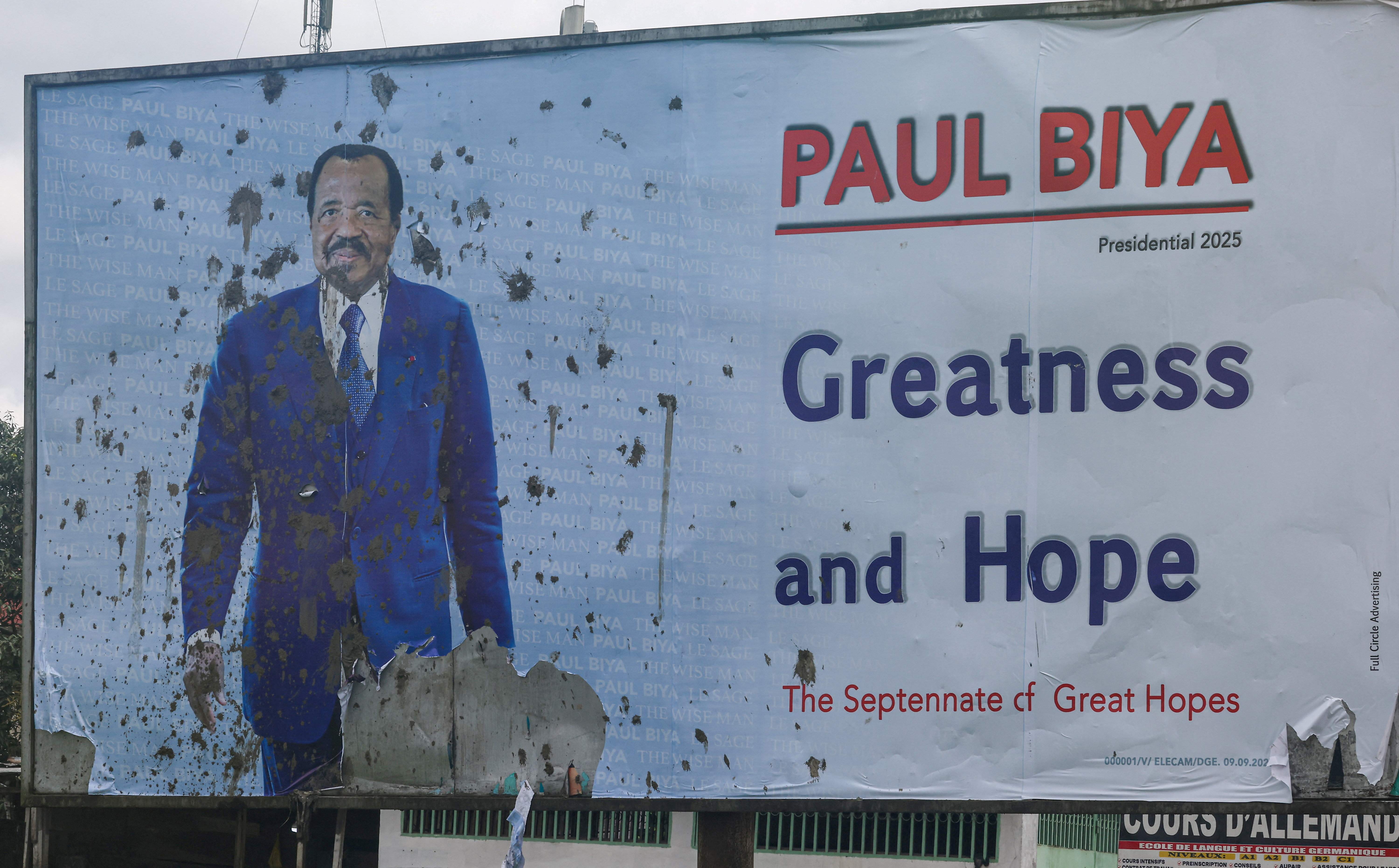
In Cameroon, citizens are wondering whether their 93-year-old president, Paul Biya, will ever return to the country he purports to lead. Biya has long had a habit of making frequent trips to Europe, but his latest stay in Switzerland has now lasted over two months. Rumors of his failing health abound, and intrigue surrounds the question of possible successors, as the post of vice-president remains vacant. Legally, only Biya can make that appointment. But it’s anyone’s guess as to whether the decrees emanating from Switzerland are actually coming from the President, or from powerful members of his inner circle. Any appointment made under these circumstances might not be accepted. The country could be left at sea, with no clearly legitimate process to right the ship. The costs to Cameroon—already apparent among investors— could be enormous, and instability could spread beyond the country’s borders.
Why do some elected officials cling to a powerful position at all costs, despite their inability to perform their duties? Perhaps they fear that they and their closest associates would be left vulnerable to politically-motivated retribution. Perhaps they have committed serious crimes, and fear that accountability might reach them when the protections of their office are gone. Perhaps they have convinced themselves that the greater good can only be served when they are in control—however delusional their sense of control might be. They believe potential successors or powerful opponents to be so dangerous as to imperil the state itself. It’s a level of self-aggrandizement totally incompatible with public service, or with any viable national project.
This behavior doesn’t just set the stage for messy transitions, as in Cameroon. It has a toxic effect on public trust and government accountability. Health secrecy and long absences invite speculation about who is really making day-to-day decisions, and this idea of hidden hands pulling strings behind the scenes fuels wild conspiracy theories; in 2018 some Gabonese were convinced that their then-President Ali Bongo, who suffered a stroke and was out of the country recovering for months, had actually died and been replaced by a clone. Similar rumors dogged former Nigerian President Muhammadu Buhari after his prolonged medical leave in the UK in 2017, perhaps because Nigerians had experience with bizarre, prolonged periods of uncertainty regarding presidential health. In November 2009, then-President Yar’Adua left Nigeria for medical treatment in Saudi Arabia and was never seen in public again. A power vacuum followed, forcing the Nigerian Supreme Court to demand proof of his fitness and the Senate to invoke the doctrine of necessity to transfer executive power to then-Vice President Goodluck Jonathan. Yar’Adua’s body was returned to Nigeria secretly and his death was announced in May 2010, but speculation about who was behind the transfer of power and when he actually died persists today.
Elected officials are human beings. They do not owe the public every miniscule personal health detail; some have weathered serious health crises with transparency and gone on to serve their constituents commendably. But when a measure of privacy becomes a campaign of subterfuge and authority becomes mysterious, citizens understand that unseen, unknown powers are accountable to no one.