Repositioning the Debate on Subsidies and Industrial Policy
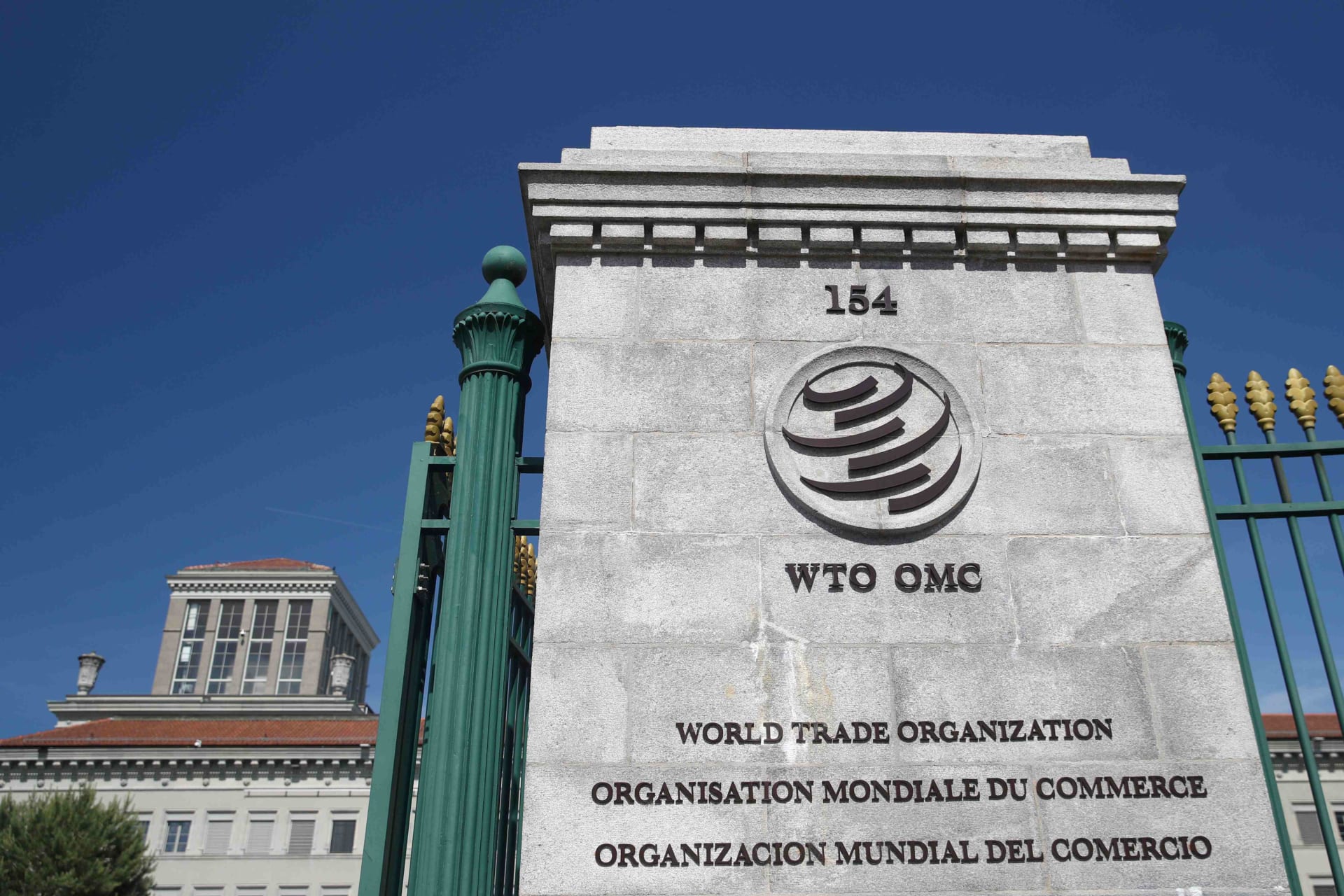
At the World Trade Organization’s annual Public Forum, which brings together researchers, civil society, practitioners, and businesses, CFR Senior Fellow for International Trade Inu Manak sat down with four leading experts on subsidies and industrial policy to explore increasing government interventions in the economy, where existing rules and tools fall short, and what the WTO can do to help.
By experts and staff
- Published
 Inu ManakSenior Fellow for International Trade
Governments have steadily increased their market interventions since the global financial crisis, and show few signs of fatigue. Some have embraced industrial policy, supporting certain economic activities to address market failures or other objectives. Sometimes, that support is targeted at specific sectors or firms; in other instances, support takes the form of consumer tax credits. Those interventions can create distortions in the market with significant unintended consequences. In recent years, that has prompted discussions on how to rethink subsidies rules and industrial policy to minimize the negative repercussions of market interventions.
Experts agree that most industrial policy measures come at a come with high costs and trade-offs. For example, industrial policy typically fails to identify objectives or a plan for correcting a specific market failure, which can lead to a lot of wasteful and untargeted spending. One way to help address this is for governments to involve the private sector and focus on championing competitiveness to succeed. Furthermore, if support measures do not sunset, firms have little incentive to invest in expanding their capacity and know-how, and will instead simply lobby for more support. Despite evidence that suggests caution in the design of government interventions and challenges in measuring their impact, governments are diving head-first into this new wave of industrial policy.
Amid a rising tide of trade barriers and challenges to fair competition, countries also face an array of conflicting pressures, chiefly among them, whether to pursue unilateral policy remedies or address those economic concerns through international coordination, such as through the World Trade Organization (WTO). Part of the challenge facing WTO members today is that the world has fundamentally changed since the institution’s founding, while the rules and tools to address those changes have not kept up.
Recent Trends
Although industrial policy interventions have been on the rise, their use has been concentrated among a small set of countries with the economic largesse to make significant financial investments. In fact, as research from Global Trade Alert shows, the United States, China, and the European Union account for more than 50 percent of all global subsidies. In total, 70 percent of trade-distorting subsidy measures taken in 2023 were by advanced economies. The chart below shows that emerging- and developing-market economies lag behind in their industrial policy actions.
Research also shows that, in addition to the growth of subsidies, there has been a notable shift in the justification for those interventions. Significantly, 57 percent of industrial policy actions taken between 2023 and 2025 cited strategic competitiveness. Overall, those trends raise concerns about industrial policy objectives and the potential for negative spillover effects when few countries have the ability to engage in such large-scale state intervention.
Measuring the Impact of Industrial Policy
Analysis of industrial policy is a persistent challenge. Researchers cannot understand its impacts until after the policy has been implemented; however, it is then difficult to determine whether the policy was effective because it is impossible to know the counterfactual. That is, what would things have looked like absent the intervention?
This is precisely why clear objectives are critical for evaluating any given policy. For example, a tax credit for purchasing an electric vehicle could have the objective of increasing electric vehicles sales to help reduce fossil fuel consumption. If that tax credit requires that consumers purchase certain types of cars, however, it is potentially at odds with increasing electric vehicle purchases overall if it tries to nudge consumption away from the most efficient or cost-effective choice to serve other objectives, such as buying cars assembled domestically.
International organizations, such as the Organization for Economic Cooperation and Development (OECD), have been studying industrial policy for decades. Their research has shown the importance of transparency and understanding the effects of subsidies on trade and economic competition, the need for best practices in designing industrial policies to limit negative spillovers, and the role of institutions in shining a light on the impact of subsidies on economic development, particularly in poorer countries. The OECD has advanced its work in thinking through the guidelines that could support better industrial policy design, including evidence-based diagnosis, building consensus for policies beyond the government, and developing clear objectives.
Many researchers have also looked at country-specific examples of industrial policy to explore policy design. India, for example, has used a range of production-linked incentives to boost manufacturing and employment in sectors such as solar panels, electronics, and pharmaceuticals. That list of sectors has expanded to fourteen chosen for their strategic value. Importantly, the incentives are not limited to domestic manufacturers but are also available to foreign investors that meet certain performance criteria. In addition to production-linked incentives, India’s industrial policy has included high tariffs and a domestic content requirement, which raise costs for manufacturing investments, thus cutting against India’s industrial policy goals. Research has shown that India could better support its objectives if it were to focus on removing obstacles to investment, reforming land and labor markets, scaling back tariffs, and encouraging research and development.
Repositioning the Debate
While governments are engaging in widespread industrial policy, they are also addressing the harms of foreign subsidies on their domestic markets and looking for opportunities to coordinate those efforts with other countries. The European Union, for instance, has developed a set of rules called the Foreign Subsidies Regulation to address market distortions from foreign industrial policies. At the international level, some countries have called for reining in harmful subsidies and also providing more clarity on permissive subsidies that support global public goods. Rethinking how existing rules at the World Trade Organization are crafted could further this goal.
Ultimately, to address the challenges presented by the growth of industrial policy, its harms, and economic development concerns, the conversation needs to pivot from a race to outspend other countries to a more thoughtful, targeted, and evidence-driven approach, in line with findings in the current research.
Listen to the full conversation here.