Greenberg Center for Geoeconomics
The Greenberg Center for Geoeconomics examines how economic and geopolitical forces interact to shape the world. Sign up for our newsletter Geoeconomics Dispatch.
The work of the Greenberg Center for Geoeconomics is generously supported by leadership commitments from the Starr Foundation and the Amy Falls and Hartley Rogers Foundation. Additional support is provided by the Peterson Foundation, Sadek Wahba, John Paulson, Chris Hughes, Bob Pozen, and the Smith Richardson Foundation.
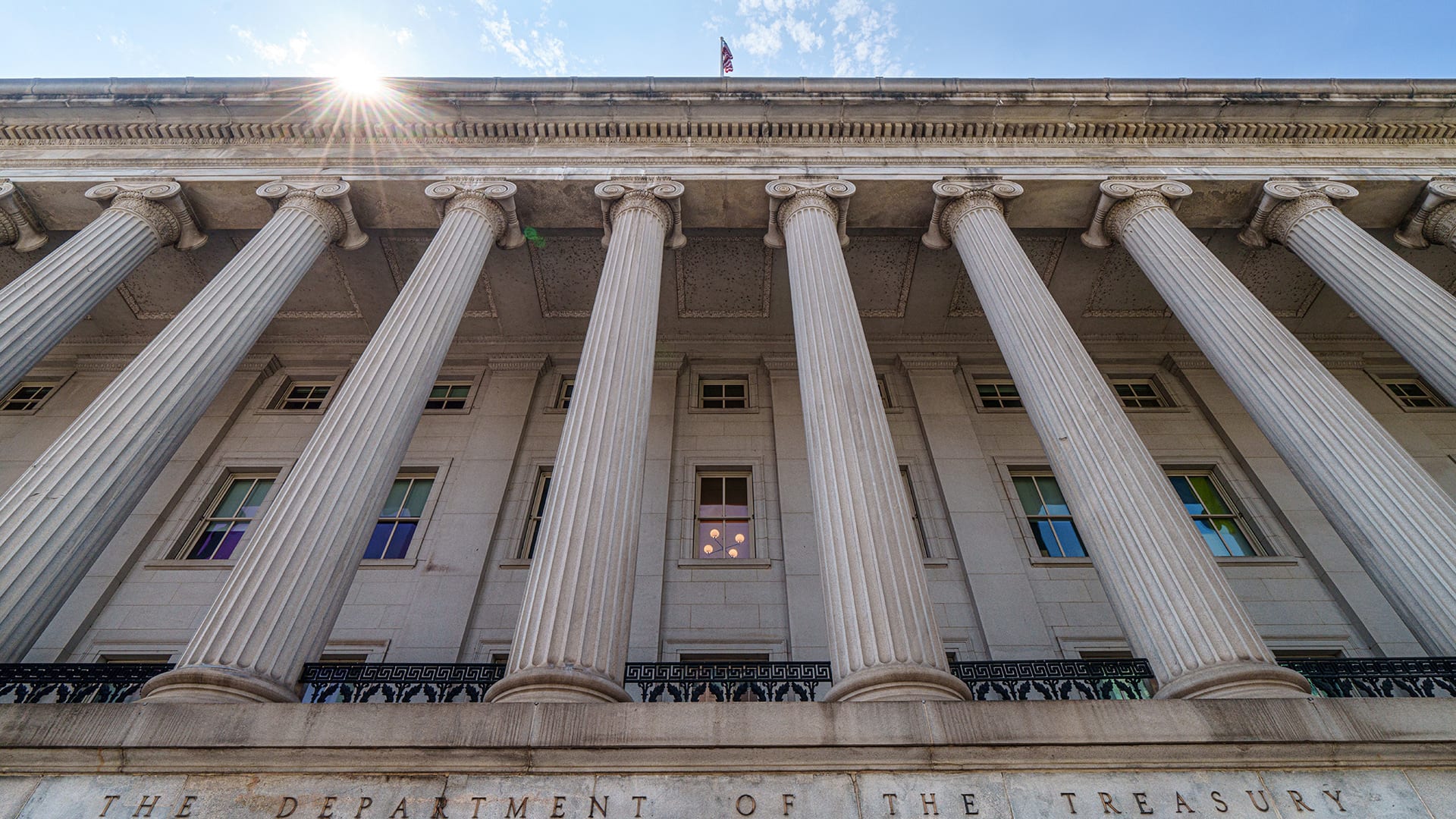

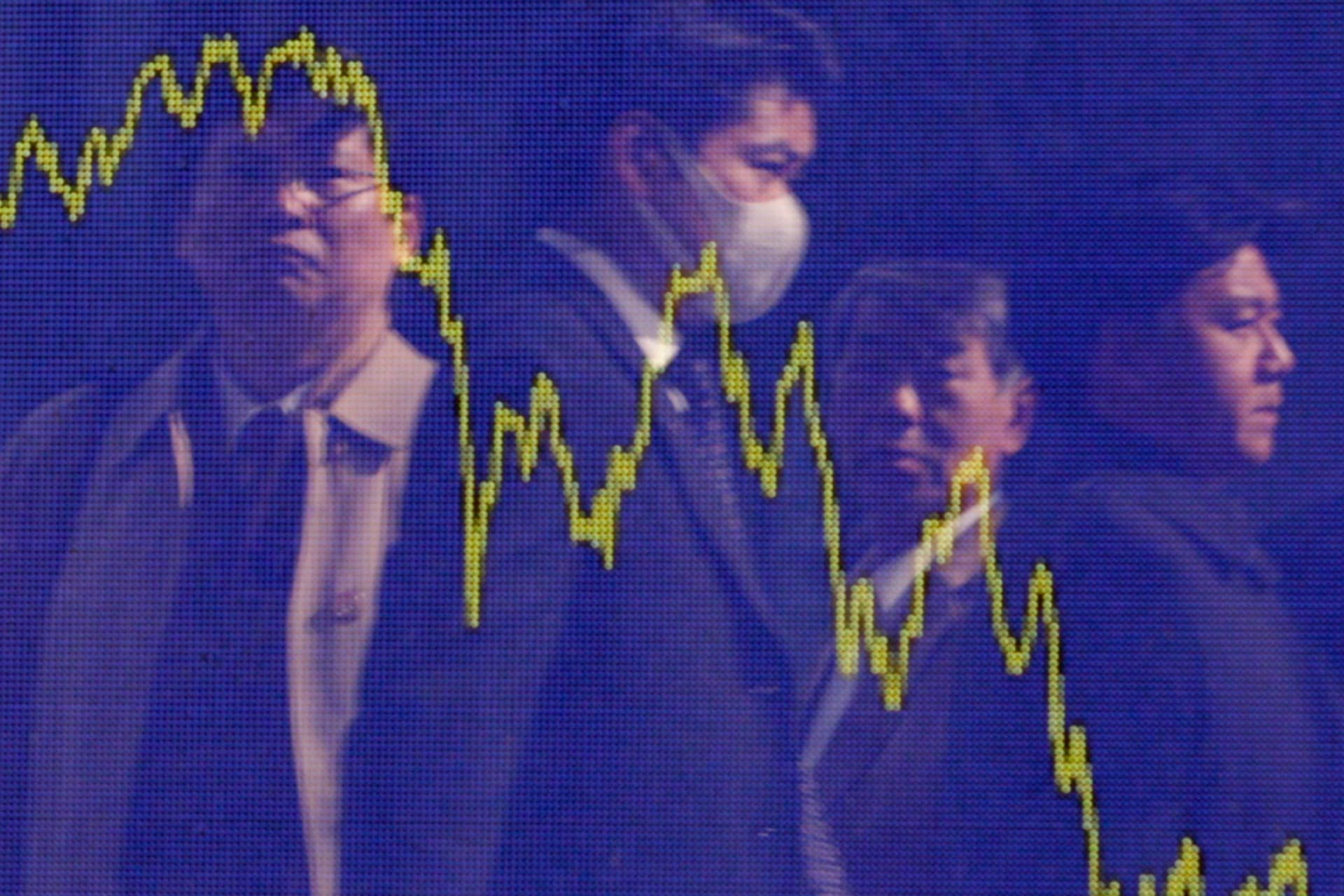
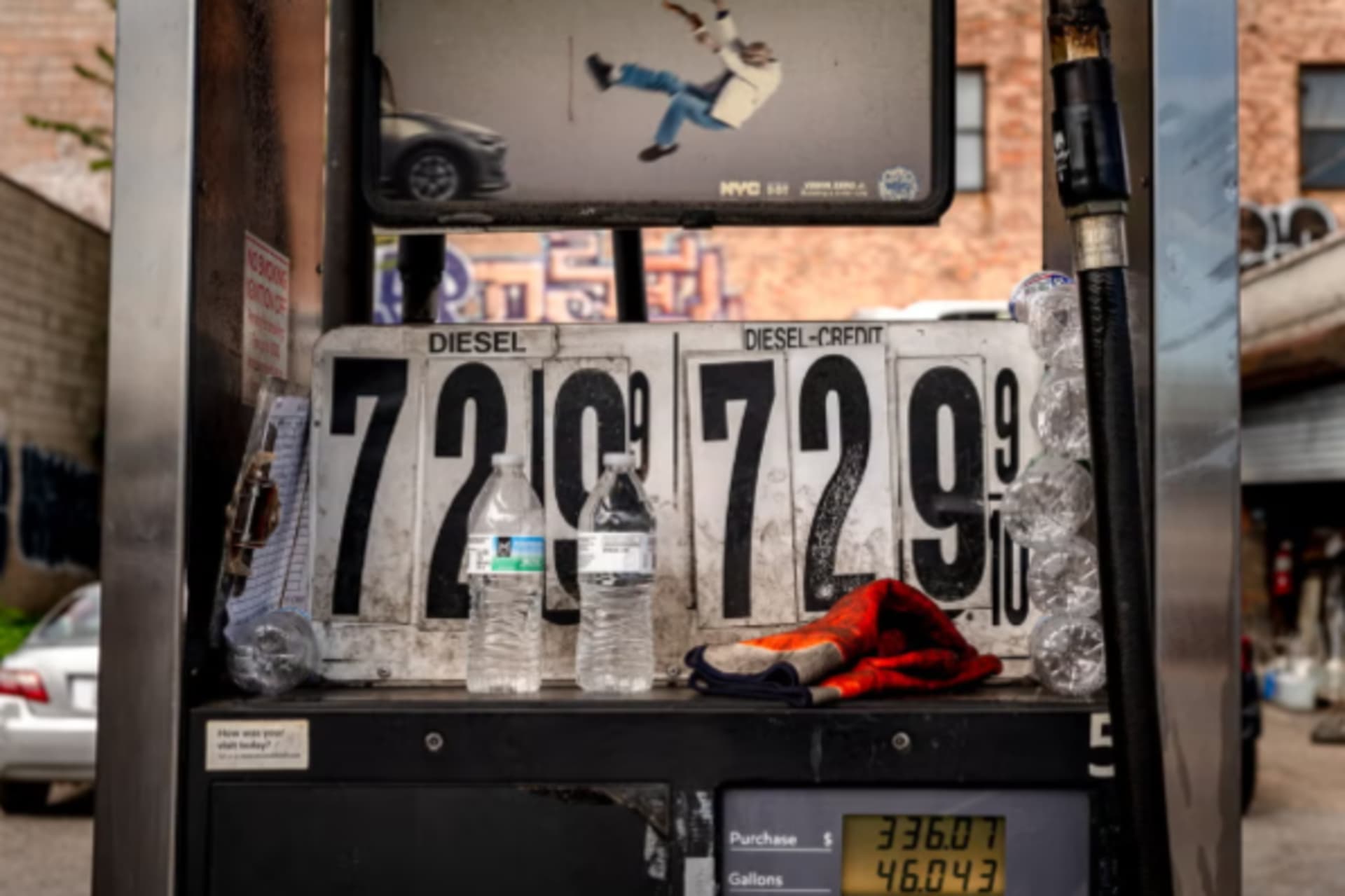
Four CFR experts explain why Treasury’s market interventions haven’t lowered bond yields, how the sell-off is spreading abroad, and how AI spending and higher oil prices are affecting the bond market.
By Benn Steil, Rebecca Patterson, Sebastian Mallaby and Brad W. Setser
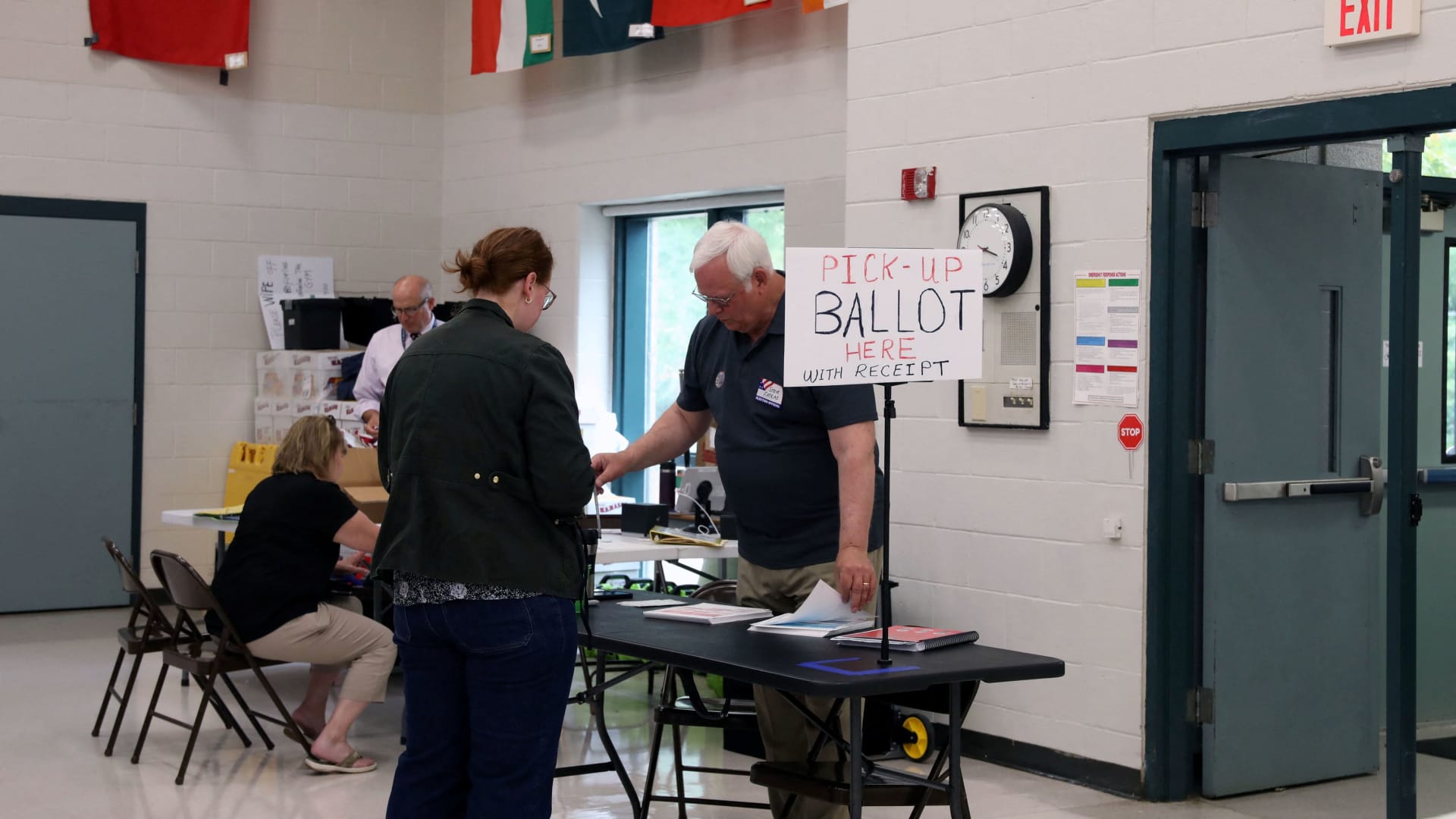
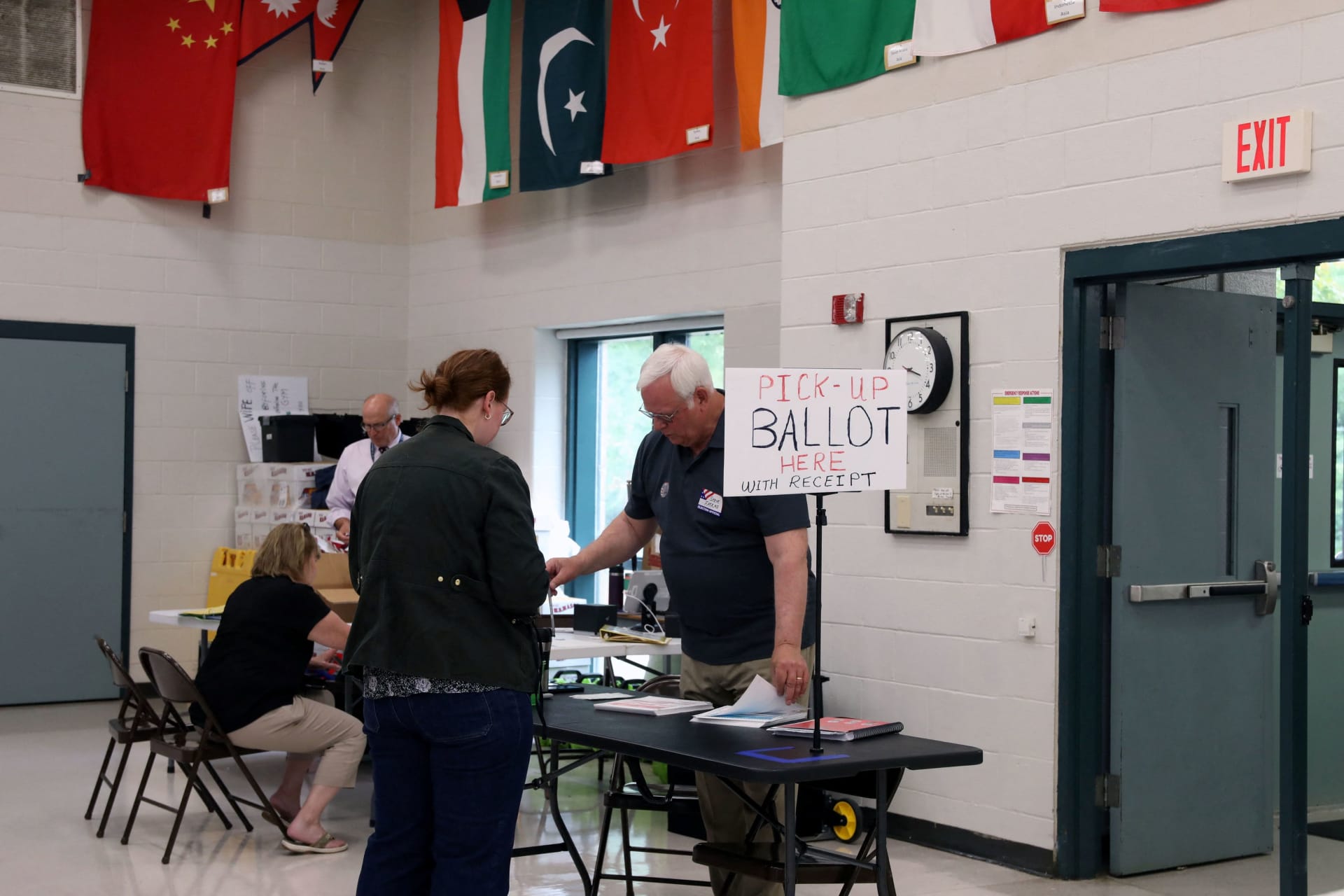
As Americans worry about affordability, the midterm elections could be a referendum on the Trump administration’s tariffs and trade policy.
By Allison J. Smith


report
The Pharma Choke Point
The U.S. pharmaceutical supply chain faces a threat equal to the “rare earths” challenge already posed by China’s exploitation of its dominance of those critical minerals. The authors provide an archetype model that policymakers and researchers can...
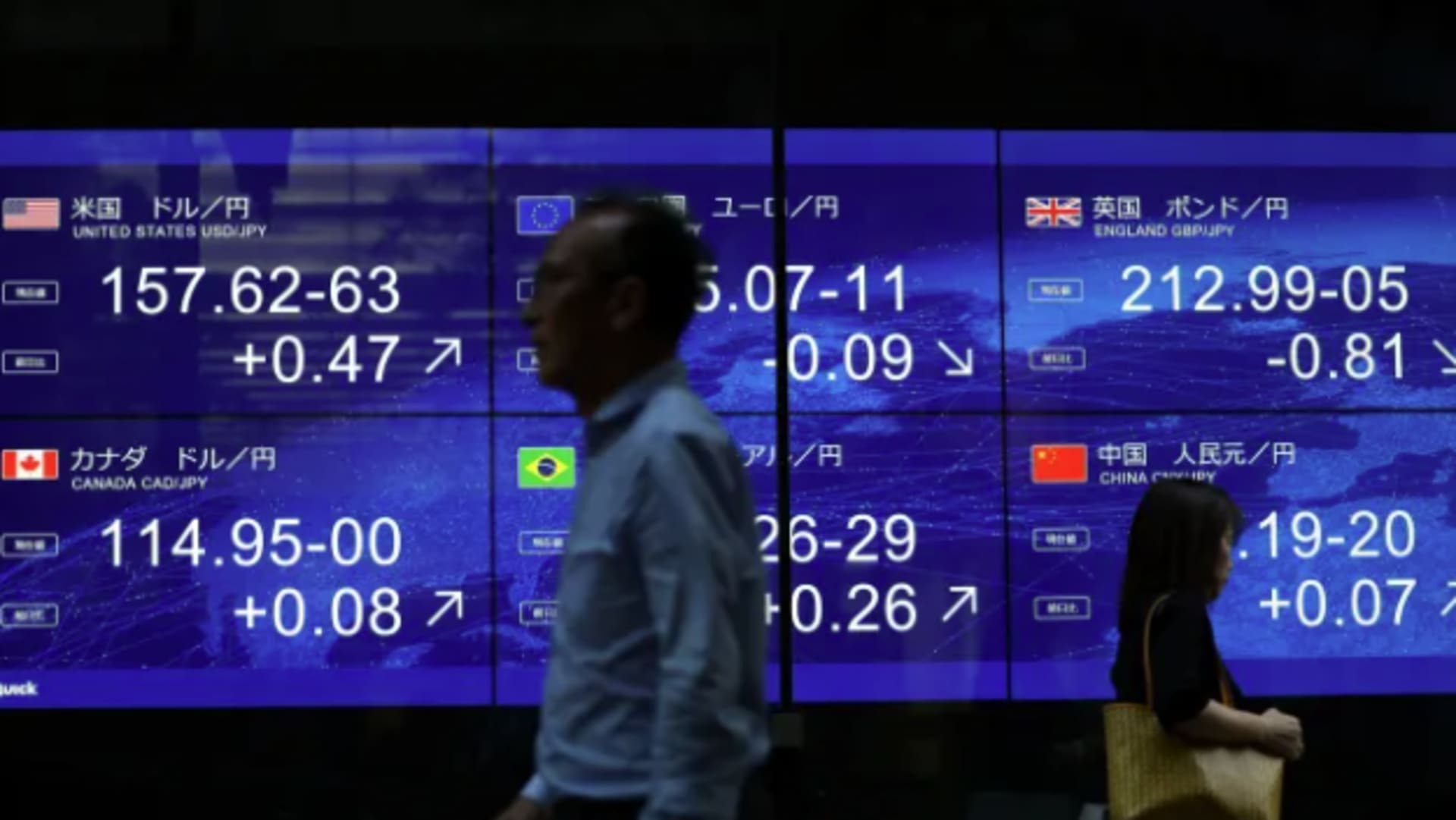
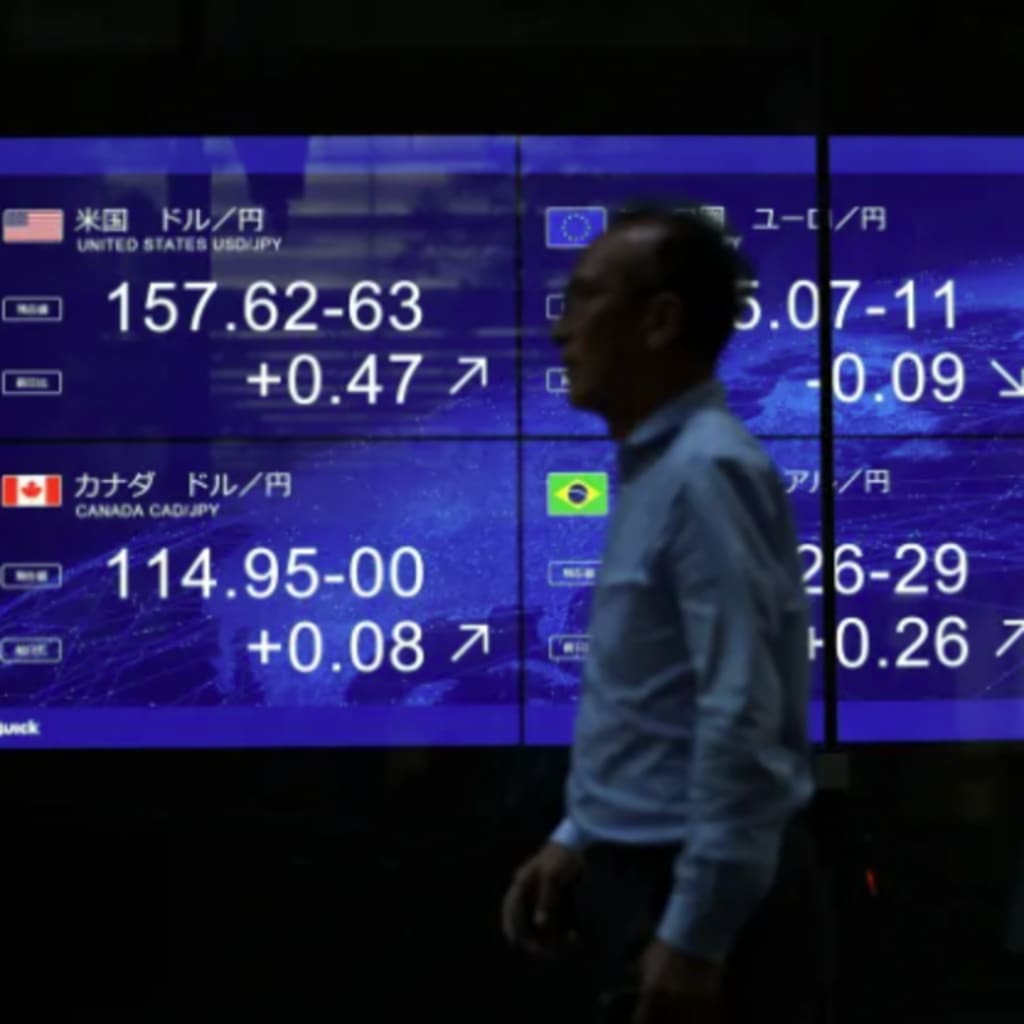
By Brad W. Setser
article
The Age of Economic Warfare
Economic warfare has gone global, and the post-1990s economic order, built for an age of efficiency rather than rivalry, is fragmenting. Three futures are possible: managed globalization, competing blocs, or pure transactionalism.
By Edward Fishman
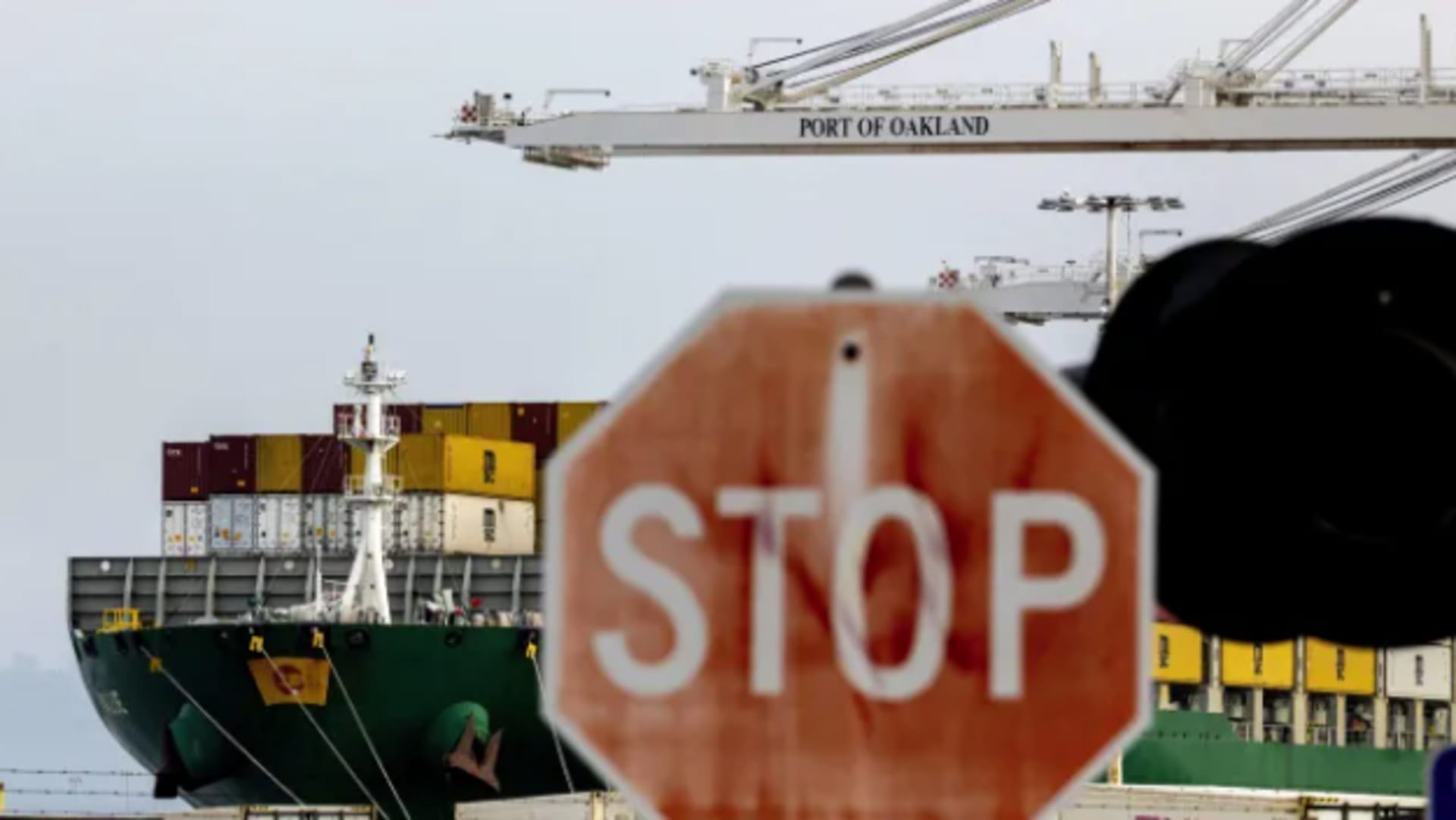
By Inu Manak and Allison J. Smith

article
How to Fight an Economic War
By Edward Fishman

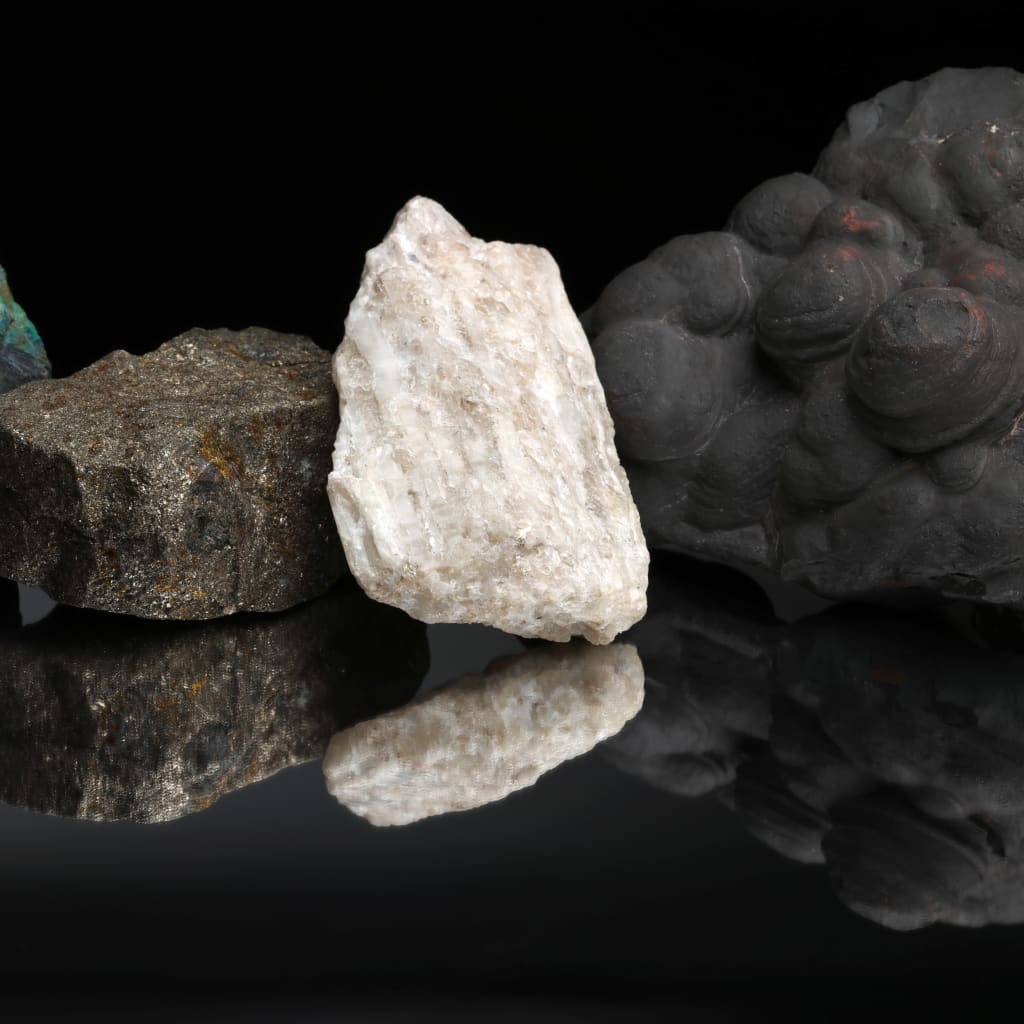
The United States cannot out-mine and out-process China. Instead, it should leapfrog China’s dominance by scaling disruptive innovation, recovery, and recycling.
Core Questions
The Greenberg Center will address four foundational questions about how the United States should navigate a changing geoeconomic landscape.
- How can we deploy economic power without eroding its foundations?
- How can we safeguard economic security without undermining growth and prosperity?
- How can we secure leadership in the technologies and industries that will define the future?
- How is the global economic order changing—and what kind of order should we seek to build?
Research
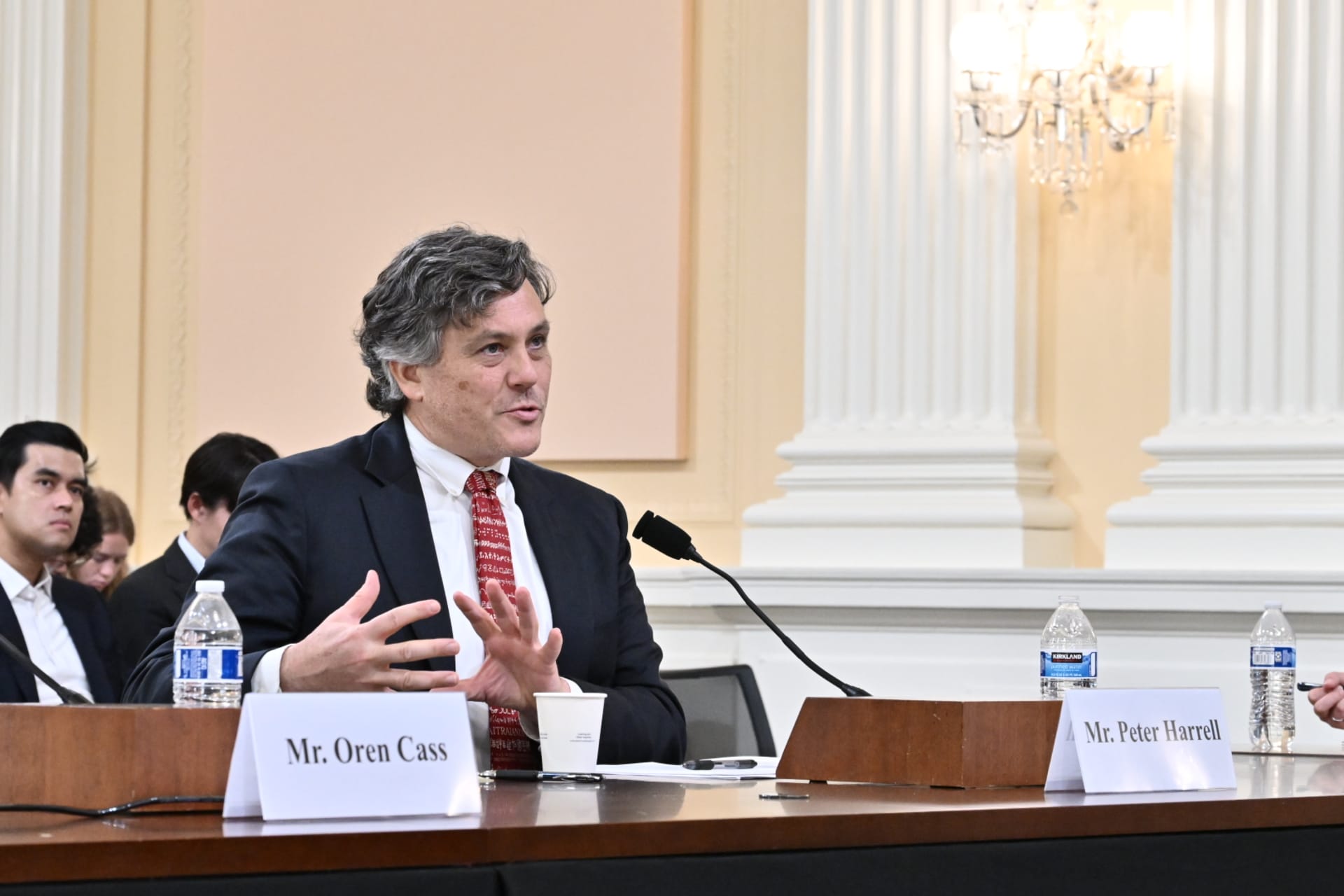
Testimony From Peter Harrell on Tools to Counter the CCP's Industrial Policy and Supply Chain Threats
By Peter E. Harrell
Peter Harrell’s testimony to the House Select Committee on China addresses why the United States should act before Chinese vehicles and robots become entrenched, how exporters evade restrictions, and what domestic investment must accompany import controls.
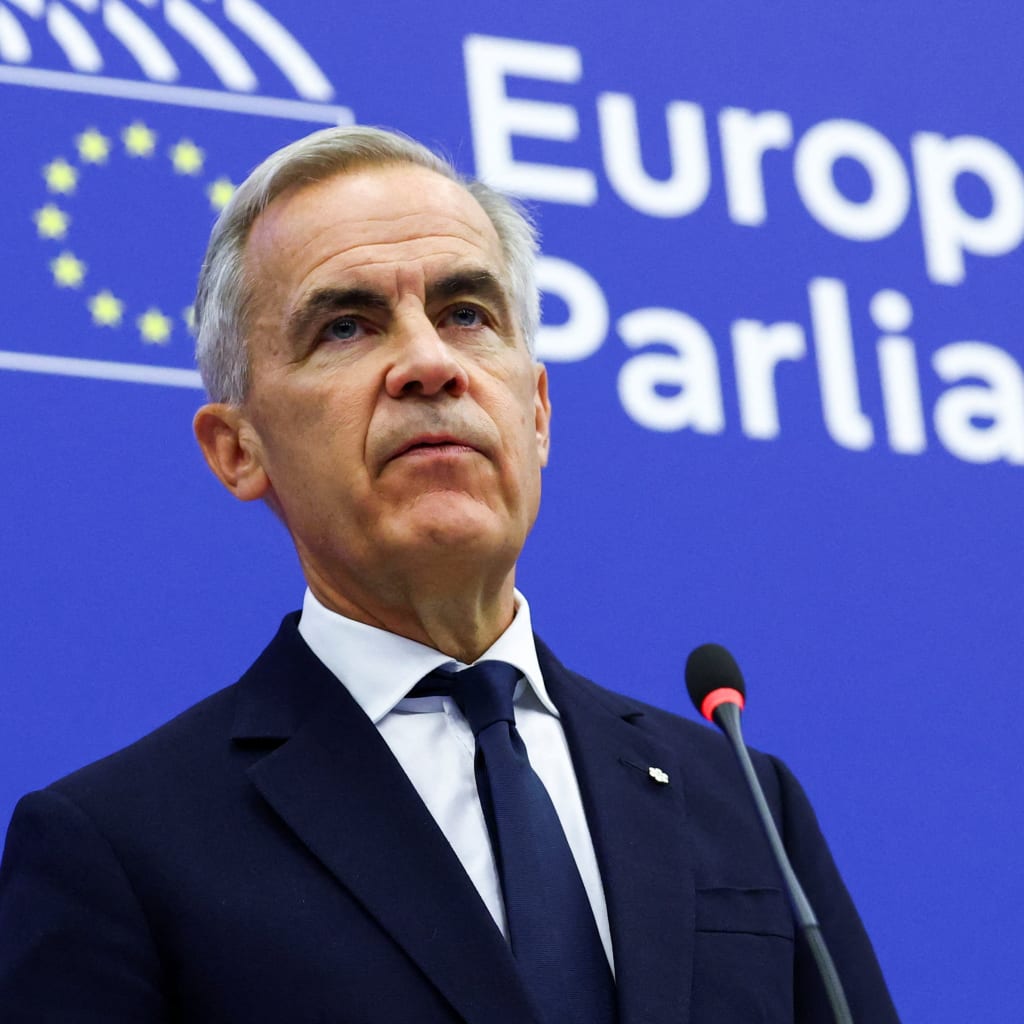
What Can Europe Really Offer Canada?
By Matthias Matthijs
The Real Cost of the U.S.-Canada Trade Breakdown
By Brad W. Setser
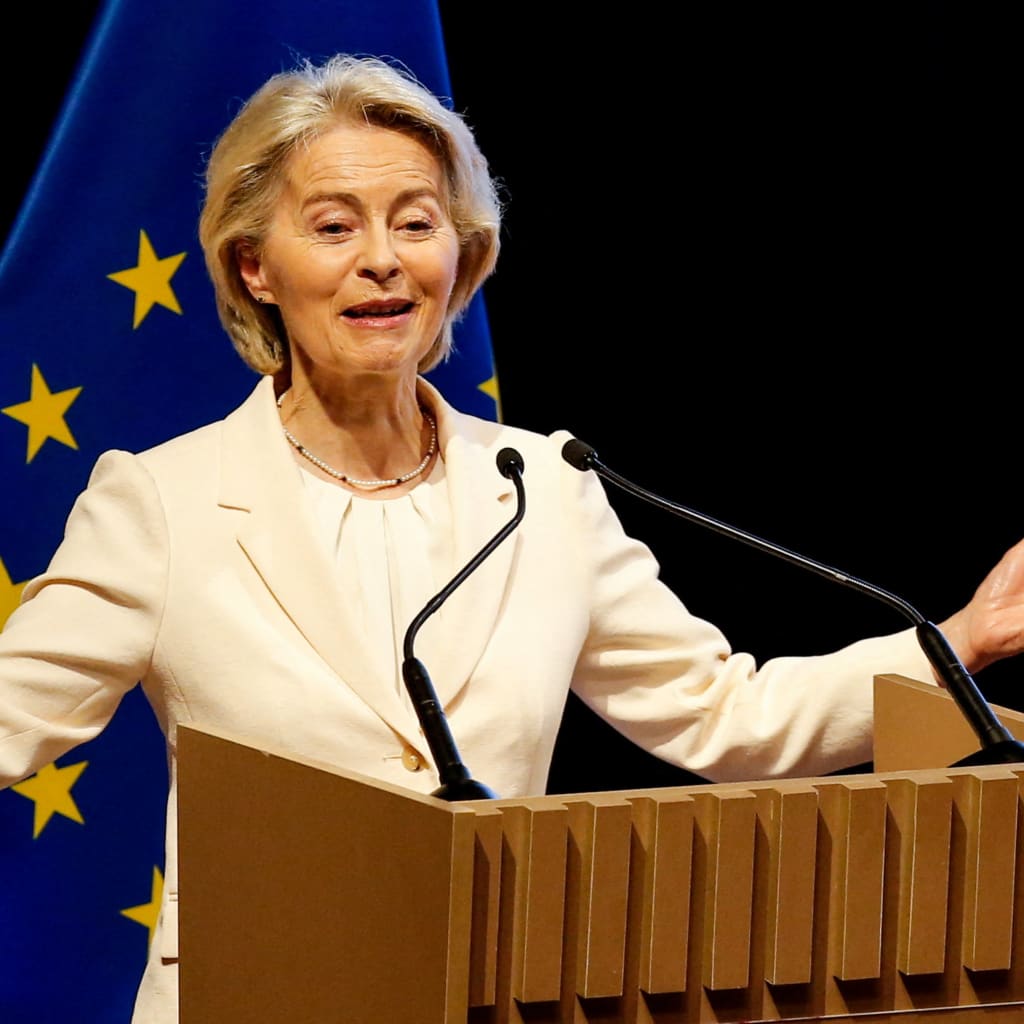
Europe Has to Take on China to Save Free Trade
By Shannon K. O'Neil
China, Not Europe, is the Source of the World’s Imbalances
By Brad W. Setser
Events
 Meeting
 Meeting
 Conference
In the News
Featuring Heidi E. Crebo-Rediker
Featuring Edward Fishman
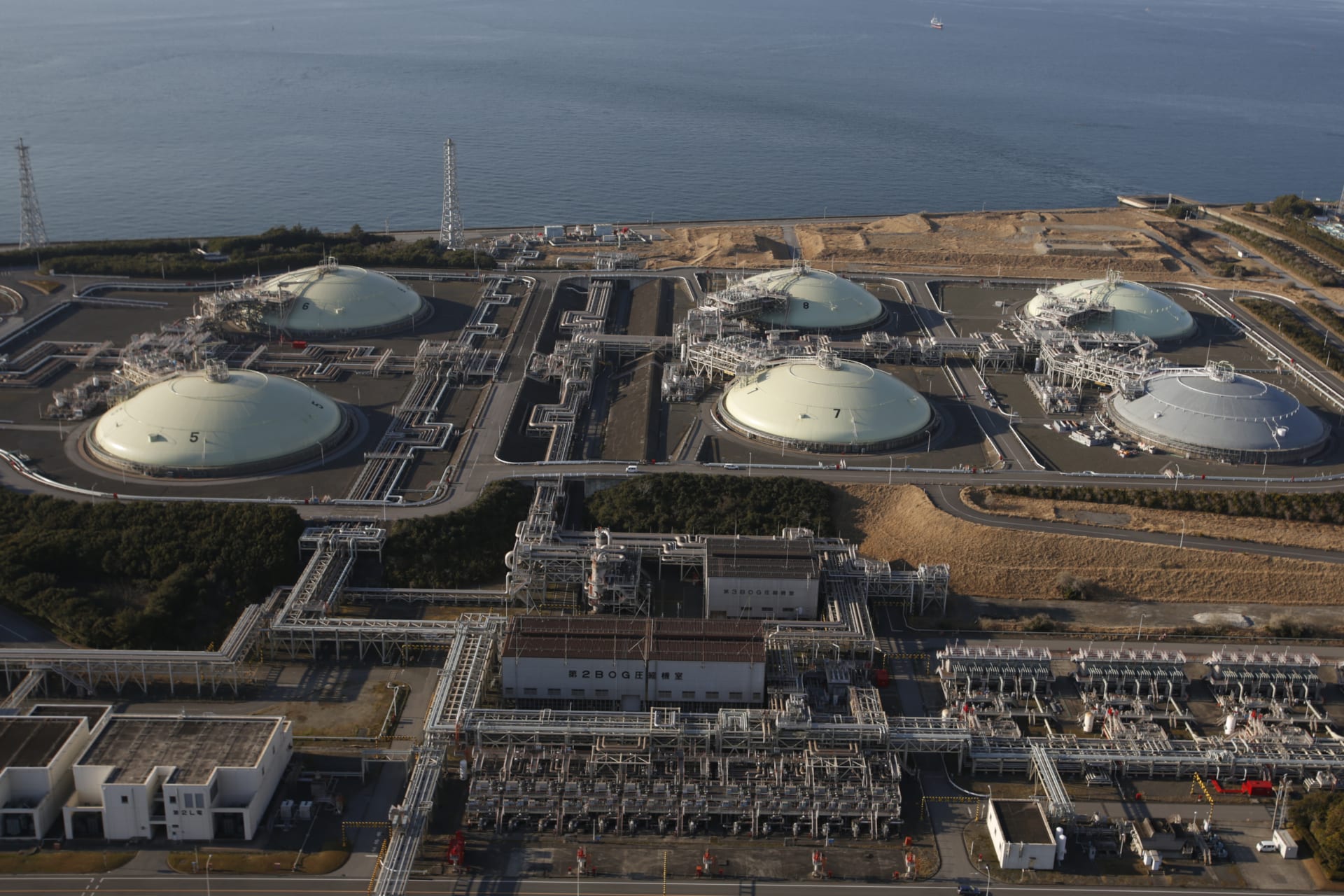
Featuring Clara Gillispie

Donald Trump's next move on Iran: 'Economic D-Day'
ABC Radio National
Featuring Edward Fishman
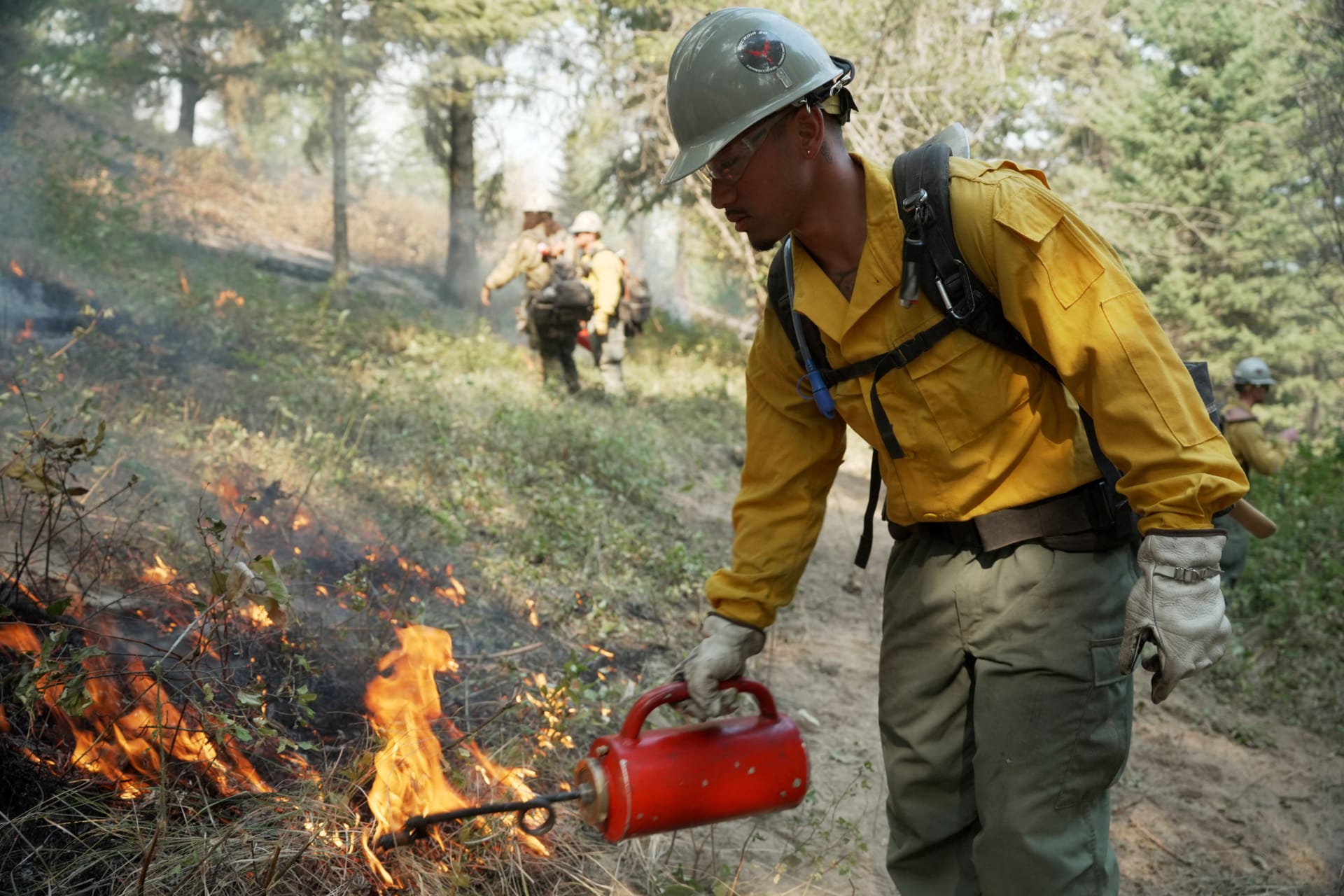
Featuring Alice C. Hill
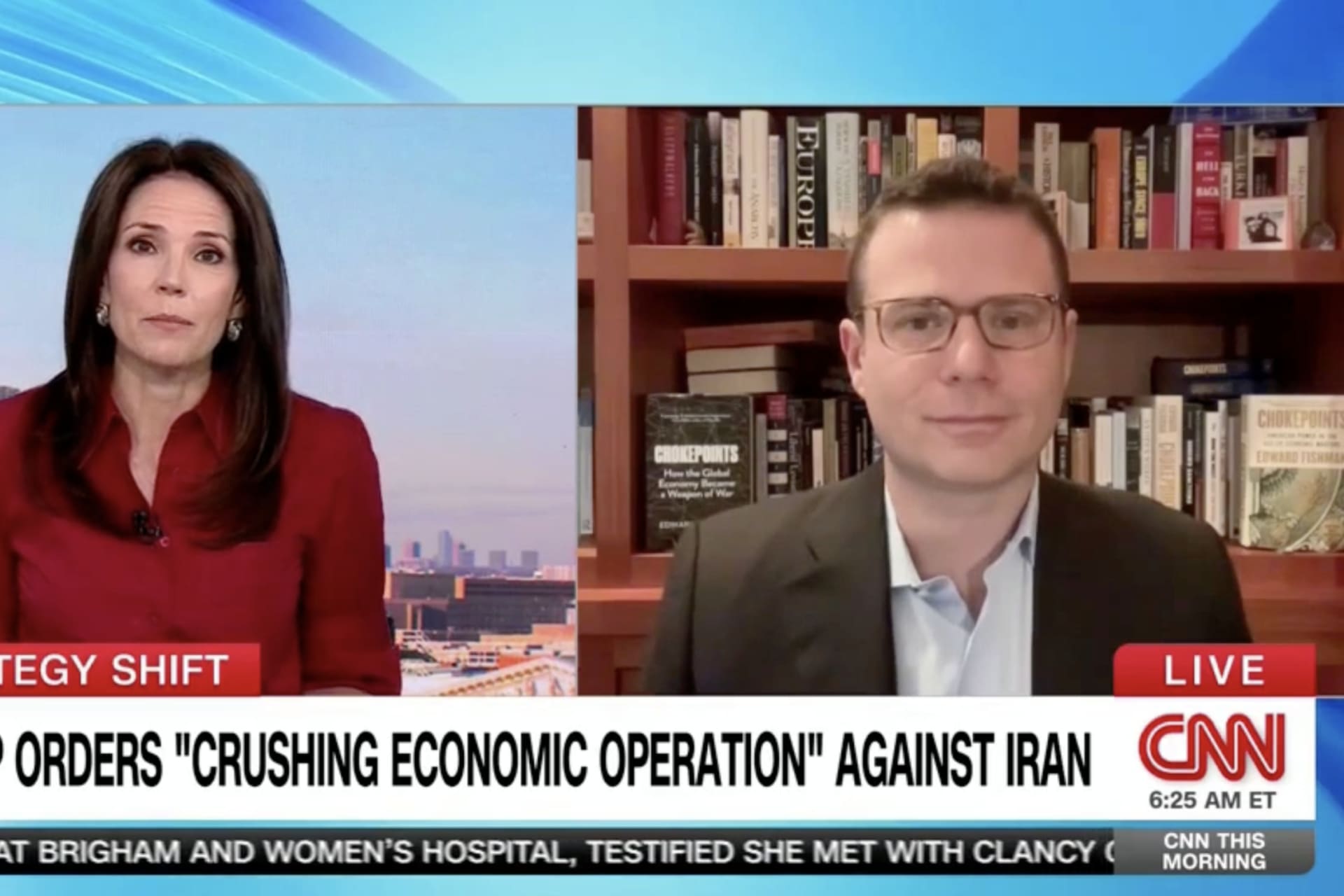
Featuring Edward Fishman
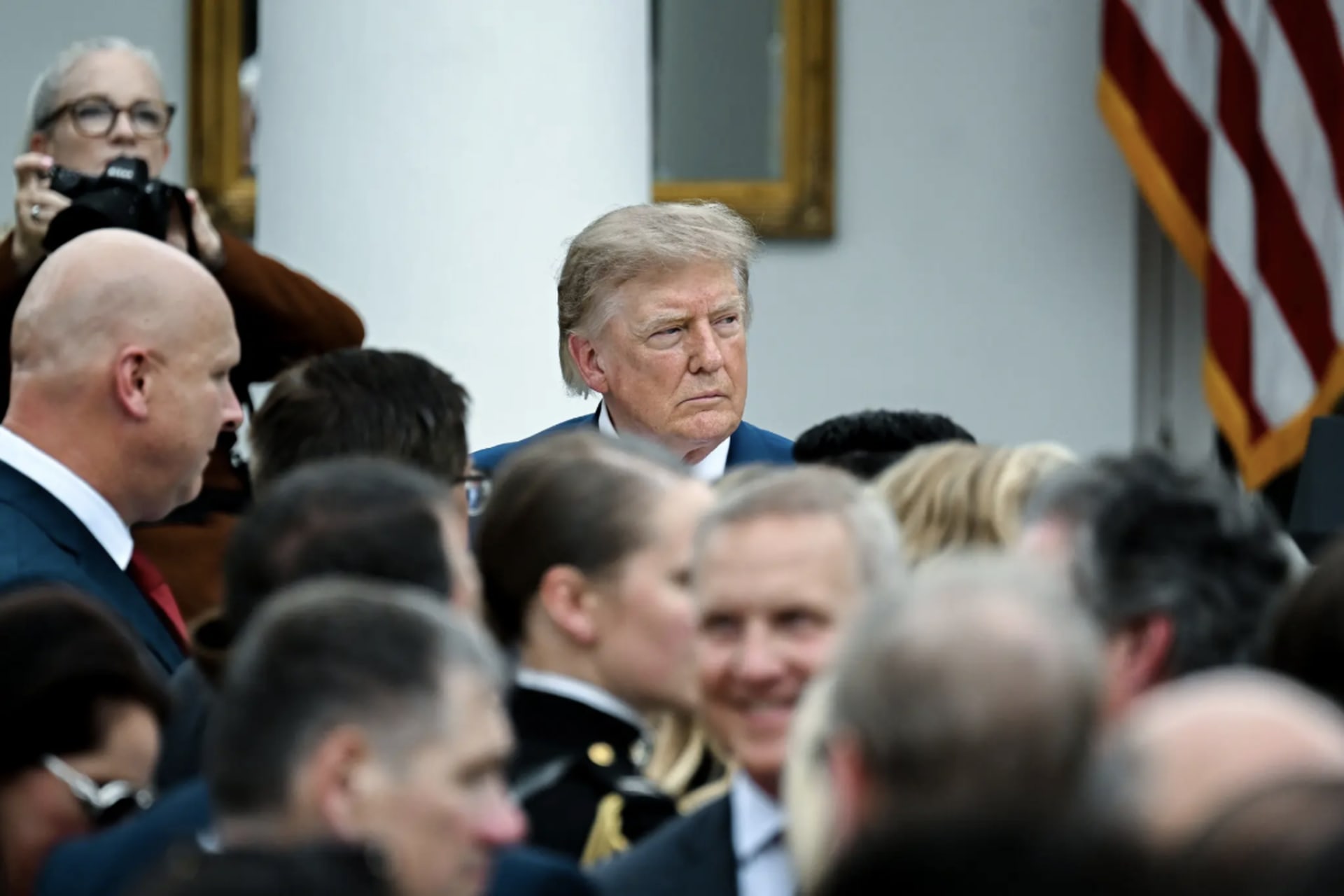
The Message Behind Trump’s Threats of ‘Economic Warfare’ Against Iran
The New York Times
Featuring Edward Fishman
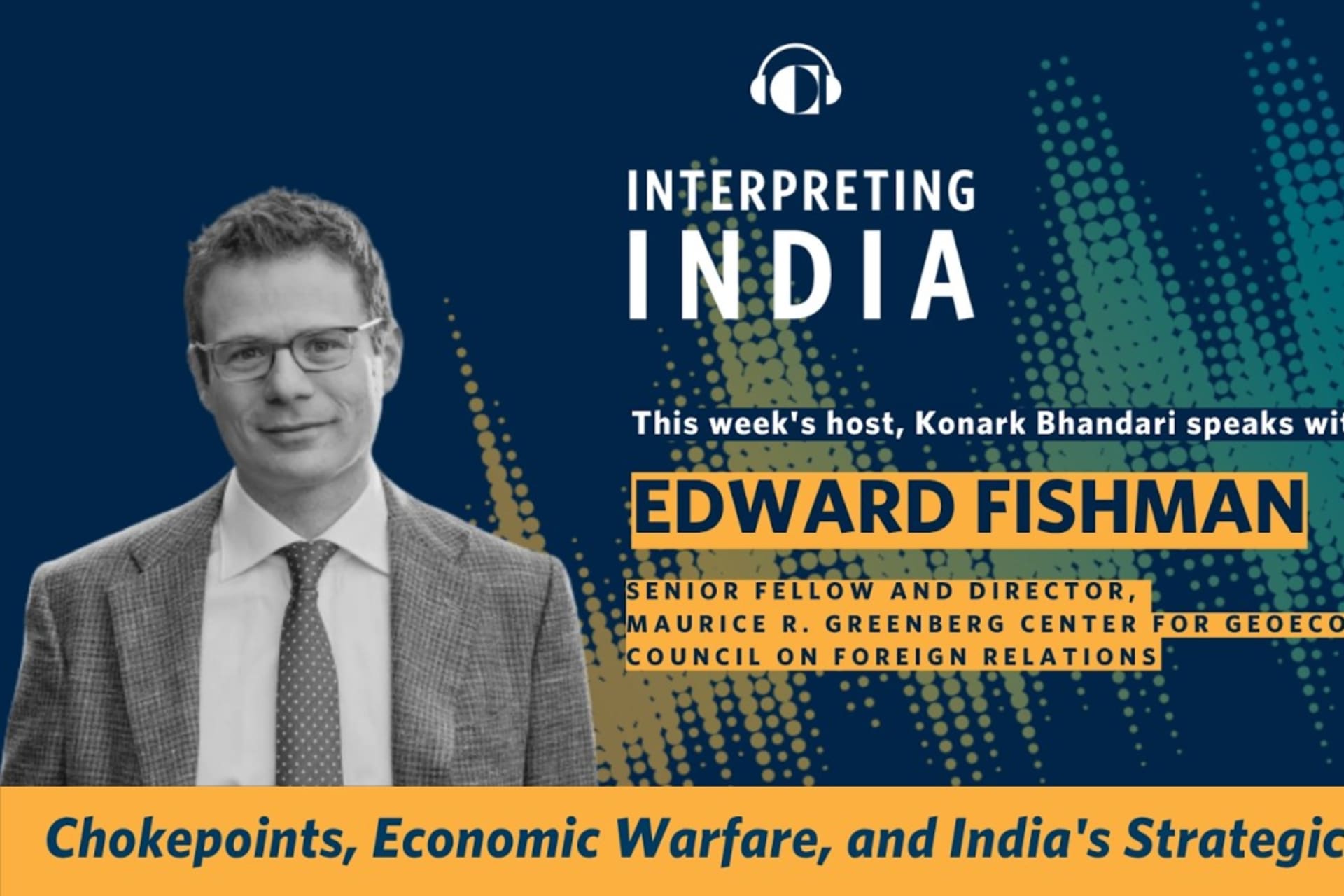
India, Australia, and the Critical Minerals Opportunity
Carnegie India
Featuring Edward Fishman
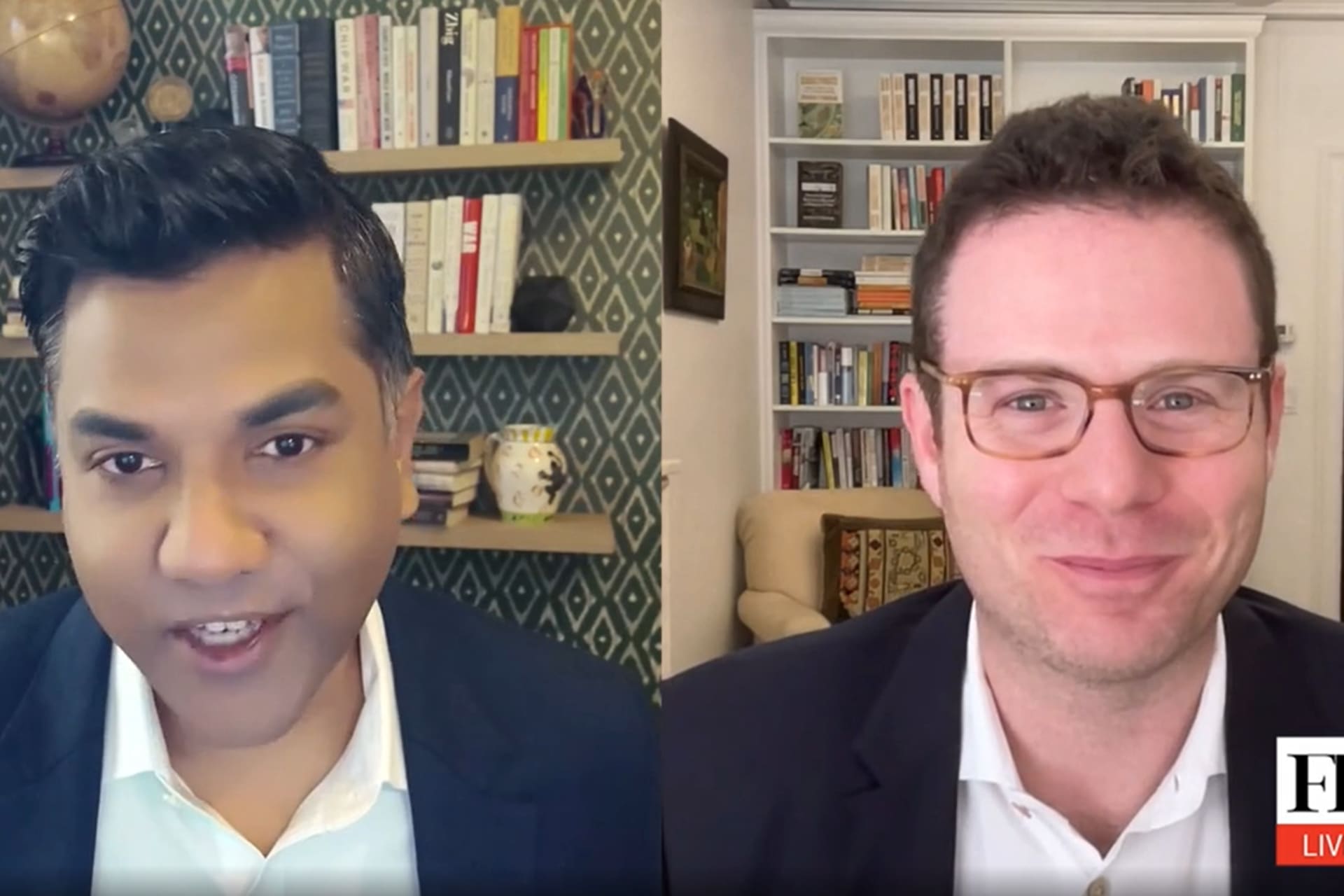
The New Rules of Economic Warfare
Foreign Policy Live
Featuring Edward Fishman
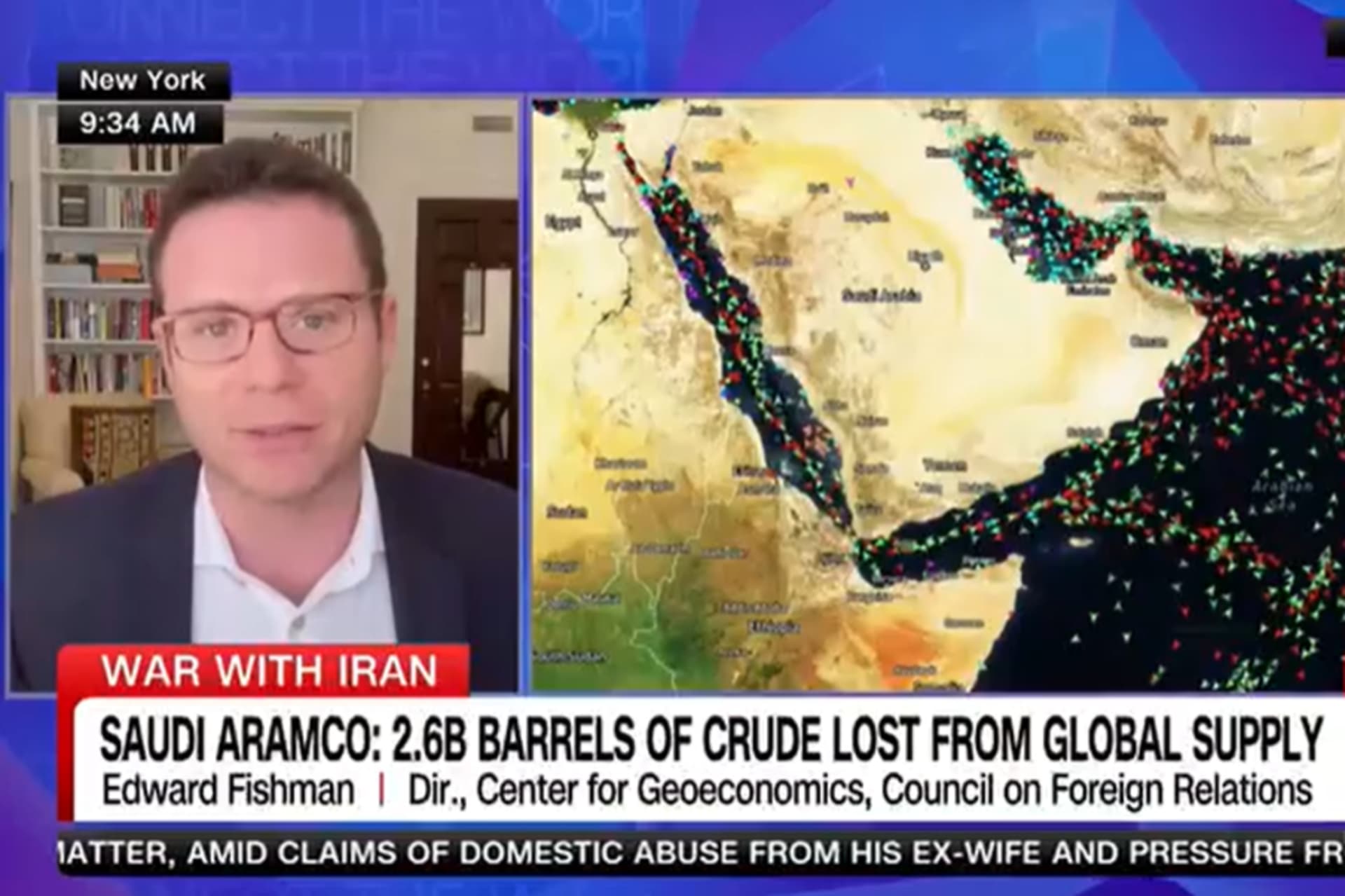
Fishman on CNN on the Strait of Hormuz closure putting focus on economic chokepoints
CNN International
Featuring Edward Fishman
The weaponisation of trade
Financial Times
Featuring Edward Fishman

Featuring Clara Gillispie
Program Experts
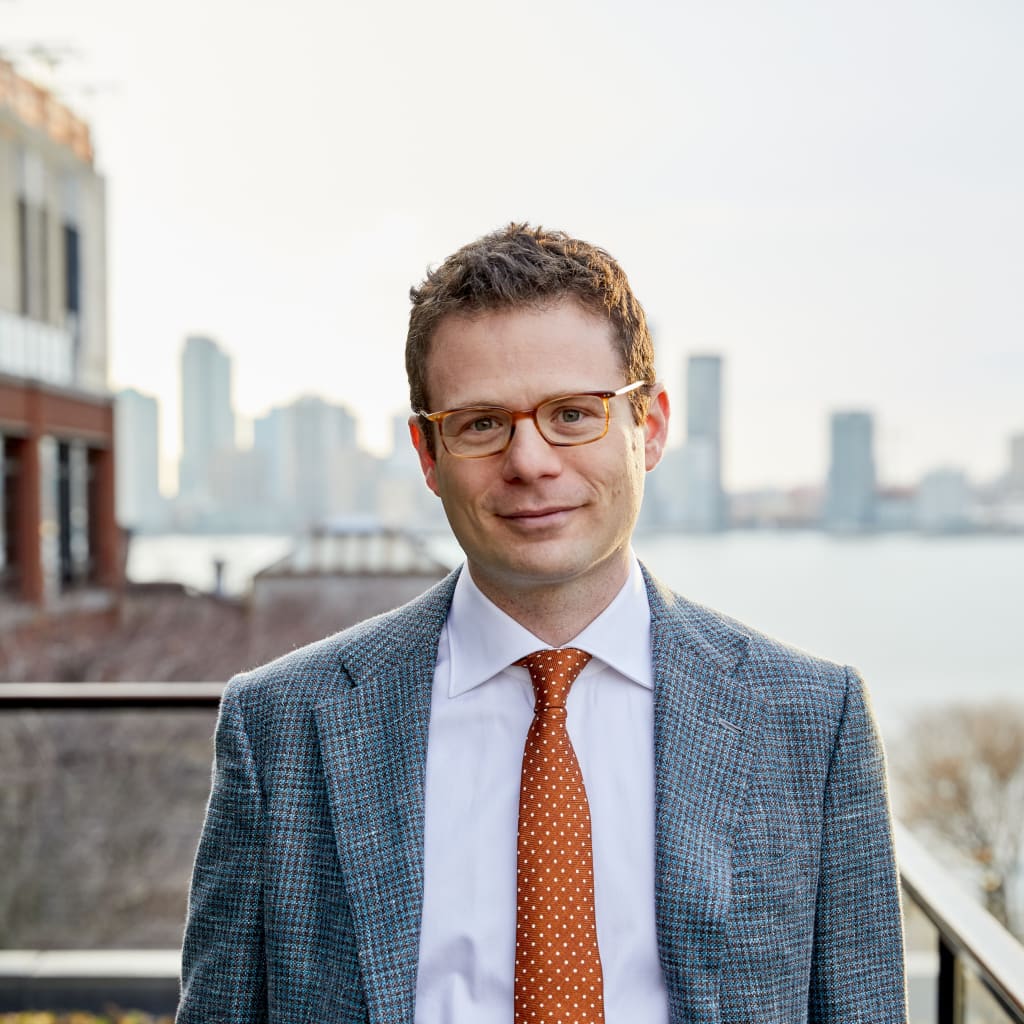
Edward Fishman
Senior Fellow and Director of the Maurice R. Greenberg Center for Geoeconomics
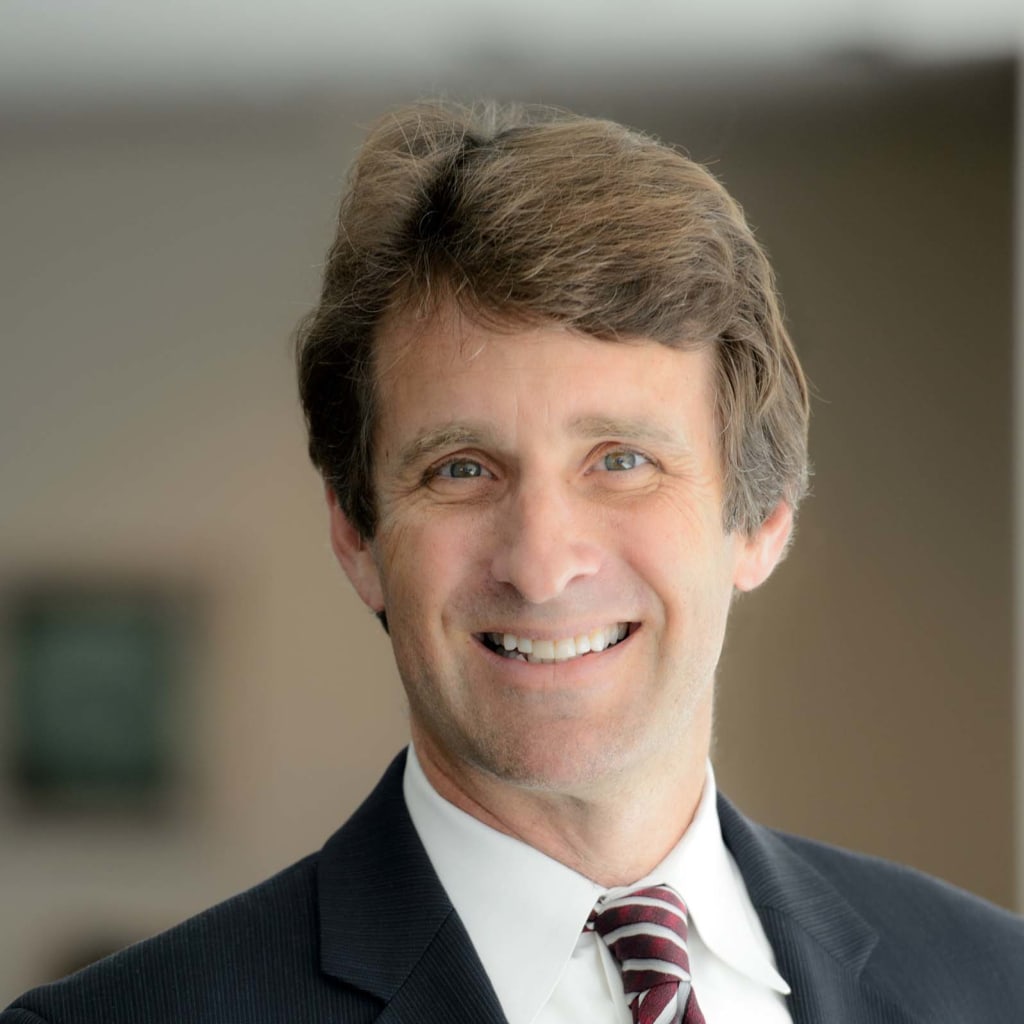
Edward Alden
Senior Fellow
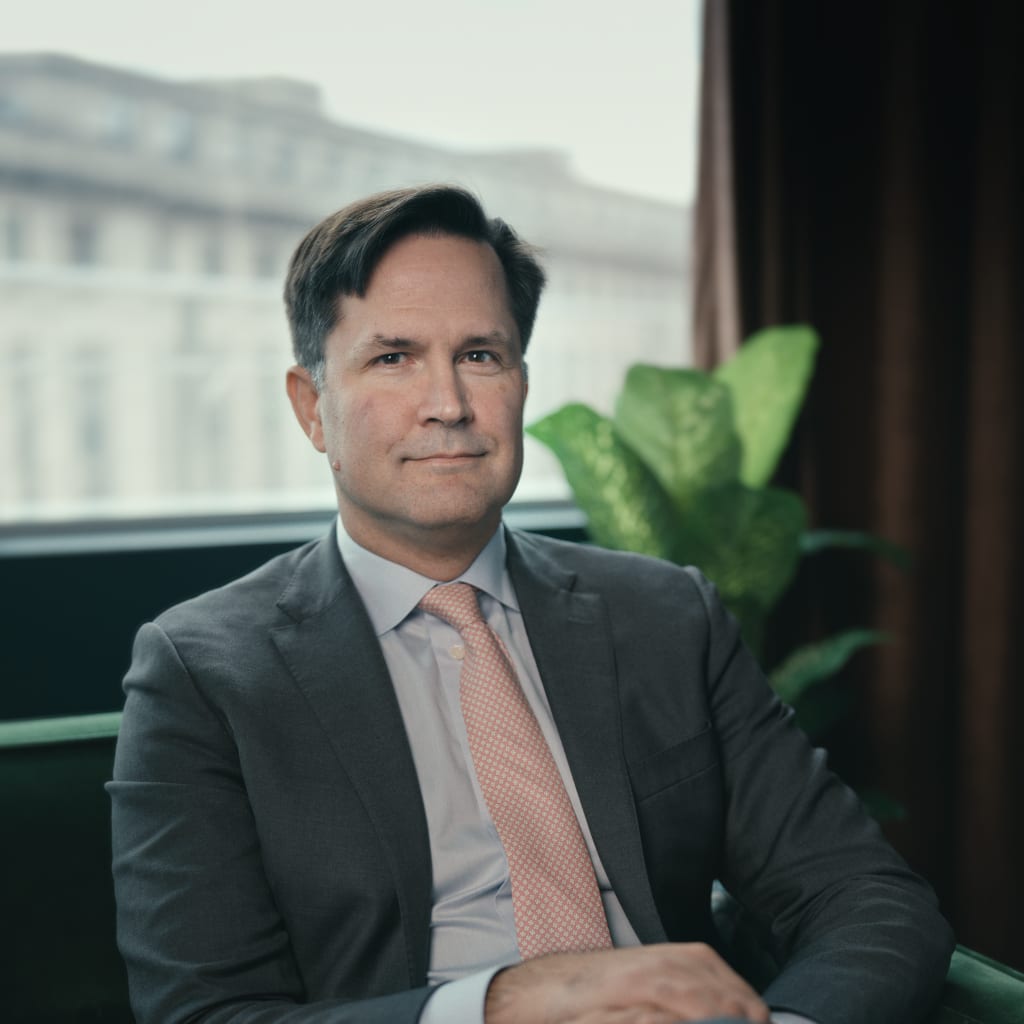
Thomas J. Bollyky
Bloomberg Chair in Global Health; Senior Fellow for International Economics, Law, and Development; and Director of the Global Health Program

Heidi E. Crebo-Rediker
Senior Fellow
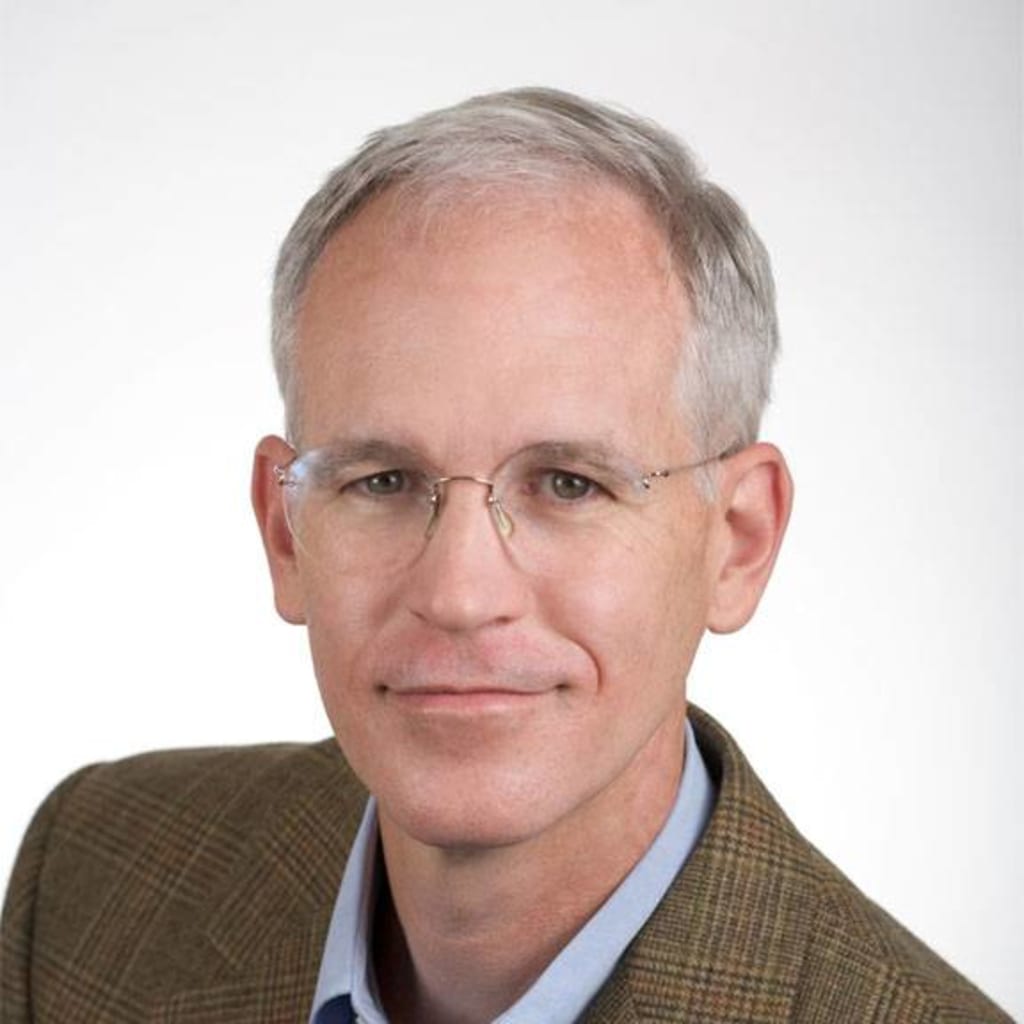
James P. Dougherty
Adjunct Senior Fellow for Business and Foreign Policy
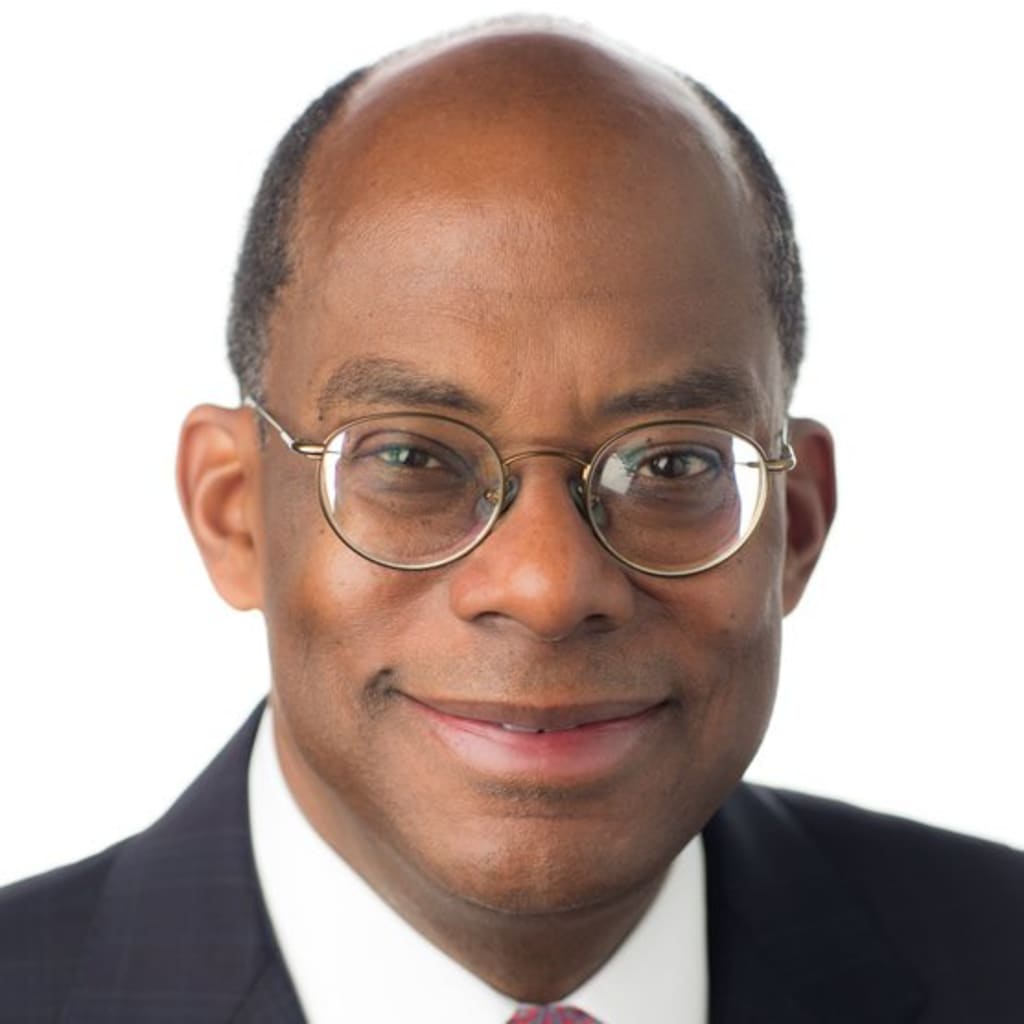
Roger W. Ferguson Jr.
Steven A. Tananbaum Distinguished Fellow for International Economics
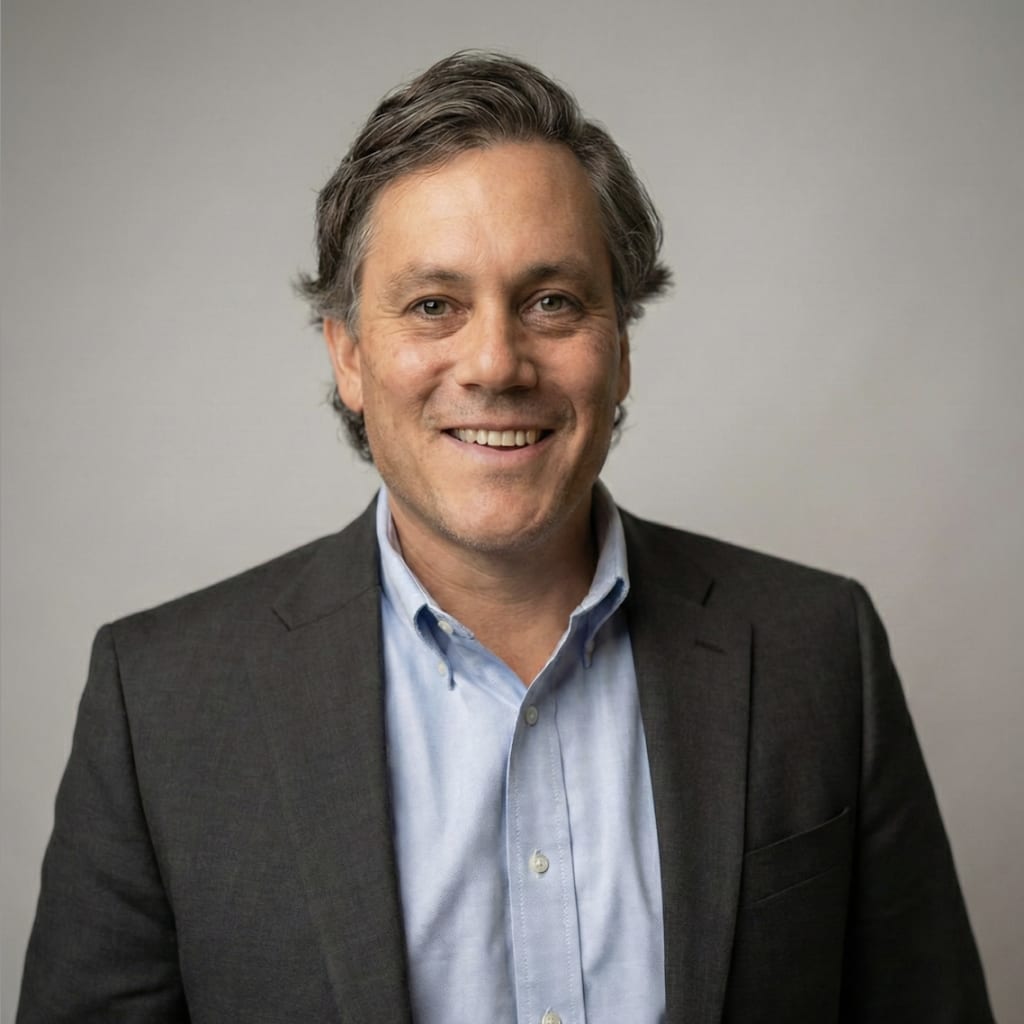
Peter E. Harrell
Senior Fellow
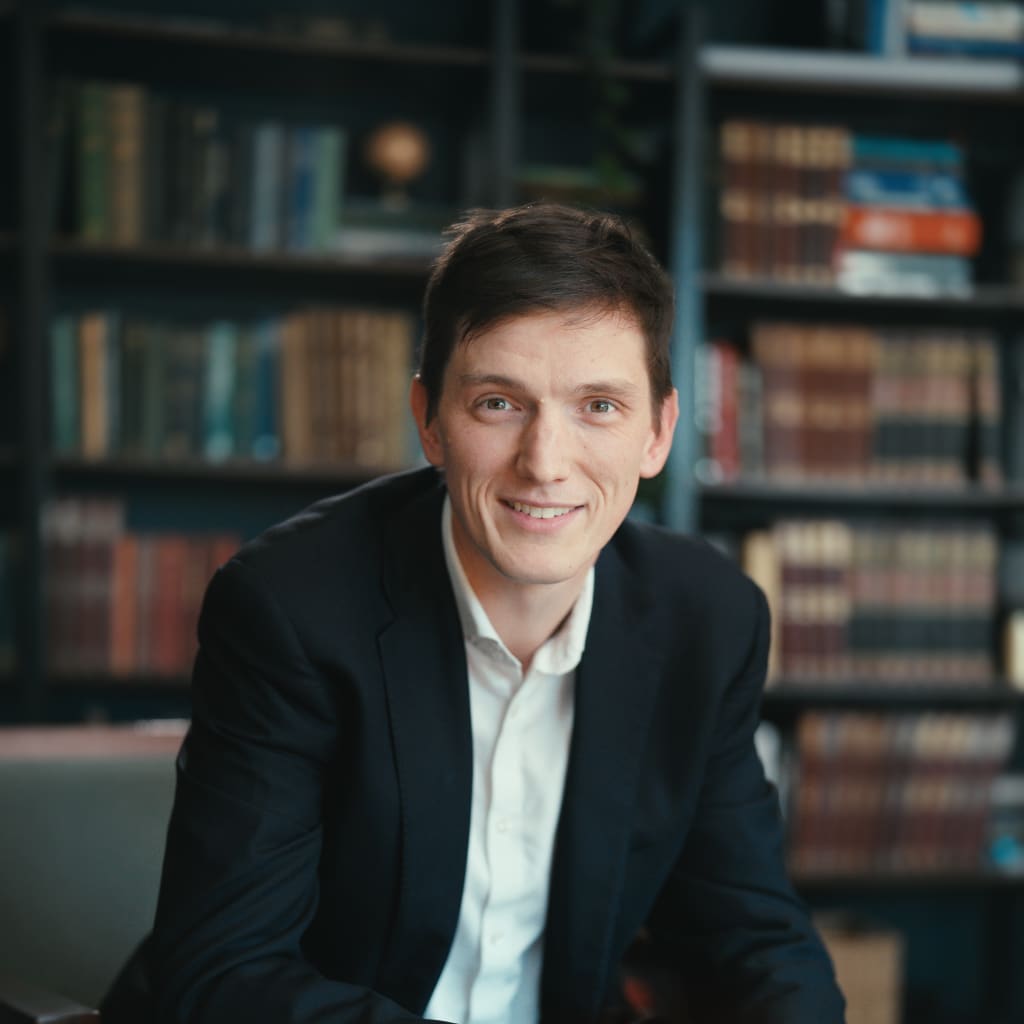
William Henagan
Research Fellow

Alice C. Hill
David M. Rubenstein Senior Fellow for Energy and the Environment
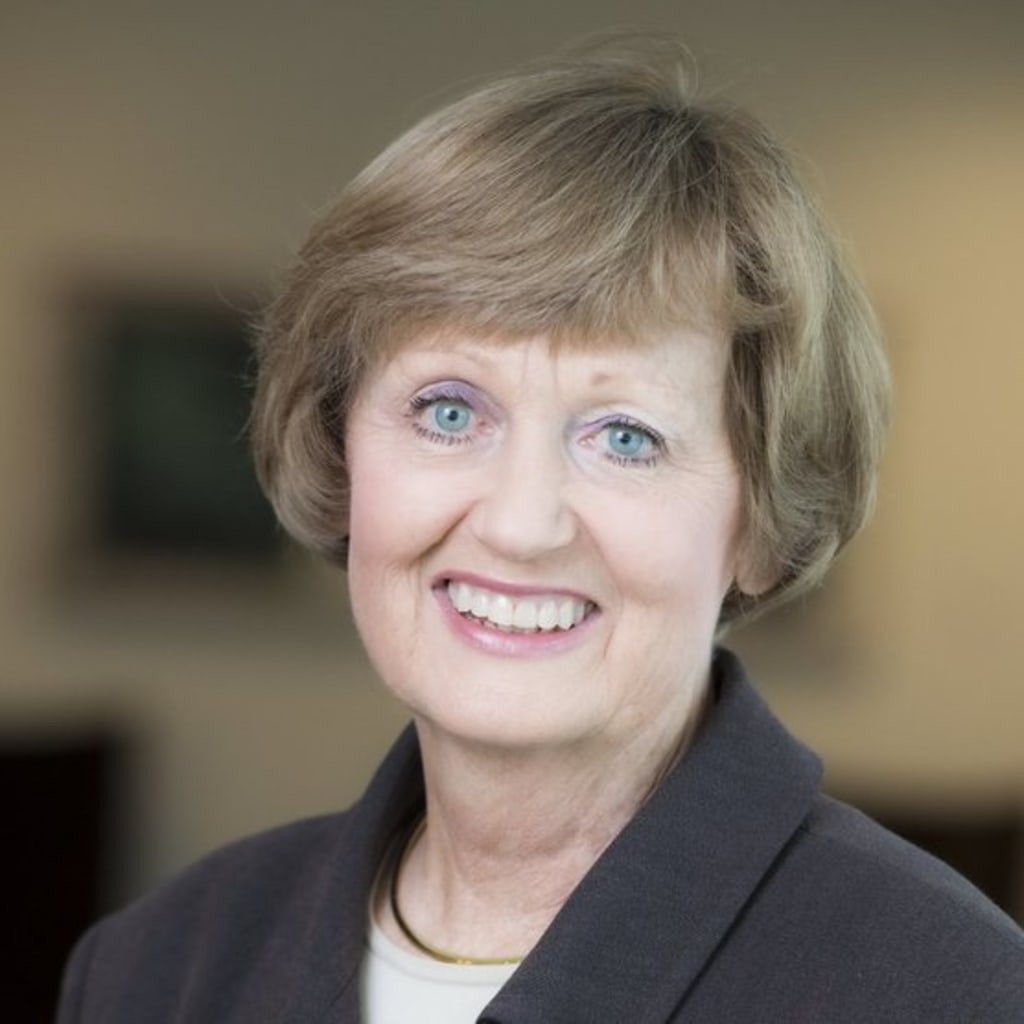
Jennifer Hillman
Senior Fellow for Trade and International Political Economy
Jonathan E. Hillman
Senior Fellow for Geoeconomics
Kenneth I. Juster
Distinguished Fellow
David Lipton
Senior Fellow for Geoeconomics

Zongyuan Zoe Liu
Maurice R. Greenberg Senior Fellow for China Studies
Sebastian Mallaby
Paul A. Volcker Senior Fellow for International Economics
Shannon K. O'Neil
Senior Vice President of Studies and Maurice R. Greenberg Chair

Rebecca Patterson
Senior Fellow

Gina M. Raimondo
Distinguished Fellow

Kenneth S. Rogoff
Senior Fellow for Economics
Brad W. Setser
Whitney Shepardson Senior Fellow
A. Michael Spence
Distinguished Visiting Fellow
Benn Steil
Senior Fellow and Director of International Economics
Laura Taylor-Kale
Senior Fellow for Geoeconomics and Defense
Pierre Yared
Senior Fellow
Archive
1740 results
 By Benn Steil, Rebecca Patterson, Sebastian Mallaby and Brad W. Setser
 Expert TakeBy Brad W. Setser
 Featuring Edward Fishman
 By Benn Steil
 By Allison J. Smith
War Is Forcing the World to Reckon With Geography’s Power
The New York Times
Featuring Edward Fishman Featuring Edward Fishman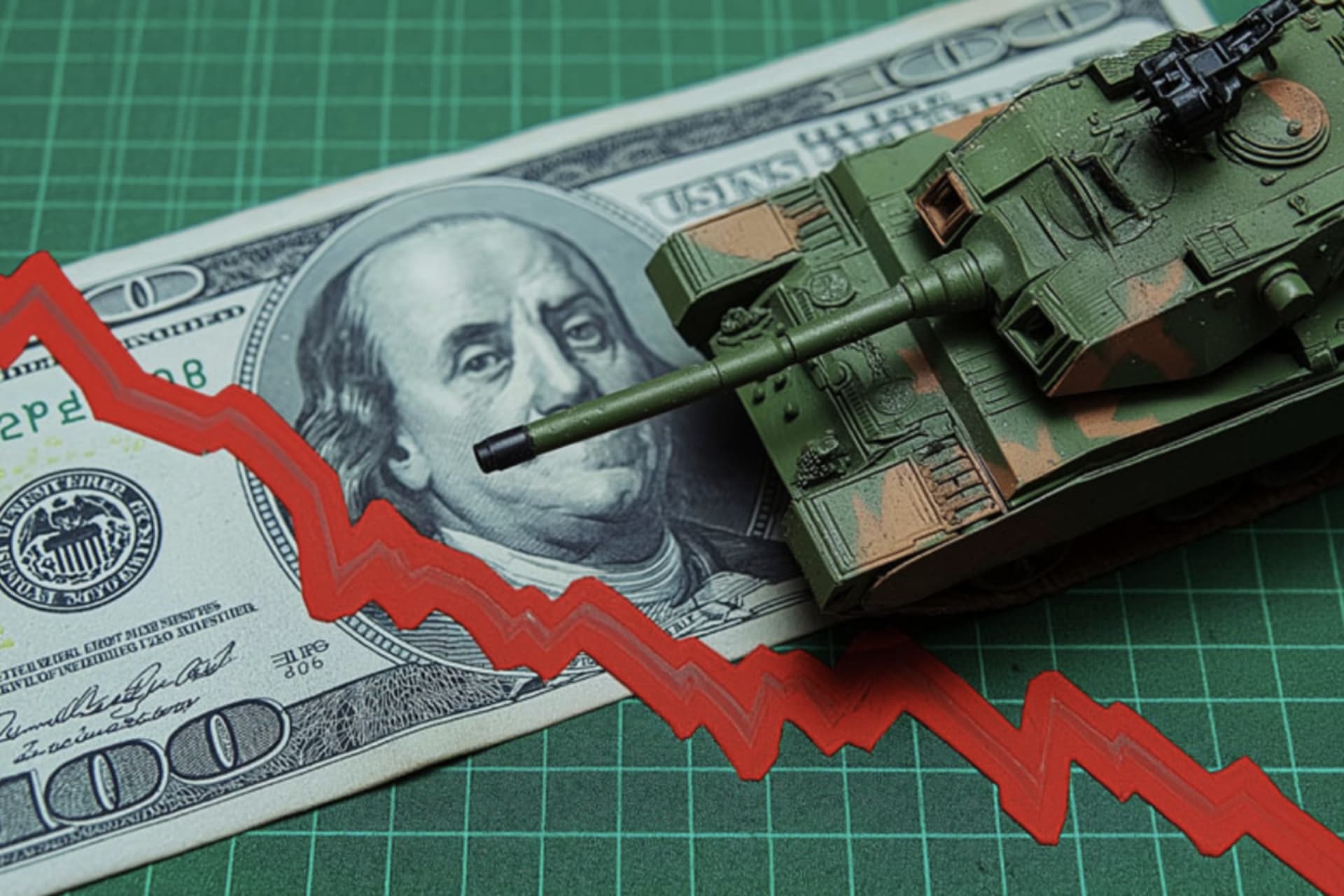
The mispricing of war
World Finance
Featuring Edward Fishman Featuring Edward Fishman
How The US Controls The World Without Firing a Shot | With Edward Fishman
The Rest Is Politics
Featuring Edward Fishman Featuring Edward Fishman
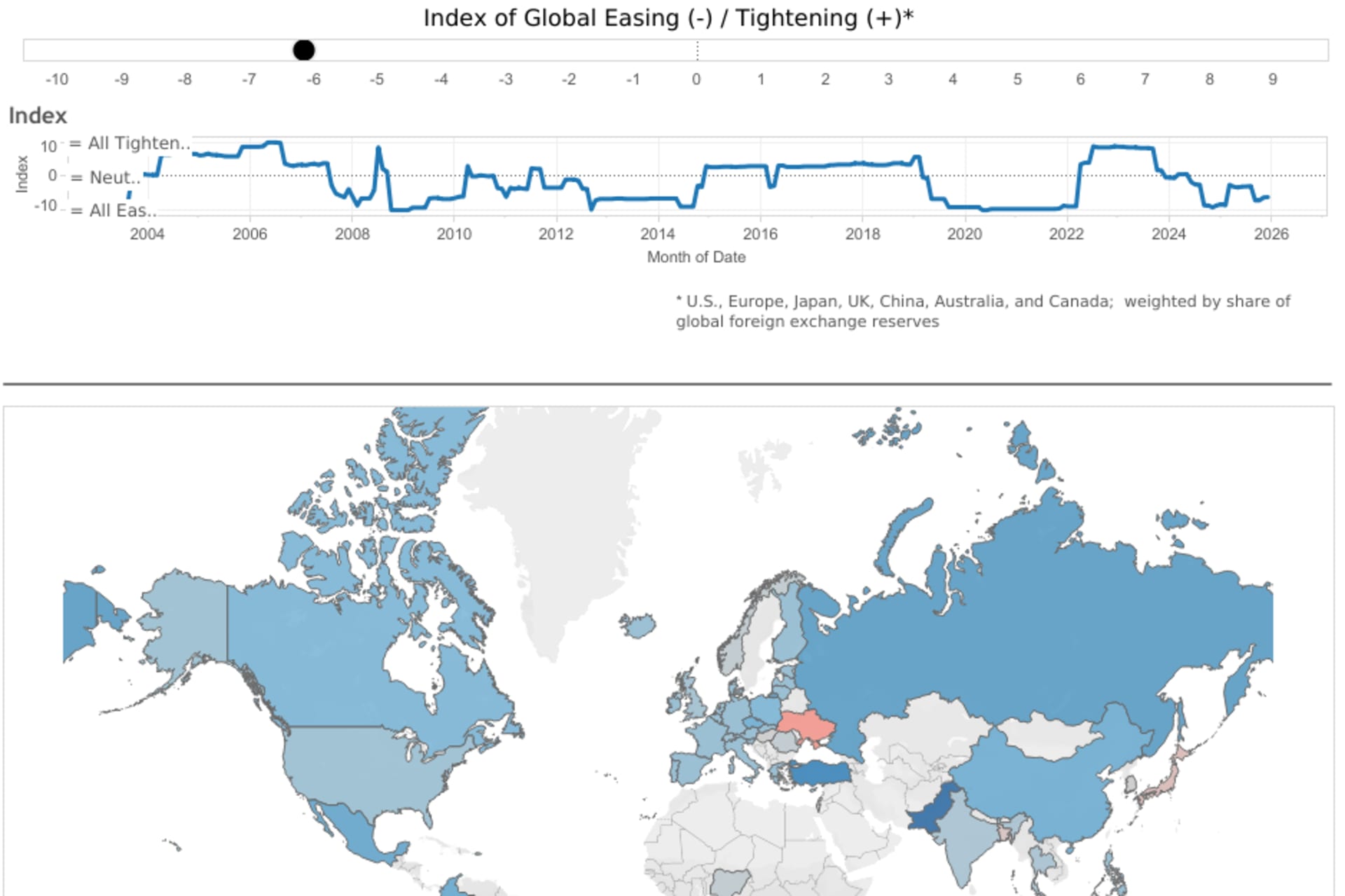 By Benn Steil and Yuma Schuster
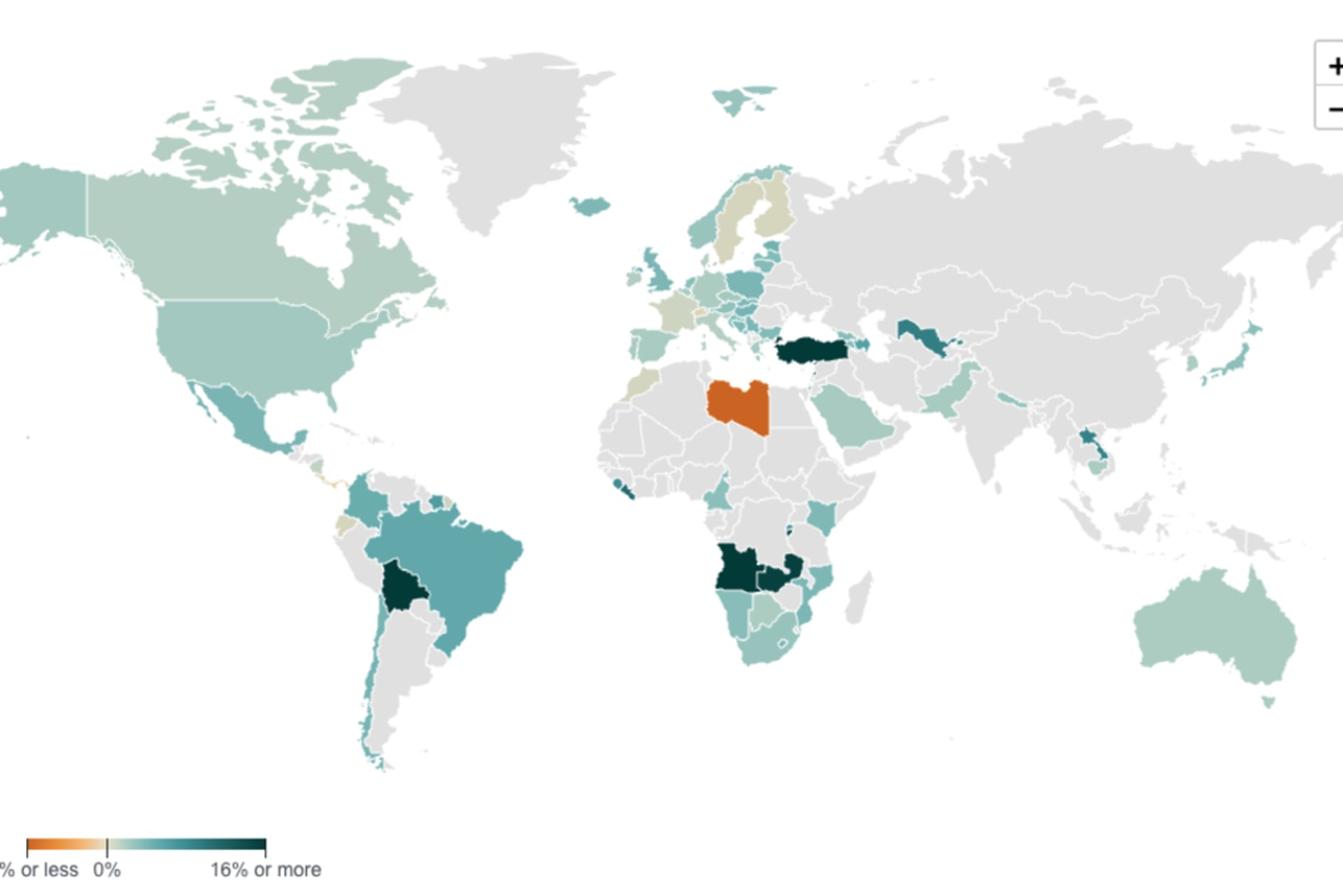 By Benn Steil and Yuma Schuster
 Meeting
Outpacing: A Grand Strategy for Avoiding the Carthaginian Error
Military Strategy Magazine
Featuring Edward Fishman Featuring Edward Fishman
Mining, geopolitics, and the 'impossible triangle'
Mining Magazine
Featuring Edward Fishman- Featuring Edward Fishman
- Featuring Edward Fishman
 Featuring Edward Fishman
Trump Courted Xi. MAGAworld Stewed.
The Washington Sun
Featuring Edward Fishman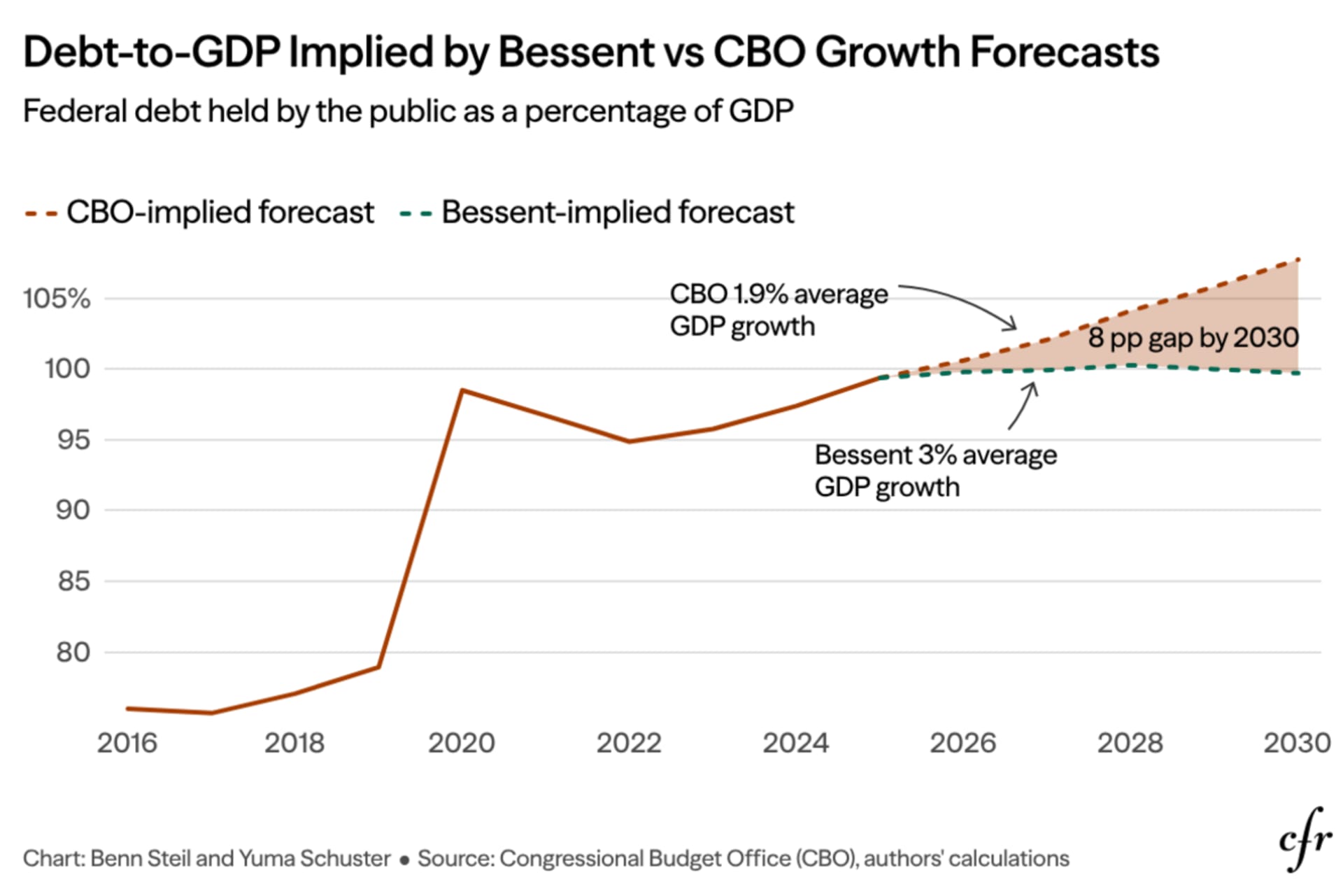 By Benn Steil and Yuma Schuster
- Featuring Heidi E. Crebo-Rediker
- Featuring Edward Fishman