China’s Muddled Message on the South China Sea
By experts and staff
- Published
 Elizabeth C. EconomyHoover Institution, Stanford University
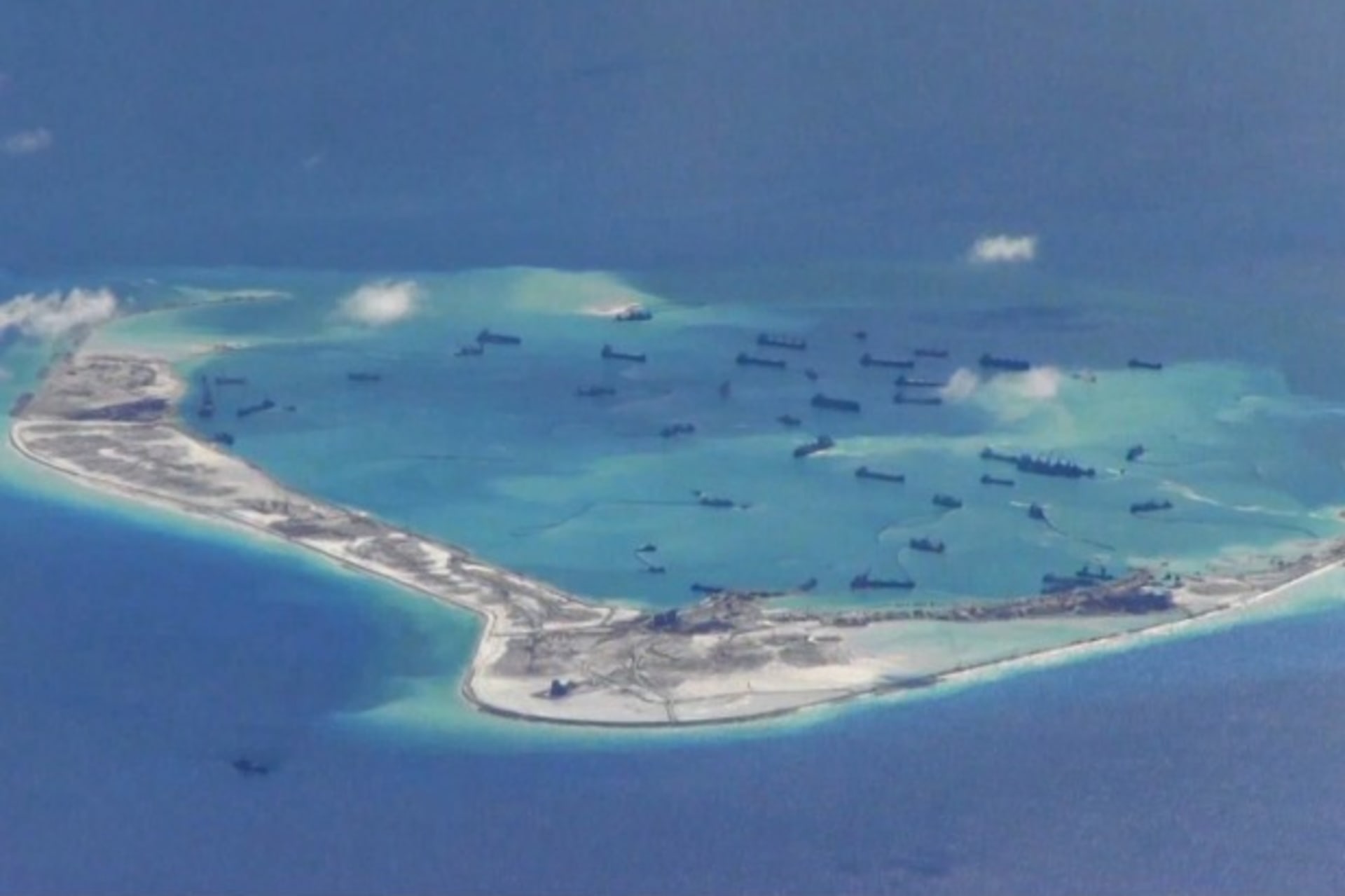
If the recent Shangri-La Dialogue demonstrated one thing—aside from the fact that Singaporean Prime Minister Lee Hsien Loong can deliver an important speech that is both strong and subtle—it is that mitigating tensions in the South China Sea remains a problem with no solution in sight. As the Chinese have continued with their reef reclamation and low-level militarization of small islands in the South China Sea, a number of Chinese scholars and foreign policy officials have sought to clarify the reasons behind Beijing’s actions. Yet what emerges from all the disparate voices is a sense that there is no compelling rationale—or at least not one that the foreign policy community can acknowledge. Instead, there is significant effort to impute an acceptable rationale to the country’s destabilizing behavior.
Here is a brief sampling:
The lack of clarity in messaging does not mean that the Chinese foreign policy community is divided over how Beijing should pursue its interests; instead, it suggests some confusion over what precisely those interests are. Unfortunately, for the rest of the region, the lack of transparency in intent makes it far more difficult to arrive at compromise—or even to believe that Beijing is interested in compromise. In the end, Beijing might as well be saying, “We are doing this because we can,” and that is certainly not a good introduction to “hehism” or any other Chinese contribution to international values.