Herbert Hoover Signs the Smoot-Hawley Tariff Act
The president stayed loyal to his party at the cost of deepening the Great Depression and ending his political career.
By experts and staff
- Published
 James M. LindsayCFR ExpertMary and David Boies Distinguished Senior Fellow in U.S. Foreign Policy
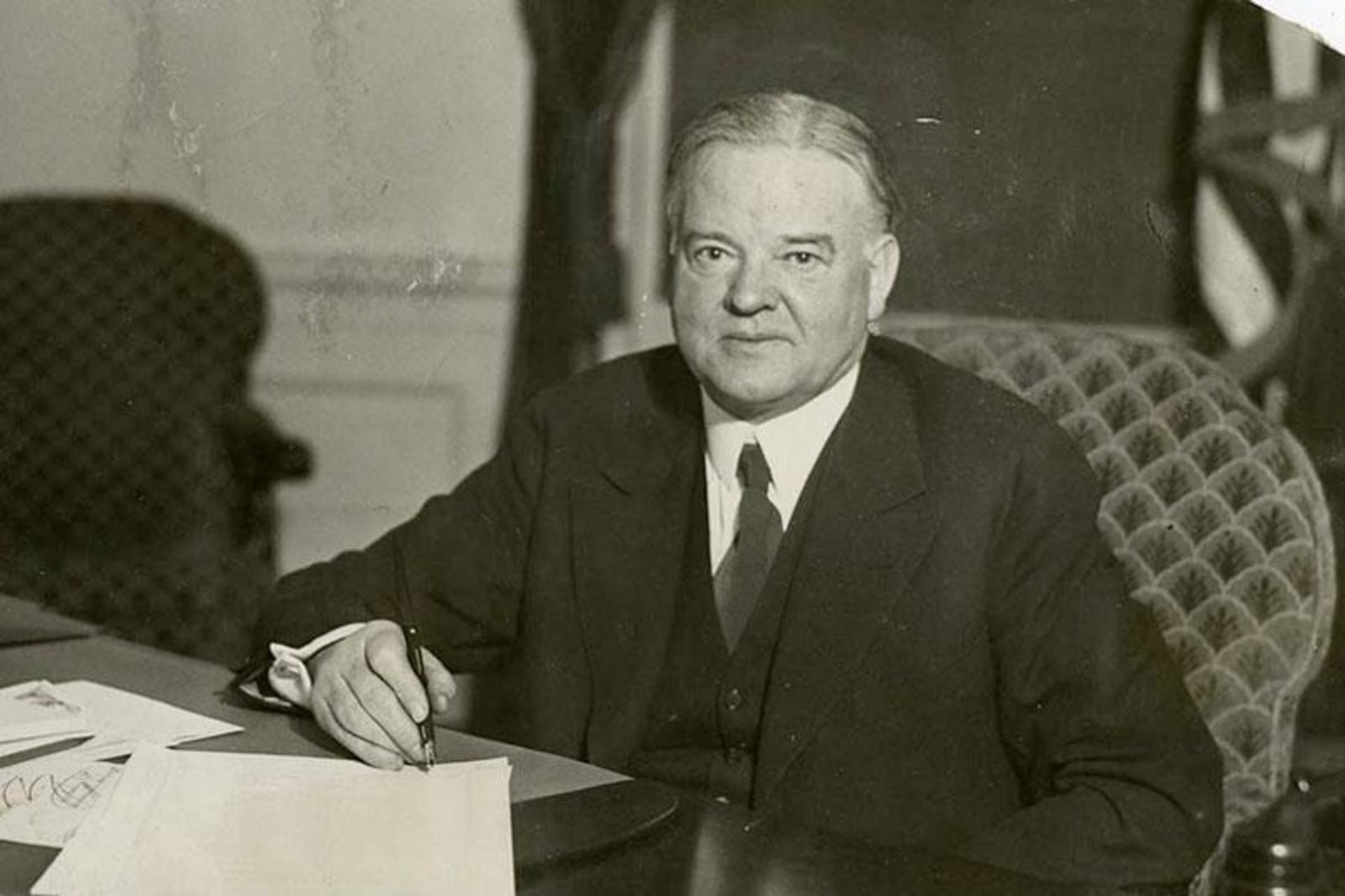
Economists are said to be too smart for their own good and not smart enough for anyone else’s. If so, should presidents take their advice? One president who should have is Herbert Hoover. In May 1930, more than 1,000 economists signed a letter urging him to veto a bill then working its way through Congress. Hoover disregarded their counsel, however, and on June 17, 1930, signed the Trade Act of 1930 into law. Better known to history as the Smoot-Hawley Tariff, the law intensified the Great Depression and helped solidify Hoover’s reputation as one of America’s worst presidents. A recent survey I conducted with members of the Society for Historians of American Foreign Relations ranked Smoot-Hawley as the twenty-first worst foreign policy decision in U.S. history.
All Politics Is Local
The genesis of Smoot-Hawley was a bid by Republican members of Congress to keep the farm vote. World War I created boom times for American famers. European demand for their products surged, and they were quick to meet the need. But Europe’s recovery after the war produced a bust. The competition for market share intensified, and crop prices fell as a result. Republicans argued that raising tariffs on agricultural imports would raise prices and thereby boost farm incomes. Happy farmers would then vote Republican.
[Video: https://www.youtube.com/watch?v=C4CvLu8HA7I]

While higher crop prices might be good for farmers, they are not good for consumers. And consumers, like farmers, get to vote. Republicans made the case for higher agricultural tariffs more politically attractive by casting it as a matter of fairness: the average tariff on manufactured goods was higher than the average tariff on agricultural goods. Farmers deserved the same kind of protection that industrialists did, or so the argument went.
Messrs. Smoot and Hawley
Smoot-Hawley took its name from its congressional sponsors: Republican Senator Reed Smoot of Utah, chair of the Senate Finance Committee, and Republican Representative Willis Hawley of Oregon, chair of the House Ways and Means Committee. The ordering of their names was unusual. Tariff bills typically list the House sponsor first because the Constitution requires them to originate in the House. However, Smoot was better known than Hawley, so he got top billing.
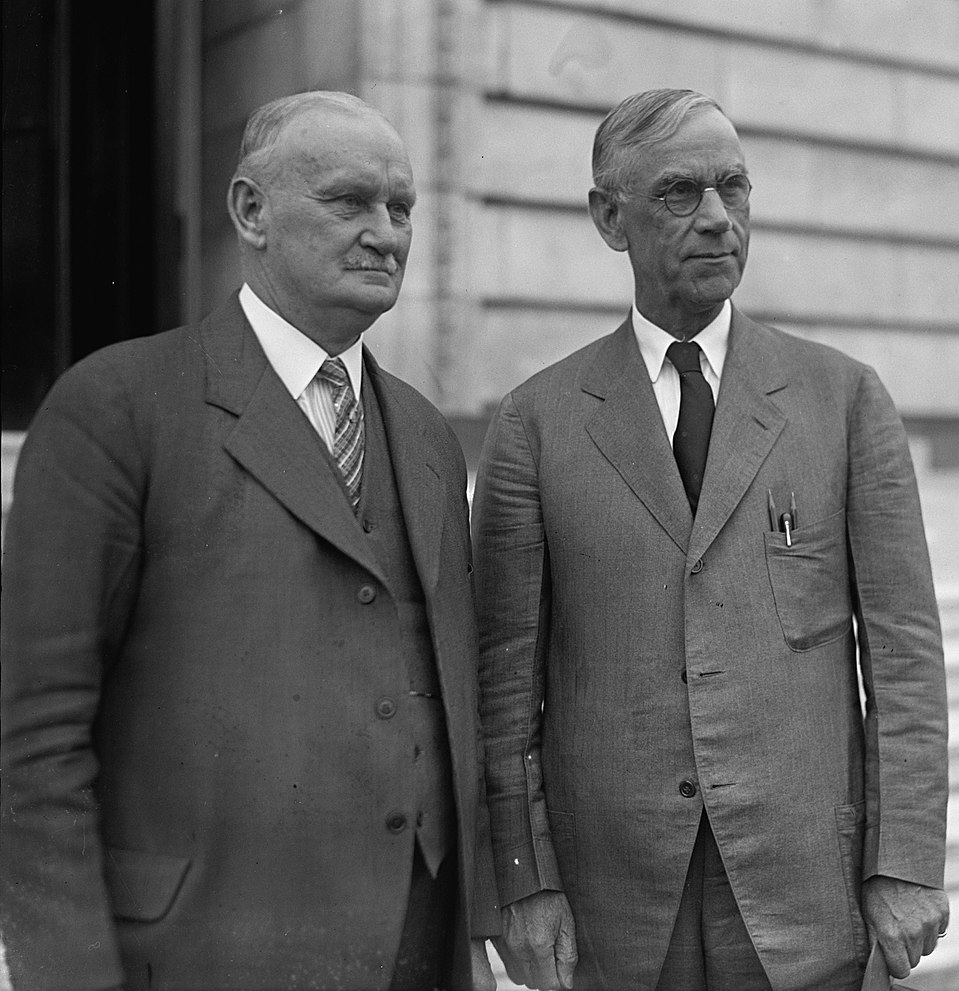
Smoot had a parochial interest in the bill. Utah’s sugar-beet industry faced tough competition from imported sugar, especially low-cost cane sugar from Cuba. A higher tariff would help keep Utah farmers in business. Smoot’s effort to take care of his constituents prompted the humorist Will Rogers to joke: “120 million Americans eat sugar, 1,200 raise sugar, but Smoot ‘had dedicated his entire political career to make sugar not only sweet but dear to the 120 million.”
The Utah senator was not the only member of Congress who saw the tariff bill as a way to help constituents. Most Republicans did as well, which was the problem. The House version of what became Smoot-Hawley raised tariff rates on 845 products and cut them on just 82. The Senate version of the bill increased 890 tariffs and cut 235. To make matters worse, most of changes Congress made specified tariffs in specific amounts rather than as a percentage of what a product cost. So if the cost of an imported good fell, the tariff (tax) on it increased in percentage terms.
“An Economic Stupidity”
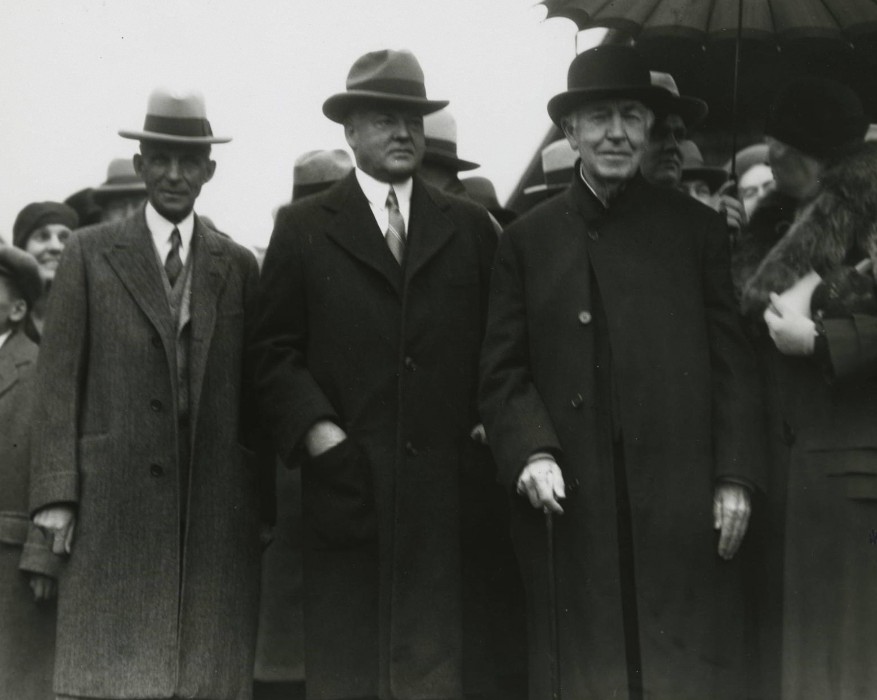
It did not take a Ph.D. in economics to realize that Smoot-Hawley would be, as economists like to say, “contractionary.” Famed industrialist Henry Ford spent an evening at the White House trying to explain to Hoover why Smoot-Hawley was “an economic stupidity.” Several of Hoover’s close advisers thought the same thing. One of them later recalled: “I almost went down on my knees to beg Herbert Hoover to veto the asinine Hawley-Smoot Tariff.” Their arguments worked with Hoover—to a point. He privately concluded that the tariff bill might be a bad idea.
But Hoover signed Smoot-Hawley into law anyway. He had campaigned for the presidency in 1928 pledging to help farmers by raising tariffs on imported agricultural goods. He also knew that most congressional Republicans ardently backed the bill. His political problems did not stop there. Several members of his cabinet threatened to resign if he vetoed Smoot-Hawley. Hoover knew that rebuffing his party would hurt him politically and potentially cost him the Republican presidential nomination in 1932. He was not willing to risk that breach. Political considerations trumped economic ones.
The Economists Were Right
Smoot-Hawley raised U.S. tariffs to historic heights. Just as economists had predicted, U.S. trade partners reacted to what they saw as Hoover’s effort to stimulate the U.S. economy at their expense by imposing retaliatory tariffs. What was good for the goose was good for the gander.
The result of these so-called beggar-thy-neighbor policies sparked a steep decline in U.S. and global trade. The United States exported $5.4 billion worth of goods in 1929. Three years after Smoot-Hawley went into effect, U.S. exports totaled $2.1 billion. World trade fell by as much as two-thirds by 1934. Smoot-Hawley did not cause the Great Depression, but it made it much worse than it should have been.
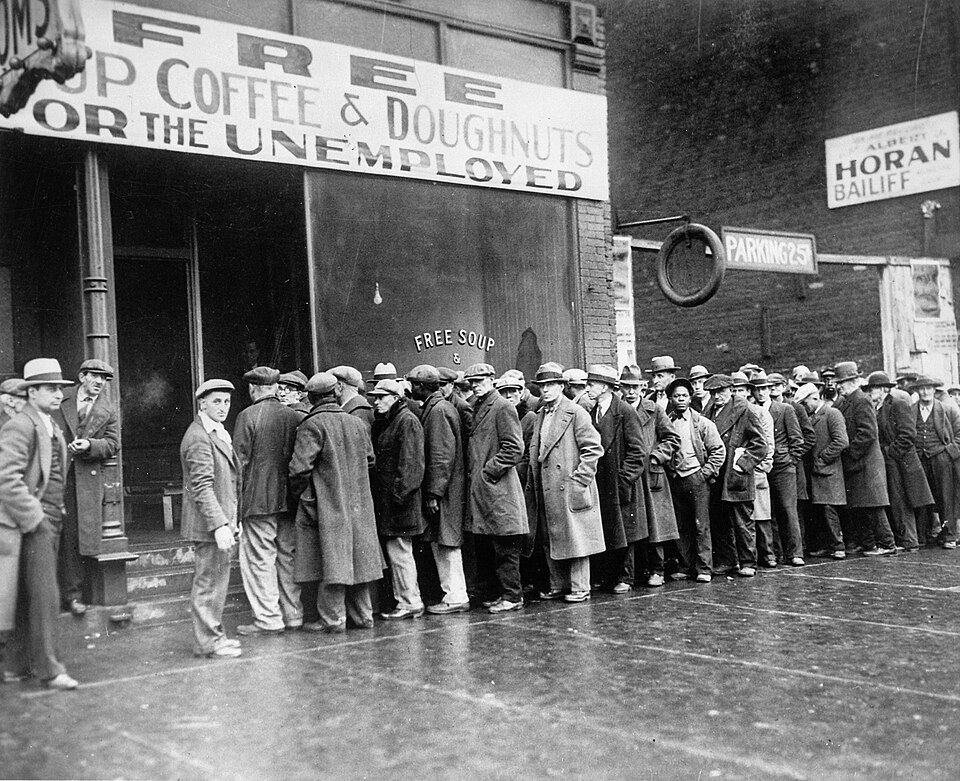
As Hoover had calculated, signing Smoot-Hawley into law had kept the peace within the Republican Party. He easily won the GOP’s presidential nomination in 1932. Most voters, however, blamed Hoover for the deteriorating economy. He lost the election to Franklin Delano Roosevelt in a landslide, notching less than 40 percent of the popular vote and just 59 electoral votes. Hoover’s political career was finished.
Smoot-Hawley’s Legacy
Smoot-Hawley had one saving grace: it prompted a major re-think of U.S. trade policy. In 1934, Congress passed, and Roosevelt signed into law, the Reciprocal Trade Agreements Act. It was premised on the idea that negotiating with other countries to reduce tariffs would promote economic growth.
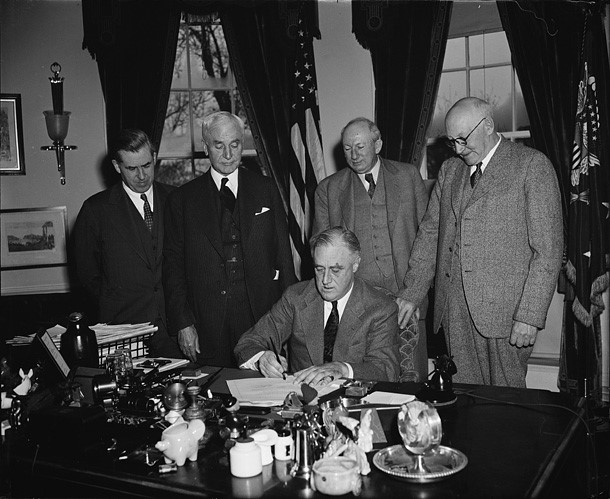
That principle drove U.S. trade policy for nine decades. It is reflected in the creation of the General Agreement on Tariffs and Trade and the World Trade Organization. Just as economists predicted, lower tariffs and more open trade proved to be a major driver of global economic expansion and of U.S. prosperity.
So while economists lost the battle to defeat Smoot-Hawley, they won the larger and longer-term intellectual contest to discredit protectionism and promote trade liberalization. Economists’ skepticism of the benefits of trade protectionism and their sensitivity to its costs are being challenged again today. And just as was the case nearly a century ago, the results suggest that economists know what they are talking about.
Oscar Berry assisted in the preparation of this article.
The United States celebrates its 250th anniversary in 2026. To mark that milestone, I am resurfacing essays I have written over the years about major events in U.S. foreign policy. A version of this essay was published on June 17, 2013.