How a Stolen Letter Helped Trigger the Spanish-American War
The publication of a diplomat’s confidential criticism of President William McKinley helped propel the United States into the war that marked its emergence as a world power.
By experts and staff
- Published
 James M. LindsayCFR ExpertMary and David Boies Distinguished Senior Fellow in U.S. Foreign Policy
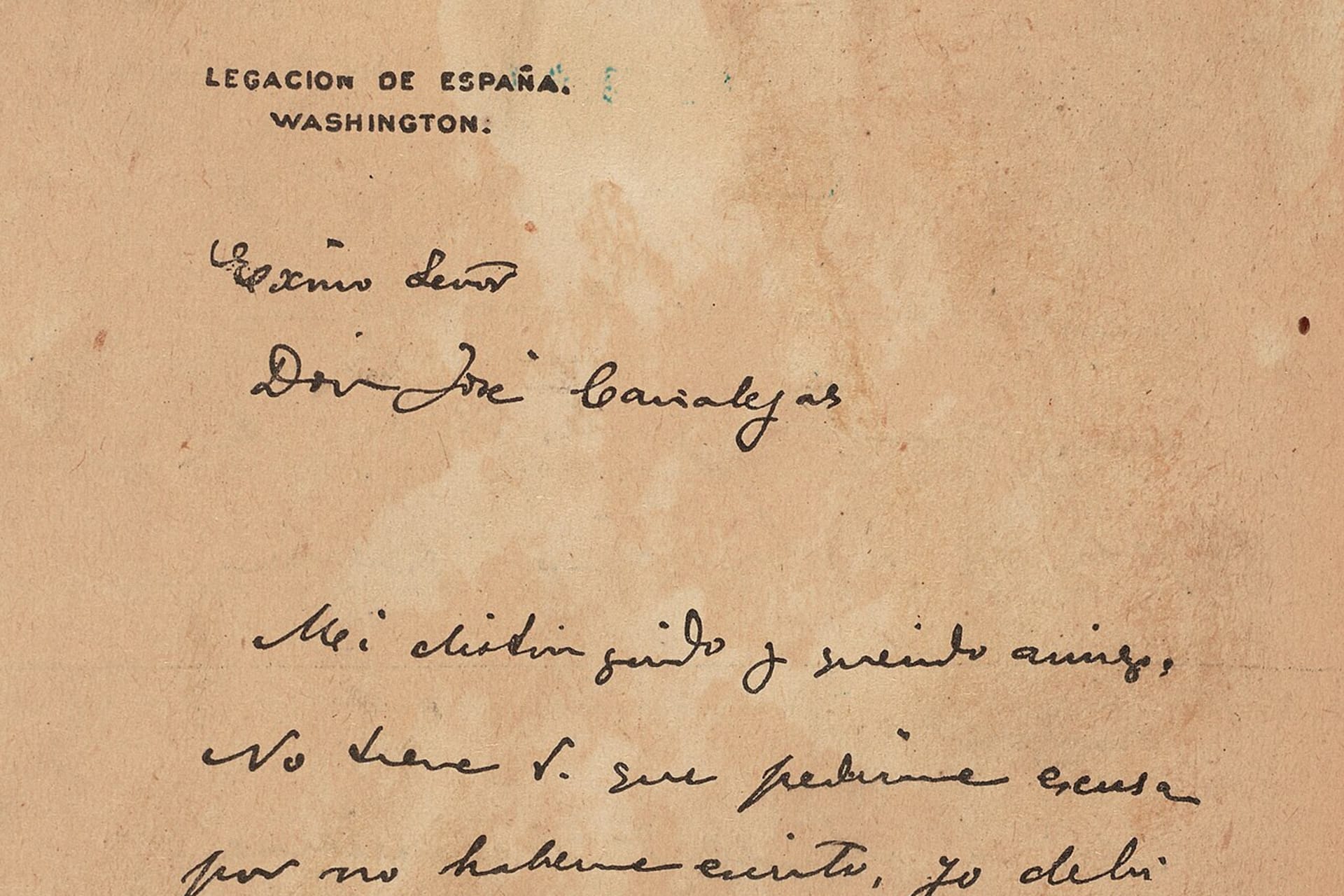
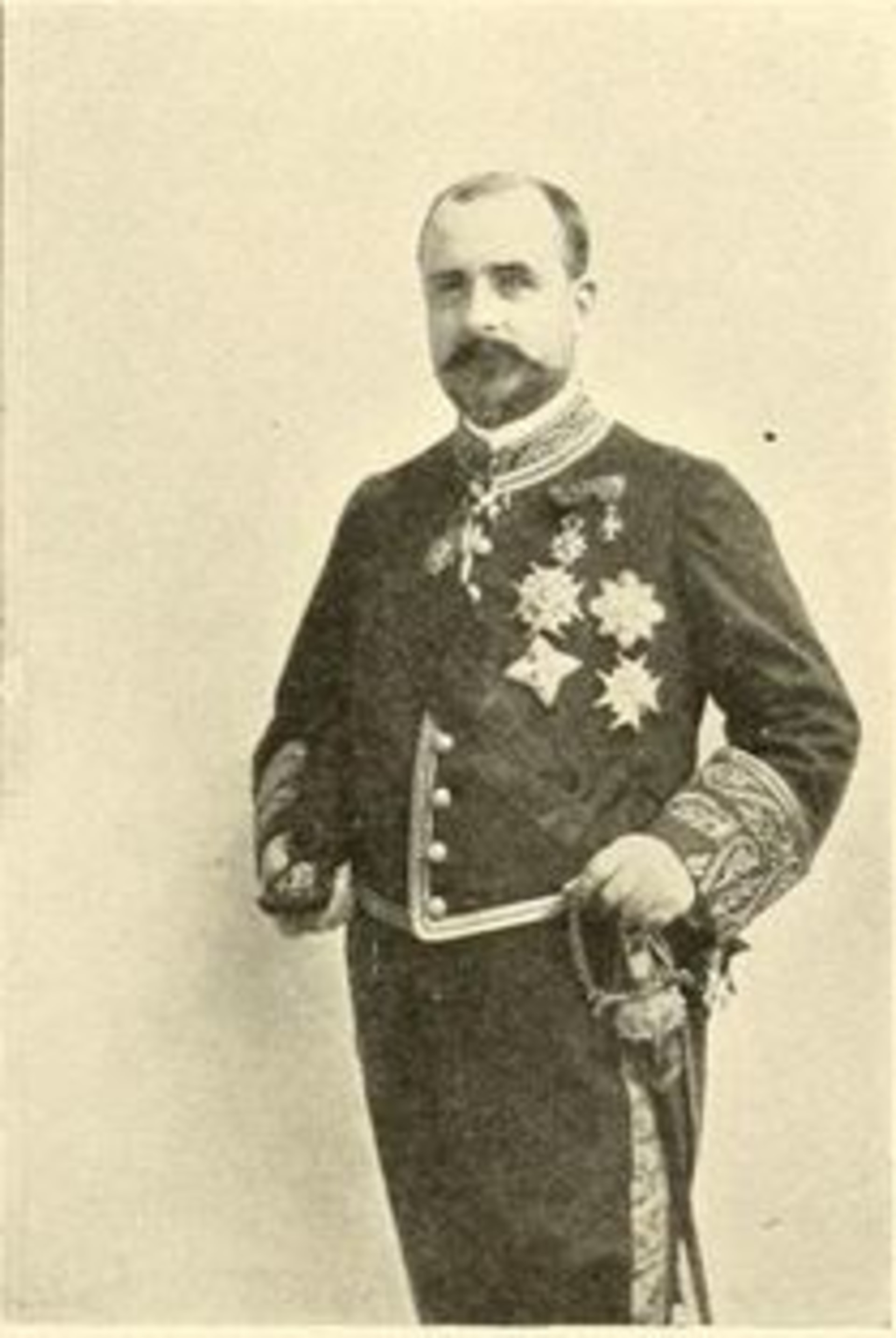
“Don’t put anything in writing that you wouldn’t want the world to see” is advice I received when I first took a job in Washington. It is advice that Enrique Dupuy de Lôme ignored, if he ever heard it all. On this day in 1898, a letter that he wrote belittling President William McKinley became public. Americans took offense, and the United States moved closer to the war that would catapult it into the ranks of the great powers.
De Lôme was Spain’s ambassador to the United States in 1898. Tensions between Madrid and Washington were high. The object of their dispute was Cuba, then a Spanish colony. Three years earlier, Cubans had revolted. Madrid responded with brutal force. Spanish atrocities stirred up passions in the United States and rekindled the longstanding desire of American imperialists—know at the time as jingoes—to claim Cuba. President Grover Cleveland responded to the Cuban rebellion by pressing Madrid to grant autonomy to the island, while fighting off demands at home for the United States to aid the Cuban rebels.
McKinley succeeded Cleveland as president in March 1897. U.S. policy toward Cuba, however, remained largely the same. Like Cleveland, McKinley had no desire to acquire Cuba and hoped to avoid war. A veteran of the Civil War, he lamented that “I have seen the dead piled up, and I do not want to see another.” He used his inaugural address to tell the country that “we want no war of conquest; we must avoid the temptation of territorial aggression.” He told one senator that “you may be sure that there will be no jingo nonsense under my administration.”
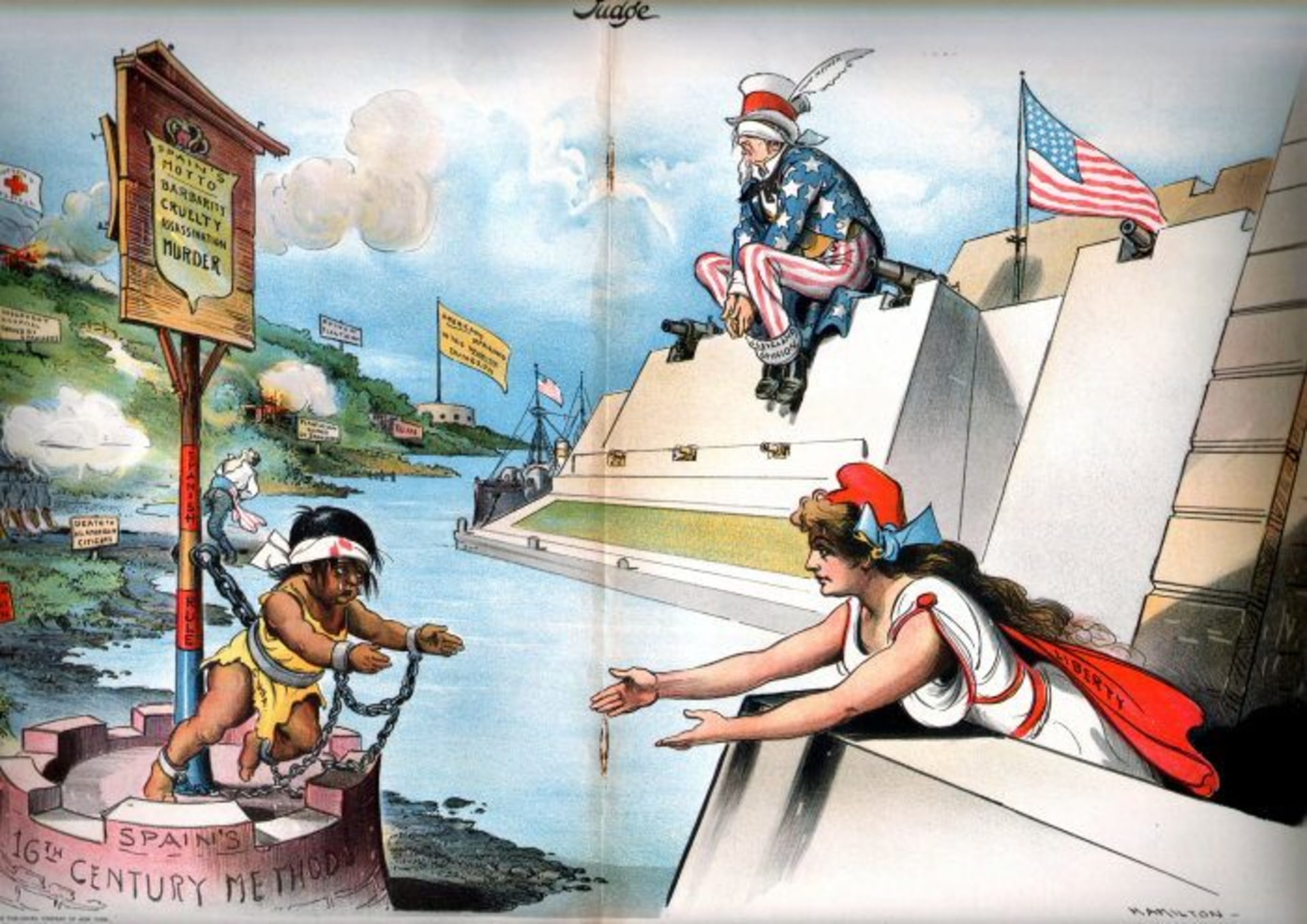
But McKinley could not escape the issue of Cuba. Spanish atrocities continued. The “yellow press” in the United States duly reported and sensationalized events on the island. In December 1897, McKinley addressed the situation in Cuba in his annual message to Congress. He argued that the forcible U.S. annexation of Cuba would be a “criminal aggression.” But he suggested that if Spain did not travel the “honorable paths” of reform in Cuba, the United States might intervene “with force.”
McKinley’s words angered de Lôme. He wrote a private letter to his boss, Spain’s foreign minister, who was visiting Cuba at the time. De Lôme disparaged the U.S. president, arguing that the address:
Once more shows what McKinley is, weak and a bidder for the admiration of the crowd, besides being a common politician who tries to leave a door open behind himself while keeping on good terms with the jingoes of his party.
To de Lôme’s great misfortune, Cuban revolutionaries intercepted his letter. They passed it on to the New York Journal, one of the leading practitioners of yellow journalism. On February 9, 1898, the Journal published a translated version of the letter on the front page under the banner headline: “Worst Insult to the United States in Its History.”
As insults go, de Lôme’s remarks hardly amounted to much. Many Americans shared his low opinion of McKinley. Political cartoonists frequently lampooned the president as a “goody-goody” and drew him wearing women’s clothes. The running joke of the day went: “Why is McKinley’s mind like a bed?” Answer: “Because it has to be made up for him every time he wants to use it.” Theodore Roosevelt thought his boss was a “jelly fish” and told friends that McKinley had “no more backbone than a chocolate éclair.” Speaker of the House Joe Cannon complained that McKinley kept his ear so close to the ground that it was full of grasshoppers.
But, as is often the case in life, what was said mattered less than who said it. Americans took deep offense at de Lôme’s words. It was one thing for Americans to criticize McKinley. It was another thing entirely for a foreign official, particularly one who represented a widely disliked government, to do so. McKinley might have been a waffling, pandering leader, but he was America’s waffling, pandering leader.
De Lôme immediately resigned his post to try to prevent further damage to U.S.-Spanish relations. His words might have passed into obscurity if not for the fact that he violated another cardinal rule of politics—timing is everything. Six days after his letter became public, the battleship USS Maine exploded in Havana harbor, killing 266 sailors. Americans immediately blamed Spain for the deaths of their countrymen. In mid-April, McKinley, acting under intense pressure from Congress, abandoned his opposition to intervening in Cuba. He requested and received a declaration of war on Spain.
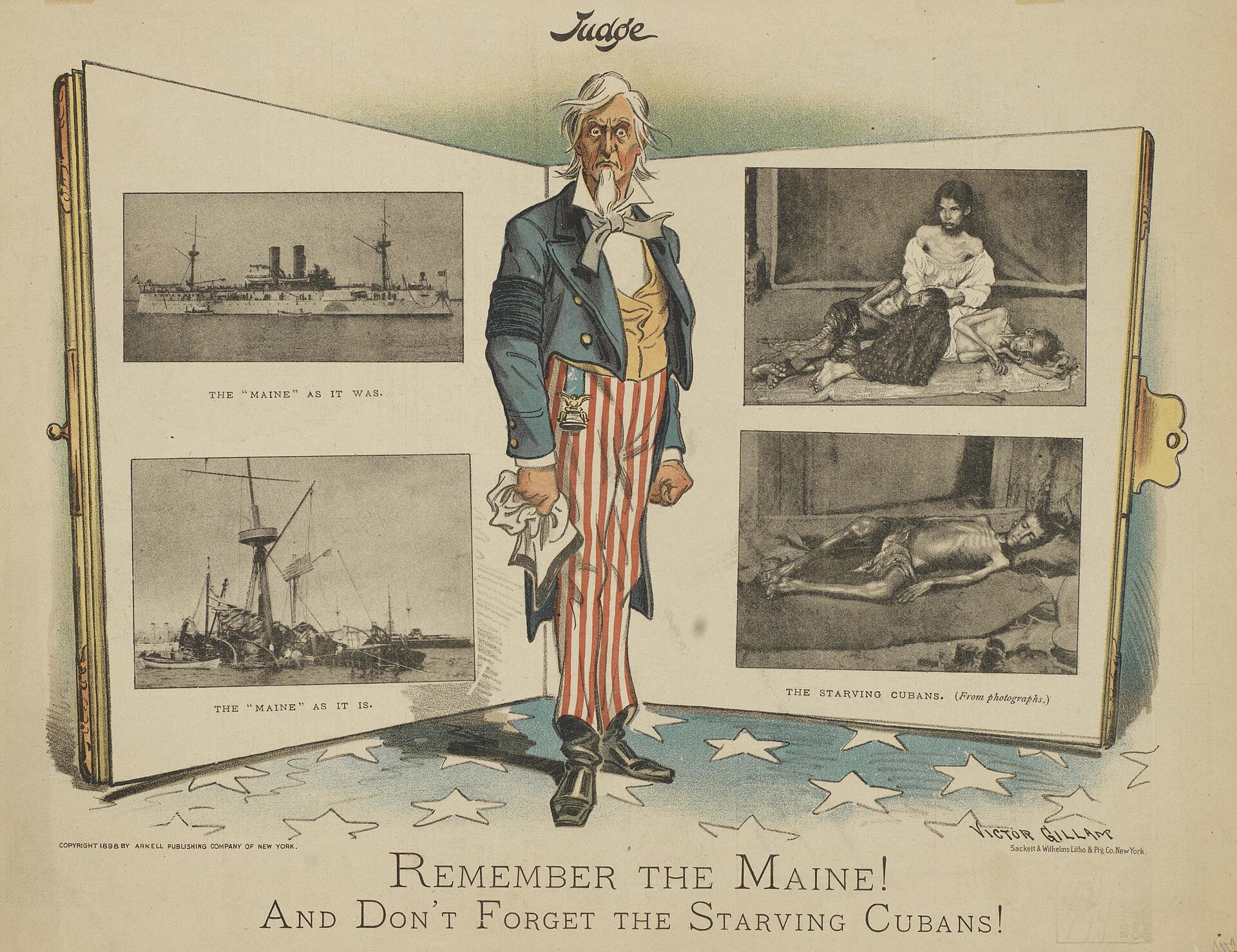
U.S. forces quickly routed their Spanish adversaries in the Caribbean and East Asia in what John Hay, who became secretary of state that September, famously called “a splendid little war.” By defeating a major European power and taking possession of Puerto Rico, Guam, and the Philippines, the country that began the nineteenth century as a fragile republic clinging to the Atlantic seaboard ended it as a world power.
The United States celebrates its 250th anniversary in 2026. To mark that milestone, I am resurfacing essays I have written over the years about major events in U.S. foreign policy. A version of this essay was published on February 9, 2011.
Oscar Berry assisted in the preparation of this post.