Israel Targets Iranian Leaders
By experts and staff
- Published
Welcome to the Daily News Brief, CFR’s flagship morning newsletter summarizing the top global news and analysis of the day.
Top of the Agenda
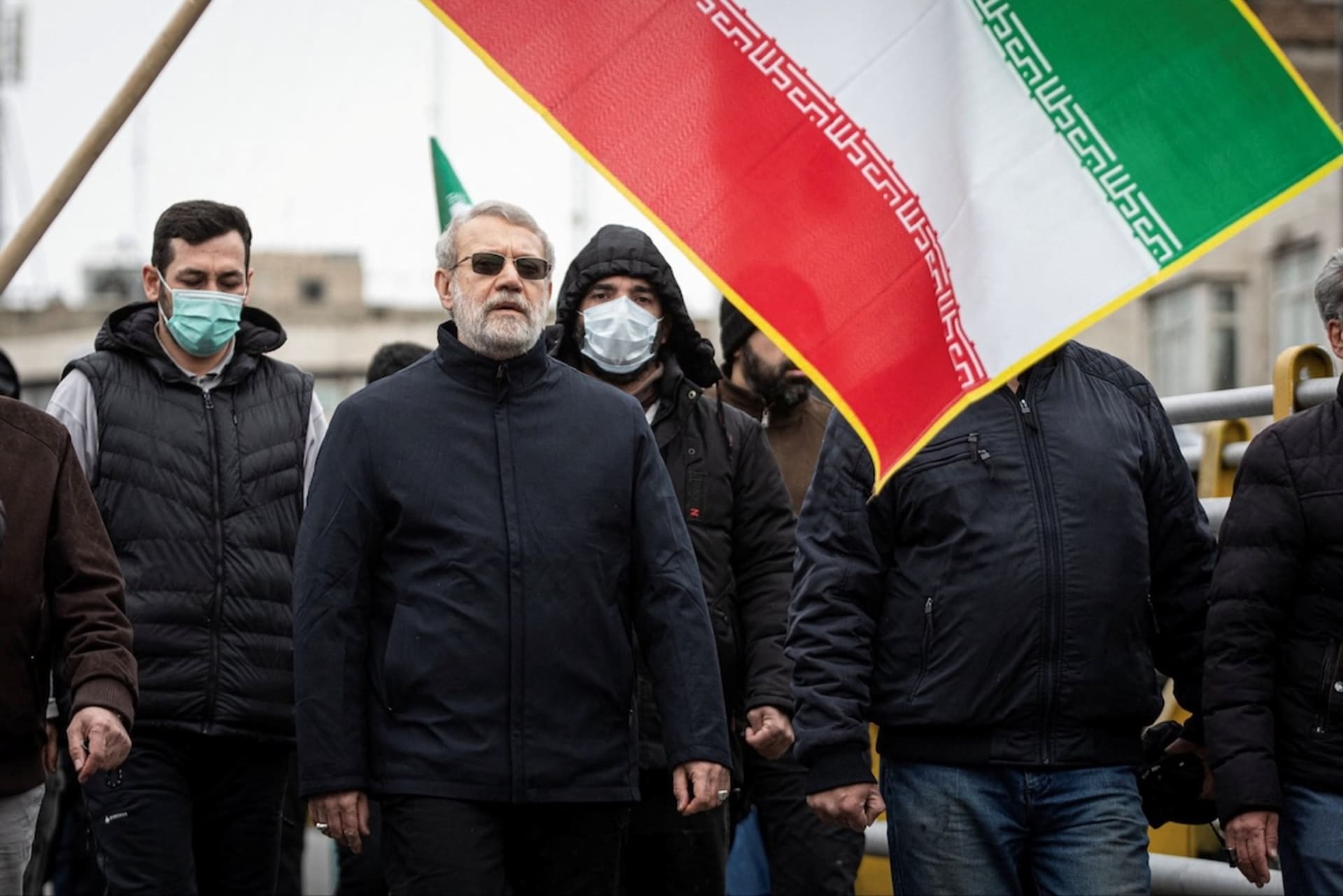
Israel targeted top Iranian officials overnight as the United States faces increasing isolation from global allies in the war with Iran. Israel said today that it killed top Iranian security official Ali Larijani and senior military commander Gholam Reza Soleimani. Iran did not immediately confirm their deaths, which would mark the most senior Iranian figures killed since the death of former Supreme Leader Ayatollah Ali Khamenei at the war’s start. The news came a day after NATO allies including France, Germany, and the United Kingdom (UK) rejected Trump’s appeals to send warships to unblock the Strait of Hormuz. “This is not our war,” Germany’s defense minister said yesterday.
The status of the strait. Commercial shipping through the strait remains reduced to just a trickle. Iran’s foreign minister said Saturday the waterway was only closed to “those who are attacking us and their allies,” and ships from India, Pakistan, and Turkey have sailed through since the start of the war. Yet a Kuwait-flagged tanker off the coast of the United Arab Emirates was struck by a projectile today. At an event yesterday, Trump berated allies reluctant to participate in a military coalition to reopen the strait, painting them as ungrateful for years of U.S. assistance. Top European officials have said they favor diplomatic solutions to restore traffic through the strait.
The United States has destroyed all of Iran’s mine-laying ships as part of its efforts to reopen the strait, Trump claimed yesterday. However, he added that Washington was unsure whether any mines had already been laid. If the crisis continues roiling global oil prices, the International Energy Agency is open to a second release of oil reserves since the start of the war, its director said yesterday.
Elsewhere on the ground. As the war continues across multiple fronts, one of its largest displacement crises is occurring in Lebanon, where over one million people—around a fifth of the population—have now fled their homes, the government said yesterday. Israel launched a ground invasion there yesterday, despite a joint warning from Canada, France, Germany, Italy and the UK of “devastating humanitarian consequences.”
“I’m not sure if the United States and Israel are in a position to kill everybody [in Iran’s leadership], because this is a fairly deep cadre. And they’re capable of reanimating their position, at least in the bureaucratic structure. The question is, and to which the answer has to be continuously reevaluated, is whether the weakness of [Iran’s] security apparatus will cause it to be overwhelmed by a determined popular protest movement.”
—CFR Senior Fellow Ray Takeyh in this Expert Briefing
Across the Globe
Blackout in Cuba. The country plunged into a nationwide blackout yesterday as fuel shortages exacerbated longstanding problems with its electric grid. The United States has restricted oil shipments to the island while pressing for political and economic liberalization. In an effort to relieve pressure from what he characterized as a U.S. “blockade,” Cuba’s deputy prime minister told NBC News his government would allow nationals living abroad to invest in and own business on the island.
Reported U.S. threat to Zambia. The United States is considering withholding HIV aid to Zambia unless the country agrees to increase U.S. access to its critical minerals, according to a State Department draft memo reportedly seen by the New York Times. The State Department and a Zambian government spokesperson declined to comment. Since dismantling the U.S. Agency for International Development (USAID), the Trump administration has struck dozens of health aid deals, though in most cases these deals required countries to increase their own funding of health services.
Strike on Afghan health center. Afghanistan’s Taliban government said a Pakistani attack killed at least four hundred people at a Kabul drug rehabilitation center yesterday. The numbers were disputed: the BBC reported at least one hundred deaths at the medical facility, citing unnamed sources from Kabul’s department of forensic medicine. Pakistan’s minister of information acknowledged its military carried out strikes in Afghanistan but claimed they were aimed only at military targets, including an ammunition depot. The latest round of fighting between the two countries is in its third week.
Blasts at Netherlands synagogue, school. Dutch prosecutors said yesterday that four teenagers who detonated an explosive near a Rotterdam synagogue last Friday are suspected of terrorism. In a separate incident, two people set off an explosion outside a Jewish school in Amsterdam Saturday, though no suspects have been arrested.
UN climate chief’s warning. The war in Iran’s disruption of the global energy supply underscores the strategic value of renewable energy, which has the ability to “sidestep might-is-right politics,” UN climate chief Simon Stiell said yesterday. Speaking at a green growth summit in Brussels, he argued that “fossil fuel dependency” undermined national security and sovereignty. In a sign that war-related energy strains might be affecting consumer habits in the United States, car shopping platform CarEdge saw electric vehicle searches jump 20 percent in the week after the war’s start.
Myanmar’s legislature meets. The country’s legislature began its first session in more than five years yesterday, following a parliamentary election tightly controlled by the country’s military leaders. Lawmakers linked to the military now hold almost 90 percent of parliamentary seats. The army touted the election as a return to democracy, saying it hopes it paves the way for sanctions relief and increased international investment, while critics have decried it as a sham.
Pollution from Russian attack. Water to Moldova’s third-largest city was cut off after an oil spill caused by a Russian attack on a Ukrainian hydropower plant contaminated the local supply, Moldovan officials said yesterday. Moldova declared a fifteen-day environmental alert and summoned the Russian ambassador. Moldova is a candidate for European Union membership, and the bloc’s enlargement commissioner said it was ready to assist in pollution response.
Bombings in Nigeria. Explosions in the northeastern state of Borno yesterday killed at least twenty-three civilians, police said. A Nigerian military spokesperson blamed the attack on militant group Boko Haram, though no group immediately claimed responsibility. Nigeria has ramped up security operations against extremist groups in recent months with assistance from the Trump administration.
What’s Next
- Today, Ukrainian President Volodymyr Zelenskyy is visiting the UK.
- Today, the NCAA Men’s Division I basketball tournament, better known as March Madness, begins in Dayton, Ohio.
- Tomorrow, Nigerian President Bola Tinubu begins a visit to the UK.
- Tomorrow, the Netherlands hold municipal elections.